The rigorous demands placed upon the human body during ultramarathon running extend far beyond mere muscular fatigue, with emerging scientific inquiry revealing significant cellular repercussions. A comprehensive study, recently published in the esteemed journal Blood Red Cells & Iron by the American Society of Hematology, elucidates how participation in ultra-endurance athletic events can inflict damage upon red blood cells, potentially compromising their vital functions. While the precise duration of these cellular alterations and their long-term implications for an athlete’s health remain subjects for ongoing investigation, these findings contribute a crucial layer to the growing body of evidence suggesting that exceptionally intense physical exertion, at times, may present a significant physiological strain rather than solely promoting robust adaptation and increased resilience.
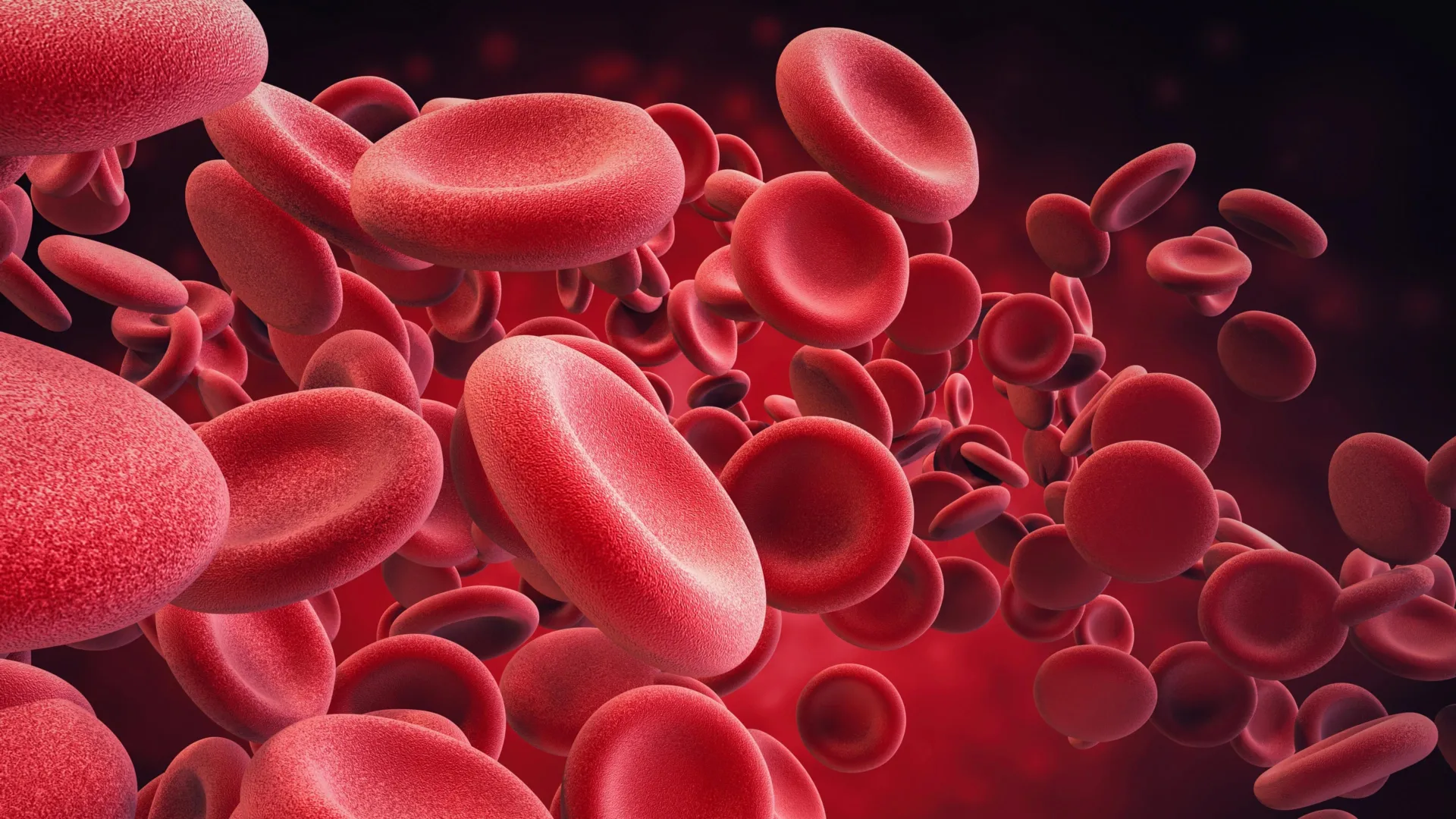
Previous scientific investigations had already identified a correlation between ultramarathon participation and the breakdown of healthy red blood cells during competitive events, a phenomenon that could precipitate the development of anemia. However, the underlying mechanisms driving this cellular attrition had not been fully elucidated. The current research, however, has pinpointed a key factor: a demonstrable reduction in the flexibility of red blood cells following prolonged races. This decreased pliability is particularly concerning because red blood cells are tasked with navigating the intricate network of the body’s circulatory system, including remarkably narrow capillaries, to efficiently deliver oxygen to tissues and remove metabolic waste products. An impairment in their ability to deform and pass through these constricted vessels could significantly hinder their functional efficacy. Furthermore, the research team has succeeded in constructing the most detailed molecular profile to date, illustrating the specific ways in which extreme endurance events impact the composition and structure of red blood cells.
"Engaging in activities of this magnitude can trigger widespread inflammation throughout the body, concurrently leading to damage within red blood cells," stated Travis Nemkov, PhD, the lead author of the study and an associate professor in the department of biochemistry and molecular genetics at the University of Colorado Anschutz. "While our current data does not provide definitive recommendations for or against participation in such events, it unequivocally demonstrates that the persistent physiological stress associated with these activities results in damage to the body’s most abundant cell type."
To thoroughly investigate these profound effects, the research team meticulously measured various biomarkers indicative of red blood cell health both prior to and immediately following athletes’ participation in two exceptionally challenging races: the Martigny-Combes à Chamonix race, spanning approximately 40 kilometers (roughly 25 miles), and the Ultra Trail de Mont Blanc race, a formidable 171-kilometer (approximately 106 miles) endeavor. Red blood cells, the critical carriers of oxygen and essential transporters of waste products, rely heavily on their intrinsic ability to flex and adapt their shape to navigate the vascular system efficiently.
Blood samples were systematically collected from a cohort of 23 runners at two distinct junctures: immediately before the commencement of their respective races and again upon their completion. The subsequent comprehensive analysis involved scrutinizing thousands of proteins, lipids, metabolites, and trace elements present in both the plasma and within the red blood cells themselves. The findings consistently revealed compelling evidence of cellular injury stemming from a dual etiology: mechanical forces and molecular alterations. The mechanical stress is hypothesized to arise from the dynamic shifts in fluid pressure that occur within the circulatory system during periods of intense physical exertion. Concurrently, the observed molecular damage appears to be intrinsically linked to inflammatory responses and oxidative stress, a physiological state characterized by an imbalance where the body’s antioxidant defenses are insufficient to counteract the proliferation of reactive molecules that can inflict damage upon cellular DNA and other vital cellular components.
A clear dose-response relationship emerged from the data, indicating that the signs of accelerated cellular aging and heightened red blood cell breakdown were detectable even after the 40-kilometer race. This phenomenon was found to be significantly more pronounced among the athletes who undertook the considerably longer and more arduous 171-kilometer event. Extrapolating from these observations, the researchers posit that the cumulative physiological burden imposed by longer ultramarathon distances likely leads to a greater depletion of red blood cells and more extensive damage to those that remain in circulation.
"There appears to be a discernible threshold, somewhere between standard marathon distances and ultramarathon lengths, where this cellular damage begins to manifest significantly," commented Dr. Nemkov. "We have successfully documented the occurrence of this damage, but critical questions remain regarding the timeframe required for the body to fully repair such cellular injuries, whether these enduring damages exert any long-term physiological consequences, and if such consequences are ultimately beneficial or detrimental to health."
The researchers express optimism that with further dedicated research, these groundbreaking findings could pave the way for the development of more personalized and effective training regimens, refined nutritional strategies, and optimized recovery protocols designed to enhance athletic performance while concurrently mitigating the potential adverse effects associated with extreme endurance exercise. Beyond the realm of sports science, this work holds significant promise for broader medical applications. The viability of stored blood intended for transfusions is inherently limited, with cells beginning to degrade after several weeks and ultimately being rendered unusable by U.S. Food and Drug Administration regulations after a six-week period. A deeper understanding of how intense physiological stress impacts red blood cells could offer invaluable insights that inform and improve current blood storage practices.
"Red blood cells are remarkably resilient biological entities, yet they also exhibit a profound sensitivity to mechanical forces and oxidative challenges," observed Angelo D’Alessandro, PhD, a co-author of the study, professor at the University of Colorado Anschutz, and a distinguished member of the Hall of Fame of the Association for Blood and Biotherapies. "This study vividly illustrates that extreme endurance exercise actively pushes red blood cells towards a state of accelerated aging through pathways that bear striking resemblance to the degenerative processes observed during blood storage. By elucidating these shared molecular mechanisms, we gain a unique and invaluable opportunity to explore innovative strategies for better safeguarding red blood cell function, not only in the context of athletic performance but also within the critical field of transfusion medicine."
The investigators acknowledge certain limitations inherent in the current research, including the relatively small sample size of participants and a lack of racial diversity within the study group. Furthermore, blood samples were collected at only two specific time points, which may not capture the full temporal dynamics of cellular changes. To address these limitations and advance the scientific understanding, the research team has outlined plans for future studies that will encompass a larger and more diverse participant pool, incorporate a greater number of blood sample collections throughout and after races, and involve more granular measurements of cellular markers. An additional focus of their ongoing research will be to investigate novel methodologies and interventions aimed at extending the functional lifespan of stored blood.
About the Author