Ketchup, a condiment so deeply ingrained in culinary traditions worldwide, often transcends its simple role as a topping to become a subject of fierce brand loyalty and personal preference. From the classic accompaniment to a plate of crispy fries to a secret ingredient in cherished family recipes, this tomato-based sauce holds a unique position on tables across diverse cultures. While some individuals might indiscriminately reach for any available bottle, a significant segment of consumers exhibits a profound discernment, elevating the choice of ketchup to an art form. This examination delves into the preferences of discerning shoppers and diners, revealing the top seven brands that command widespread adoration and dissecting the underlying factors contributing to their esteemed status.

The journey of ketchup is a fascinating one, evolving from its ancient Asian origins as a fermented fish sauce (kê-chiap) to the sweet and tangy tomato-based staple we recognize today. Its widespread adoption in the Western world, particularly in North America, transformed it into an indispensable pantry item. Today, the global ketchup market is a multi-billion dollar industry, characterized by intense competition and continuous innovation. Understanding what drives consumer allegiance in such a saturated market requires looking beyond mere taste to encompass brand heritage, ingredient philosophy, perceived quality, and even emotional connections.
A "premium" ketchup, as perceived by consumers, is not merely about a pleasant taste; it embodies a harmonious balance of several sensory and conceptual elements. The ideal flavor profile typically strikes a delicate equilibrium between sweetness, acidity from vinegar, the inherent umami of ripe tomatoes, and subtle notes of spices like allspice, cloves, or cayenne pepper. Texture and consistency are equally crucial, with many preferring a smooth, moderately thick sauce that adheres well to food without being overly viscous or watery. Furthermore, the quality of ingredients, particularly the source and ripeness of the tomatoes, and the type of sweetener used (e.g., high-fructose corn syrup versus cane sugar), play a significant role in shaping consumer perceptions and choices. The rise of organic and natural food movements has also introduced new criteria for evaluation, pushing brands to innovate their formulations.
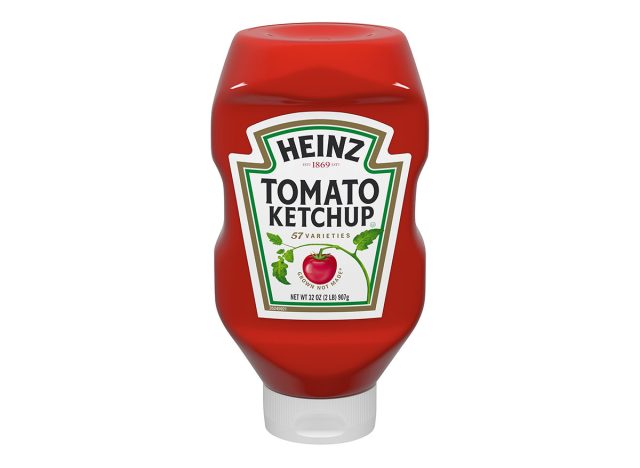
At the forefront of the condiment world stands Heinz Tomato Ketchup, a name synonymous with the product itself for many. With a legacy spanning over a century and a half, originating in Pittsburgh, Pennsylvania, Heinz has cemented its position as an undisputed market leader. Its signature flavor profile, often described as rich, classic, and impeccably balanced, has cultivated a global following. For many, the distinctive taste of Heinz is the benchmark against which all other ketchups are measured. Enthusiastic consumers frequently express a deep-seated loyalty, often referring to it with reverence, likening it to a "champagne" among condiments for its consistent quality and iconic status. This brand loyalty is particularly strong in its region of origin, where its heritage is a source of local pride. The company’s vast distribution network ensures its presence in nearly every grocery store and restaurant, making it the default choice for millions worldwide.
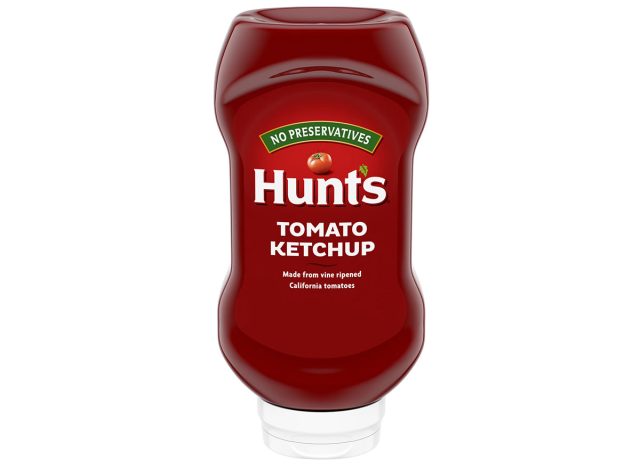
Challenging the long-reigning titan in the mainstream market is Hunt’s Ketchup, another widely recognized brand that has garnered a dedicated following. Positioned as a strong competitor, Hunt’s offers a distinct flavor profile that appeals to a different segment of the consumer base. Many consumers note its slightly sweeter character compared to Heinz, a nuance that defines their preference. This difference in sweetness often sparks lively debates among ketchup aficionados, highlighting how subtle variations can create divergent loyalties. Hunt’s emphasizes its use of vine-ripened tomatoes, aiming for a fresh, robust tomato flavor that underpins its unique appeal. Its pervasive presence in supermarkets across the country underscores its status as a classic American condiment.
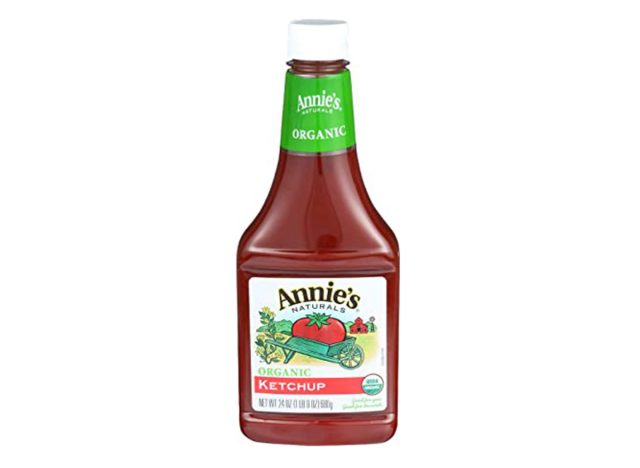
Responding to the growing consumer demand for more natural and wholesome food options, Annie’s Organic Ketchup has carved out a significant niche. This brand caters specifically to individuals prioritizing organic ingredients and a cleaner label. Made with certified organic tomatoes and often avoiding high-fructose corn syrup in favor of more natural sweeteners, Annie’s offers a product that aligns with health-conscious lifestyles. Its "clean taste" is frequently praised, suggesting a less artificial and more authentic tomato flavor. Consumers appreciate its versatility, noting its ability to elevate everyday dishes, transforming simple meals like meatloaf into something more gourmet. Annie’s success reflects a broader trend in the food industry towards transparency and ingredient integrity.
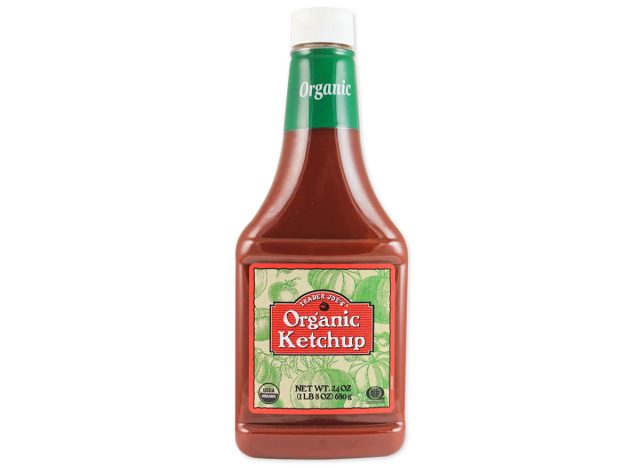
The private-label market has also seen the emergence of highly regarded ketchup offerings, with Trader Joe’s Ketchup standing out as a notable favorite. Trader Joe’s, known for its curated selection of unique and often organic products at competitive prices, has successfully applied this philosophy to its ketchup. Shoppers frequently express surprise at the quality of this store-brand option, highlighting its unexpectedly robust flavor and often organic formulation. The brand leverages the strong loyalty its parent company inspires, attracting consumers who trust Trader Joe’s commitment to quality and value. Its popularity within the brand’s devoted customer base demonstrates that proprietary labels can effectively compete with established national brands by focusing on quality and unique ingredient sourcing.
Another compelling example from the private-label sector is Burman’s Ketchup, primarily found at Aldi. This brand has gained considerable traction due to its remarkable similarity in taste and texture to leading national brands, often at a more accessible price point. A fascinating aspect of Burman’s appeal is the widely circulated theory among consumers that it may be produced by the same manufacturers as some top-tier brands, potentially even Heinz, albeit with a slightly modified recipe. This speculation, while unconfirmed by the companies, contributes to its allure, suggesting a high-quality product without the premium brand price. Shoppers consistently recommend Burman’s as a viable, high-quality alternative, particularly praising its organic variant for closely mirroring the flavor profile of more expensive options. This phenomenon underscores the increasing sophistication of private-label offerings and their ability to capture market share based on perceived value and quality.
For those with a penchant for gourmet condiments, Rao’s Ketchup Roma Tomato represents an elevated experience. Rao’s, a brand celebrated for its high-quality Italian food products, extends its commitment to premium ingredients and authentic flavors to its ketchup. Crafted with Roma tomatoes, known for their rich, sweet, and less watery flesh, this ketchup offers a distinctive taste that discerning palates appreciate. Consumers who opt for Rao’s are typically willing to invest in a higher-priced product for what they describe as a superior, "mind-blowing" flavor. This brand embodies the trend of "premiumization" in the condiment aisle, where consumers seek out artisanal or specialty versions of everyday items, valuing craftsmanship and unique flavor profiles over mass-market ubiquity.
Venturing into the realm of artisanal and regional offerings, Portland Ketchup has captivated a loyal following, particularly among those who prioritize local sourcing and unique flavor profiles. This smaller, independent brand from Portland, Oregon, is celebrated for its distinctive taste, which many describe as a refreshing departure from the conventional sweetness found in larger commercial brands. Its commitment to organic ingredients further enhances its appeal to a segment of consumers who value sustainable and ethically produced food items. The brand’s limited availability in widespread retail channels has not deterred its enthusiasts, with many willing to order directly from the manufacturer to ensure access to what they consider the "best ketchup ever tasted." Portland Ketchup exemplifies the growing demand for craft condiments that offer a sense of place, a unique story, and a commitment to quality ingredients that resonate with specific consumer values.
The collective preferences of consumers, as highlighted by these top brands, paint a vivid picture of a dynamic market where tradition, innovation, health consciousness, and a desire for unique flavors all play significant roles. From the unwavering loyalty to established giants like Heinz to the burgeoning appreciation for organic, private-label, and artisanal options, the ketchup aisle is far from static. Shoppers are increasingly informed and discerning, using their purchasing power to support brands that align with their values, taste preferences, and budgetary considerations. As the culinary landscape continues to evolve, so too will the humble yet mighty ketchup, adapting to new trends while retaining its fundamental appeal as a beloved culinary enhancer.
About the Author