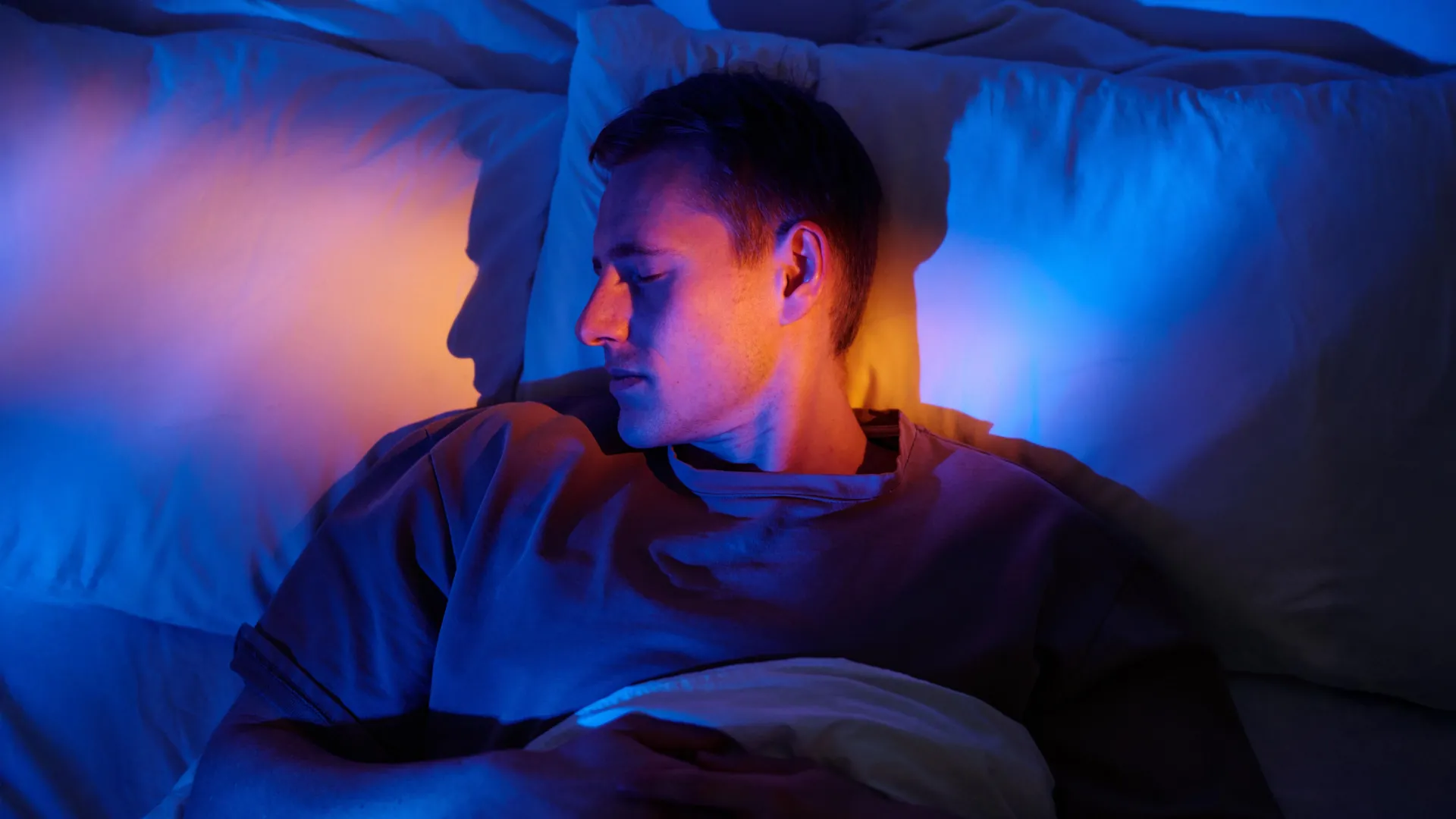
For countless individuals seeking respite from insomnia or environmental disturbances, the gentle hum of a sound machine, often emitting ‘pink noise,’ has become a ubiquitous nightly ritual, widely perceived as a benign pathway to deeper slumber. Yet, groundbreaking research emerging from the University of Pennsylvania Perelman School of Medicine now challenges this pervasive belief, suggesting that these auditory sleep aids, far from enhancing rest, could inadvertently disrupt the most critical stages of sleep. Published in the esteemed journal Sleep, the study’s findings indicate that continuous broadband noise, exemplified by pink noise, significantly curtails Rapid Eye Movement (REM) sleep and impairs overall sleep recovery, raising profound questions about a multi-million-dollar industry built on the promise of better rest. In stark contrast to the effects of artificial sound, the simple, passive intervention of wearing earplugs demonstrated superior efficacy in shielding sleep from intrusive environmental noise, such as traffic.
This paradigm-shifting discovery arrives at a time when the global sleep wellness market is experiencing unprecedented growth, fueled by technological advancements and heightened public awareness of sleep’s importance. Millions worldwide routinely integrate sound machines and dedicated sleep applications, which often generate continuous background noise, into their nightly routines. Platforms like Spotify record millions of hours of daily listening for white noise and ambient podcasts, while popular YouTube videos featuring "white noise" accumulate hundreds of millions of views. This widespread adoption, however, has largely outpaced rigorous scientific inquiry into the long-term physiological and neurological impacts of such constant auditory stimulation during sleep. The Penn research directly confronts this knowledge gap, urging a critical reevaluation of practices commonly held to be beneficial.
Dr. Mathias Basner, a professor of Sleep and Chronobiology in Psychiatry and the lead author of this pivotal study, underscored the particular significance of REM sleep. "REM sleep is fundamental for vital cognitive functions such as memory consolidation, emotional regulation, and crucial brain development," Dr. Basner explained. "Our observations therefore suggest that the sustained application of pink noise and similar forms of broadband noise throughout the sleep cycle could carry detrimental consequences, particularly concerning children. Their developing brains are especially reliant on REM sleep, a stage they experience for substantially longer durations than adults." This cautionary note extends to parents who frequently position sound devices near infants and toddlers, aiming to facilitate sleep.
To investigate the intricate interplay between noise and sleep architecture, Dr. Basner’s research team meticulously monitored twenty-five healthy adult volunteers, ranging in age from 21 to 41. Participants were carefully selected to exclude those with pre-existing sleep disorders or a history of regular sound-based sleep aids, ensuring that their natural sleep patterns formed a baseline. The study unfolded over seven consecutive nights within a highly controlled sleep laboratory environment, a setting designed to eliminate external variables and provide consistent eight-hour sleep opportunities. This rigorous experimental design allowed researchers to precisely measure physiological responses to various auditory conditions without confounding factors.
Throughout the study period, participants experienced several distinct nocturnal scenarios. These included exposure to simulated aircraft noise, an environment often cited as a common sleep disruptor; nights with only pink noise; a combined exposure of both aircraft noise and pink noise; and, critically, nights where participants were exposed to aircraft noise while wearing earplugs. Each morning following their sleep opportunity, participants engaged in a battery of cognitive tests and completed comprehensive questionnaires. These assessments were specifically designed to gauge subjective sleep quality, levels of alertness, and any other health-related effects, providing both objective and self-reported data on their sleep experiences.
Understanding the profound importance of the different sleep stages is crucial to appreciating the study’s implications. A typical night’s sleep is not a monolithic state but a dynamic progression through several distinct phases, primarily categorized into Non-Rapid Eye Movement (NREM) sleep and Rapid Eye Movement (REM) sleep. NREM sleep itself comprises stages N1, N2, and N3, with N3 being the deepest and most restorative stage, often referred to as "slow-wave sleep." During N3, the brain undergoes crucial processes such as physical recovery, the consolidation of declarative memories (facts and events), and the critical clearance of metabolic waste products, including amyloid-beta proteins, which are implicated in neurodegenerative diseases.
Following periods of NREM sleep, the brain transitions into REM sleep, famously associated with vivid dreaming. Beyond its role in dreams, REM sleep is indispensable for emotional processing, the fine-tuning of motor skills, and the foundational development and maturation of brain structures. For children, particularly infants and toddlers, REM sleep constitutes a significantly larger proportion of their total sleep time, underscoring its pivotal role in their rapid cognitive and neurological growth. The harmonious cycling and adequate duration of both deep NREM (N3) and REM sleep are absolutely essential for individuals to awaken feeling mentally refreshed, emotionally balanced, and physically rejuvenated, ready to tackle the demands of the day.
The study also provided a detailed clarification of "pink noise" and its broader category, "broadband noise." Broadband noise refers to continuous sound that encompasses a wide spectrum of frequencies, characterized by a steady, often static-like quality. While pink noise is a prominent example, this category also includes more widely known "white noise," along with other variations such as brown and blue noise. The distinction between these "colors" of noise lies in how their sound energy is distributed across the audible frequency spectrum. White noise, for instance, distributes energy equally across all frequencies, often perceived as a harsh hiss. Pink noise, by contrast, has more energy in the lower frequencies, giving it a softer, "flatter" sound, often compared to natural phenomena like rainfall or ocean waves. Common household appliances, such as fans and air conditioning units, also inadvertently produce broadband noise.
The quantitative findings from the University of Pennsylvania study delivered compelling evidence. Compared to undisturbed nights, exposure to aircraft noise alone resulted in an average reduction of approximately 23 minutes of N3 (deep) sleep per night. This significant disruption to the most restorative sleep stage was, however, largely mitigated when participants wore earplugs, highlighting their protective capacity. More strikingly, pink noise, when played in isolation at a moderate level of 50 decibels—comparable to the gentle patter of "moderate rainfall"—was directly associated with a nearly 19-minute reduction in REM sleep.
The detrimental effects became even more pronounced and complex when pink noise was introduced in combination with aircraft noise. In these dual-noise scenarios, participants experienced a significant curtailment of both deep NREM sleep and REM sleep. Furthermore, they spent an additional 15 minutes awake during the night, a noteworthy increase in wakefulness that was not observed when participants were exposed to either aircraft noise or pink noise individually. This suggests a potential synergistic or compounding negative effect when multiple sources of broadband noise are present. Beyond these objective measurements, participants also reported a subjective decline in sleep quality, perceiving their sleep as lighter, experiencing more frequent awakenings, and generally feeling less restored after nights exposed to either aircraft noise or pink noise. Encouragingly, these negative subjective experiences were largely absent when earplugs were utilized, aligning with the objective findings.
These robust findings carry profound implications for millions of individuals who habitually rely on continuous background noise as a sleep aid. The research strongly corroborates the efficacy of earplugs, a simple, non-pharmacological intervention already employed by up to 16 percent of Americans to improve their sleep. Simultaneously, the study illuminates a critical need for more extensive and thorough investigation into the long-term health consequences of broadband noise, including white noise and other variations, especially given their pervasive marketing and widespread use as sleep-promoting tools.
The clinical relevance of disrupted REM sleep is well-established, with its disturbance frequently observed in a range of debilitating conditions, including major depression, anxiety disorders, and neurodegenerative diseases like Parkinson’s disease. Dr. Basner reiterated his concern for younger populations, emphasizing that children’s heightened proportion of REM sleep makes them uniquely susceptible to its disruption. Despite this physiological vulnerability, it remains a common practice for many parents to place sound machines in the vicinity of newborns and toddlers, often with the benevolent intention of promoting sleep onset and maintenance.
In light of these comprehensive findings, Dr. Basner articulated a clear cautionary message: "Overall, our study’s outcomes advise against the routine use of broadband noise, particularly in the delicate developmental stages of newborns and toddlers. There is an undeniable imperative for more extensive research focused on vulnerable populations, the cumulative effects of long-term exposure, the nuanced differences across various ‘colors’ of broadband noise, and the establishment of safe noise levels in relation to sleep architecture." This research, funded by the U.S. Federal Aviation Administration Office of Environment and Energy through ASCENT, the FAA Center of Excellence for Alternative Jet Fuels and the Environment, project 86 (FAA Award Number 13-C-AJFE-UPENN), under the supervision of Susumu Shirayama, emphasizes that the opinions, findings, conclusions, or recommendations expressed are solely those of the investigators and do not necessarily reflect the official views of the FAA. The study marks a pivotal moment, urging both the public and the scientific community to reconsider deeply ingrained assumptions about auditory sleep aids and to prioritize evidence-based approaches to sleep wellness.
About the Author