As women navigate the physiological shifts that accompany midlife and beyond, maintaining robust physical health becomes increasingly vital, extending far beyond mere aesthetic considerations. The natural aging process often brings about sarcopenia, a progressive loss of muscle mass and strength, which can significantly impact functional independence, metabolic health, and overall quality of life. While concerns about diminished upper arm firmness—often colloquially referred to as "arm flab"—are common, they frequently signal deeper underlying issues related to compromised shoulder girdle stability, insufficient upper back support for posture, and a general decline in integrated muscular tension during daily activities. Addressing these challenges requires a thoughtful, consistent approach to exercise that prioritizes functional strength, neuromuscular control, and sustained engagement over isolated, high-impact routines.
For individuals over the age of 55, a sedentary lifestyle or even traditional exercise modalities that rely heavily on momentum or seated support can inadvertently exacerbate these issues, failing to adequately stimulate the intricate network of muscles responsible for dynamic stability and sustained tone. The key to cultivating resilient, defined upper arms lies in re-educating the body’s neuromotor pathways to maintain active muscle engagement throughout the day, not just during dedicated workout sessions. This paradigm shift emphasizes light resistance, deliberate and controlled movement tempos, and exercises that inherently reinforce proper posture. By focusing on increasing the "time under tension" for target muscle groups, individuals can stimulate muscle adaptation and growth more effectively, often with less stress on joints compared to heavier lifting protocols. When the muscles of the arms work synergistically with the core and the supportive structures of the upper back, a noticeable improvement in both definition and functional strength can be achieved more rapidly.
The following four exercises are meticulously designed to target the triceps, shoulders, and upper back musculature, while simultaneously instilling superior postural awareness and kinetic control. When incorporated consistently into a daily routine, these movements transcend the immediate workout benefits, actively retraining how the arms contribute to and support various movements throughout one’s day, thereby fostering long-term firmness and operational capability.
1. The Controlled Triceps Extension and Push-Back
This particular movement is exceptionally effective at isolating the triceps brachii, the primary muscle group responsible for extending the elbow, while simultaneously demanding stable engagement from the shoulder girdle and an upright torso. A frequent pitfall in many arm-focused exercises is the tendency for the shoulders to drift anteriorly, thereby displacing the intended muscular tension away from the posterior aspect of the upper arm and onto less desirable areas. The unique push-back pattern inherent in this exercise necessitates that the elbows remain closely aligned with the body’s midline, ensuring that the triceps are continuously loaded and actively engaged throughout the full arc of motion.
Executing each repetition with a slow, deliberate cadence is paramount, as this significantly prolongs the time that the muscle fibers are under tension. This sustained engagement has been demonstrated to be particularly beneficial for aging musculature, which often responds more favorably to extended periods of moderate contractile force rather than brief bursts of heavy load. Furthermore, performing this exercise from a standing position introduces an additional demand for core and postural stabilization, an element that contributes profoundly to both observable firmness and enhanced overall bodily control. This exercise not only sculpts the triceps but also reinforces the muscular pathways used in everyday pushing actions, such as opening a door or pushing a cart. To maximize benefits, maintain a slight hinge at the hips, keeping the back flat and core engaged, and focus on squeezing the triceps at the peak of the extension. Avoid swinging the arms or using momentum; the movement should be controlled and purposeful.
2. Sustained Isometric Arm Elevation
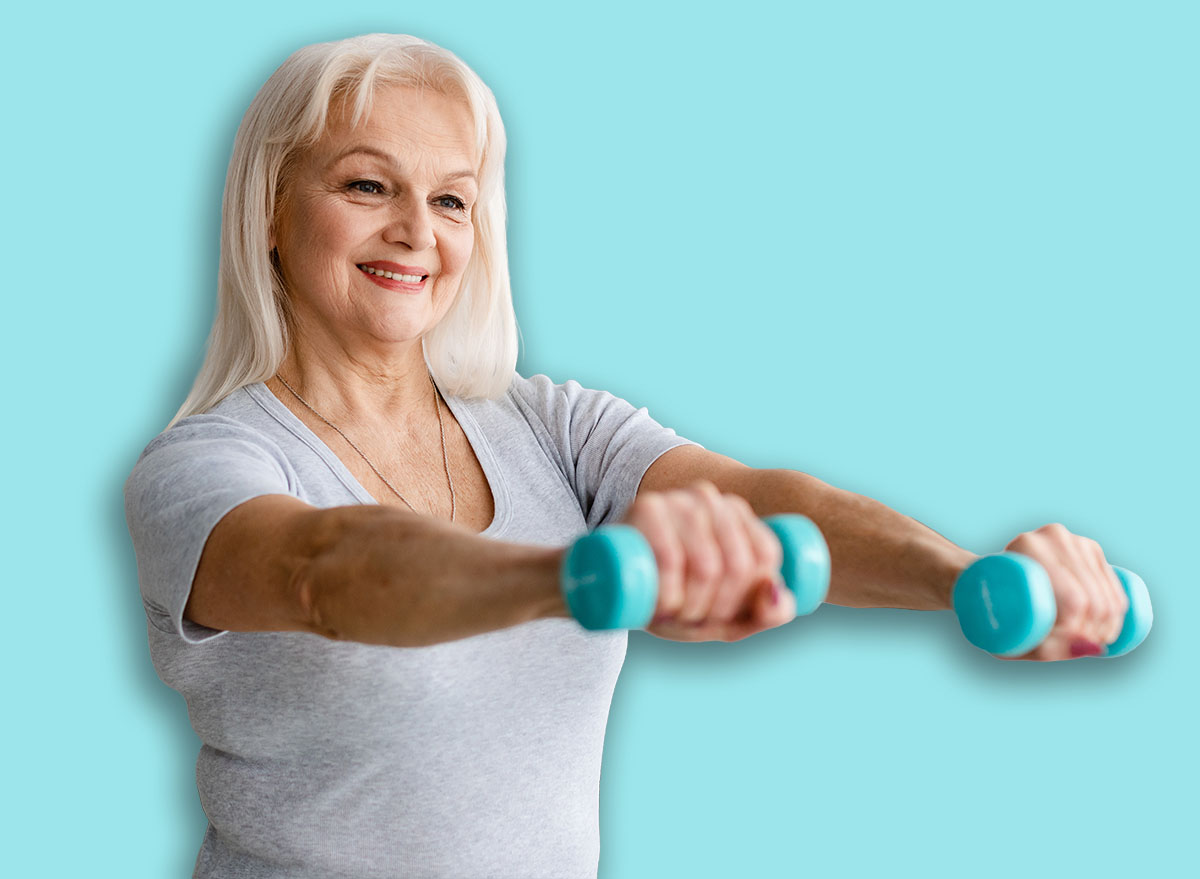
The practice of static holds, or isometric contractions, represents a powerful methodology for enhancing muscular tone and endurance by mandating continuous engagement of the target tissues without dynamic movement. This specific arm elevation hold presents a formidable challenge to the anterior and lateral deltoids (shoulder muscles) and the deeper muscles of the upper arm, while simultaneously requiring the upper back musculature—including the rhomboids and trapezius—to work strenuously in maintaining proper spinal alignment and shoulder girdle stability. The absence of movement in an isometric exercise immediately highlights any areas of weakness, compelling the muscles to respond and adapt by increasing their sustained strength.
Positioning the arms in an elevated hold just below shoulder height optimizes the tension placed upon the muscles, achieving maximum contractile force without imposing undue stress on the shoulder and elbow joints. This prolonged, static engagement has proven to be a highly efficient method for improving muscular firmness and augmenting local muscular endurance, often yielding results more rapidly than high-repetition dynamic lifting. Functionally, this exercise translates directly to improved capacity for sustained overhead tasks, such as reaching for items on a high shelf or carrying objects for extended periods. When performing this, focus on keeping the shoulders relaxed and down, away from the ears, and ensure the core is gently braced to prevent an arch in the lower back. The breath should remain even and steady, avoiding the Valsalva maneuver.
3. Dynamic Upward Pull with Scapular Retraction
This multifaceted exercise effectively integrates the strengthening of the upper arms with robust activation of the upper back, forming a critical synergistic combination essential for achieving comprehensive arm tone and improved posture. The controlled upward pulling motion, culminating in a deliberate squeeze, consciously shifts the primary emphasis away from the smaller wrist extensors and flexors and into the larger, more powerful muscles of the arms and shoulders, alongside the crucial postural muscles of the upper back. The concluding "squeeze" component is instrumental; it actively reinforces proper scapular retraction—the drawing together of the shoulder blades—which is a cornerstone of healthy shoulder mechanics and an upright posture.
Incorporating this movement into a daily regimen serves to re-educate the body on how the arms and upper back should function collaboratively during various pulling and lifting activities encountered throughout the day. This consistent reinforcement not only leads to enhanced firmness in the upper body but also cultivates improved functional strength without the necessity for excessively heavy loads, thereby reducing the risk of injury. This exercise mimics functional movements such as opening heavy doors, pulling items towards oneself, or lifting grocery bags. To execute correctly, initiate the pull by leading with the elbows, keeping them slightly higher than the hands, and ensure the "squeeze" is felt between the shoulder blades rather than just in the arms. Avoid shrugging the shoulders towards the ears and maintain a stable, engaged core throughout.
4. Extended Arm Reach with Triceps Engagement
The final exercise in this series offers a unique benefit by simultaneously promoting both the lengthening and the tightening of the upper arm musculature. The act of reaching while extending the arm demands continuous engagement from the triceps, ensuring they remain active throughout the movement, while the shoulders must provide stable support to guide and control the limb’s trajectory. Executing this pattern from a standing position further elevates the coordinative demands, compelling the entire kinetic chain to work in concert, thereby reinforcing functional arm strength that is directly transferable to everyday actions.
This specific movement pattern significantly enhances the capacity of the arms to maintain effective tension during common daily activities such as reaching for objects, lifting items from various heights, and carrying loads. This continuous, mindful engagement is a critical determinant in sustaining long-term arm firmness and functional prowess well into and past the age of 55. It cultivates a sense of controlled extension and retraction that is vital for preventing injuries and improving efficiency in movement. When performing this, focus on reaching as if extending to touch a distant object, feeling the triceps work to straighten the arm fully, and engaging the abdominal muscles to prevent any hyperextension or arching in the lower back. The movement should be fluid and controlled, not jerky.
Broader Lifestyle Considerations for Sustained Vitality
While targeted exercises form a foundational component, achieving and maintaining optimal upper body tone and overall vitality in midlife and beyond necessitates a holistic approach that integrates several key lifestyle factors.
Nutrition: Adequate protein intake is paramount for muscle protein synthesis and repair, counteracting age-related muscle loss. Incorporating lean proteins, such as poultry, fish, legumes, and dairy, into every meal supports muscle maintenance and growth. Furthermore, a diet rich in fruits, vegetables, and whole grains provides essential vitamins, minerals, and antioxidants crucial for cellular health and recovery, while sufficient calcium and vitamin D are vital for bone density, which is inherently linked to muscular health and injury prevention.
Hydration: Water is an often-overlooked nutrient critical for muscle function, joint lubrication, and overall metabolic processes. Dehydration can lead to fatigue, reduced exercise performance, and increased risk of injury. Aim for consistent water intake throughout the day, adjusting for activity levels and climate.
Sleep: Quality sleep is indispensable for muscle repair, hormonal balance, and cognitive function. During deep sleep cycles, the body releases growth hormone, which plays a crucial role in tissue regeneration. Prioritizing 7-9 hours of restorative sleep each night significantly aids in recovery from exercise and supports overall physical and mental well-being.
Professional Guidance: Consulting with healthcare providers, particularly a physician or a physical therapist, before embarking on any new exercise regimen is always advisable, especially for individuals with pre-existing health conditions or mobility concerns. Additionally, working with a certified personal trainer specializing in older adult fitness can provide tailored guidance, ensuring proper form, progressive overload, and injury prevention strategies.
Consistency vs. Intensity: For women over 55, consistent, moderate effort typically yields more sustainable results than sporadic, high-intensity bursts. The goal is long-term adherence and integration of physical activity into daily life, fostering a lifestyle of movement rather than viewing exercise as an isolated chore. Listening to one’s body, incorporating rest days, and making modifications as needed are crucial for avoiding overtraining and potential setbacks.
Reclaiming Confidence and Functional Independence
Embracing a proactive approach to physical fitness in the later stages of life is an empowering journey. By consistently integrating these targeted, functional exercises into daily routines, women over 55 can transcend superficial aesthetic concerns, reclaiming not only a more defined and resilient upper body but also significantly enhancing their overall functional independence and confidence. The benefits extend far beyond physical appearance, contributing to improved posture, reduced risk of falls, enhanced metabolic health, and a greater capacity to engage fully in life’s myriad activities. It is through this dedicated, holistic effort that true vitality and well-being are cultivated, allowing individuals to navigate their midlife and senior years with strength, grace, and enduring capability.
About the Author