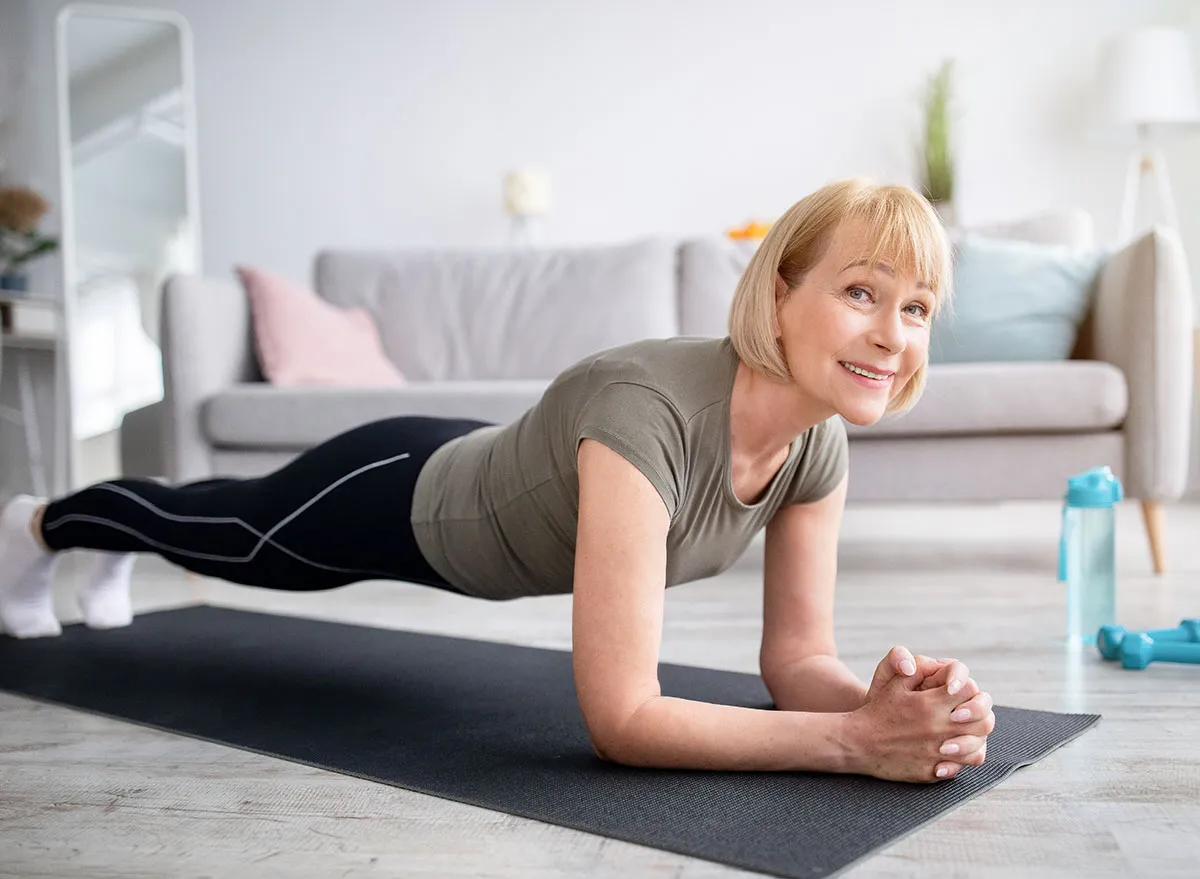
Maintaining robust physical independence and a high quality of life throughout the aging process is a universal aspiration, with the strength and stability of the body’s central musculature playing an unexpectedly critical role. Often overlooked or misunderstood, the "core" encompasses far more than just the superficial abdominal muscles; it is a sophisticated network of deep and superficial muscles, including the transverse abdominis, obliques, rectus abdominis, multifidus, erector spinae, pelvic floor, and diaphragm. This intricate system acts as the body’s powerhouse, serving as the foundation for virtually all movement, maintaining upright posture, safeguarding the spinal column, and facilitating everyday actions ranging from lifting groceries to simply rising from a chair. For many individuals transitioning into later life, there is a common misconception that their core health is either inherently adequate or an irreversible decline. This perspective frequently leads to a neglect of regular assessment, thereby missing crucial opportunities to evaluate and proactively strengthen this vital bodily region. Fortunately, a comprehensive evaluation of central strength and endurance does not necessitate specialized gym equipment or the direct supervision of a personal trainer. Accessible, functional tests can provide insightful indicators of one’s current core capacity and highlight areas for potential improvement, fostering greater stability and reducing injury risk.
The approach to evaluating core integrity undergoes a significant shift once individuals reach approximately 55 years of age. While younger populations might prioritize maximal strength and aesthetic abdominal definition, the focus for older adults pivots towards functional stability, muscular endurance, and proactive injury prevention. This reorientation is primarily driven by age-related physiological changes. A pervasive phenomenon known as sarcopenia, the progressive and generalized loss of skeletal muscle mass and strength, typically begins in the third decade of life and accelerates after 50. This decline directly impacts core muscle density and efficiency. Consequently, assessments in mature adults are less about raw power and more about the core’s ability to sustain control, support dynamic movements, and maintain balance, all of which are paramount for navigating daily activities (Activities of Daily Living, or ADLs), mitigating the risk of falls, and offering robust protection to the spine. Functional tests, therefore, become invaluable tools for gauging how effectively the core can contribute to overall mobility and autonomy.
To accurately gauge these critical aspects of core function, three specific positions have been identified as particularly effective for individuals over 55: the Modified Curl-Up, the Bird Dog, and the Modified Side Plank. These exercises are meticulously chosen for their capacity to target distinct facets of core stability and endurance without imposing excessive strain on the spine or other joints, making them suitable and safe for a diverse range of fitness levels within the older adult demographic.
1. The Modified Curl-Up: Assessing Anterior Core Endurance
Distinct from a traditional, full sit-up, the Modified Curl-Up is designed to isolate the rectus abdominis and obliques, emphasizing controlled abdominal engagement while minimizing hip flexor involvement and potential lumbar spine stress. To perform this assessment, begin by lying supine on a padded surface with one knee bent, foot flat on the floor, and the other leg extended straight. Position your hands, palms down, underneath the small of your lower back, providing tactile feedback to ensure the lumbar spine remains stable and slightly supported. The movement involves gently lifting only the head and shoulders off the ground, aiming for a point where the shoulder blades barely clear the floor. The key is to engage the abdominal muscles to initiate the lift, rather than straining the neck or using momentum. Hold this elevated position for as long as possible while maintaining impeccable form, ensuring the lower back does not arch away from the hands. This exercise directly assesses the endurance of the anterior core muscles, which are crucial for tasks like getting out of bed, maintaining an upright seated posture, and preventing excessive lumbar extension.
2. The Bird Dog: Evaluating Spinal Stability and Cross-Body Coordination
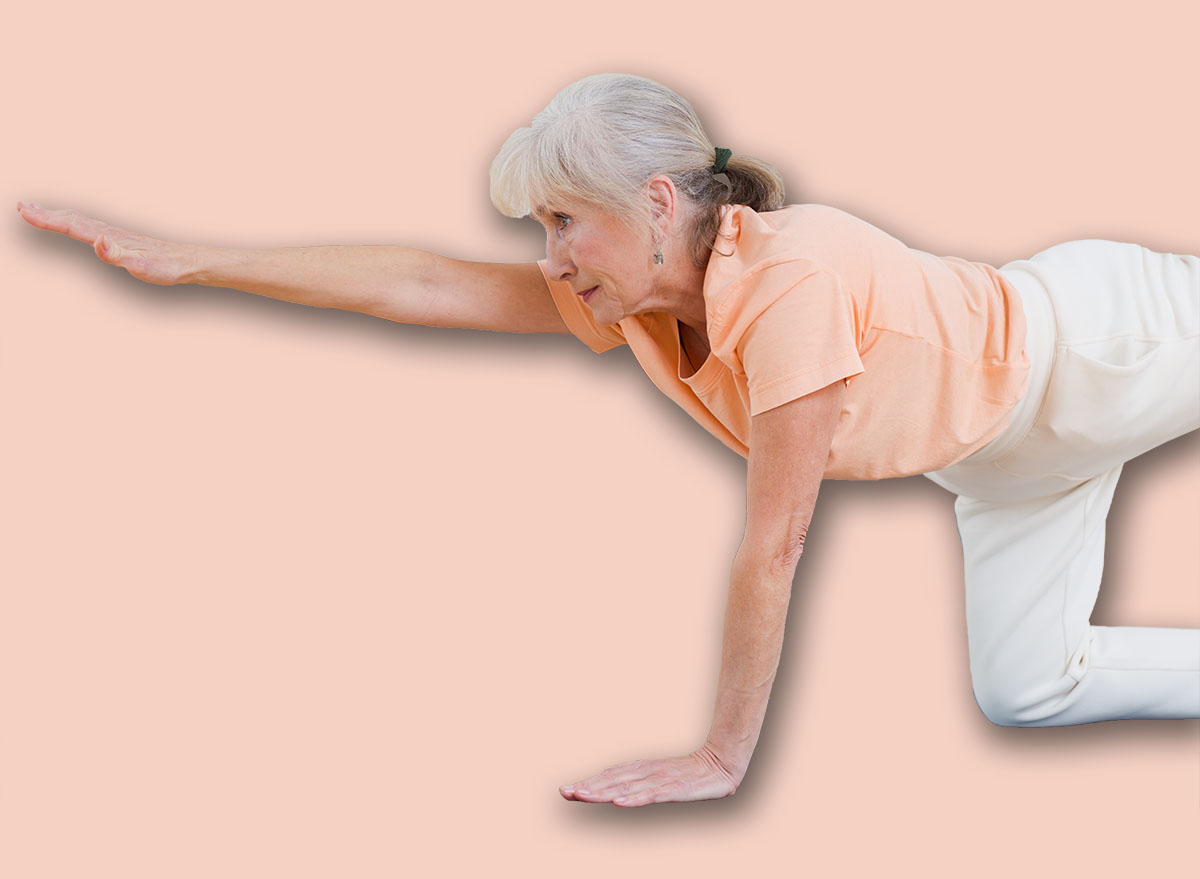
The Bird Dog is a fundamental exercise renowned for enhancing anti-rotational core stability, promoting spinal neutrality, and improving neuromuscular coordination across the body. Start on all fours, positioning your hands directly beneath your shoulders and your knees directly beneath your hips, ensuring your back forms a flat, neutral line, similar to a tabletop. The objective is to simultaneously extend one arm forward and the opposite leg backward, keeping both limbs parallel to the floor and maintaining a stable trunk. Throughout the movement, the paramount focus is on preventing any rotation or arching in the lower back. The core muscles, along with the glutes, must be actively engaged to stabilize the pelvis and spine. Imagine a glass of water balanced on your lower back that you mustn’t spill. Hold the extended position for as long as possible on each side, maintaining control and preventing any shift in your trunk. This assessment reveals your capacity for dynamic balance, core control during limb movement, and the coordination necessary for activities like reaching for objects, walking, and carrying loads without compromising spinal integrity.
3. The Modified Side Plank: Measuring Lateral Core Endurance
Lateral core stability, provided primarily by the oblique muscles, is indispensable for balance, walking, and preventing falls, particularly those caused by unexpected lateral shifts. The Modified Side Plank offers a safer, yet effective, way to assess this in older adults compared to the full plank. Begin by lying on your side with your knees bent at approximately a 90-degree angle. Your forearm should be placed on the floor, directly beneath your shoulder, with your elbow aligned. Engage your core and glutes, then lift your hips off the ground, creating a straight line from your head through your hips to your knees. Avoid allowing your hips to sag or rotate forward/backward. Hold this position for as long as possible, focusing on maintaining a rigid, stable torso. For those seeking a greater challenge and possessing adequate strength, extending the legs straight and supporting the body on the forearm and feet can be attempted, but the knee-bent variation is a suitable and recommended starting point for assessment. This test directly measures the endurance of the lateral core musculature, crucial for maintaining balance during single-leg stance, navigating uneven terrain, and executing rotational movements.

Prioritizing Safety and Professional Guidance
While these self-assessments are designed for accessibility, safety must remain the foremost consideration. Any testing should be immediately discontinued if sharp or unusual pain is experienced. It is crucial to distinguish between genuine pain and the expected sensation of muscle fatigue, which is a normal response to exertion. Furthermore, certain pre-existing conditions necessitate caution and, ideally, professional medical or physical therapy clearance before attempting these assessments. These include, but are not limited to, recent spinal surgery, chronic or acute low back pain, severe osteoporosis (which may increase fracture risk with certain movements), and uncontrolled hypertension.
General safety protocols should always be observed:
- Warm-up: Begin with a brief, gentle warm-up, such as light marching in place or arm circles, to prepare muscles and joints.
- Padded Surface: Perform exercises on a yoga mat or carpeted floor to provide cushioning and comfort.
- Breathing: Maintain continuous, natural breathing throughout each exercise. Avoid holding your breath (Valsalva maneuver), which can elevate blood pressure.
- Proper Form: Always prioritize correct technique over duration or repetition. If proper form cannot be maintained, conclude the test or revert to an easier modification.
Interpreting Your Core Health Profile
The results of these three assessments offer a clear snapshot of your core’s functional capabilities:
-
All Three Positions Successfully Held: This outcome is indicative of excellent core stability and endurance. It suggests a robust central musculature that provides exceptional support for daily functional activities, contributes to superior balance, and significantly reduces the risk of musculoskeletal injuries. This level of core health typically translates into greater ease and confidence in physical tasks.
-
One to Two Positions Successfully Held: Achieving this level signifies decent core endurance, but it may also highlight specific areas of imbalance or weakness within the core system. For instance, successfully holding the Modified Curl-Up but struggling with the Side Plank might indicate strong anterior core muscles but less developed lateral stability. Such imbalances are quite common and represent a clear opportunity for targeted training to achieve more comprehensive core strength. This is an encouraging starting point from which significant improvements can be made.
-
None of the Positions Successfully Held: This result should not be perceived as a failure, but rather as a valuable diagnostic starting point. It clearly identifies areas requiring immediate attention and offers a roadmap for safe, progressive training. It underscores the importance of foundational core work to build the necessary strength and endurance.
Regular re-testing, typically every 4 to 6 weeks, is highly recommended for individuals who are pain-free and not experiencing excessive post-workout soreness. This consistent evaluation allows for tracking progress, adjusting training regimens as strength improves, and maintaining motivation toward long-term core health goals.
Building Foundational Core Strength: Preparatory Exercises
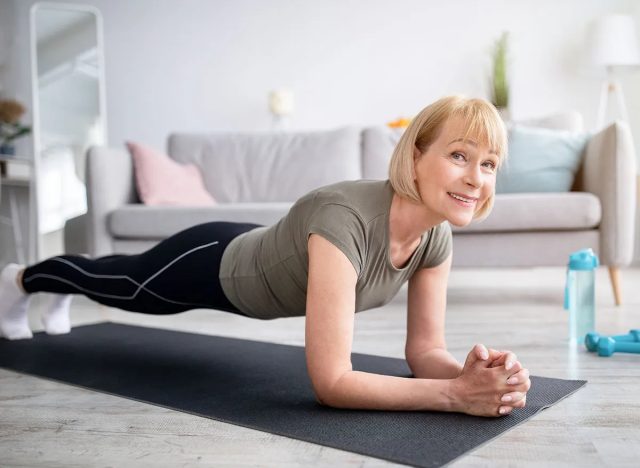
For those who find the initial three positions challenging, foundational exercises can serve as excellent preparatory steps to build the requisite strength and control. These modifications help isolate muscle groups and teach proper activation patterns:
-
For the Modified Curl-Up: Focus initially on simply engaging the abdominal muscles to gently press the lower back into the floor (pelvic tilt), or perform very small head lifts without lifting the shoulders. The goal is to feel the abdominal muscles working without straining the neck.
-
For the Bird Dog: A highly effective precursor is the Dead Bug exercise. Lie on your back with knees bent and feet flat. Lift your arms towards the ceiling. Slowly extend one arm overhead and the opposite leg towards the floor, keeping your lower back pressed firmly into the ground. Return to the starting position and alternate sides. This exercise teaches crucial anti-extension stability and core activation in a less challenging position. Alternatively, for the Bird Dog itself, practice extending only one arm or one leg at a time, ensuring spinal neutrality before attempting simultaneous limb movement.
-
For the Modified Side Plank: As described earlier, the version with bent knees is already a modification. For further ease, you can reduce the duration of the hold or perform a smaller lift of the hips, gradually increasing the range of motion and hold time as strength develops. Focus on maintaining a straight line from head to knees.
In conclusion, prioritizing core strength and stability is not merely about physical appearance but is a cornerstone of healthy aging, directly impacting an individual’s capacity for independent living, injury prevention, and overall well-being. By utilizing these accessible and functional core assessments, adults over 55 can gain valuable insights into their current physical state and embark on a targeted journey to enhance their central musculature. A strong, resilient core empowers individuals to move through life with greater confidence, improved balance, and sustained vitality, ensuring that the later decades of life are lived with maximum mobility and comfort.
About the Author