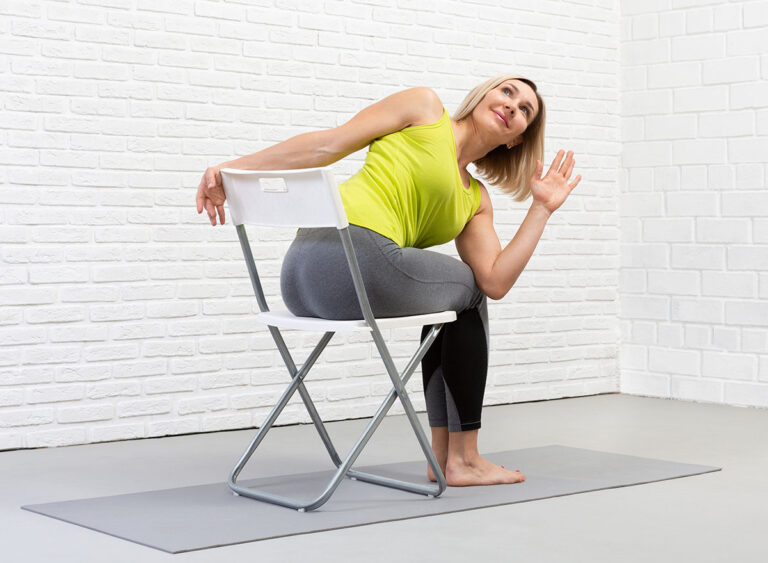
As individuals journey beyond their fifth decade, the focus on maintaining robust physical health often shifts, prioritizing functional capacity and sustained independence over purely aesthetic or peak performance metrics. A natural physiological process known as sarcopenia, characterized by the progressive loss of skeletal muscle mass and strength, typically accelerates after the age of 50. This decline is influenced by a confluence of factors, including hormonal shifts, a decelerated metabolism, and evolving lifestyle patterns. The ramifications extend beyond mere physical weakness, impacting balance, mobility, and overall quality of life, and significantly increasing the risk of falls and related injuries. Consequently, proactive strategies for preserving and cultivating strength become not just beneficial, but fundamentally critical for healthy aging.
While traditional gym environments offer a structured approach to fitness, an increasingly recognized and highly effective alternative for older adults lies in incorporating daily standing routines. These exercises, often requiring minimal to no equipment, leverage the body’s natural mechanics to foster holistic strength, improve balance, and enhance coordination in ways that directly translate to everyday activities. They represent a paradigm shift, moving away from isolated muscle group training towards integrated, weight-bearing movements that mirror real-world demands.
Arlena Bessard, a distinguished holistic health coach, licensed massage therapist, and fascia specialist with over two decades of experience in women’s integrative pain care, underscores the profound efficacy of this approach. "For adults navigating life after 50, consistent standing routines frequently prove more beneficial than conventional gym sessions," Bessard explains. "This is because they inherently train the body in its natural functional state—upright, harmonized, bearing weight, and interconnected." Bessard, who personally rebuilt her own strength and hormone balance post-40 and became a mother at 43, emphasizes the intuitive alignment of these routines with how the human body is designed to move and interact with its environment.
The fundamental advantage of standing workouts stems from their integrative nature. Unlike many gym exercises that target individual muscles in isolation, standing movements necessitate the synergistic engagement of multiple bodily systems. This includes not only major muscle groups but also the intricate network of joints, the pervasive fascial system, the delicate mechanisms of balance, the efficiency of lymphatic circulation, and the regulation of the nervous system. This comprehensive engagement is paramount for developing sustainable, resilient strength that supports the body’s complex functions as it ages. Moreover, the inherent accessibility and simplicity of these routines make them far easier to consistently integrate into a daily schedule. Bessard notes, "At this stage of life, consistency in movement often outweighs sporadic bursts of high intensity."
The physiological rationale behind prioritizing functional, standing-based exercises for older adults is compelling. As sarcopenia progresses, not only does muscle mass diminish, but muscle quality also degrades, impacting power output and endurance. The hormonal shifts associated with aging, such as reduced testosterone and growth hormone levels, contribute to this decline, alongside a general slowing of metabolic processes. Furthermore, many individuals adopt more sedentary lifestyles, inadvertently accelerating muscle atrophy. Standing routines directly counteract these trends by stimulating muscle protein synthesis, improving neuromuscular coordination, and enhancing overall musculoskeletal integrity. By engaging the core and legs—two areas vital for maintaining stability and mobility—these exercises address core weaknesses that often lead to balance issues and falls.
The following five foundational standing movements, recommended by Bessard, can be seamlessly incorporated into a daily regimen. They require no specialized gym equipment and can be performed comfortably at home, either barefoot to enhance proprioception or in supportive footwear. For optimal results, Bessard advises performing these exercises five to six days a week for sessions lasting between 15 and 30 minutes. She reiterates, "For busy professionals and older adults, frequent, shorter sessions consistently yield superior outcomes compared to infrequent, prolonged workouts."
1. The Sit-to-Stand Transition (Chair Squats)
This seemingly simple movement is a cornerstone of functional independence, directly mimicking one of the most fundamental daily actions: rising from a seated position. The Sit-to-Stand Transition actively engages the quadriceps, gluteal muscles, and the entire core musculature. It is a powerful exercise for building lower body strength and muscular endurance. Bessard highlights its critical importance, stating it is "one of the most vital movements for maintaining autonomy after 50."
To perform this exercise, begin by sitting on the edge of a sturdy chair with feet flat on the floor, hip-width apart. Lean slightly forward, engaging your core, and push through your heels to stand up completely without using your hands for support. Control the descent back to the chair, lightly tapping the seat before rising again. Focus on a smooth, controlled motion throughout, ensuring your knees track over your toes and your back remains straight. This movement not only strengthens the muscles responsible for standing but also cultivates the power needed for navigating stairs, walking, and maintaining an upright posture.
2. Standing Hip Hinges (Good Mornings)
The Standing Hip Hinge is an excellent exercise for strengthening the posterior chain—the muscles along the back of the body, including the lower back, hamstrings, and glutes. Crucially, it educates the body in the correct mechanics of safe bending, which is essential for protecting the spine during everyday tasks like lifting objects or tying shoes. Bessard emphasizes that "this exercise instills proper bending techniques and safeguards the spinal column."
To execute a Standing Hip Hinge, stand tall with feet shoulder-width apart, a slight bend in your knees. Place your hands lightly on your hips or across your chest. Initiate the movement by pushing your hips backward, allowing your torso to hinge forward at the hips while maintaining a neutral spine. You should feel a stretch in your hamstrings. Lower your torso until it is nearly parallel to the floor, or as far as comfort allows without rounding your back. Engage your glutes and hamstrings to return to the starting upright position. This movement is fundamental for developing a strong and resilient back, crucial for preventing injuries and supporting a wide range of daily activities.
3. Standing Push-Backs
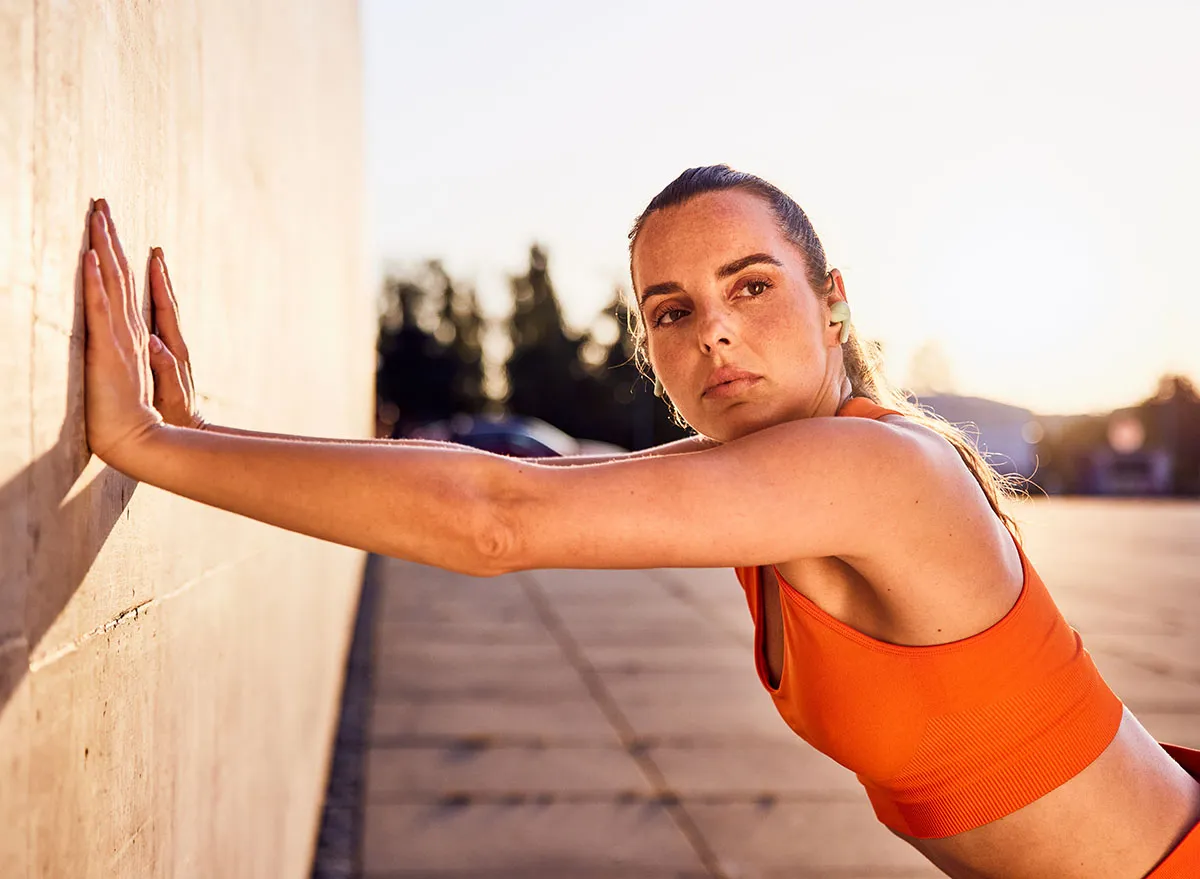
Standing Push-Backs offer an effective method for developing upper-body strength, particularly targeting the chest, triceps, and shoulders, without placing undue stress on the joints. This exercise is especially beneficial for improving functional strength related to pushing motions, such as opening heavy doors or pushing a shopping cart. It also contributes significantly to maintaining good posture.
To perform Standing Push-Backs, stand facing a wall or a sturdy counter at arm’s length. Place your hands on the surface slightly wider than shoulder-width apart. Keeping your body in a straight line from head to heels, bend your elbows to lower your chest towards the wall, feeling the engagement in your chest and triceps. Push back to the starting position, extending your arms fully. Control the movement both ways, focusing on engaging the specified muscle groups. This exercise builds foundational pushing strength, vital for daily tasks and maintaining upper body integrity.
4. Standing Rows (Band or Towel Pulls)
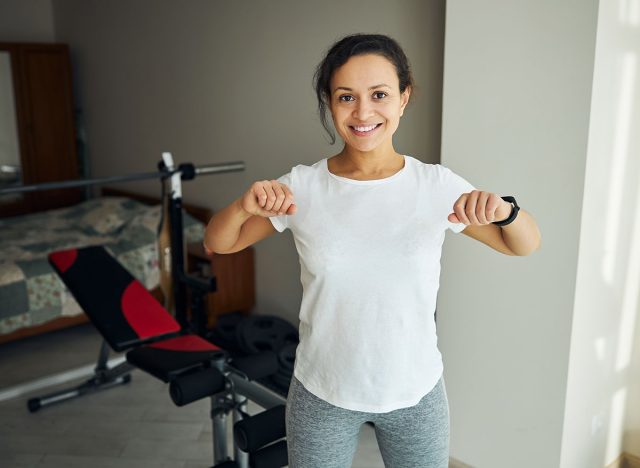
The Standing Row is an indispensable exercise for activating the postural muscles of the upper back and shoulders. It plays a pivotal role in promoting optimal breathing mechanics, correcting posture, and enhancing overall shoulder health. Many individuals spend extended periods hunched forward, leading to weak back muscles and poor posture. This exercise directly addresses these imbalances.
To perform Standing Rows, you can use a resistance band or a sturdy towel. Anchor a resistance band around a stable object at chest height, or simply hold a towel taut with both hands in front of you. Stand facing the anchor point (if using a band), or with arms extended forward (if using a towel). Pull the band or towel towards your chest, squeezing your shoulder blades together. Focus on initiating the movement from your back muscles rather than just your arms. Control the release back to the starting position. This movement strengthens the muscles responsible for pulling, which are essential for tasks like lifting groceries, carrying bags, and maintaining an upright, confident stance.
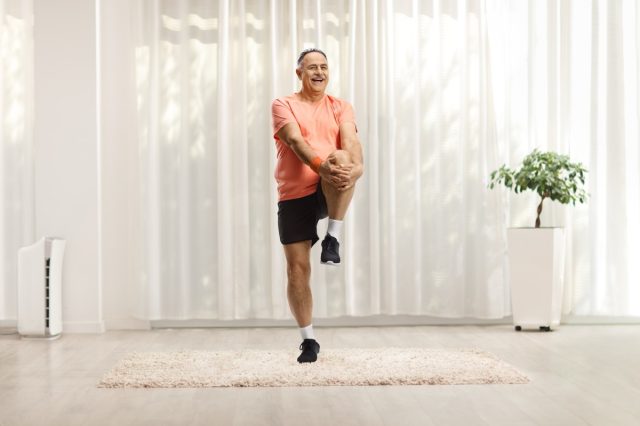
5. Standing Marches or Single-Leg Balance Holds
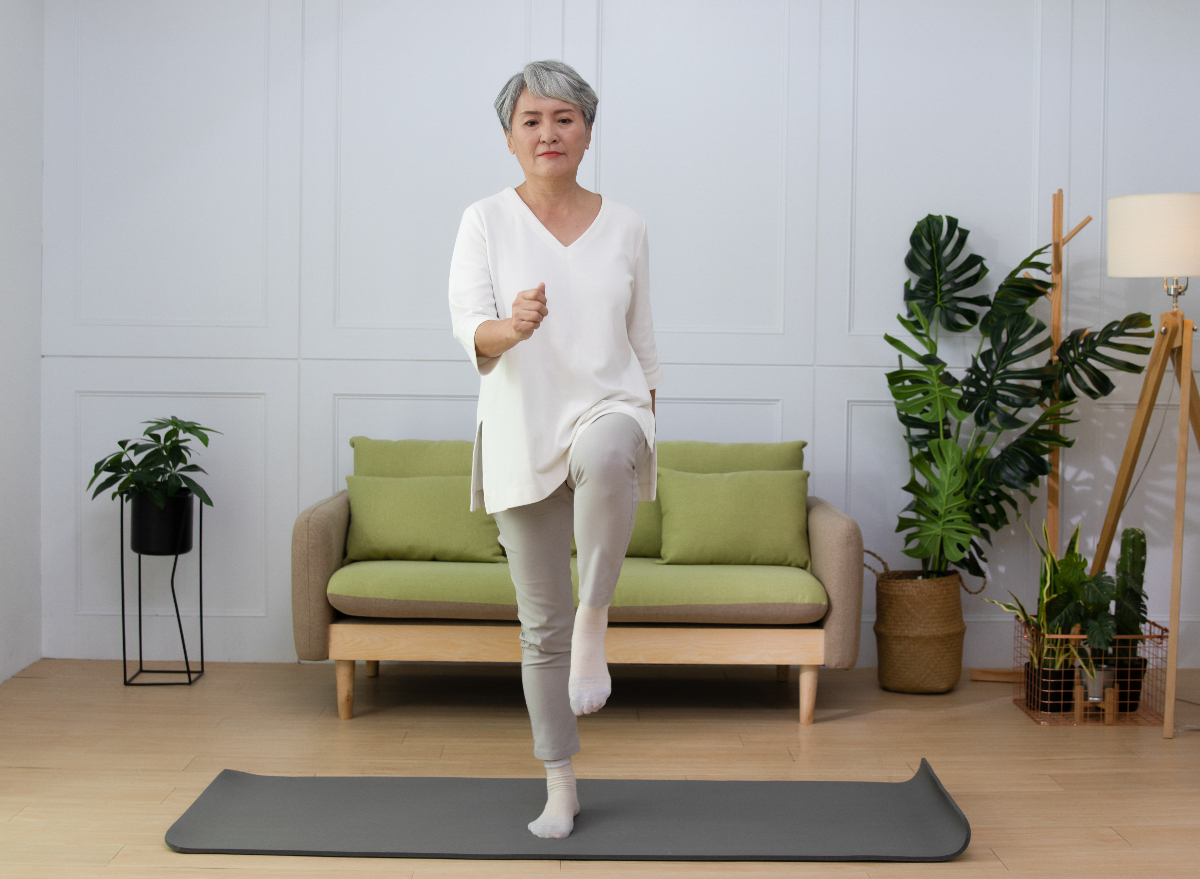
This category of exercises is profoundly impactful for enhancing balance, strengthening hip flexors, and cultivating core stability. Crucially, it directly contributes to fall prevention, a primary concern for older adults. Improved balance and proprioception are fundamental for navigating uneven surfaces, reacting to unexpected shifts, and maintaining confidence in movement.
For Standing Marches, stand tall with your feet hip-width apart. Slowly lift one knee towards your chest, maintaining balance and engaging your core. Lower the foot with control and repeat on the opposite side, moving in a rhythmic, marching fashion. For Single-Leg Balance Holds, lift one foot off the ground slightly, holding the position for a set duration (e.g., 10-30 seconds). Gradually increase the hold time as your balance improves. You can challenge yourself further by closing your eyes or performing the exercise on an unstable surface. These movements fortify the muscles that stabilize the hips and core, while simultaneously refining the body’s intricate balance systems, significantly reducing the risk of falls and improving gait efficiency.
In conclusion, adopting a consistent regimen of standing exercises offers a powerful and accessible pathway to bolstering strength, enhancing mobility, and preserving functional independence for individuals over the age of 50. By embracing movements that inherently integrate multiple body systems and mirror the demands of daily life, older adults can effectively counteract age-related muscle decline, mitigate the risk of falls, and cultivate a robust foundation for enduring vitality. These routines underscore that optimal physical well-being in later life is often found not in complex gym machinery, but in the mindful and consistent engagement with the body’s natural capacity for upright, coordinated movement.
About the Author