The rigorous demands of extreme long-distance running extend beyond muscular fatigue, potentially inflicting profound cellular damage on the body’s oxygen carriers. New scientific inquiry, published in the esteemed journal Blood Red Cells & Iron by the American Society of Hematology, illuminates the intricate ways ultra-endurance events can compromise red blood cells, impacting their vital functions. While the duration of these cellular impairments and their ultimate consequences for long-term health remain subjects for ongoing investigation, these findings contribute a crucial layer to the burgeoning understanding that exceptionally intense physical exertion can, in certain contexts, pose a stress rather than solely a strengthening stimulus to the human system.
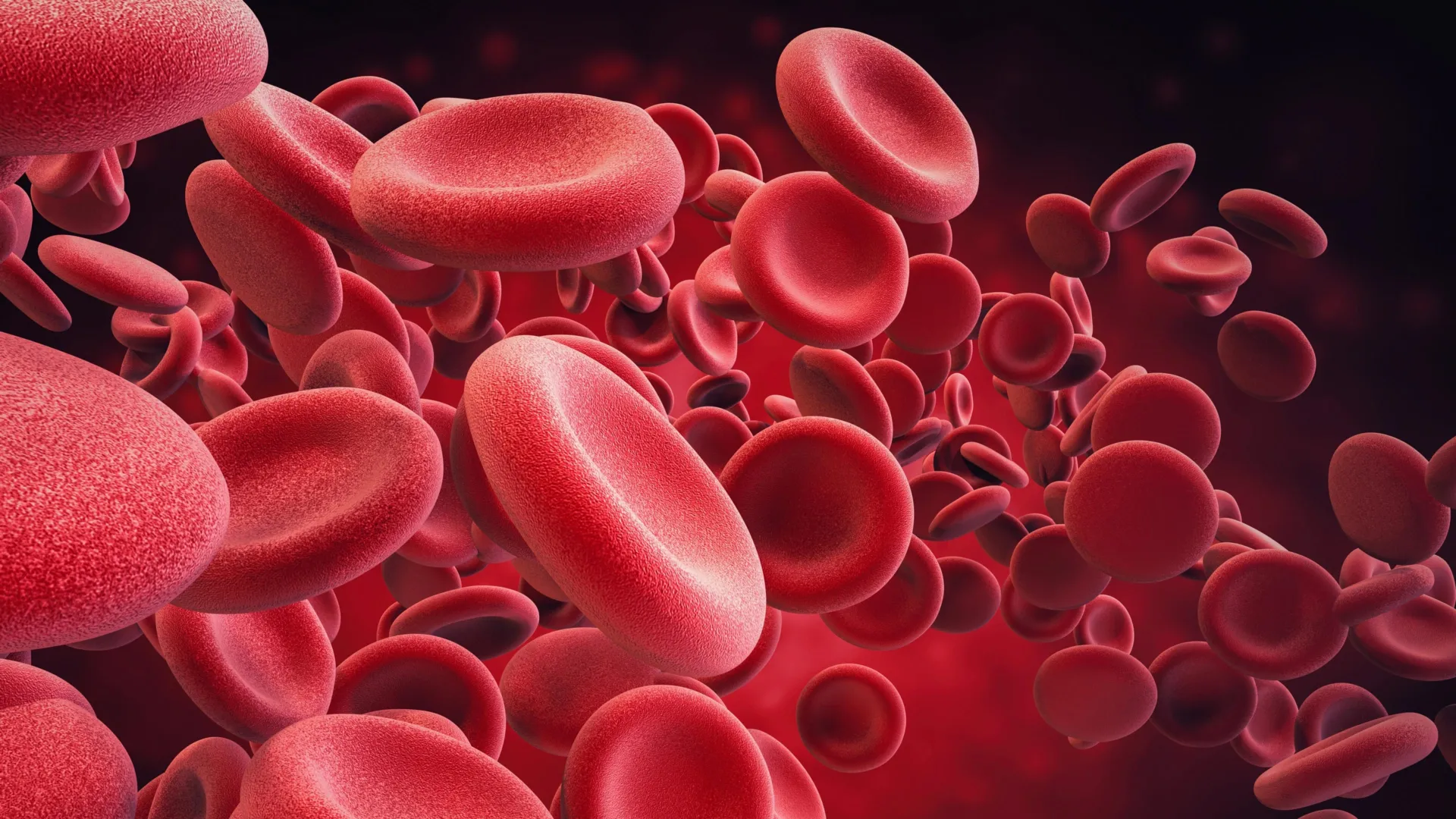
Previous scientific explorations had already highlighted a prevalent phenomenon among ultramarathon participants: the degradation of healthy red blood cells during these arduous competitions, a process that carries the risk of inducing anemia. However, the precise biological mechanisms underlying this red blood cell attrition had not been fully elucidated. This latest research has unveiled a key finding: following prolonged bouts of strenuous running, red blood cells exhibit a marked reduction in their characteristic flexibility. This diminished pliability is particularly concerning, as the unimpeded passage of these cells through the body’s narrowest blood vessels is essential for their primary role in delivering life-sustaining oxygen to tissues and efficiently removing metabolic waste products. Consequently, a loss of flexibility could significantly impede their functional efficiency. Furthermore, the research team has succeeded in compiling the most comprehensive molecular portrait to date, detailing the multifaceted alterations that endurance racing imposes upon red blood cells.
According to Dr. Travis Nemkov, a leading author of the study and an associate professor in the department of biochemistry and molecular genetics at the University of Colorado Anschutz, "Engaging in events of this nature can instigate systemic inflammation and inflict damage upon red blood cells." He elaborated, "While our current data do not provide prescriptive advice on whether individuals should or should not partake in such activities, we can definitively state that the persistent physiological stress inherent in these events leads to damage in the most abundant cell type within the human body."
Deconstructing the Ultramarathoner’s Cellular Landscape
To meticulously investigate these physiological responses, the research team implemented a rigorous protocol, assessing key markers of red blood cell health both preceding and immediately following the participation of athletes in two formidable endurance challenges: the Martigny-Combes à Chamonix race, spanning approximately 40 kilometers (about 25 miles), and the considerably more demanding Ultra Trail de Mont Blanc, covering an immense 171 kilometers (approximately 106 miles). Red blood cells, tasked with the critical responsibilities of oxygen transport and waste product removal, rely heavily on their intrinsic capacity to deform and navigate through constricted vascular pathways.
Blood samples were meticulously collected from a cohort of 23 runners at two distinct temporal junctures: immediately before the commencement of their races and again upon their completion. The analytical scope of the study was extensive, encompassing the examination of thousands of proteins, lipids, metabolites, and trace elements present in both the plasma and the red blood cells themselves. The analytical outcomes consistently pointed towards evidence of cellular injury, attributable to a confluence of both mechanical forces and molecular pathways. The mechanical stress is theorized to arise from the dynamic shifts in fluid pressure that occur within the circulatory system during periods of intense physical exertion. Concurrently, the molecular damage appears to be intrinsically linked to inflammatory processes and oxidative stress, a condition characterized by an imbalance where the body’s antioxidant defenses are insufficient to neutralize harmful molecules that can damage cellular components, including DNA.
The Escalating Impact of Extended Race Distances
Indications of accelerated cellular aging and an augmented rate of red blood cell breakdown were observable even after the completion of the 40-kilometer race. This cellular stress was found to be significantly more pronounced among the athletes who successfully navigated the much longer 171-kilometer event. These findings strongly suggest a dose-response relationship, where the greater the duration and intensity of the race, the more substantial the loss of red blood cells and the more severe the damage inflicted upon those that remain circulating within the bloodstream.
Dr. Nemkov further articulated the critical threshold observed in his remarks: "At some point beyond the traditional marathon distance, and into the realm of ultramarathons, the cellular damage begins to manifest in a more significant manner." He continued, "While we have documented the occurrence of this damage, the crucial questions that remain unanswered pertain to the timeframe required for the body to fully repair these cellular impairments, whether such damage carries enduring repercussions for an individual’s health, and if those long-term effects are ultimately beneficial or detrimental."
Potential Applications in Performance Optimization and Blood Preservation
The researchers posit that with further dedicated research, the insights gleaned from this study could serve as a valuable foundation for developing highly individualized strategies for training regimens, nutritional protocols, and recovery practices. The ultimate aim of such personalized approaches would be to enhance athletic performance while simultaneously mitigating the potential adverse health consequences associated with extreme endurance exercise. Beyond the realm of sports science, this line of inquiry holds considerable promise for broader medical applications. Blood intended for transfusion, for instance, undergoes a gradual deterioration process after several weeks in storage and is rendered unusable and must be discarded after a six-week period, as mandated by the U.S. Food and Drug Administration. A deeper understanding of how intense physiological stress impacts red blood cells could offer novel perspectives that might lead to improvements in blood storage techniques, thereby extending its viability and utility.
Dr. Angelo D’Alessandro, a co-author of the study and a professor at the University of Colorado Anschutz, who is also recognized for his contributions to the field as a member of the Hall of Fame of the Association for Blood and Biotherapies, emphasized the dual nature of red blood cells: "Red blood cells possess remarkable resilience, yet they are also exquisitely sensitive to both mechanical forces and oxidative challenges." He elaborated, "This study compellingly demonstrates that extreme endurance exercise pushes red blood cells towards a state of premature aging through mechanisms that bear striking similarities to the processes we observe during the storage of blood products. By elucidating these shared biological pathways, we are presented with a unique and valuable opportunity to discover more effective methods for safeguarding red blood cell function, not only in the context of athletic physiology but also within the critical domain of transfusion medicine."
Acknowledging Study Constraints and Charting Future Research Directions
It is important to acknowledge certain limitations inherent in the current research. The study involved a relatively small participant group and lacked comprehensive racial diversity among the subjects. Furthermore, blood samples were collected at only two discrete time points. The investigative team is keenly focused on expanding the scope of their future research endeavors. This includes plans to recruit a larger and more diverse pool of participants, implement more frequent blood sample collections throughout and after races, and conduct more granular measurements of cellular parameters. Additionally, the researchers are committed to further exploring innovative approaches aimed at prolonging the functional lifespan of stored blood.
About the Author