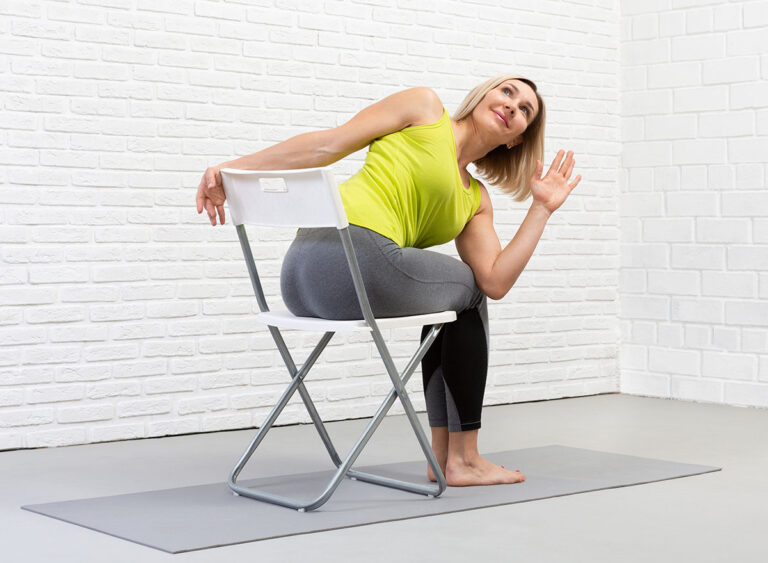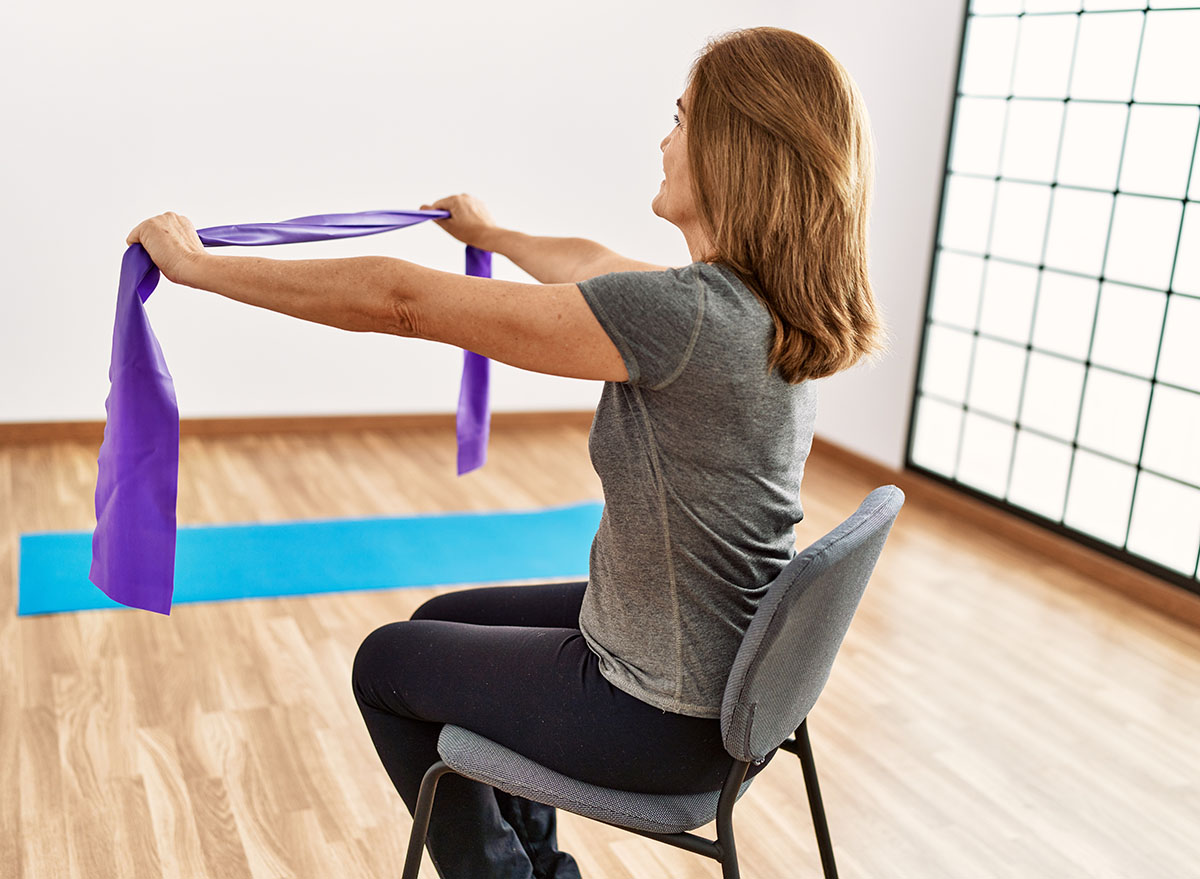
Maintaining robust upper body strength is a cornerstone of preserving autonomy and vitality throughout the later stages of life. As individuals progress past their fifth decade, the physiological landscape shifts, bringing new considerations for physical activity and muscle maintenance. The capacity to perform daily tasks with confidence, from lifting groceries to engaging with grandchildren, relies heavily on well-preserved muscular function in the arms, shoulders, and back. While traditional resistance training methods involving free weights like dumbbells are widely recognized for their efficacy, an alternative, often overlooked approach — chair-based exercises — is gaining significant traction for its accessibility, safety, and profound benefits, particularly for those over 50. Indeed, for many, seated strength training can offer a more sustainable and potentially quicker path to restoring functional upper body power by mitigating common barriers associated with aging.
The phenomenon of age-related muscle loss, scientifically known as sarcopenia, begins subtly in adulthood and accelerates significantly after age 50. This gradual decline in muscle mass, strength, and function can profoundly impact quality of life, leading to decreased mobility, increased risk of falls, and a diminished capacity for independent living. Counteracting sarcopenia requires consistent engagement in resistance training, which stimulates muscle protein synthesis and helps preserve existing muscle tissue while building new. However, for older adults, concerns about joint pain, balance issues, and the perceived risk of injury with standing exercises or heavy weights can deter participation in vital strength programs. This is where the strategic integration of chair-based exercises becomes a game-changer.
Eric North, a distinguished wellness speaker, coach, and advocate renowned as The Happiness Warrior for his insights on purposeful aging, emphasizes the unique advantages of seated fitness. According to North, chair-based regimens often surpass the effectiveness of traditional dumbbell routines for individuals over 50 due to their inherent stability. This foundational support minimizes the need for intricate balance, allowing for a more isolated and high-tension focus on specific muscle groups. By reducing reliance on momentum and alleviating strain on joints and the lower back, participants can engage target muscles directly, fostering improved strength in the shoulders, arms, and back with a reduced risk of injury. This enhanced control and stability can lead to more consistent and effective strength gains, indirectly accelerating the restoration process for many who might otherwise struggle with conventional methods.
The primary appeal of incorporating a sturdy chair into an upper body workout lies in its ability to provide a secure anchor, transforming potentially challenging movements into manageable, safe, and highly effective exercises. This stability is crucial for older adults who may experience reduced proprioception or balance deficits, allowing them to concentrate solely on muscle contraction and proper form rather than maintaining equilibrium. Furthermore, the seated position naturally unloads the spine, hips, and knees, making these exercises ideal for individuals managing arthritis, chronic back pain, or recovering from lower body injuries. This accessibility broadens the demographic that can safely and consistently engage in muscle-strengthening activities, fostering greater adherence to exercise routines and promoting long-term health benefits.
Resistance bands are frequently paired with chair exercises, offering another layer of customization and benefit. Unlike fixed-weight dumbbells, resistance bands provide variable resistance, meaning the tension increases as the band is stretched. This dynamic resistance can be particularly joint-friendly, as it reduces impact and allows for smoother, more controlled movements throughout the entire range of motion. Bands are also lightweight, portable, and come in various resistance levels, making them an excellent tool for progressive overload – the gradual increase of stress on the muscle – which is essential for continued strength development. By combining the stability of a chair with the versatility of resistance bands, individuals over 50 can craft a highly effective, adaptable, and safe upper body strengthening program.
For optimal results, North advises performing these seated exercises two to three times per week, targeting two to three sets of 10 to 15 repetitions for each movement. This frequency and rep range are conducive to building both functional strength and muscular endurance, which are vital for daily activities and overall independence. It is crucial to listen to one’s body, maintain proper form, and gradually increase resistance or repetitions as strength improves. While chair-based training offers distinct advantages, North also notes that incorporating standing exercises can complement these routines by establishing a more balanced base for daily mobility and strength, emphasizing a holistic approach to fitness.
Here are five highly effective chair-based exercises specifically designed to enhance upper body strength, stability, and posture for individuals over the age of 50:
1. Seated Resistance Band Row (Targets Back Strength)
This exercise is fundamental for strengthening the muscles of the upper and mid-back, which are crucial for maintaining good posture, preventing rounded shoulders, and performing pulling movements in daily life.
Execution: Begin by sitting upright in a sturdy chair with your feet flat on the floor, hip-width apart. Ensure your back is straight, and your core is lightly engaged. Loop a resistance band around the arches of both feet, holding one end of the band in each hand with your palms facing each other. Your arms should be extended forward, with a slight bend in the elbows, and the band should have some tension. Initiate the movement by pulling your elbows backward, squeezing your shoulder blades together. Imagine you are trying to hold a pencil between your shoulder blades. Keep your elbows close to your body and avoid shrugging your shoulders towards your ears. Control the movement as you slowly return your arms to the starting position, resisting the pull of the band. Focus on a smooth, deliberate motion, emphasizing the contraction of the back muscles rather than relying on arm strength alone. This exercise directly combats the postural changes often associated with aging, promoting a more upright and confident stance.
2. Seated Chair Press (Targets Chest and Shoulders)
The seated chair press effectively engages the pectoral muscles of the chest and the anterior deltoids (front of the shoulders), essential for pushing movements like opening doors or pushing oneself up from a seated position.
Execution: Sit tall in your chair, pressing your back gently against the chair back for support if needed, but primarily engaging your core to maintain an upright posture. Hold a resistance band with both hands, positioning it behind your back, just below your armpits. Grasp the ends of the band firmly, with your palms facing forward and elbows bent at 90 degrees, forming a "goalpost" shape. Your hands should be roughly at shoulder height. Exhale as you extend your arms straight forward, pushing the band away from your chest. Feel the contraction in your chest and the front of your shoulders. Control the return phase, slowly bending your elbows to bring your hands back to the starting position, allowing the band to gently pull your arms back. Avoid arching your lower back excessively; keep your core engaged. For individuals without resistance bands, this exercise can be performed as a bodyweight chest press by simply pressing your palms together at chest height and pushing them forward, focusing on isometric contraction.
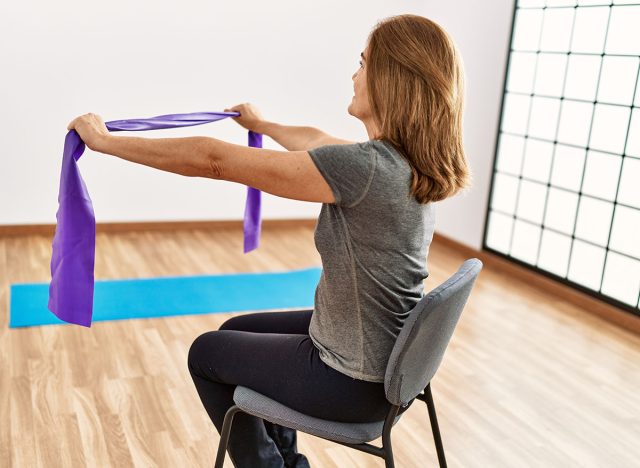
3. Overhead Press (Targets Shoulder Strength)
Developing strong shoulders is vital for reaching overhead, lifting objects onto shelves, and maintaining overall upper body mobility. This exercise isolates the deltoid muscles, particularly the medial and anterior heads.
Execution: Remain seated with a straight back and engaged core. Place a resistance band under your feet, holding one end in each hand. Start with your hands at shoulder height, palms facing forward, elbows bent, and the band running up the outside of your arms. Ensure a secure grip and enough slack in the band to allow for full range of motion without excessive strain at the start. Inhale, then exhale as you press your hands straight up overhead, extending your arms fully but without locking your elbows. Visualize pushing the ceiling away. Keep your shoulders relaxed and away from your ears throughout the movement. Slowly lower your hands back to the starting position, controlling the eccentric phase as the band pulls downwards. Avoid using momentum; the movement should be controlled and deliberate. This exercise not only builds strength but also improves shoulder stability and range of motion, crucial for preventing injuries and maintaining daily function.
4. Armchair Push-ups (Targets Triceps and Shoulders)
This modified push-up variation is excellent for strengthening the triceps, the muscles at the back of the upper arm, and the shoulders, which are crucial for pushing oneself up from chairs or assisting with transfers.
Execution: Position yourself in front of a sturdy, armless chair, facing away from it. Place your hands on the seat of the chair, slightly wider than shoulder-width apart, with your fingers pointing forward. Your body should be in a plank-like position, with your legs extended behind you or knees bent on the floor for a modification, depending on your strength level. Ensure your body forms a straight line from head to heels (or knees). Inhale as you bend your elbows, lowering your chest towards the chair. Keep your elbows tucked in relatively close to your body to emphasize the triceps. Descend until your chest is close to the chair, or as far as comfortable while maintaining good form. Exhale and push through your hands, engaging your chest, shoulders, and triceps, to return to the starting position. This exercise provides a scalable way to build upper body pushing strength without the intensity of a floor push-up, making it highly accessible. For added challenge, you can use a lower surface or place your feet further away.
5. Seated Bicep Curls (Targets Arm Strength)
Bicep curls are classic for building strength in the front of the upper arms, essential for lifting, carrying, and pulling objects towards the body.
Execution: Sit upright in your chair, maintaining good posture with your feet flat on the floor. Place a resistance band under one foot, holding the corresponding end of the band in the hand on the same side, palm facing forward. Allow your arm to hang straight down by your side, with the band taut but not overly stretched. Ensure your elbow is close to your torso. Exhale as you slowly curl your hand upwards towards your shoulder, contracting your bicep. Keep your elbow stationary and avoid using your shoulder or back to swing the weight. Focus on the squeeze at the top of the movement. Inhale as you slowly lower your arm back to the starting position, controlling the resistance provided by the band. Complete all repetitions on one arm before switching to the other. This isolation exercise is excellent for targeting the biceps without putting strain on the lower back, a common issue with standing bicep curls, and is highly effective for building the functional strength needed for everyday tasks.
Consistency is paramount when embarking on any fitness journey, especially when aiming to reverse or mitigate age-related muscle decline. Integrating these five chair-based exercises into a regular routine can significantly enhance upper body strength, improve functional mobility, and contribute positively to overall well-being. By embracing these accessible and effective movements, individuals over 50 can proactively invest in their physical independence, ensuring they remain active, confident, and capable participants in their own lives for years to come.
About the Author