As individuals progress into their sixth decade and beyond, maintaining robust physical function becomes increasingly vital for preserving independence and enhancing overall quality of life. A cornerstone of this physical resilience, often overlooked until its decline becomes apparent, lies within the strength of the gluteal muscles. These powerful muscles, encompassing the gluteus maximus, medius, and minimus, are not merely aesthetic; they are critical for locomotion, posture, balance, and protecting the lumbar spine. Unfortunately, the natural aging process, often compounded by sedentary lifestyles and reduced physical activity, can lead to a gradual but significant diminishment of gluteal power, a phenomenon closely linked to age-related muscle loss known as sarcopenia.
The consequences of weakening gluteal musculature extend far beyond a perceived loss of physical prowess. Compromised glute strength directly correlates with an increased risk of falls, a leading cause of injury and mortality among older adults. Furthermore, it can contribute to chronic lower back pain, as other muscle groups, particularly the spinal erectors, are forced to compensate for the glutes’ inability to adequately stabilize the pelvis and hips. Daily activities such as rising from a chair, climbing stairs, lifting objects, or even simply walking with a confident stride, become progressively more challenging. The body subtly adapts by altering movement patterns, often leading to less efficient and potentially injurious mechanics.
Addressing this age-related decline does not necessitate complex gym machinery or prohibitively heavy loads. Instead, a targeted approach focusing on functional, standing movements with accessible tools like dumbbells can yield remarkable improvements. The emphasis shifts from exhaustive training to intentional muscle activation, fostering neuromuscular connections and reinforcing movement patterns integral to everyday living. This methodology prioritizes control, precision, and consistent engagement over sheer weight or speed, making it particularly suitable and safe for older adults. The objective is to restore the inherent capability of the hips to drive movement and stabilize the body, rather than allowing them to passively "coast."
Foundational Principles of Gluteal Reinvigoration
The core philosophy behind these standing dumbbell exercises centers on challenging the hips through their natural ranges of motion: hinging, stepping, squatting, and extending. These are the fundamental actions performed dozens of times daily. By strengthening the muscles responsible for these movements, individuals can expect a cascade of benefits, including enhanced balance, alleviation of persistent back discomfort, and a noticeable improvement in walking speed and overall gait efficiency. The exercises are designed to cultivate tension within the target muscles, promoting hypertrophy and strength gains without undue stress on joints.
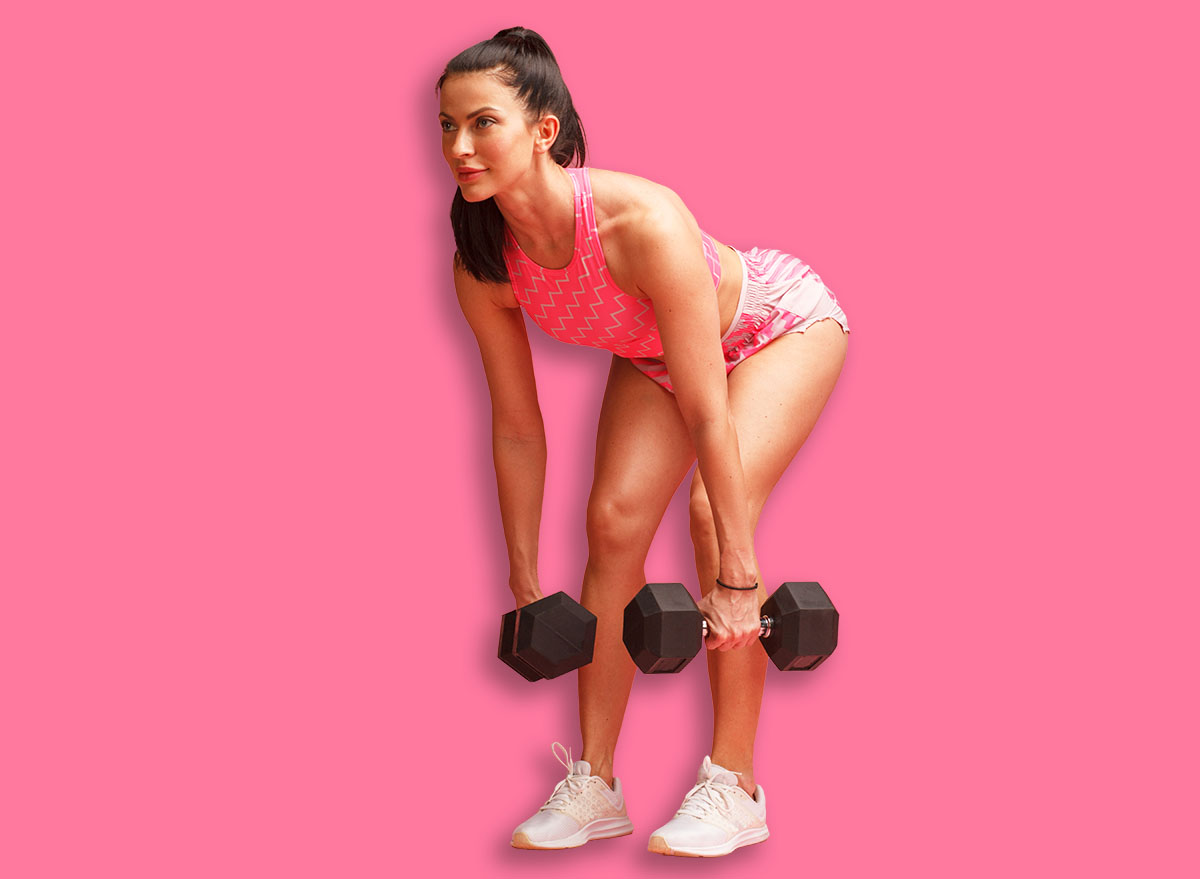
One of the most potent movements for initiating this gluteal resurgence is the Dumbbell Romanian Deadlift (RDL). If a single exercise were to be chosen for its profound impact on posterior chain strength and functional movement, the RDL would undoubtedly be a top contender. This exercise expertly re-educates the hip hinge pattern—a foundational movement essential for tasks ranging from bending over to pick up groceries to safely exiting a low chair. When the hip hinge weakens, the lower back frequently bears an excessive load, leading to strain and discomfort. By correctly executing the RDL, the glutes and hamstrings are re-engaged to perform their primary role, thereby offloading the spine.
For older adults, the key to the RDL’s effectiveness lies not in lifting maximal weight, but in meticulous control and a deep sense of muscular engagement. Participants are guided to push their hips backward, maintaining a slight bend in the knees, feeling a profound stretch through the hamstrings and glutes. The movement is about creating tension through the posterior chain, not about how low one can descend. Driving forcefully through the heels upon ascent and consciously contracting the gluteal muscles at the top of the movement are critical components for maximizing muscle activation. Consistent practice of this controlled, tension-focused movement can restore a sense of backside strength and confidence that many individuals have not experienced in years.
Next in this comprehensive protocol is the Standing Dumbbell Step-Back Lunge, an exercise uniquely suited to fostering hip extension under controlled conditions while simultaneously safeguarding knee health. Unlike forward lunges, the step-back variation intrinsically positions the front knee in a less vulnerable alignment, shifting a greater proportion of the workload to the glutes. This unilateral movement—meaning one side of the body works independently—is invaluable for building balance and stability, qualities that often diminish with age and directly impact fall prevention.
The step-back lunge targets the hip of the front leg, precisely where gluteal engagement is desired. Executing this movement slowly and deliberately, lowering the body with control, and then powerfully driving upward through the front heel, emphasizes the activation of the glutes. The mental cue to "pull yourself back to standing" using the glutes reinforces the correct muscle engagement. Beyond strength, this exercise inherently challenges proprioception and balance, making it a dual-action movement that significantly contributes to both muscular power and neuro-motor control, both of which are crucial for maintaining independent mobility.
The Dumbbell Suitcase Squat offers a distinct advantage over traditional barbell squats for targeting the glutes, particularly in an older demographic. While conventional squats can sometimes disproportionately engage the quadriceps, holding dumbbells at the sides, as in the suitcase squat, significantly increases the demand on the hips and core stabilizers. This lateral loading mechanism compels the gluteal muscles to work harder, not only during the powerful upward drive but also throughout the controlled descent, where stabilization is paramount.
To maximize glute activation in the suitcase squat, individuals are often cued to exert outward pressure with their feet, as if attempting to "spread the floor." This external rotation subtly but effectively engages the gluteus medius and minimus, enhancing overall hip stability and power. The exercise emphasizes a controlled lowering phase, a brief pause at the bottom to eliminate momentum and maximize time under tension, followed by a powerful, deliberate ascent. For adults over 60, the emphasis on controlled, intentional movement is paramount; rapid, poorly executed repetitions offer minimal benefit, whereas focused tension fosters genuine strength and muscle rebuilding.
Finally, the Supported Standing Dumbbell Hip Thrust provides an innovative and accessible method to isolate and strengthen hip extension, a fundamental movement pattern often compromised by prolonged sitting. While hip thrusts are traditionally performed with the upper back supported on a bench, a standing, supported version offers significant advantages for those who prefer an upright posture or find floor exercises challenging. This variation effectively targets the gluteal muscles responsible for powerful hip extension while simultaneously minimizing potential stress on the lower back.
To perform this exercise, individuals position themselves facing a wall or sturdy counter for balance and support. Holding a single dumbbell at the hips, with a slight bend in the knees, the movement involves forcefully driving the hips forward and consciously squeezing the gluteal muscles at the peak of the contraction. This "power phase" is crucial for stimulating muscle fibers responsible for explosive movements. The consistency of this particular movement has been observed to translate directly into improved walking speed and enhanced confidence when navigating stairs, underscoring its profound functional relevance. The gluteal muscles respond robustly to consistent tension and repetition, and when trained through their full range of extension, as facilitated by this exercise, they can regain significant strength and responsiveness, even after extended periods of disuse.
In conclusion, the journey to rebuild and fortify gluteal strength after the age of 60 is a strategic investment in long-term health, mobility, and independence. It is a testament to the body’s remarkable capacity for adaptation and improvement at any age. By incorporating these four standing dumbbell exercises—the Romanian Deadlift, Step-Back Lunge, Suitcase Squat, and Supported Standing Hip Thrust—into a regular fitness regimen, individuals can proactively counteract the effects of sarcopenia and sedentary living. The emphasis on intentional movement, proper form, and consistent effort, rather than heavy loads, ensures a safe and highly effective pathway to regaining posterior chain power. The benefits, encompassing improved balance, reduced back pain, and a renewed sense of vigor in daily activities, collectively contribute to a more active, confident, and fulfilling life.
About the Author