A recent scientific inquiry has illuminated potential health concerns associated with chemicals frequently utilized in food packaging as substitutes for bisphenol A (BPA), a compound long recognized for its endocrine-disrupting properties. The findings, emerging from a comprehensive study conducted by researchers at McGill University, suggest that these purported "safer" alternatives may not be as benign as once believed, particularly concerning their impact on reproductive health.
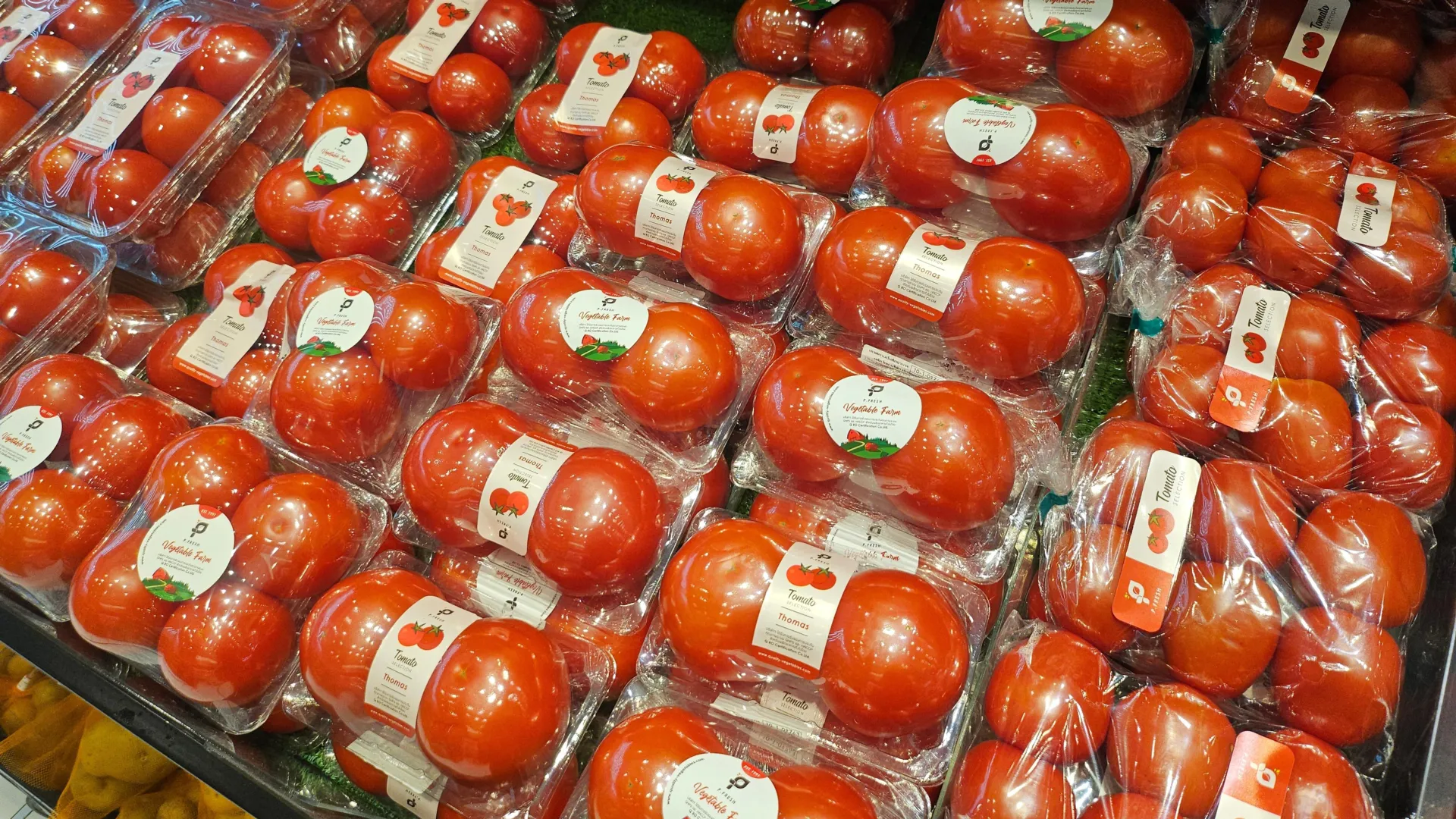
The investigation focused on a range of substances commonly embedded within the adhesive layers of price stickers adorning a variety of perishable goods, including meats, fish, cheeses, and fresh produce. Through meticulous laboratory analysis, the scientific team identified preliminary indicators of potential cellular toxicity linked to these widely adopted chemical compounds. The implications of this research, detailed in the esteemed journal Toxicological Sciences, are significant, prompting a critical re-evaluation of the safety claims surrounding BPA-free packaging and raising urgent questions about the adequacy of current regulatory frameworks designed to safeguard public health.
This groundbreaking study builds directly upon prior work by Stéphane Bayen, an Associate Professor in McGill’s Department of Food Science and Agricultural Chemistry, whose 2023 research first demonstrated the propensity of chemicals employed in label printing, such as bisphenol S (BPS) – a prevalent replacement for BPA – to permeate plastic films and consequently contaminate food products. Seeking to delve deeper into the biological consequences of such exposure, Professor Bayen collaborated with leading experts in the field of reproductive toxicology to unravel the downstream effects on human physiology.
The research cohort meticulously exposed laboratory-cultivated human ovarian cells to four chemical substances frequently employed as alternatives to BPA. These included TGSA, D-8, PF-201, and BPS. The experimental results indicated that a number of these compounds, notably TGSA and D-8, induced the accumulation of lipid droplets within the cellular structures. Furthermore, these substances demonstrably altered the gene expression patterns associated with fundamental cellular processes, including cell proliferation and the intricate mechanisms of DNA repair.
Bernard Robaire, a co-senior author of the study and a distinguished James McGill Professor across McGill’s Departments of Pharmacology & Therapeutics and Obstetrics & Gynecology, emphasized the gravity of these cellular disruptions. He clarified that while these findings do not definitively establish harm in human populations, they provide a compelling and urgent signal necessitating further rigorous investigation into these chemical agents. The identified impacts on cell growth and DNA repair are considered pivotal biological functions, and any interference with these processes warrants serious scientific scrutiny.
The widespread adoption of "BPA-free" labels has been driven by growing public awareness and scientific consensus regarding the potential health risks associated with BPA. This compound is well-documented for its capacity to mimic estrogen, thereby interfering with the body’s hormonal signaling pathways. Exposure to BPA has been implicated in a spectrum of adverse health outcomes, ranging from compromised fertility and developmental abnormalities in infants to the exacerbation of metabolic disorders. In response to these concerns, regulatory bodies in Canada have implemented bans on BPA in products intended for infants, such as baby bottles, and have imposed restrictions on its use in other consumer goods.
However, the research team highlights a critical deficiency in the regulatory landscape concerning many of the chemicals introduced as replacements for BPA. A significant proportion of these substitutes are not subjected to the same stringent level of regulatory oversight, nor are they routinely evaluated for their safety profiles before being widely incorporated into consumer products. This oversight gap creates a situation where one potentially harmful chemical is simply exchanged for another, without adequate prior testing.
Professor Robaire strongly cautioned against the misleading nature of the "BPA-free" designation. He elaborated that this label frequently signifies a substitution of one bisphenol compound for another, and given that the bisphenol family encompasses over 200 distinct chemicals, the possibility exists that many of these alternatives may pose equivalent or even greater health risks than BPA itself. The researchers advocate for a proactive approach, where these compounds are thoroughly assessed for safety prior to their widespread commercial adoption, rather than retrospectively investigating their potential harm.
In response to the mounting scientific evidence, Health Canada has acknowledged the concerns raised by this study and has subsequently added all four chemicals examined in the research to its official list of substances slated for further comprehensive review. This action signifies a governmental recognition of the potential risks and a commitment to a more thorough evaluation of these packaging components.
For consumers seeking to proactively mitigate their potential exposure to these chemicals, Professor Robaire offers practical advice. He recommends the simple practice of removing price stickers and plastic wrapping from fresh food items before storing them in the refrigerator. This action can create a physical barrier, reducing direct contact and potential migration of chemicals from the packaging into the food. Additionally, he suggests a subtle yet potentially effective strategy when shopping: opting for produce and other items situated at the top of display stacks in grocery stores. The rationale behind this recommendation is that the cumulative pressure exerted by stacked products from above may inadvertently enhance the transfer of chemicals from the packaging materials into the food items below.
The scientific paper detailing these findings, titled "High-content imaging and transcriptomic analyses of the effects of bisphenol S and alternative color developers on KGN granulosa cells," was authored by Lama Iskandarani, Stéphane Bayen, Barbara Hales, and Bernard Robaire, and was published in Toxicological Sciences. The research initiative received crucial financial backing from the McGill Sustainability Systems Initiative, underscoring the collaborative and interdisciplinary nature of this critical scientific endeavor. This work represents a vital step forward in understanding the complex interplay between food packaging materials and human health, urging a more cautious and scientifically grounded approach to chemical substitution in consumer products. The findings serve as a potent reminder that the pursuit of safer alternatives requires diligent scientific investigation and robust regulatory oversight to ensure genuine protection for the public.
About the Author