In an era increasingly defined by rapid production and streamlined culinary processes, a significant segment of the restaurant industry has embraced efficiency through pre-packaged, frozen, or partially prepared ingredients. This shift is particularly evident in the preparation of popular menu items like fried chicken, where the intricate, labor-intensive process of hand-breading has largely given way to more automated methods. However, amidst this widespread trend, a select group of prominent national restaurant chains continues to uphold a commitment to traditional preparation, specifically by hand-breading their chicken fresh on-site each day. This dedication reflects a deliberate choice to prioritize flavor, texture, and perceived quality, distinguishing these establishments in a competitive market.
The decision to hand-bread chicken daily is not merely a nostalgic nod to traditional cooking; it represents a substantial operational investment. Unlike pre-breaded alternatives, which offer consistency and reduced labor costs, daily hand-breading requires skilled staff, dedicated prep time, and a continuous supply of fresh ingredients. This meticulous approach impacts everything from kitchen layout and staff training to inventory management and food waste. Yet, for the chains that maintain this practice, the benefits in terms of product quality and customer satisfaction evidently outweigh these complexities. Consumers often report a noticeable difference in the final product: a more varied and robust crunch, a better seal for the chicken’s natural juices, and a distinct freshness in taste that pre-processed options struggle to replicate.
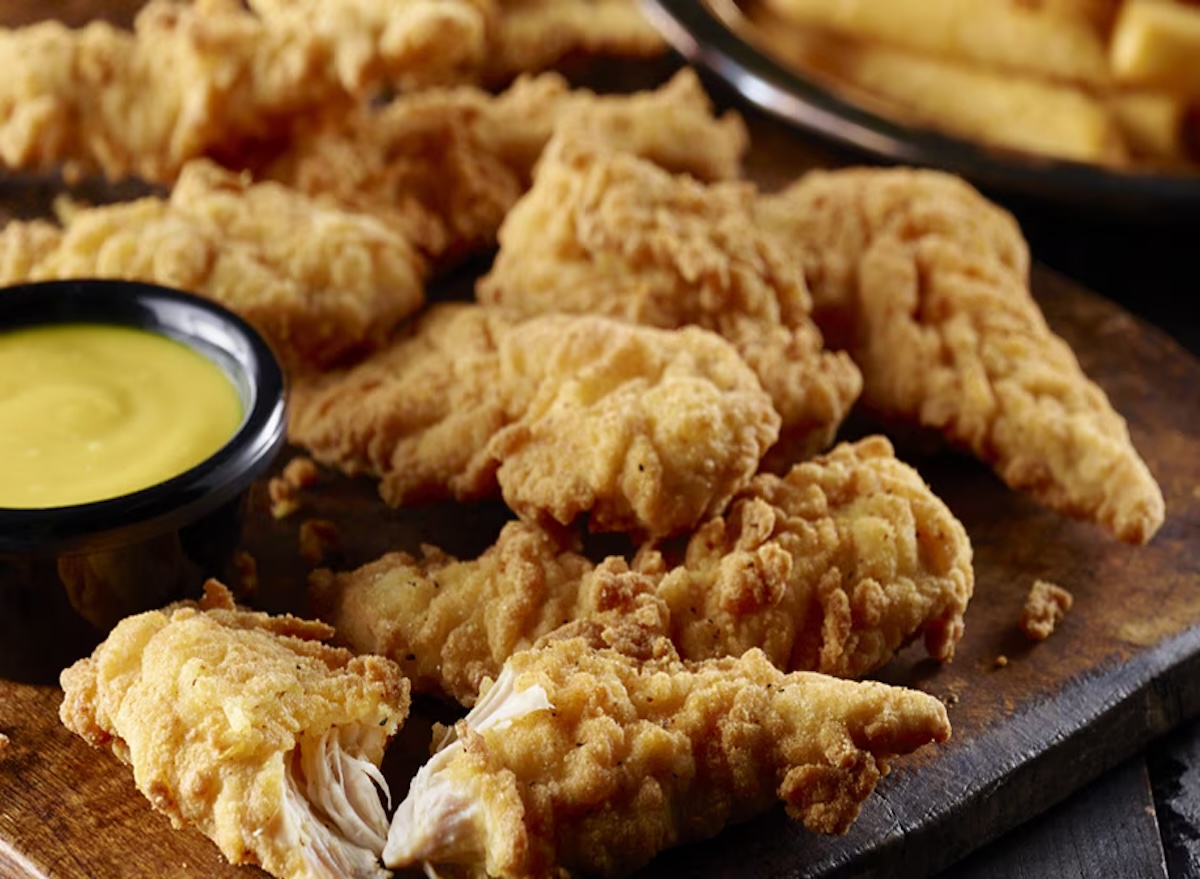
The contrast between freshly prepared and pre-processed chicken is fundamental to understanding the value proposition of these establishments. When chicken is hand-breaded, each piece is individually coated, often after being marinated, allowing for a unique, irregular crust that cooks to a superior crispness. This handmade touch creates pockets and ridges that capture sauces and seasonings more effectively, enhancing the overall sensory experience. Conversely, machine-breaded or frozen-and-fried chicken typically presents a uniform, sometimes dense, coating that can lack the nuanced texture and vibrant flavor associated with fresh preparation. For consumers who prioritize authenticity and taste, this difference can be a decisive factor in their dining choices.
The continued adherence to daily hand-breading by large-scale restaurant operations serves as a testament to their brand philosophy and a direct response to consumer demand for higher quality, even within the casual dining and fast-food sectors. This commitment fosters a perception of craftsmanship and care, reinforcing brand loyalty and attracting diners who seek more than just convenience. These establishments, despite their expansive footprints, are effectively bringing a touch of artisanal preparation to a mass market.
Texas Roadhouse: Crafting Country Comfort with Care
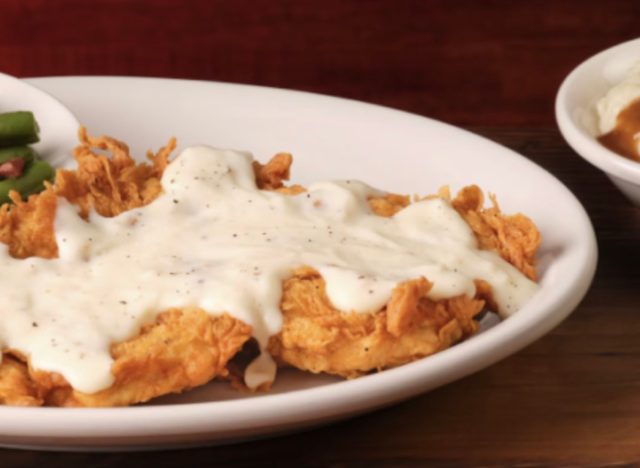
Texas Roadhouse, a well-known steakhouse chain, might primarily be celebrated for its grilled meats and lively atmosphere, but its dedication to quality extends across its entire menu, notably to its chicken offerings. The chain’s Country Fried Chicken is a prime example of this commitment. This dish features tender, white meat chicken breast, which is meticulously hand-battered before being golden-fried to perfection. The process ensures that each piece develops a distinctively crispy exterior while retaining its inherent juiciness, a quality that is then complemented by a choice of savory gravies and accompanying sides.
This focus on fresh preparation for chicken aligns seamlessly with Texas Roadhouse’s broader brand identity, which emphasizes "legendary food and legendary service." For a restaurant that prides itself on delivering hearty, satisfying meals, the labor-intensive method of hand-breading underscores a broader commitment to genuine, made-from-scratch flavors. It signals to diners that even items not central to their steakhouse identity receive the same level of attention and quality control. This consistency across the menu helps to solidify its reputation as a reliable destination for comforting, high-quality American cuisine, beyond just its beef selections.
LongHorn Steakhouse: Extending Culinary Precision to Poultry
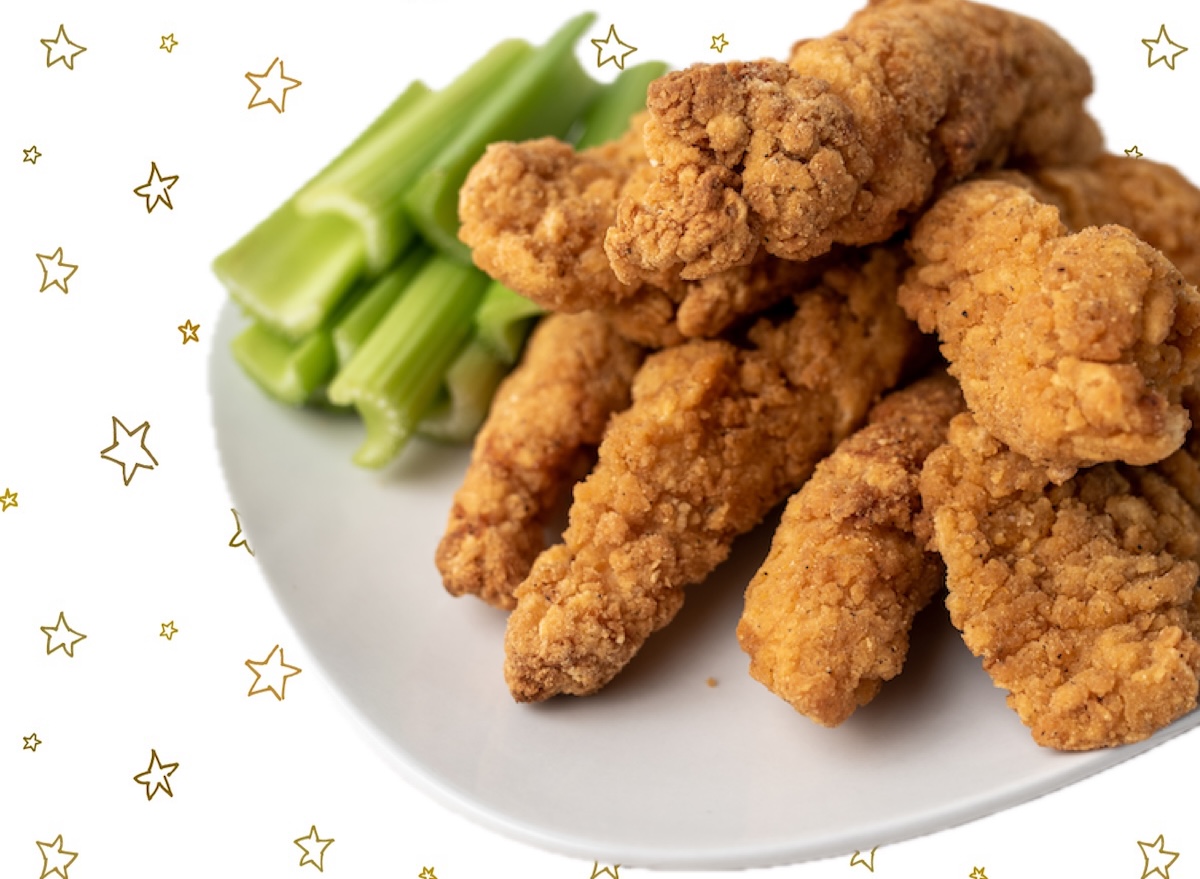
Similar to Texas Roadhouse, LongHorn Steakhouse has built its reputation on the expertise of grilling and preparing high-quality steaks. However, the pursuit of culinary excellence at LongHorn extends beyond its namesake offerings to include other menu items, such as its Hand-Breaded Chicken Tenders. The company’s philosophy, as articulated on its corporate website, stresses the use of "fresh, never frozen steaks grilled by our experts, with just the right seasoning, and no shortcuts." This ethos of uncompromising quality and meticulous preparation naturally translates to their chicken products.
The choice to hand-bread chicken tenders reflects a conscious effort to ensure that all dishes, regardless of their primary ingredient, meet the brand’s elevated standards. For diners who might opt for poultry over steak, or for families seeking a variety of options, the availability of freshly prepared chicken tenders provides a reassuring indicator of the restaurant’s overall dedication to taste and texture. In a market where many chains might cut corners on non-signature items, LongHorn’s approach demonstrates a comprehensive commitment to a superior dining experience, reinforcing the idea that quality is a pervasive element of their culinary practice.
Raising Cane’s: A Singular Focus on Fresh Chicken Fingers
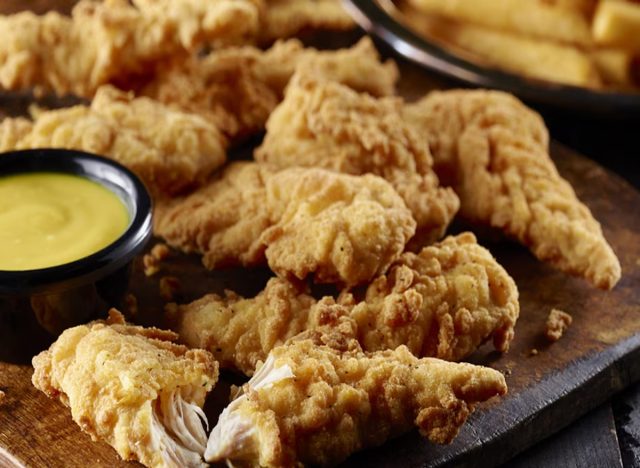
Raising Cane’s stands out as a fast-food chain whose entire business model is predicated on the singular, unwavering focus on premium chicken fingers. This specialization allows them to dedicate significant resources and expertise to the preparation of their signature item. The brand proudly states that its "certified Bird Specialists" are responsible for hand-battering fresh, never-frozen chicken that has been marinated for a full 24 hours. This meticulous process ensures that each chicken finger, cooked to order, delivers a hot, tender, and consistently flavorful experience down to the last bite.
The philosophy at Raising Cane’s is a powerful demonstration of how a limited menu, executed with extreme precision and commitment to freshness, can create a highly successful and beloved brand. Their emphasis on daily hand-breading is not just a feature; it is the cornerstone of their identity. Furthermore, this dedication to fresh preparation extends to their renowned Cane’s Sauce, which is also made in-house daily using a closely guarded, secret recipe. This holistic approach to freshness and quality across their core offerings differentiates Raising Cane’s within the competitive fast-food landscape, cultivating a loyal following of "Caniacs" who appreciate the consistent, high-standard product.
Jollibee: Global Success Built on Crispylicious Chickenjoy
Jollibee, the rapidly expanding Filipino fast-food giant, has captured international attention not just with its unique sweet-style spaghetti or distinctive burgers, but predominantly with its signature fried chicken, aptly named "Chickenjoy." This dish has become a global phenomenon, celebrated for its unique flavor and texture profile, which is a direct result of the chain’s commitment to specific preparation methods. Jollibee emphasizes that Chickenjoy is "delicately hand-breaded to be crispylicious on the outside, with a secret marinade making it juicylicious on the inside."
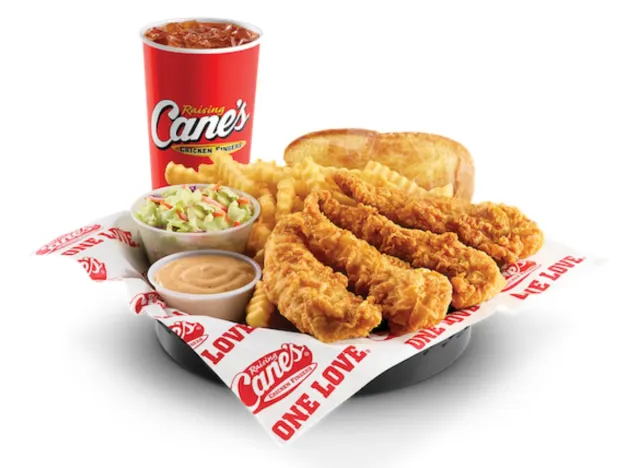
The daily hand-breading process is integral to achieving the desired "crispylicious" exterior, providing that irresistible crunch that contrasts beautifully with the succulent, flavorful meat within. The secret marinade, combined with this careful breading, creates a taste experience that is distinctively Jollibee, setting it apart from other fried chicken offerings worldwide. As Jollibee continues its aggressive global expansion, maintaining this hands-on approach to chicken preparation is crucial for preserving its brand authenticity and delivering the consistent quality that its vast and growing customer base expects. This commitment underscores how traditional culinary techniques can be scaled successfully to a global enterprise without compromising on core product integrity.
Church’s Texas Chicken: A Legacy of Hand-Prepared Southern Fried Chicken
Church’s Texas Chicken, a venerable name in the fried chicken segment, has maintained a long-standing tradition of hand-preparing its chicken, particularly its tenders. With roots firmly planted in Southern culinary traditions, the brand prides itself on delivering a product that embodies homemade quality and generous portions. The chain explicitly states that its meals are "made with extra care especially for you. No corners cut, no compromises, and no limits to satisfy even the biggest of appetites." Central to this promise are their "crunchy hand breaded tenders," made from 100% chicken breast, available in both original and spicy varieties.
For Church’s Texas Chicken, daily hand-breading is more than just a preparation method; it’s a cornerstone of their identity and a testament to their heritage. In a crowded market dominated by various fried chicken concepts, this commitment to a traditional, labor-intensive process helps the brand maintain its distinct flavor and texture profile. It resonates with consumers who appreciate the effort and authenticity behind their food, reinforcing the perception of a home-style meal rather than a mass-produced item. This dedication ensures that the brand continues to deliver the satisfying, robust fried chicken experience that its loyal customers have come to expect over decades.

Broader Industry Impact and Consumer Value
These five restaurant chains collectively represent a significant counter-narrative to the prevailing trends of cost-cutting and automation within the food service industry. By consciously choosing to retain the practice of daily hand-breading, they are investing in product quality as a core differentiator. This strategy appeals directly to a growing segment of consumers who are increasingly discerning about their food, valuing freshness, traditional preparation methods, and a tangible sense of culinary care.
In an environment where consumers are often skeptical about the origins and processing of their food, a transparent commitment to practices like daily hand-breading can build immense trust and foster deep brand loyalty. It allows these chains to stand out, not just for their menu items, but for their operational philosophy. Ultimately, the continued success of these establishments underscores an important lesson: even in the fast-paced world of national restaurant chains, the enduring appeal of quality, craftsmanship, and a truly fresh product remains a powerful and profitable competitive advantage.
About the Author