The cherished bond between humans and their companion animals has profoundly shaped modern society, with millions of households globally dedicated to the welfare of their pets. Central to responsible pet ownership is the prevention and treatment of parasites, a necessity that has driven the development of highly effective veterinary pharmaceuticals. However, a recent publication in Environmental Toxicology and Chemistry, issued by Oxford University Press, casts a critical eye on the broader ecological footprint of these widely adopted treatments, suggesting that certain common flea and tick medications administered to dogs and cats may be inadvertently contributing to a significant decline in vital insect populations within natural ecosystems. This research highlights a complex dilemma where the pursuit of pet health intersects with pressing environmental concerns, demanding a closer examination of pharmaceutical residues in the environment.
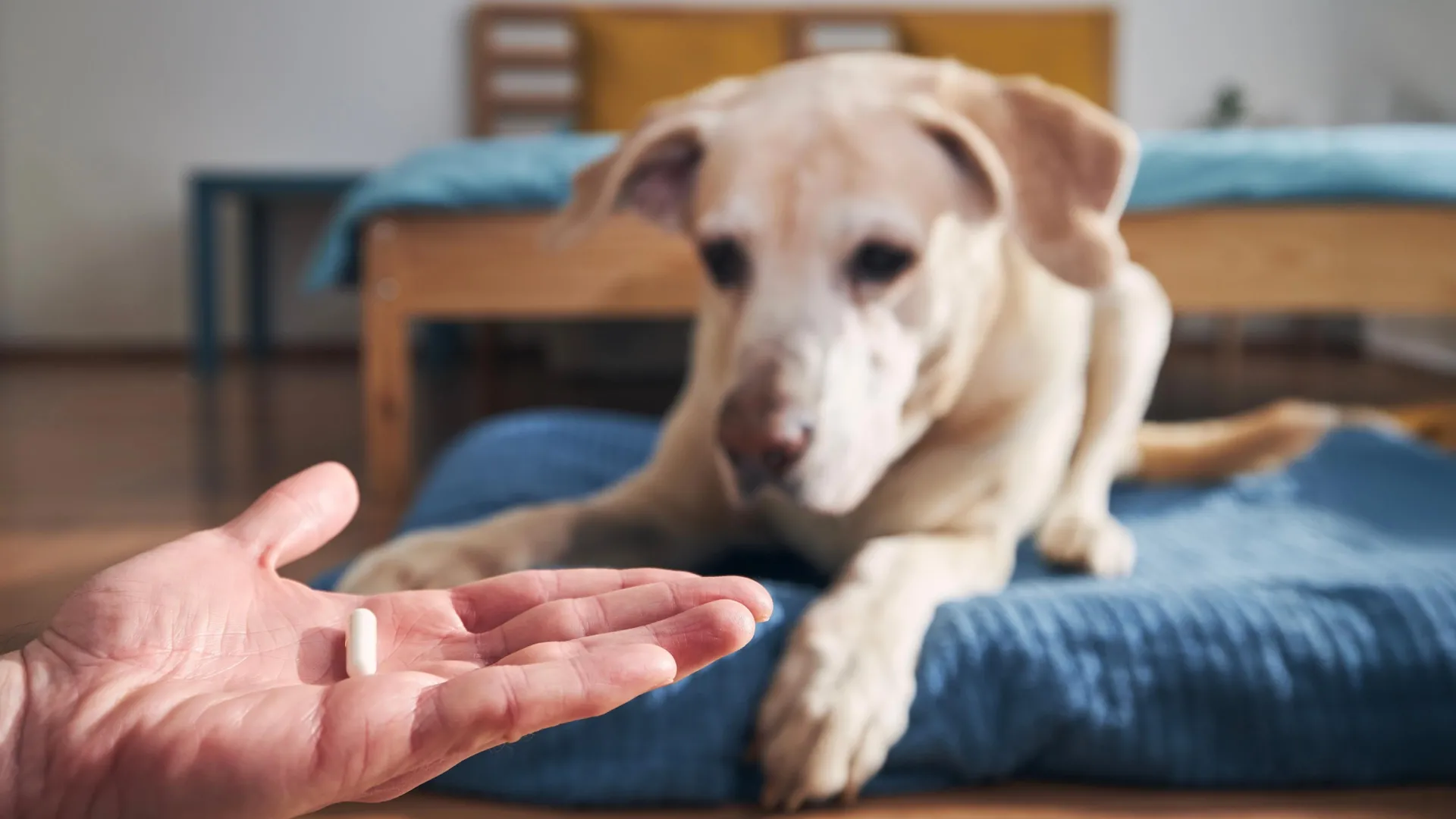
At the forefront of this discussion are isoxazoline-class compounds, a relatively novel group of antiparasitic agents that have revolutionized veterinary medicine since their introduction in 2013. These medications represent a significant leap forward in pet care, offering unprecedented efficacy and convenience. Unlike older topical treatments, isoxazolines are typically administered orally, either as chewable tablets or in liquid form, providing systemic protection against both fleas and ticks for an extended period, often a month or more. Their popularity rapidly soared due to their ease of use, long-lasting action, and perceived safety profile for mammals when used as directed. The mechanism of action for isoxazolines involves targeting gamma-aminobutyric acid (GABA)-gated chloride channels in the nervous systems of arthropods, leading to uncontrolled neural activity, paralysis, and ultimately, the death of the parasite. While highly effective against their intended targets, this neurotoxic action raises questions about their potential impact on non-target invertebrates.
The journey of these potent compounds does not end once they have protected a pet from parasites. Following ingestion and absorption, isoxazolines circulate throughout the animal’s bloodstream, reaching the skin and hair follicles where fleas and ticks feed. As the pet’s body metabolizes and eliminates these substances, residual active ingredients are excreted. The primary routes of environmental entry are through animal waste—feces and urine—but also potentially via shed hair and dander. Consequently, as pets roam urban parks, suburban backyards, and even rural landscapes, they can become unwitting vectors, depositing drug residues directly into the environment. The sheer volume of pets treated globally means that the cumulative release of these compounds could be substantial, transforming pet-friendly spaces into potential reservoirs of pharmaceutical pollution.
Concerns regarding the environmental fate of veterinary drugs are not entirely new. The European Medicines Agency (EMA), a key regulatory body overseeing pharmaceutical products in the European Union, has previously issued warnings about the potential for these substances to contaminate ecosystems. However, detailed quantitative data on the extent of environmental contamination and its specific ecological repercussions has remained somewhat limited. The central tenet of these warnings revolves around the unintended exposure of species beyond the drugs’ primary targets. While designed to eliminate parasites like fleas and ticks, the indiscriminate nature of environmental exposure means that other, ecologically beneficial insects may also come into contact with these residues.
Among the most vulnerable non-target organisms are dung-feeding insects, a diverse and critically important group that includes various species of flies, dung beetles, and even certain butterflies. These often-overlooked invertebrates play indispensable roles in maintaining healthy ecosystems. Dung beetles, for instance, are nature’s recyclers, efficiently breaking down animal waste. By burying and consuming feces, they contribute significantly to nutrient cycling, returning essential elements like nitrogen and phosphorus to the soil. This process not only improves soil quality and fertility but also reduces the breeding grounds for pest flies and other disease vectors, thereby acting as natural pest control agents. Furthermore, their burrowing activities aerate the soil, enhance water infiltration, and can even aid in seed dispersal. The potential disruption of these ecological services due to the harm of dung-feeding insects could trigger a cascade of negative effects throughout the ecosystem, impacting soil health, plant growth, and even the food sources for larger animals such as birds and bats that rely on insects.
To gain a clearer understanding of the actual environmental exposure levels, researchers in France undertook a focused study, monitoring 20 dogs and 20 cats belonging to veterinary students. The choice of veterinary students’ pets offered a controlled environment, ensuring consistent treatment protocols and reliable sample collection over a three-month period. Throughout this duration, the animals received their routine isoxazoline treatments. The scientists meticulously collected fecal samples, not only during the active treatment phase but also extending beyond the recommended treatment period, to quantify the persistence and concentration of active drug ingredients. This approach was crucial for estimating the potential exposure faced by dung-feeding insects in real-world scenarios.
The analytical findings from the study were particularly revealing. Even after the prescribed treatment interval had concluded, the researchers detected measurable concentrations of two of the four active isoxazoline ingredients commonly found in commercially available products within the animals’ fecal matter. This persistence is a critical factor, indicating that the compounds are not rapidly degraded or fully eliminated, allowing for sustained environmental release. The subsequent environmental risk assessment, built upon these quantitative measurements, projected that dung-feeding insects could encounter high levels of exposure to isoxazoline compounds as a direct consequence of routine pet treatments. Such exposure carries significant implications, potentially leading to acute toxicity, reduced reproductive success, altered behavior, or even mortality in these crucial insect populations.
The broader implications of these findings extend beyond the immediate harm to individual insects. The researchers emphatically warn that this level of exposure could disrupt fundamental ecological processes, potentially leading to serious and far-reaching consequences for environmental lifecycles. A decline in dung beetle populations, for example, could result in slower decomposition of waste, an increase in pest fly populations, and reduced nutrient recycling, ultimately impacting agricultural productivity and natural biodiversity. This situation draws parallels with the well-documented environmental concerns surrounding neonicotinoid pesticides, which, while highly effective in agriculture, have been implicated in widespread insect declines, particularly among pollinators. The challenge with veterinary parasiticides is arguably more insidious, as the source of contamination—our beloved pets—is widely distributed and often unregulated in terms of waste disposal.
Addressing this emerging environmental challenge will require a multi-faceted approach. Further research is essential to understand the long-term ecological effects of these compounds, their persistence in various soil types, and their potential accumulation in the food chain. This includes investigating sublethal effects on insect behavior and reproduction, as well as the impact on other non-target organisms. From a practical standpoint, public awareness campaigns could educate pet owners about the environmental implications of pet waste and encourage responsible disposal methods, such as bagging and proper containment. Veterinarians, as primary prescribers, also play a crucial role in counseling clients on integrated pest management strategies that might reduce reliance on systemic treatments, or to consider alternative medications with different environmental profiles where appropriate. Regulatory bodies may need to re-evaluate environmental risk assessments for veterinary pharmaceuticals, potentially incorporating more rigorous post-market surveillance and environmental impact studies.
Ultimately, the study serves as a poignant reminder of the intricate connections within our ecosystems and the often-unforeseen consequences of human activities, even those undertaken with the best intentions. Balancing the imperative of pet welfare with the broader responsibility of environmental stewardship presents a complex but surmountable challenge. By fostering greater scientific understanding, promoting informed decision-making, and embracing sustainable practices in pet care, it is possible to safeguard the health of our animal companions without compromising the vitality of the natural world.
About the Author