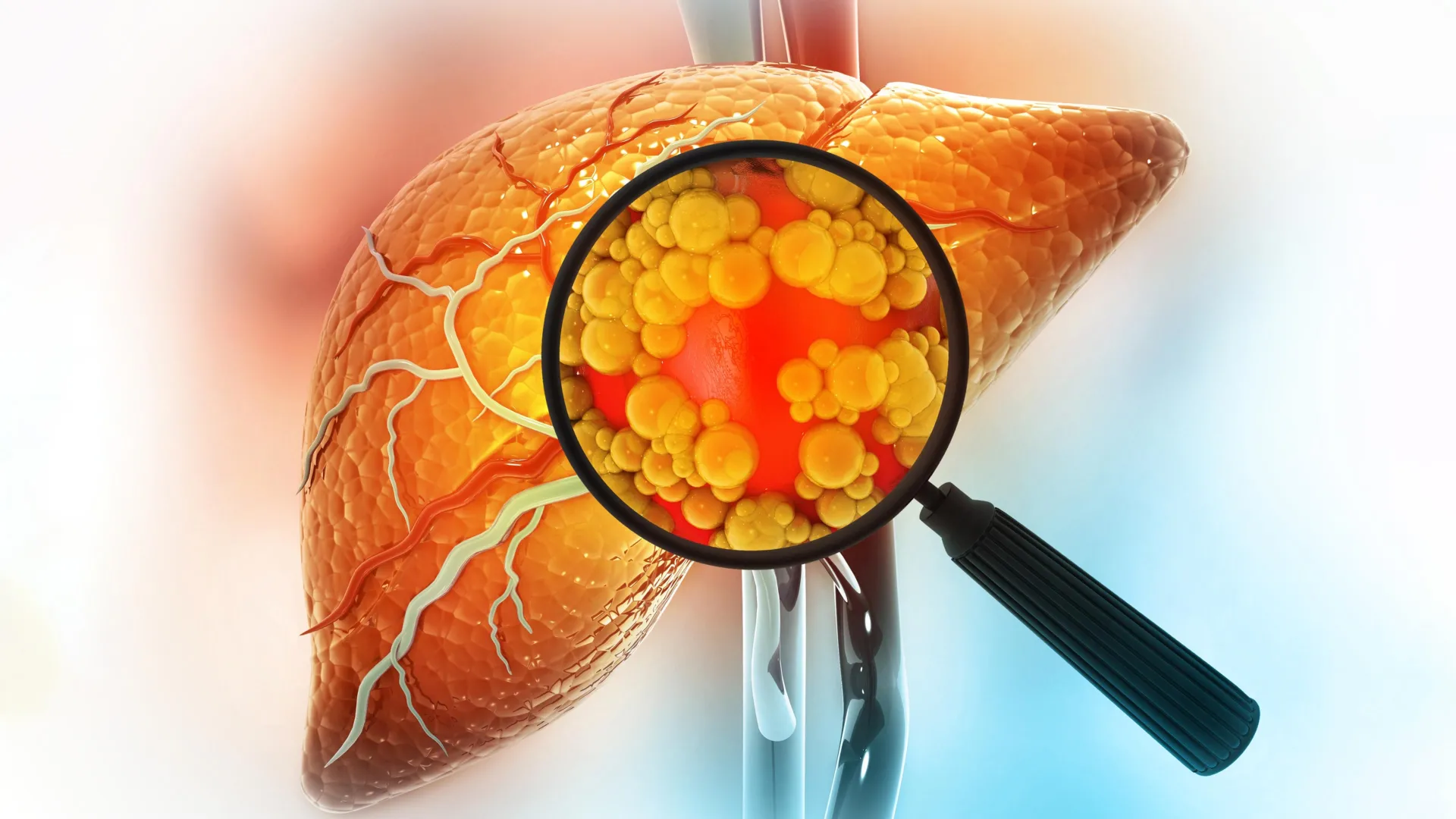
Liver fibrosis, a widespread yet frequently underdiagnosed global health challenge, affects hundreds of millions of individuals, silently progressing from a reversible condition to an irreversible state of advanced liver disease. This insidious process, characterized by the excessive accumulation of scar tissue within the hepatic organ, represents the body’s overzealous attempt to repair chronic damage. Without effective intervention, fibrosis inexorably advances to cirrhosis, a severe stage marked by widespread scarring and impaired liver function, significantly increasing the risk of life-threatening complications, including liver failure and hepatocellular carcinoma (HCC). Despite decades of intensive scientific inquiry and substantial investment in pharmaceutical research, the medical community currently lacks any antifibrotic agents approved specifically for clinical use, leaving an immense unmet need in patient care.
The pathology of liver fibrosis is complex and multifactorial, initiated by sustained injury to liver cells from various sources such as chronic viral hepatitis (e.g., Hepatitis B and C), excessive alcohol consumption, non-alcoholic fatty liver disease (NAFLD) or its more severe form, non-alcoholic steatohepatitis (NASH), metabolic disorders, exposure to certain toxins, and autoimmune conditions. This prolonged cellular stress triggers a sophisticated wound-healing response that, under normal circumstances, is crucial for tissue repair. However, in the context of chronic injury, this response becomes dysregulated and exaggerated, leading to a relentless cycle of inflammation, cell death, and extracellular matrix (ECM) deposition. A pivotal cellular player in this destructive cascade is the hepatic stellate cell (HSC). Ordinarily quiescent, these liver-resident mesenchymal cells store vitamin A and perform regulatory functions. Upon sustained liver injury, HSCs undergo a dramatic transformation, activating into highly proliferative, migratory, and contractile myofibroblast-like cells. In this activated state, they become the primary producers of fibrous proteins, notably various types of collagen, which are then deposited excessively, leading to the formation of dense scar tissue that progressively distorts liver architecture and impairs its vital functions.
The harmful transformation and subsequent fibrotic activity of HSCs are orchestrated by an intricate network of overlapping intracellular signaling pathways. Key among these are the Transforming Growth Factor-beta (TGF-β) pathway, the Platelet-Derived Growth Factor (PDGF) pathway, and the Wnt/β-catenin signaling axis. Because liver fibrosis involves the simultaneous dysregulation of multiple biological routes, therapeutic strategies targeting only a single pathway have often yielded limited clinical success. This inherent complexity has underscored the critical need for combination treatments capable of simultaneously modulating several drivers of the disease process, thereby offering a more comprehensive and effective therapeutic approach.
Against this backdrop of urgent need, a groundbreaking study published on December 15, 2025, in the esteemed journal Targetome, by a research team led by Professors Hong Wang and Haiping Hao at China Pharmaceutical University, has unveiled a highly promising therapeutic strategy. Their investigation reports that a meticulously designed fixed-dose combination of two readily available and well-characterized drugs, silybin and carvedilol, can potently suppress the activation of hepatic stellate cells and effectively reverse liver fibrosis in experimental models. This innovative approach, which leverages drug repurposing, specifically targets the critical Wnt4/β-catenin signaling pathway, presenting a realistic and potentially rapid pathway towards a long-awaited clinical treatment for liver fibrosis.
The journey to this discovery began with a comprehensive evaluation of silybin, a natural flavonoid derived from the milk thistle plant, Silybum marianum. Silybin has long been recognized for its hepatoprotective properties, including antioxidant, anti-inflammatory, and antifibrotic effects, and is widely used as a dietary supplement. To precisely delineate silybin’s therapeutic potential and its inherent limitations in the context of liver disease, the research team employed a multifaceted approach, integrating rigorous laboratory experiments, in vivo animal studies, phenotype-based drug screening, and sophisticated molecular analyses. Initial cellular investigations focused on various models of liver cell injury, specifically those induced by agents such as actinomycin D/tumor necrosis factor-alpha (ActD/TNFα), tertiary-butyl hydroperoxide (tBHP), and TNFα alone. These early experiments convincingly demonstrated silybin’s efficacy in protecting hepatocytes, restoring cellular viability, mitigating the production of harmful reactive oxygen species (ROS), and reducing the transcriptional activity of pro-inflammatory genes. Furthermore, silybin exhibited robust antiapoptotic, antioxidative, and anti-inflammatory effects in vitro, all without any detectable signs of toxicity, reaffirming its established safety profile.
However, when the researchers subsequently investigated silybin’s direct capacity to counteract the fibrotic process, the results revealed a crucial nuance. In human LX-2 and rat HSC-T6 stellate cell lines, both stimulated with the potent profibrotic cytokine TGFβ1, silybin demonstrated only a modest reduction in the expression of key fibrosis-associated markers. These markers included genes encoding Type I collagen (COL1A1, COL1A2), alpha-smooth muscle actin (ACTA2, a marker of activated myofibroblasts), and TGFB itself. A similar pattern emerged in in vivo models of liver fibrosis induced by carbon tetrachloride (CCl4) exposure in mice. While silybin administration led to slight improvements in liver enzyme levels, reduced collagen deposition, and attenuated fibrotic gene expression, its beneficial effects appeared to stem predominantly from its hepatoprotective actions rather than a direct and potent blockade of hepatic stellate cell activation. This observation highlighted a significant limitation of silybin as a standalone antifibrotic therapy, underscoring the need for a complementary agent.
To overcome this intrinsic limitation and amplify silybin’s antifibrotic potential, the research team embarked on an ambitious drug screening initiative. They meticulously screened 397 FDA-approved small molecule drugs, utilizing a sensitive COL1A1-luciferase reporter system as a high-throughput assay. This phenotypic screening approach was designed to identify compounds that could synergistically enhance silybin’s antifibrotic effect by reducing collagen production. From this extensive library, carvedilol, a widely used beta-blocker primarily prescribed for hypertension and heart failure, emerged as the most potent synergistic partner. Its unexpected identification through this unbiased screening methodology underscored the power of phenotypic drug discovery in revealing novel therapeutic applications for existing medications.
The combination of silybin and carvedilol proved remarkably effective. When co-administered, the two drugs synergistically and sharply reduced collagen production and suppressed hepatic stellate cell activation in a diverse array of in vitro models, including human and rat cell cultures, as well as in primary hepatic stellate cells isolated directly from liver tissue. In every experimental paradigm, the therapeutic efficacy of the silybin-carvedilol combination significantly surpassed that observed when either drug was administered individually, confirming a powerful synergistic interaction. Further rigorous testing in animal models of liver fibrosis meticulously established an optimal fixed-dose ratio of 50:1 (silybin to carvedilol). This precisely optimized pairing consistently yielded the most robust and profound antifibrotic results. Administration of this combination significantly attenuated liver injury, reduced inflammatory responses, and markedly decreased the overall severity of fibrosis in mice. Crucially, the observed therapeutic benefits were dose-dependent and demonstrated superior efficacy compared to obeticholic acid, a farnesoid X receptor (FXR) agonist that is currently approved for primary biliary cholangitis and under investigation for NASH, highlighting the potential clinical competitiveness of this novel combination.
Mechanistic investigations were crucial to unraveling the precise molecular underpinnings of this powerful synergy. The studies revealed that the combined action of silybin and carvedilol effectively and comprehensively shut down the Wnt/β-catenin signaling pathway, a crucial regulator of cell proliferation, differentiation, and tissue homeostasis, which becomes aberrantly activated in fibrotic diseases. Specifically, the combination therapy exhibited a superior capacity to suppress the Wnt ligand Wnt4 and to reduce downstream β-catenin activity more effectively than either drug administered alone. The Wnt/β-catenin pathway plays a critical role in promoting HSC activation and proliferation, as well as enhancing ECM production. By cooperatively targeting and inhibiting this pivotal pathway, silybin and carvedilol provide a clear and compelling molecular explanation for their profound synergistic antifibrotic effects, showcasing a precisely tuned mechanism of action.
This groundbreaking study highlights a highly pragmatic and accelerated treatment strategy rooted in the principles of drug repurposing and meticulously designed combination therapy. Both silybin and carvedilol are well-established medications, boasting extensive safety records from years of widespread clinical use across various indications. Furthermore, they are readily available and relatively inexpensive, factors that significantly reduce the financial and logistical barriers typically associated with novel drug development. Consequently, their combined application could potentially transition into human clinical testing much more rapidly than an entirely new chemical entity, offering a streamlined pathway to address a major and urgent unmet medical need for patients worldwide grappling with liver fibrosis. Beyond its specific implications for liver disease, this research also serves as a compelling testament to the utility of phenotype-based drug screening methodologies. Such unbiased approaches possess the remarkable capacity to uncover powerful and often unexpected synergistic drug partnerships that may have been "hiding in plain sight" within existing pharmaceutical libraries, paving the way for innovative treatments across a spectrum of complex diseases. The work was made possible through substantial support from various key funding bodies, including the Major State Basic Research Development Program of China, the National Natural Science Foundation of China, and other significant provincial and institutional grants.
About the Author