As global demographics continue their shift towards an older population, the pursuit of healthy aging has taken center stage in public health discourse. Reaching and exceeding the age of 55 often brings a confluence of physiological changes that necessitate a more deliberate and nutrient-focused approach to daily sustenance. While the concept of a balanced diet remains universally important, its specifics evolve with age, demanding increased attention to foods that actively counteract age-related decline and bolster long-term vitality. Understanding these evolving nutritional requirements is crucial for maintaining physical function, mental acuity, and overall well-being well into later life.

The human body undergoes several significant transformations once individuals pass the mid-fifties threshold. For instance, the efficiency of muscle protein synthesis, a fundamental process for maintaining muscle mass and strength, typically diminishes. Concurrently, bone turnover rates tend to accelerate, potentially leading to reduced bone density. The body’s inherent inflammatory responses and oxidative stress levels often rise, contributing to the progression of various chronic conditions. Furthermore, the digestive system may become less adept at absorbing vital nutrients from food. These cumulative changes underscore the profound importance of strategic dietary choices, as emphasized by nutrition experts like Tara Collingwood, a Board Certified Sports Dietitian and co-author, who highlights that while striving for dietary perfection might be unrealistic, consistent, healthful eating habits yield substantial benefits over time. A proactive stance on nutrition can significantly mitigate these age-related challenges, fostering resilience and promoting a higher quality of life.
A cornerstone of this age-attuned dietary strategy involves prioritizing foods that support critical bodily systems. We delve into key food categories that offer robust benefits for bone health, muscle preservation, cardiovascular function, cognitive sharpness, and metabolic balance.
Fortifying Bone and Muscle Integrity
Maintaining strong bones and robust muscle mass is paramount for mobility, independence, and preventing falls in older adults. Several food groups are particularly effective in bolstering these structural components of the body.

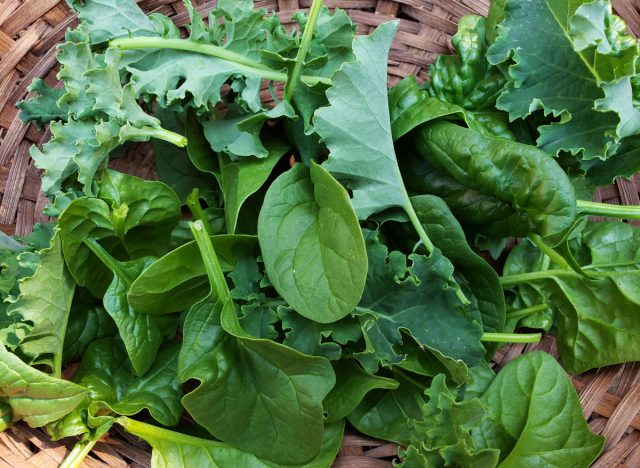
Leafy Green Vegetables: Incorporating a daily serving of leafy greens such as spinach, kale, collard greens, and Swiss chard provides a powerful nutritional punch. These vibrant vegetables are rich sources of Vitamin K, a fat-soluble vitamin essential for the synthesis of proteins involved in blood clotting and bone metabolism, including osteocalcin, which helps bind calcium in the bone matrix. Beyond bone health, their folate content supports cell division and DNA synthesis, while magnesium contributes to over 300 enzymatic reactions in the body, including those critical for muscle and nerve function, blood glucose control, and blood pressure regulation. Aiming for at least one cup of cooked greens or two cups raw daily can significantly contribute to these vital functions.
Eggs: Often hailed as a "perfect protein," eggs deliver high-quality, complete protein containing all nine essential amino acids necessary for muscle repair and growth, a critical factor in combating age-related muscle loss (sarcopenia). Beyond protein, eggs are a notable source of choline, a nutrient vital for brain health, neurotransmitter synthesis (particularly acetylcholine, which is involved in memory and muscle control), and liver function. They also contain lutein and zeaxanthin, powerful antioxidants that accumulate in the retina and are associated with a reduced risk of age-related macular degeneration, a leading cause of vision loss in older adults. For individuals with well-managed cholesterol levels, consuming one or more eggs daily is a highly recommended practice.

Fatty Fish: Species like salmon, sardines, and trout are celebrated for their exceptional omega-3 fatty acid content, specifically eicosapentaenoic acid (EPA) and docosahexaenoic acid (DHA). These polyunsaturated fats are potent anti-inflammatory agents, crucial for joint health and mitigating systemic inflammation. EPA and DHA are also indispensable for cardiovascular well-being, helping to lower triglyceride levels, reduce blood pressure, and improve endothelial function. Moreover, DHA is a primary structural component of the brain’s gray matter and retina, playing a pivotal role in cognitive function and visual health. These fish also provide Vitamin D, which works synergistically with calcium to maintain bone density and supports immune function and mood regulation. Striving for three to four ounces of fatty fish on most days of the week offers substantial health dividends. When selecting fish, considering sustainably sourced options can also contribute to environmental health.
Fermented Dairy and Alternatives: Products like Greek yogurt and kefir are nutritional powerhouses. Greek yogurt offers a higher protein content than regular yogurt, making it excellent for muscle maintenance and satiety. Both are rich in calcium, a mineral indispensable for bone structure and density, and often fortified with Vitamin D, which facilitates calcium absorption. Crucially, these foods contain live and active cultures, or probiotics, which support a healthy gut microbiome. A balanced gut environment is linked to improved digestion, enhanced nutrient absorption, and a robust immune system, all of which are increasingly important as one ages. A daily intake of three-quarters to one cup of these fermented options can significantly contribute to bone and gut health. For those with lactose intolerance or following plant-based diets, fortified milk alternatives (such as almond, soy, or oat milk) offer comparable calcium and Vitamin D benefits.

Enhancing Cognitive Vitality and Mitigating Inflammation
Protecting brain health and managing inflammation are key objectives for vibrant aging. Certain foods excel in providing the necessary compounds to achieve these goals.

Berries: Blueberries, strawberries, raspberries, and other small fruits are bursting with polyphenols and antioxidants, particularly anthocyanins, which give them their vibrant colors. These compounds combat oxidative stress and inflammation, two processes implicated in age-related cognitive decline and various chronic diseases. Research suggests that regular berry consumption may contribute to slower rates of cognitive decline and improved memory function. A half to one cup serving of these flavorful fruits daily can be a delightful way to bolster brain health and overall cellular protection.
Extra Virgin Olive Oil: A staple of the Mediterranean diet, extra virgin olive oil is a rich source of monounsaturated fatty acids, predominantly oleic acid, known for its heart-protective properties. Its "extra virgin" designation signifies that it is cold-pressed, retaining higher levels of beneficial polyphenols, which possess potent anti-inflammatory and antioxidant effects. Regular consumption is associated with improved cardiovascular health, including favorable cholesterol profiles and blood pressure regulation. Incorporating one to two tablespoons daily into cooking or as a dressing can contribute significantly to its anti-inflammatory and cardioprotective benefits.

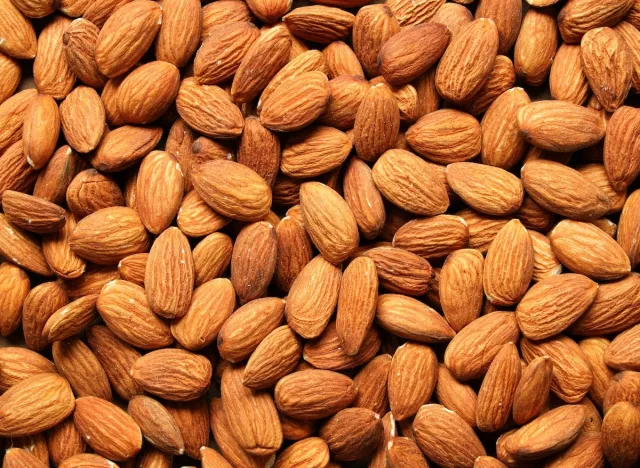
Nuts: Varieties such as walnuts and almonds are nutrient-dense powerhouses. They provide a beneficial blend of healthy monounsaturated and polyunsaturated fats, including alpha-linolenic acid (ALA) in walnuts, which is a plant-based omega-3 fatty acid. Nuts are also excellent sources of Vitamin E, a fat-soluble antioxidant that helps protect cells from oxidative damage, and magnesium, which supports muscle and nerve function, blood sugar control, and blood pressure. Regular nut consumption has been consistently linked to a reduced risk of cardiovascular disease. A small handful, approximately one ounce, daily makes for a satisfying and health-promoting snack.
Supporting Metabolic Health and Digestive Wellness
Maintaining stable blood sugar, healthy cholesterol levels, and efficient digestion is critical for preventing common age-related metabolic disorders and ensuring comfort.
Beans and Lentils: These versatile legumes are exceptional sources of dietary fiber, both soluble and insoluble. Soluble fiber helps regulate blood sugar by slowing glucose absorption and can reduce LDL ("bad") cholesterol by binding to it in the digestive tract. Insoluble fiber aids in digestive regularity and gut motility. Beyond fiber, beans and lentils provide a substantial amount of plant-based protein, magnesium, and potassium, contributing to blood pressure regulation and overall metabolic health. Their inclusion in the diet, at about a half to one cup cooked daily, offers an affordable and nutrient-rich way to support cardiovascular and digestive systems, aligning with dietary patterns observed in long-lived populations.
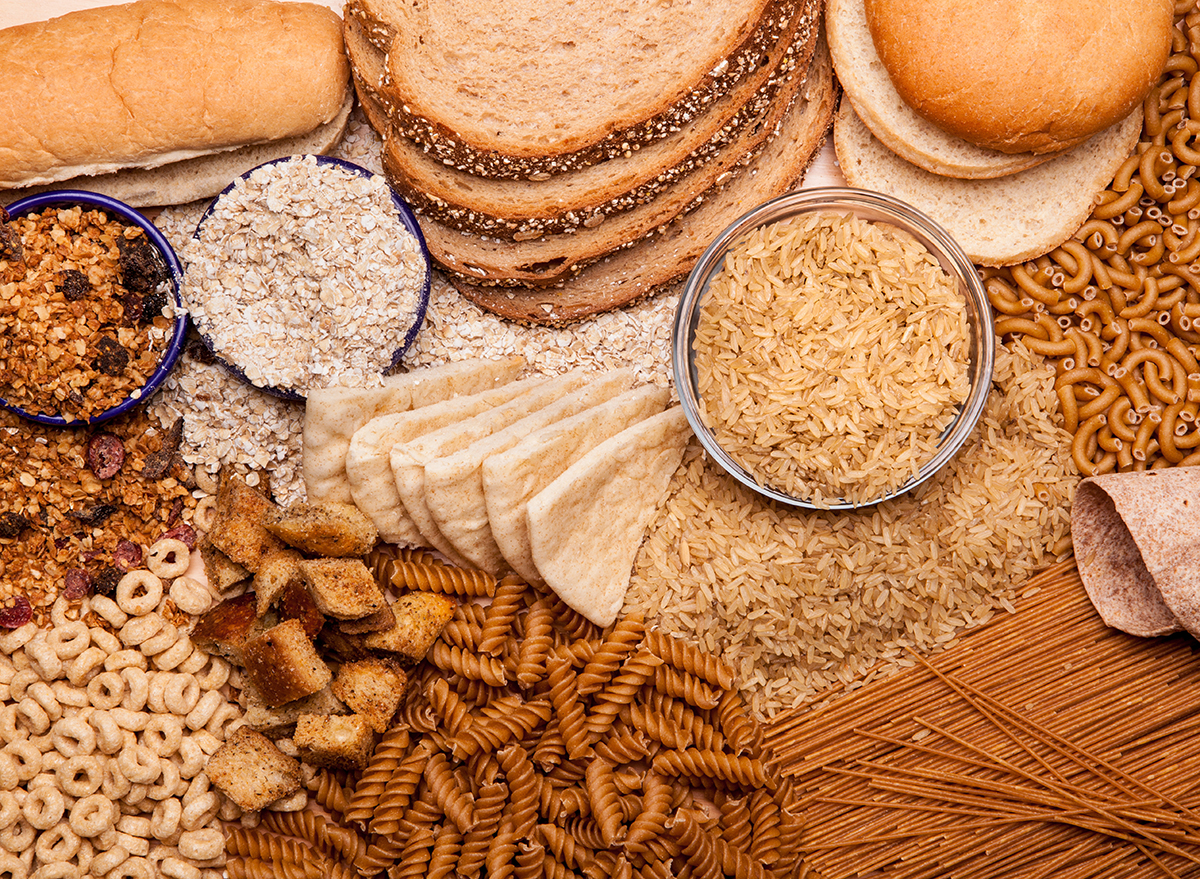
Whole Grains: Unlike refined grains, whole grains such as oats, quinoa, and barley retain their bran, germ, and endosperm, providing a richer profile of fiber and B vitamins. The fiber content supports digestive health, promotes satiety, and helps stabilize blood sugar levels, which is crucial for insulin sensitivity and preventing type 2 diabetes. B vitamins play a vital role in energy metabolism, converting food into usable energy. Aiming for one to two servings of whole grains daily can contribute significantly to digestive regularity and metabolic balance.
Cruciferous Vegetables: Broccoli, Brussels sprouts, and cauliflower are not just fibrous and vitamin-rich; they contain unique compounds known as glucosinolates. When these vegetables are chopped or chewed, glucosinolates are converted into biologically active compounds like sulforaphane and indole-3-carbinol. These compounds are celebrated for their ability to support the body’s natural detoxification pathways (activating Phase I and Phase II enzymes in the liver) and may contribute to reducing the risk of certain cancers due to their antioxidant and anti-inflammatory properties. Consuming one cup of cooked or raw cruciferous vegetables daily is a powerful strategy for cellular health and disease prevention.

The Power of Synergy and Consistent Choices
It is important to recognize that the benefits derived from these foods are not isolated; they often work synergistically within the complex biochemical landscape of the body. For example, calcium and Vitamin D are more effective for bone health when consumed together, and the antioxidants in berries complement those found in leafy greens to provide comprehensive cellular protection. The overarching theme, as reiterated by nutrition experts, is the profound impact of consistent, thoughtful dietary choices over time. Small, daily inclusions of nutrient-dense foods accumulate to create significant health advantages.

Embracing these dietary cornerstones is a powerful step towards optimizing health and vitality in the years beyond 55. However, a holistic approach to healthy aging extends beyond nutrition to include regular physical activity, adequate sleep, stress management, and maintaining social connections. Individuals are encouraged to consult with healthcare providers or registered dietitians to tailor these general recommendations to their specific health needs, dietary preferences, and any existing medical conditions. By making informed and consistent nutritional choices, individuals can actively shape their trajectory towards a more vibrant, healthy, and independent future.
About the Author