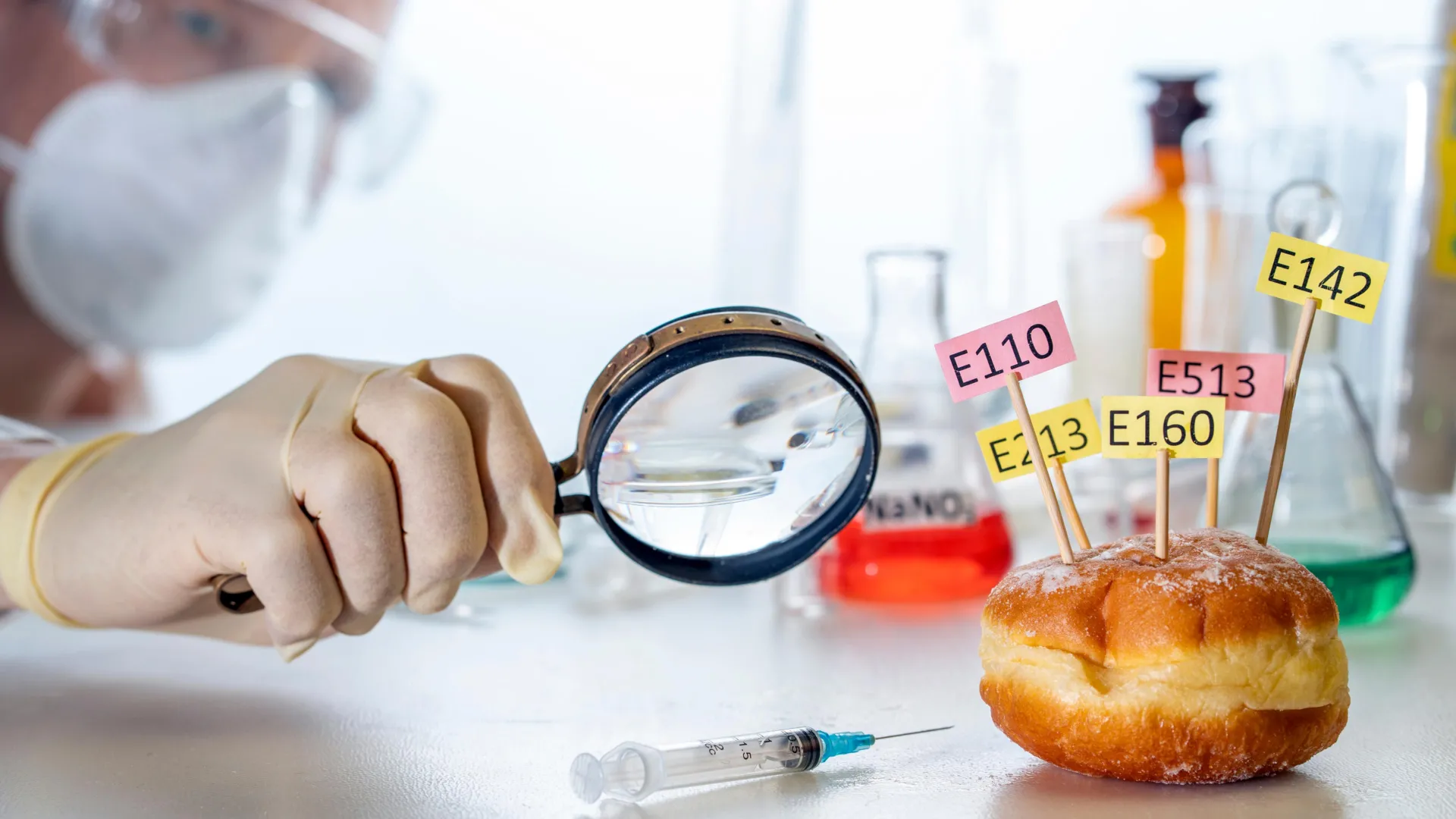
A comprehensive, long-term epidemiological investigation conducted in France and published in the esteemed medical journal The BMJ has brought to light a potential association between elevated consumption of certain food preservatives and a subtly increased risk of developing cancer. These substances, widely employed in the industrial production of food and beverages to prolong their usability and prevent deterioration, are now facing renewed scrutiny from the scientific community and public health advocates. While the researchers involved are quick to emphasize that further corroboration through additional scientific endeavors is imperative for a definitive understanding of this complex relationship, their findings nonetheless provoke critical contemplation regarding prevailing regulatory frameworks governing food safety. The study suggests a compelling need to re-evaluate the established safety benchmarks for food preservatives, with the ultimate aim of enhancing consumer protection against potential health hazards.
The rationale behind the heightened focus on these ubiquitous food additives stems from their fundamental purpose: to inhibit microbial proliferation and retard the chemical and physical changes that lead to spoilage, thereby extending the window during which foods remain safe for consumption. Prior laboratory-based investigations have, in some instances, indicated that specific preservatives possess the capacity to induce cellular damage and compromise genetic material (DNA). However, until this recent extensive study, empirical evidence derived from real-world human populations directly correlating the intake of these additives with an elevated risk of cancer remained notably scarce.
To address this knowledge gap, the research team embarked on an ambitious project, meticulously analyzing extensive longitudinal dietary habits and subsequent health outcomes data meticulously collected over a substantial period, spanning from 2009 to 2023. The primary objective of this undertaking was to ascertain whether discernible exposure patterns to a range of specific preservative food additives were statistically linked to the incidence of cancer among adult populations.
This significant research initiative drew upon the rich dataset of the NutriNet-Santé cohort, a well-established French population-based study designed to investigate the intricate links between nutrition and health. The study meticulously followed the dietary patterns and health trajectories of 105,260 participants, all of whom were aged 15 years or older at the commencement of the data collection. The average age of this cohort was approximately 42 years, with women constituting a substantial majority, representing 79% of the participants. Crucially, all individuals enrolled in the study were confirmed to be free of cancer at the outset of the observation period. Over an average duration of 7.5 years, participants diligently completed detailed 24-hour dietary recall questionnaires, which included brand-specific information for consumed food items, providing an unprecedented level of granularity in assessing dietary intake.
Following this extensive dietary data collection, the researchers diligently tracked the occurrence of cancer diagnoses through a multi-pronged approach. This involved the regular administration of health questionnaires to participants, supplemented by rigorous examination of official medical records and mortality data, continuing through to December 31, 2023. This comprehensive follow-up strategy ensured a robust capture of cancer incidence within the cohort.
The analytical scope of this investigation encompassed a detailed examination of 17 distinct food preservatives. This list included commonly encountered compounds such as citric acid, lecithins, a broad category of sulfites, ascorbic acid, sodium nitrite, potassium sorbate, sodium erythorbate, sodium ascorbate, potassium metabisulfite, and potassium nitrate, among others. For the purposes of their analysis, these preservatives were systematically classified into two principal functional groups: non-antioxidants and antioxidants. Non-antioxidant preservatives primarily function by inhibiting the growth of microorganisms or by slowing down the chemical reactions that contribute to food spoilage. Antioxidants, conversely, operate by delaying the deterioration of food products through mechanisms that reduce or limit the exposure to oxygen, often facilitated by specialized packaging.
During the protracted follow-up period of the study, a total of 4,226 participants were diagnosed with various forms of cancer. This aggregate figure comprised a significant number of specific cancer types, including 1,208 cases of breast cancer, 508 instances of prostate cancer, 352 diagnoses of colorectal cancer, and an additional 2,158 cases representing a spectrum of other cancer types.
Upon initial examination of the data, when all studied preservatives were considered collectively, no statistically significant overall association with cancer risk was detected across the entire cohort. Furthermore, a detailed breakdown revealed that 11 out of the 17 individual preservatives subjected to scrutiny demonstrated no discernible link with the incidence of cancer.
However, a more granular analysis unveiled a noteworthy trend: a higher consumption of several specific individual preservatives was indeed associated with a greater likelihood of developing cancer, with this association being particularly pronounced among the non-antioxidant category of additives. The preservatives identified in this category included potassium sorbate, potassium metabisulfite, sodium nitrite, potassium nitrate, and acetic acid.
Specifically, the data indicated that higher total intake of sorbates, and more acutely potassium sorbate, was linked to a 14% elevated risk of overall cancer incidence and a substantial 26% increased risk of breast cancer. Similarly, elevated levels of total sulfites correlated with a 12% rise in the risk of developing cancer overall.
Sodium nitrite emerged as a significant factor, showing an association with a marked 32% higher risk of prostate cancer. Potassium nitrate was also implicated, demonstrating a 13% increase in overall cancer risk and a 22% higher risk of breast cancer. The broader category of total acetates was associated with a 15% greater risk of overall cancer and a 25% increase in breast cancer risk, with acetic acid alone linked to a 12% increase in overall cancer risk. Among the antioxidant preservatives examined, only the combined category of total erythorbates and the specific compound sodium erythorbate demonstrated a correlation with a higher incidence of cancer.
The researchers have posited several plausible biological mechanisms that might underpin these observed associations. They note that a number of the preservatives identified as being linked to increased cancer risk have demonstrated the capacity to influence immune system function and modulate inflammatory processes within the body. These alterations, if sustained or significant, could potentially play a role in the complex cascade of events leading to cancer development, although the researchers stress that further investigation is critically needed to definitively confirm these proposed pathways.
It is essential to reiterate the inherent limitations of this study, as it was observational in nature. Such study designs, while valuable for identifying potential associations, cannot definitively establish a causal relationship, meaning they cannot prove that the preservatives directly cause cancer. The authors also candidly acknowledge that other unmeasured confounding factors, not accounted for in their analysis, may have influenced the observed results, underscoring the need for caution in interpreting the findings.
Despite these acknowledged limitations, the researchers highlight several strengths that lend considerable weight to their conclusions. The study’s substantial sample size, coupled with the detailed nature of the dietary data that was directly linked to comprehensive food composition databases, and the exceptionally long follow-up period extending beyond a decade, collectively contribute to the robustness of the findings. Furthermore, the study’s results resonate with and lend support to existing experimental research that has suggested potential cancer-related effects for some of these chemical compounds.
Based on the comprehensive evidence gathered, the study authors conclude that "This study brings new insights for the future re-evaluation of the safety of these food additives by health agencies, considering the balance between benefit and risk for food preservation and cancer." This statement underscores the study’s contribution to the ongoing discourse on food additive safety and regulatory policy.
The implications of these findings extend significantly to both consumers and policymakers. The researchers advocate for food manufacturers to proactively reduce their reliance on non-essential preservatives and actively support public health initiatives that encourage consumers to prioritize freshly prepared, minimally processed foods whenever feasible.
In a contemporaneous editorial commentary, independent researchers from the United States acknowledged the undeniable benefits conferred by preservatives, such as extending shelf life and contributing to lower food costs, which can be particularly advantageous for populations with limited financial resources. Nevertheless, they contend that the pervasive and often inadequately supervised application of these additives, coupled with the persistent uncertainties surrounding their long-term health consequences, necessitates a more nuanced and balanced regulatory approach.
These external commentators suggest that the insights gleaned from the NutriNet-Santé study could serve as a catalyst for regulatory bodies to revisit and potentially revise existing policies. Potential avenues for reform could include the implementation of more stringent limits on the permissible levels of preservative usage, the mandating of clearer and more informative product labeling regarding additive content, and the establishment of international surveillance mechanisms akin to those already in place for monitoring trans fatty acids and sodium intake. The editorial concludes by noting that, "At the individual level, public health guidance is already more definitive about the reduction of processed meat and alcohol intake, offering actionable steps even as evidence on the carcinogenic effects of preservatives is evolving." This suggests that, even in the face of evolving evidence on preservatives, consumers can take proactive steps towards a healthier diet by reducing consumption of other known risk factors.
About the Author