Individuals experiencing paralysis, particularly due to spinal cord injuries, often find themselves disconnected from their own bodies, unable to initiate voluntary movements in their limbs. This debilitating condition arises not from inherent damage to the nerves within the affected extremities or a failure of the brain’s cognitive functions, but rather from a critical disruption in the neural pathways that normally transmit commands from the brain to the muscles. The spinal cord, acting as the central communication highway, becomes a barrier, preventing these vital signals from reaching their intended destinations. This profound disconnect has spurred a dedicated quest among scientists to devise innovative strategies for re-establishing this crucial communication link without necessitating direct repair of the damaged spinal cord itself.
A recent study, meticulously documented in the scientific journal APL Bioengineering and published by AIP Publishing, has illuminated a promising avenue for achieving this goal, spearheaded by a collaborative effort between researchers from leading academic institutions in Italy and Switzerland. Their investigation centered on the potential of electroencephalography (EEG), a well-established non-invasive technique for measuring brain activity, to serve as a bridge across the neural chasm created by spinal cord injury. The core of their inquiry was to ascertain whether EEG could reliably capture the nuanced electrical signatures generated by the brain when an individual intends to move, and subsequently, how these detected signals could be translated into actionable commands for the body.
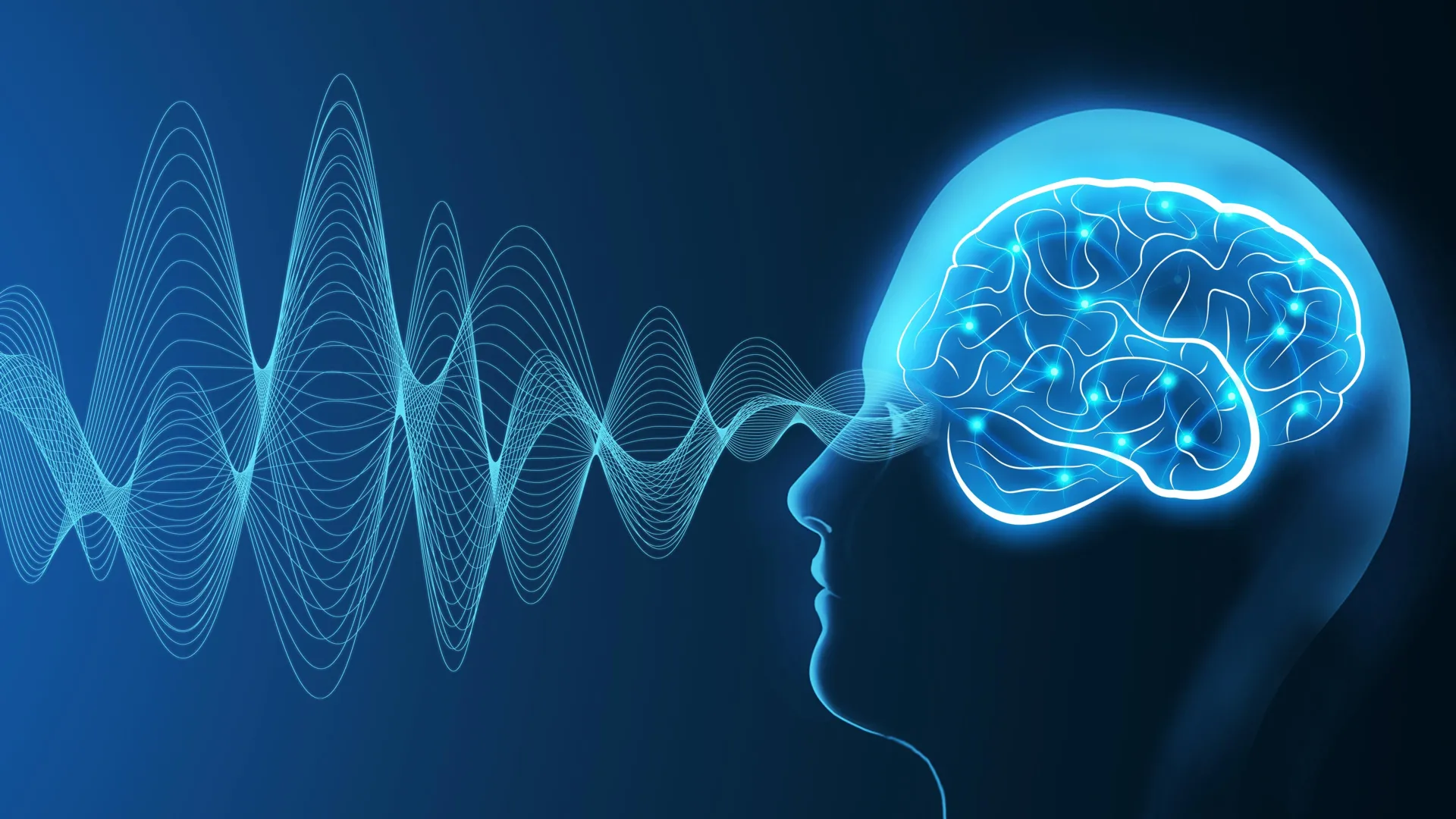
The fundamental principle underpinning this research is that even when a limb is paralyzed, the brain remains actively engaged in the intention to move. When a person consciously attempts to flex a finger or shift their weight, complex patterns of electrical activity course through their brain. The hypothesis explored by these scientists is that if these movement-related brain signals can be accurately detected, interpreted, and then directed to a suitable actuator, such as a spinal cord stimulator, it could effectively bypass the injured spinal cord and re-animate the nerves responsible for muscle contraction and, consequently, movement.
This innovative approach represents a significant departure from many prior research endeavors, which often relied on surgically implanted electrodes. These invasive methods, while demonstrating some success in directly recording neural signals from within the brain, carry inherent risks associated with any surgical procedure, including infection and the potential for tissue damage. The research team, driven by a desire to find a safer and more accessible solution, specifically aimed to explore the viability of EEG as an alternative that circumvents the need for intracranial surgery.
EEG technology typically involves the use of a cap fitted with numerous electrodes strategically placed on the scalp. These electrodes are designed to detect the subtle electrical fluctuations emanating from the brain’s neuronal activity. While the setup might appear visually complex, its primary advantage lies in its entirely non-invasive nature, completely avoiding the inherent risks and complexities associated with implanting devices directly into the brain or spinal cord. As articulated by Laura Toni, one of the study’s authors, the motivation was to explore whether the necessity of invasive procedures, with their associated risks like infections and the need for further surgical intervention, could be entirely obviated.
However, harnessing EEG to accurately decode specific movement intentions presents considerable technological hurdles. The very characteristic that makes EEG non-invasive – its placement on the scalp – also limits its capacity to capture signals originating from deeper brain structures with high fidelity. This spatial resolution limitation becomes particularly pronounced when attempting to decipher signals related to the control of lower limbs. Brain regions responsible for controlling leg and foot movements are situated more centrally within the brain compared to those governing arm and hand movements, which are located in more superficial cortical areas. Consequently, signals from the central brain regions are more attenuated and dispersed by the time they reach the scalp, making them inherently more challenging to detect and interpret with precision. Toni further elaborated that the brain’s control centers for lower limb movements are located in a more concentrated, central area, whereas upper limb control is distributed more broadly on the outer surface of the brain, rendering the spatial mapping and decoding process comparatively more straightforward for the upper extremities.
To surmount the challenges posed by the subtle and often noisy nature of EEG data, the researchers leveraged the power of advanced machine learning algorithms. These sophisticated computational tools are particularly adept at identifying intricate patterns within large and complex datasets, making them ideal for analyzing the nuances of brainwave activity. During the experimental phase, participants donned EEG caps and were instructed to perform a series of basic movement attempts while their brain activity was meticulously recorded. The gathered data was then used to train the machine learning algorithm, enabling it to learn to differentiate between signals associated with deliberate movement attempts and those corresponding to a state of stillness.
The results of this initial training phase demonstrated a significant achievement: the system proved capable of distinguishing, with notable accuracy, between periods when participants were actively trying to move and when they were at rest. This foundational success indicates the potential of EEG to detect the intent to move. Nevertheless, the algorithm encountered difficulties in differentiating between the distinct types of movement attempts. While it could discern that a movement was being willed, it struggled to precisely identify which specific movement was being intended, such as distinguishing between an attempt to stand versus an attempt to walk.
Looking ahead, the research team expresses considerable optimism regarding the future potential of their methodology, envisioning a path toward more refined and functional applications. Their immediate plans involve further development and optimization of the machine learning algorithm. The goal is to enhance its discriminative capabilities to the point where it can recognize and classify a wider spectrum of specific actions, including complex motor tasks like standing, walking, or even climbing stairs. Beyond refining the decoding process, the researchers are also keen to explore the practical integration of these decoded neural signals with existing or emerging technologies, such as implanted stimulators, to directly facilitate movement in patients recovering from spinal cord injuries.
If these ambitious research objectives are successfully met, this non-invasive brain-computer interface approach could represent a significant leap forward, bringing the promise of regaining meaningful motor control after paralysis substantially closer to reality for countless individuals affected by such profound neurological challenges. The potential to harness the brain’s own signals, without the need for invasive procedures, offers a beacon of hope for restoring independence and improving the quality of life for those living with paralysis.
About the Author