The intricate circuitry connecting the human brain to the motor functions of the limbs can be profoundly disrupted by injuries to the spinal cord, leaving individuals with a devastating loss of voluntary movement. In many instances of spinal cord trauma, the peripheral nerves within the affected limbs remain physiologically intact, and the brain’s capacity for generating motor commands continues unimpeded. The critical failure lies in the severed communication pathway, where damage to the spinal cord acts as an insurmountable barrier, preventing neural signals from reaching their intended destinations in the body. This fundamental disconnect has spurred a significant scientific quest to establish alternative routes for communication, bypassing the compromised spinal column altogether.
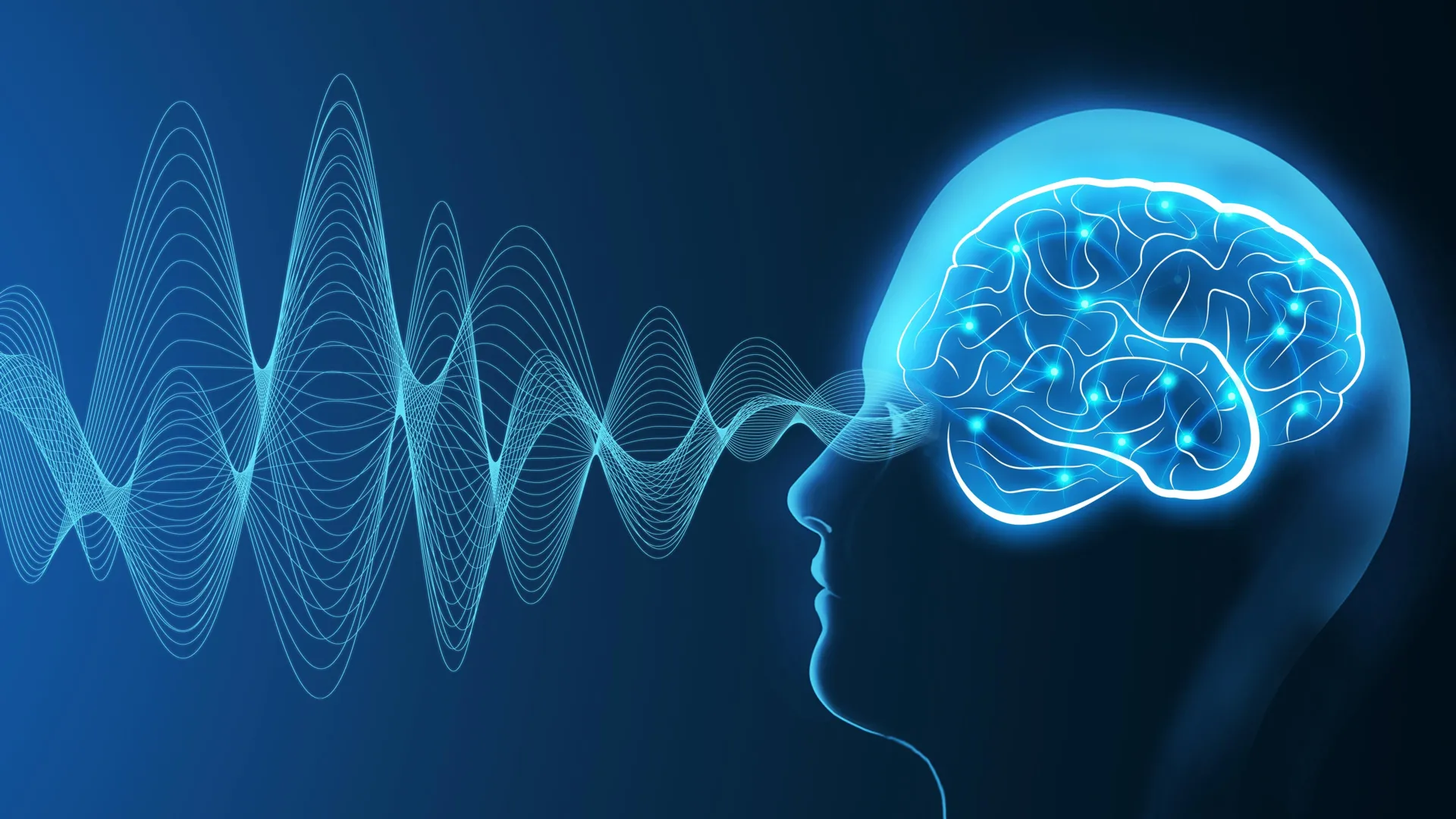
A recent investigation, detailed in the esteemed journal APL Bioengineering published by AIP Publishing, has delved into the potential of electroencephalography (EEG) as a non-invasive means to bridge this debilitating communication gap. Researchers from leading academic institutions in Italy and Switzerland collaborated to ascertain whether EEG could reliably capture the nuanced electrical signatures generated by the brain during intended movements, and crucially, whether these captured signals could be translated into actionable commands to restore motor function. The underlying principle is that even when a limb is paralyzed, the brain continues to generate specific electrical patterns associated with the attempt to move. The hypothesis is that if these sophisticated neural signals can be accurately detected and interpreted, they could then be directed to external devices, such as spinal cord stimulators, which would then activate the nerves responsible for initiating movement in the affected limb.
This research endeavor represents a significant departure from many preceding studies, which often necessitated invasive surgical procedures to implant electrodes directly into the brain for recording neural activity. While these implanted systems have demonstrated promising results in regaining some degree of motor control, the current research team was driven by the ambition to explore a fundamentally safer, non-surgical alternative. EEG technology operates on a vastly different paradigm, utilizing a cap adorned with numerous electrodes positioned on the scalp to record the electrical activity of the brain. Although the apparatus might appear intricate, its primary advantage lies in circumventing the inherent risks associated with any surgical intervention, such as the potential for infection or the need for further medical procedures, as highlighted by author Laura Toni, who emphasized the desire to avoid these complications.
However, harnessing EEG for the precise decoding of motor intent presents considerable technological hurdles. The very nature of EEG, with its electrodes situated externally on the scalp, inherently limits its ability to capture signals originating from deeper within the brain’s complex architecture. This inherent limitation poses a greater challenge when aiming to decode signals related to lower limb movements compared to those controlling the arms and hands. The neural pathways responsible for controlling leg and foot movements are predominantly located in more central regions of the brain, making their electrical signatures more diffuse and harder to discern through scalp-based recordings. Conversely, signals governing upper limb movements tend to originate from areas closer to the cortical surface, allowing for a more spatially defined and thus more interpretable mapping of the intended action, as explained by Toni. This difference in signal origin and distribution creates a disparity in the ease with which different types of movements can be decoded using EEG.
To surmount the complexities of analyzing the subtle and often noisy EEG data, the researchers employed a sophisticated machine learning algorithm. This advanced computational tool was specifically designed to adeptly process small and intricate datasets, a characteristic common in brain-computer interface research. During the experimental phase, participants donned EEG caps and were instructed to attempt a range of simple movements while their brain activity was meticulously recorded. The machine learning algorithm was then trained to meticulously categorize and differentiate these recorded signals. The algorithm demonstrated considerable success in distinguishing periods when participants actively attempted to move from periods when they remained at rest. Nevertheless, the system encountered difficulties in differentiating between distinct types of attempted movements, a crucial step for enabling nuanced control.
Looking toward the future, the research team expresses optimism that their current methodology can be significantly enhanced through ongoing development. Their immediate plans involve refining the machine learning algorithm to enable it to recognize and interpret specific, complex actions such as standing, walking, or even climbing. Furthermore, the researchers are keen to investigate the practical application of these decoded neural signals, exploring how they could be utilized to precisely activate implanted stimulatory devices in patients undergoing rehabilitation for spinal cord injuries. The ultimate aspiration is that if these advancements prove successful, this non-invasive brain scanning approach could move from the realm of research into a tangible clinical tool, offering a genuine pathway for individuals living with paralysis to regain meaningful control over their bodily movements and significantly improve their quality of life. This pioneering work represents a crucial step forward in the quest to restore function after devastating neurological damage, offering a beacon of hope where previously there was little.
About the Author