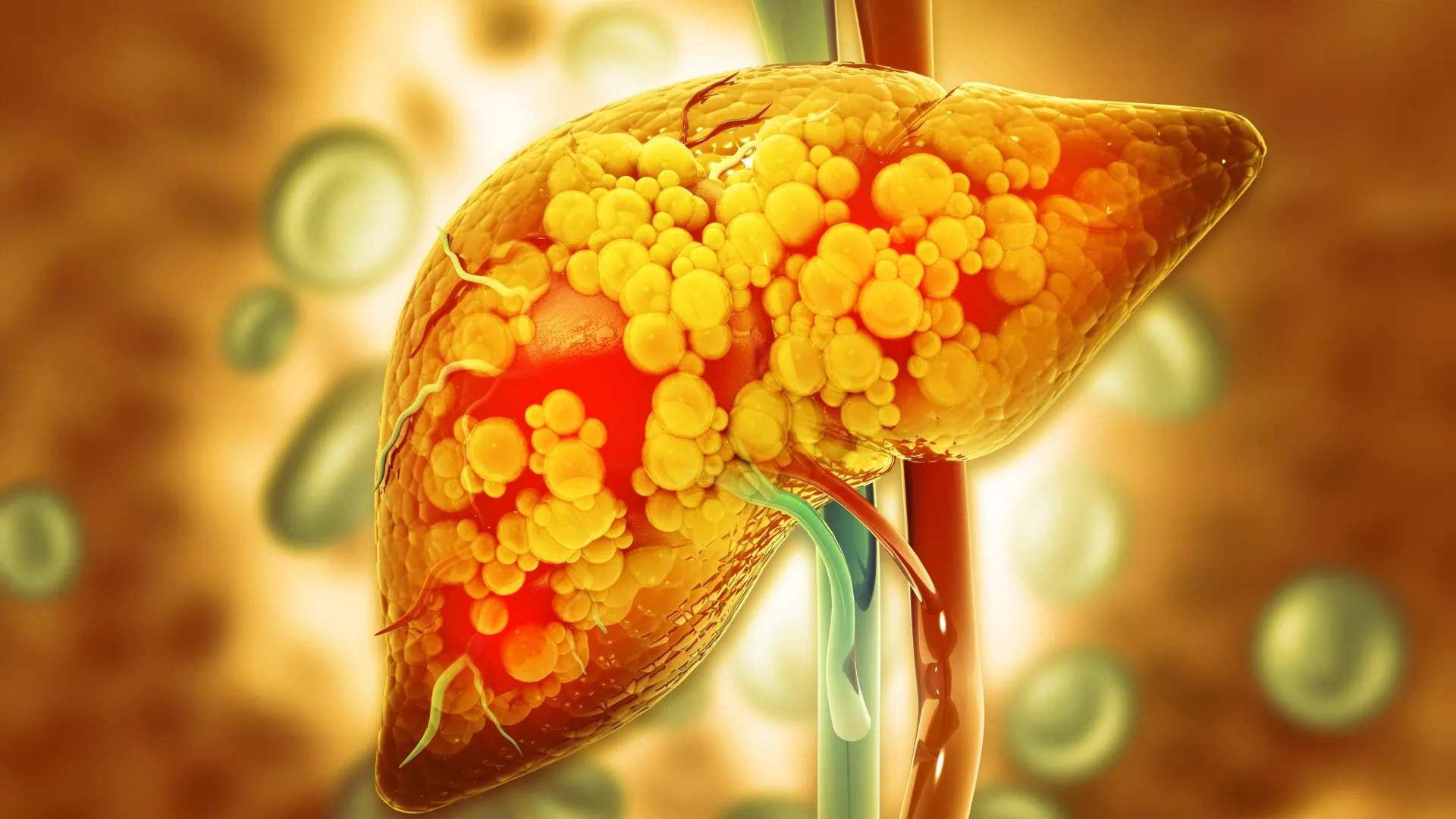
The global health landscape faces a formidable challenge in the escalating prevalence of metabolic dysfunction-associated steatotic liver disease (MASLD), a condition formerly recognized as non-alcoholic fatty liver disease (NAFLD). This hepatic disorder, characterized by excessive fat accumulation in the liver, is no longer confined to the adult population; it is increasingly diagnosed in children, often with a more aggressive trajectory. A significant contributing factor to this concerning trend has been identified as maternal dietary patterns during critical periods of gestation and lactation, particularly those characterized by high caloric density from fats and refined sugars. However, pioneering research emanating from the University of Oklahoma now offers a glimmer of hope, suggesting a novel mechanism through which this intergenerational vulnerability might be attenuated. A recent investigation revealed that offspring born to pregnant and nursing mothers, when supplemented with a naturally occurring compound generated by beneficial gut microbiota, exhibited markedly reduced rates of MASLD as they matured.
At the heart of this transformative discovery lies indole, a small organic molecule that emerges as a byproduct of tryptophan metabolism by specific bacterial species residing within the gut. Tryptophan, an essential amino acid, is widely available in protein-rich foods such as poultry and various nuts. The findings of this study significantly augment the burgeoning body of scientific literature dedicated to understanding and ultimately preventing MASLD, a condition inextricably linked with metabolic syndrome and type 2 diabetes. While MASLD afflicts individuals across all age demographics, its progression in pediatric populations is often accelerated, posing a substantial long-term health burden.
Dr. Jed Friedman, who directs the OU Health Harold Hamm Diabetes Center and holds professorial appointments in biochemistry and physiology within the OU College of Medicine, underscored the gravity of the pediatric MASLD epidemic. "The incidence of MASLD among children currently stands at approximately 30% for those classified as obese, diminishing to about 10% in non-obese pediatric cases," Dr. Friedman elucidated. He further emphasized the heightened susceptibility observed in children born to mothers grappling with obesity or adhering to suboptimal nutritional regimens. A particularly insidious characteristic of the disease in younger individuals, he noted, is its often asymptomatic nature, frequently remaining undetected until a parent initiates medical consultation for overt liver-related symptoms. This silent progression underscores the critical need for early detection and, ideally, proactive preventative strategies.
The collaborative research endeavor, spearheaded by Dr. Friedman alongside Dr. Karen Jonscher, an associate professor of biochemistry and physiology also at the OU College of Medicine, was meticulously documented and subsequently published in the esteemed scientific journal eBioMedicine. The central hypothesis driving their investigation revolved around discerning the extent to which the gut microbiota—the complex ecosystem of microorganisms inhabiting the digestive tract—influences the initial development and subsequent progression of fatty liver disease. This line of inquiry represents a significant paradigm shift, moving beyond genetic predispositions to explore environmental and microbial influences on metabolic health.
To rigorously test their hypothesis, the research team implemented a carefully controlled animal model. Female mice were subjected to a high-fat, high-sugar diet, meticulously formulated to mimic a typical Western-style dietary pattern, throughout the entirety of their gestation and subsequent lactation periods. A distinct subset of these maternally-fed mice received concurrent oral supplementation with indole. Following the weaning phase, the offspring from both experimental groups were initially maintained on a standard laboratory diet. Crucially, at a later developmental stage, these offspring were transitioned to a Western-style diet, a dietary challenge designed to actively promote the manifestation of fatty liver disease, thereby allowing researchers to assess any protective effects conferred by the maternal indole intervention. Dr. Friedman articulated the fundamental principle underpinning this experimental design: "Given that offspring acquire their foundational microbiome from their mothers, a nutritionally deficient maternal diet possesses the capacity to deleteriously shape the infant’s microbial ecosystem." This early programming, he implied, could establish a long-term predisposition to metabolic disorders.
The profound metabolic benefits observed in the offspring born to mothers who received indole supplementation were multifaceted and strikingly persistent. These progeny exhibited significantly improved markers of hepatic health, evidenced by macroscopic and microscopic evaluations of liver tissue. Beyond the liver, these mice displayed a reduced propensity for weight gain, maintained more stable and lower blood glucose concentrations, and developed adipocytes (fat cells) of notably smaller dimensions, even when subsequently exposed to an unhealthy, obesogenic diet during their adult lives. These systemic improvements strongly suggest a broader positive impact on metabolic regulation. Furthermore, the researchers identified the activation of a critical protective signaling cascade within the gut involving the acyl hydrocarbon receptor (AHR). The AHR is a ligand-activated transcription factor expressed in various tissues, including the gut and liver, known to play diverse roles in detoxification, immune regulation, and maintaining intestinal barrier integrity. Its activation by indole suggests a potential mechanism by which the compound exerts its beneficial effects, perhaps by enhancing gut barrier function, reducing inflammation, or directly influencing hepatic lipid metabolism.
Further granular analysis of lipid profiles within the liver yielded additional insights into indole’s protective mechanisms. The study revealed no discernible increase in the accumulation of detrimental long-chain ceramides, a class of lipids strongly implicated in insulin resistance, cellular stress, and programmed cell death (apoptosis) in the context of metabolic dysfunction. Conversely, levels of beneficial very long-chain ceramides were observed to rise. This shift in ceramide species suggests a favorable alteration in lipid metabolism, moving away from pro-inflammatory and pro-apoptotic pathways towards those associated with healthier cellular function. Ceramides, as sphingolipids, are crucial components of cell membranes and act as signaling molecules, influencing a wide array of cellular processes. The differential regulation of their chain length by indole highlights a sophisticated metabolic reprogramming effect.
Perhaps one of the most compelling and definitive pieces of evidence supporting the central role of the microbiome emerged from a pivotal experiment involving microbial transplantation. In this elegant design, gut bacteria harvested from the indole-protected offspring were transferred into other recipient mice that had not received the maternal indole intervention. Remarkably, these recipient mice subsequently exhibited a significant reduction in liver damage when challenged with an unhealthy diet. This direct evidence strongly reinforces the hypothesis that the beneficial alterations in the gut microbiome, induced by indole, are themselves instrumental in conferring a protective phenotype against hepatic steatosis. It suggests that the functional capacity of the microbial community, rather than merely the direct action of indole on the host, mediates a substantial portion of the observed health advantages.
While acknowledging that the current findings are derived from animal models and thus cannot be directly extrapolated to human clinical practice without further investigation, the implications for addressing the burgeoning crisis of childhood MASLD are profound. This research illuminates promising new avenues for reducing the escalating burden of this disease through early-life preventive strategies. The challenge remains substantial, as currently, the primary effective therapeutic intervention for established pediatric MASLD is sustained weight loss, and there are no pharmacological agents specifically approved for its treatment in children. "Any intervention we can develop to bolster the maternal microbiome holds the potential to avert the onset of MASLD in the offspring," Dr. Jonscher asserted, emphasizing the proactive stance this research advocates. "Such a preventative approach would undeniably be superior to attempting to reverse the disease once it has progressed to a more advanced stage."
The translational potential of this research is immense, yet it is also fraught with complexities. Translating findings from murine models to humans necessitates rigorous investigation into optimal indole dosing, safe delivery methods, and a thorough understanding of potential interactions within the intricate human physiological system. Future research will likely explore various strategies, including dietary interventions aimed at enriching tryptophan intake in pregnant women, the development of specific probiotic formulations designed to enhance indole-producing bacteria, or even direct indole supplementation, albeit with careful consideration of its pharmacokinetics and safety profile in human populations. The long-term societal benefits of preventing MASLD at its earliest stages extend beyond individual patient health, encompassing significant reductions in healthcare expenditures associated with chronic liver disease, transplantation, and related metabolic complications. This study not only offers a novel target for intervention but also reinforces the critical importance of maternal nutrition and the often-underestimated influence of the gut microbiome in shaping the health trajectory of future generations. It heralds a potential shift towards a more proactive, microbiomally-informed approach to safeguarding pediatric liver health.
About the Author