An international consortium of scientists, spearheaded by researchers at Nanyang Technological University, Singapore (NTU Singapore), has elucidated a novel mechanism by which a ubiquitous bacterium impedes the body’s natural wound repair processes, offering a promising avenue for therapeutic intervention in chronic wounds, even those complicated by the rise of antibiotic-resistant pathogens. This groundbreaking work, a collaborative effort with the University of Geneva in Switzerland, delves into the intricate molecular interplay that renders certain injuries stubbornly resistant to closure, a condition with significant global health implications.
The phenomenon of chronic wounds represents a burgeoning public health crisis worldwide, with conditions like diabetic foot ulcers affecting millions annually. Projections indicate that a substantial proportion of individuals diagnosed with diabetes will encounter a foot ulcer at some point in their lives, a stark statistic underscoring the pervasive nature of this ailment. These persistent, non-healing lesions frequently necessitate lower limb amputations, profoundly impacting patients’ quality of life and imposing considerable burdens on healthcare systems. The challenge is often exacerbated by superimposed infections, which create a vicious cycle of inflammation and tissue damage, further hindering the body’s regenerative capabilities and trapping individuals in a protracted state of illness. In Singapore, the incidence of chronic wounds, including diabetic foot ulcers, pressure-induced injuries, and venous leg ulcers, is notably on the rise, particularly among aging populations and those managing diabetes, with over 16,000 documented cases each year.
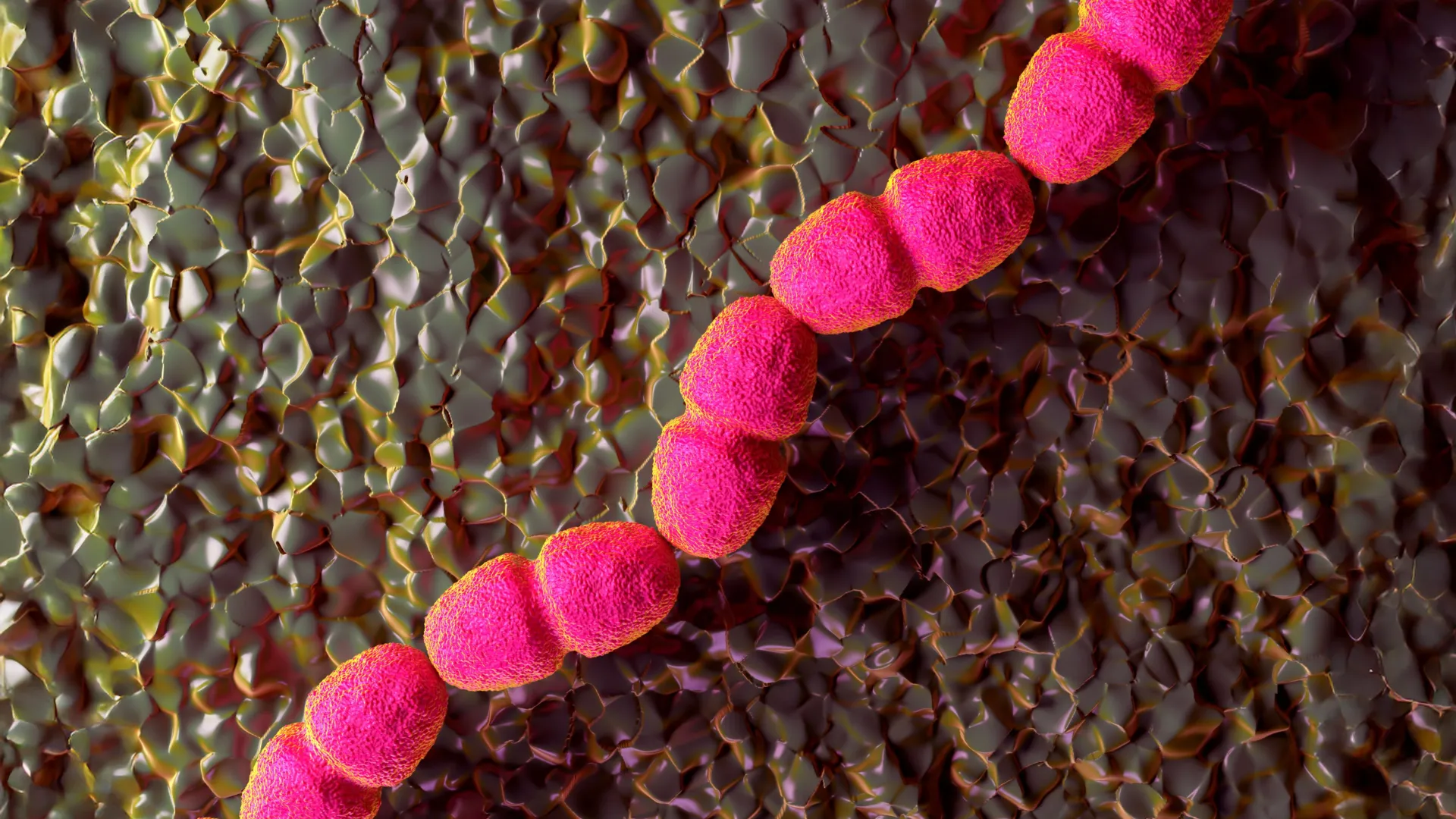
At the heart of this discovery lies the bacterium Enterococcus faecalis (E. faecalis), a common organism frequently implicated in chronic wound infections. While it has long been observed that bacterial presence can impede healing, the precise biological underpinnings of this interference remained elusive until now. This study, published in the esteemed journal Science Advances, reveals that E. faecalis actively manipulates human cellular functions, rather than solely relying on overt toxicity, to stall the healing cascade. The research team, co-led by NTU Associate Professor Guillaume Thibault of the School of Biological Sciences and Professor Kimberly Kline from the University of Geneva, a distinguished visiting professor at NTU’s Singapore Centre for Environmental Life Sciences and Engineering (SCELSE), has pinpointed a specific metabolic pathway within E. faecalis as the primary culprit.
The investigation uncovered that E. faecalis employs a metabolic strategy distinct from many other wound-infecting bacteria. Instead of primarily deploying toxins, this bacterium leverages a process known as extracellular electron transport (EET) to generate and release reactive oxygen species (ROS), specifically hydrogen peroxide. ROS are highly reactive molecules that, in excess, can inflict damage on cellular structures and disrupt normal biological functions. Dr. Aaron Tan, the first author of the study and a Research Fellow at NTU, was instrumental in identifying this EET pathway and its continuous production of hydrogen peroxide. This metabolic byproduct, when present in the wound environment, induces a state of oxidative stress within adjacent human skin cells, particularly keratinocytes, which are the principal cells responsible for wound repair.
The cellular response to this bacterial-induced oxidative stress is a protective mechanism known as the "unfolded protein response." Under typical circumstances, this cellular safeguard is activated to help cells cope with damage by temporarily suspending non-essential activities, such as protein synthesis, thereby conserving energy and allowing time for repair. However, in the context of E. faecalis infection, this protective response becomes detrimental. It effectively immobilizes the keratinocytes, preventing them from performing their critical function of migration into the wound bed to close the damaged tissue. This cessation of cellular movement creates a bottleneck in the healing process, leaving the wound open and vulnerable.
To definitively establish the role of the EET pathway and hydrogen peroxide production in this phenomenon, the researchers engineered a strain of E. faecalis that was deficient in this metabolic capability. This genetically modified bacterium produced significantly lower levels of hydrogen peroxide and, crucially, lost its ability to inhibit wound healing in laboratory models. This experimental validation unequivocally demonstrated that the EET-driven generation of ROS is a central factor in how E. faecalis disrupts the intricate choreography of skin regeneration. Building upon this insight, the team then explored the possibility of counteracting the detrimental effects by neutralizing the produced hydrogen peroxide.
The findings opened the door to a potential therapeutic strategy that circumvents the challenges posed by antibiotic resistance. By treating the stressed skin cells with catalase, a naturally occurring enzyme known for its potent ability to break down hydrogen peroxide, the researchers observed a significant reduction in cellular oxidative stress. This biochemical intervention successfully restored the migratory capacity of the keratinocytes, allowing them to resume their essential role in wound closure. This approach represents a paradigm shift, moving away from directly combating the bacteria with antibiotics—a strategy increasingly undermined by microbial resistance—towards mitigating the harmful byproducts that the bacteria generate.
Associate Professor Thibault highlighted the surprising nature of this discovery, stating that the bacteria’s own metabolic processes were the primary weapon, a fact previously unrecognized by the scientific community. He emphasized the strategic advantage of targeting the detrimental products of bacterial metabolism rather than the bacteria themselves, especially in the face of escalating antibiotic resistance. This method aims to neutralize the actual cause of chronic wound persistence—the excessive production of ROS—thereby restoring the body’s inherent healing capabilities. The study provides a direct mechanistic link between bacterial metabolism and human cellular dysfunction, paving the way for novel therapeutic interventions.
The implications of this research are far-reaching, suggesting the potential development of advanced wound dressings embedded with antioxidant enzymes like catalase. Given that antioxidants are already widely utilized and their safety profiles are well-established, this therapeutic strategy holds the promise of a more rapid translation from laboratory research to clinical application compared to the development of entirely new drug compounds. The fact that the mechanism was demonstrated using human skin cells lends immediate relevance to human physiology, offering hope for new treatments for individuals suffering from intractable wounds. The research team is now focused on preclinical studies in animal models to determine the most effective methods for delivering these antioxidants, with the ultimate goal of progressing to human clinical trials. This work represents a significant leap forward in understanding and treating chronic wounds, offering a much-needed alternative in the ongoing battle against persistent infections and impaired healing.
About the Author