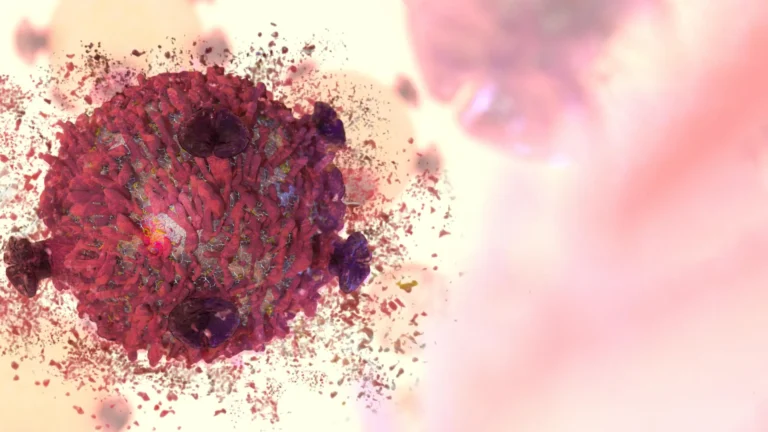
When the ubiquitous rhinovirus, the primary culprit behind the common cold, breaches the defenses of the nasal passages, the epithelial cells lining these critical entry points do not remain passive observers. Instead, they initiate an immediate and intricate cascade of coordinated antiviral maneuvers, a biological symphony designed to contain and neutralize the invading pathogen, thereby dictating the trajectory of illness. Recent groundbreaking research, published on January 19 in the esteemed journal Cell Press Blue, illuminates the profound significance of this initial cellular engagement, revealing that the host’s intrinsic defensive mechanisms often wield more influence over symptom development and intensity than the inherent characteristics of the virus itself. This revelation shifts our understanding of why some individuals experience debilitating colds while others remain largely asymptomatic, even when exposed to the same viral strains.
Rhinoviruses represent a significant public health concern, not only as the leading cause of the common cold but also as a potent trigger for exacerbations in individuals with pre-existing respiratory conditions such as asthma and chronic obstructive pulmonary disease. "Given their prevalence and impact on human health, particularly in vulnerable populations, understanding the intricate dance between rhinovirus and the human respiratory system is paramount," explained senior author Ellen Foxman from Yale School of Medicine. This particular investigation provided an unprecedented opportunity to delve into the human nasal lining at both the cellular and molecular levels, offering a microscopic view of the dynamic processes unfolding during a rhinovirus infection.
To meticulously dissect these early cellular interactions, the research team engineered a sophisticated laboratory construct mimicking human nasal tissue. This innovative approach involved cultivating nasal stem cells for a period of four weeks, carefully maintaining the upper surface of the developing tissue in direct contact with air. This specific environmental condition was crucial in promoting the cells’ maturation into a complex structure that faithfully replicates the architectural and functional characteristics of the in vivo nasal lining and the delicate airways of the lungs.
The resultant engineered tissue was a testament to biological replication, comprising a diverse array of cell types indigenous to the human airway. Among these were specialized mucus-producing goblet cells, essential for trapping foreign particles, and ciliated cells, adorned with microscopic, hair-like projections known as cilia. These cilia perform a vital housekeeping function, rhythmically beating to propel mucus, along with any entrapped pathogens or debris, away from the delicate lung tissues. "This organotypic model offers a significantly more accurate representation of in vivo human responses compared to the simplified, conventional cell lines traditionally employed in virology research," Dr. Foxman emphasized. She further elaborated on the unique utility of such models, stating, "Since rhinoviruses exhibit host specificity, causing illness in humans but not in other animal species, organotypic models of human tissues are exceptionally valuable for studying the nuances of this particular virus."
At the heart of the early antiviral response lies a potent signaling network orchestrated by interferons, a class of signaling proteins crucial for cellular defense. The researchers, utilizing their advanced nasal tissue model, were able to precisely monitor the collective behavior of thousands of individual cells as they encountered the rhinovirus. Their experiments extended to deliberately impairing the function of cellular sensors responsible for detecting viral presence. These interventions revealed a powerful, interferon-driven defense system. Upon detecting rhinovirus, nasal cells promptly secrete interferons, which then act as potent signaling molecules. These interferons not only bolster the antiviral defenses within the infected cells themselves but also transmit signals to neighboring, healthy cells, priming them for potential infection. This synchronized cellular activation creates an environment highly unfavorable for viral proliferation and dissemination.
The speed and efficiency of this interferon response proved to be a critical determinant of disease outcome. When interferon activity commenced promptly, the infection was effectively contained in its nascent stages, preventing widespread cellular invasion. Conversely, when the researchers experimentally blocked this crucial interferon signaling pathway, the virus exhibited an alarming rate of replication and spread, infecting a significantly larger proportion of the organoid tissue and inflicting considerable cellular damage. In some instances of blocked interferon response, the engineered nasal tissues were unable to withstand the viral onslaught and succumbed to the infection. "Our experimental findings underscore the indispensable role and remarkable efficacy of a rapid interferon response in controlling rhinovirus infections, even in the absence of classical immune cells," stated first author Bao Wang of Yale School of Medicine. This highlights the intrinsic, innate immunity of epithelial cells as a primary line of defense.
Beyond the initial interferon-mediated containment, the study also elucidated a secondary set of cellular reactions that are triggered when viral replication escalates. Under conditions of high viral load, rhinovirus can activate an alternative cellular sensing mechanism. This pathway prompts both infected and bystander cells to produce copious amounts of mucus and inflammatory mediators. While mucus plays a role in trapping pathogens, excessive production, coupled with inflammatory signals, can lead to significant airway inflammation and contribute to the characteristic breathing difficulties associated with colds, particularly in individuals with compromised respiratory systems.
The researchers posit that these distinct cellular pathways represent promising therapeutic targets for future interventions. By modulating these responses, it may be possible to mitigate the severity of cold symptoms, such as excessive mucus production and inflammation, while simultaneously reinforcing the body’s inherent antiviral defenses. This dual-pronged approach could offer a more nuanced and effective strategy for managing viral respiratory infections.
The investigators are mindful of the inherent limitations of their sophisticated organoid model. While it offers a significant advancement over traditional cell culture methods, it does not encompass the full cellular complexity of the human body. In a natural infection, a diverse array of immune cells, such as neutrophils and macrophages, are recruited to the site of infection to bolster the defense. Future research endeavors will focus on integrating these additional cellular components and investigating the influence of the broader microenvironment within the nasal passages and airways on the body’s overall response to rhinovirus. Understanding these complex interactions between epithelial cells, immune cells, and environmental factors will be crucial for a comprehensive understanding of cold pathogenesis and for the development of novel therapeutic strategies.
In conclusion, this seminal study fundamentally advances our understanding of common cold pathogenesis, shifting the paradigm from a virus-centric view to one that emphasizes the host’s intrinsic biological responses. "Our research strongly supports the notion that the body’s inherent defense mechanisms are profoundly important in determining whether an infection will manifest as illness and, if so, how severe that illness will become, often more so than the specific characteristics of the invading virus," Dr. Foxman concluded. "The prospect of targeting and enhancing these innate defense pathways presents an exciting and promising frontier for the development of novel therapeutic interventions against viral respiratory illnesses."
About the Author