A groundbreaking observation from a two-decade-old clinical investigation into an experimental cancer vaccine for advanced breast cancer has re-emerged, captivating the scientific community with its profound implications for long-term patient outcomes. The trial, initially conducted over twenty years ago, involved a select cohort of women diagnosed with metastatic breast cancer, a stage notoriously associated with grim prognoses and limited survival horizons. Astonishingly, every single participant in that pioneering study remains alive today, a testament to an unprecedented and enduring remission that has defied conventional expectations and spurred renewed scientific inquiry. This remarkable persistence of life, so rare in the context of advanced metastatic disease, has prompted researchers to delve deeper into the underlying immunological mechanisms that may have contributed to such extraordinary survival rates.
At Duke Health, a dedicated team of scientists embarked on a comprehensive re-examination of the immunological profiles of these long-term survivors. Their meticulous investigation, spearheaded by Dr. Herbert Kim Lyerly, a distinguished figure in immunology at Duke University School of Medicine, focused on understanding the intricate workings of the immune systems of women who had received the experimental vaccine. The findings that emerged from this detailed analysis were both surprising and deeply illuminating. Even after an extended period spanning more than twenty years, the immune systems of these women exhibited a remarkable and persistent capacity to recognize and actively combat their cancer.
Central to the researchers’ discovery was the identification of a specific cellular marker, designated CD27, present on a significant population of these immune cells. This particular marker is critically important within the immune system, acting as a key component in the development of immunological memory. It empowers the body’s defense mechanisms to recall previous encounters with pathogens or abnormal cells and to mount a more robust and effective response upon subsequent exposure. The publication of these findings in the esteemed journal Science Immunology underscores the potential of targeting CD27 as a pivotal strategy to significantly enhance the efficacy of future cancer vaccines.
Dr. Zachary Hartman, a senior author of the study and an associate professor at Duke University School of Medicine, articulated the profound impact of these observations. "We were stunned to see such durable immune responses so many years later," he stated, reflecting the team’s astonishment at the longevity of the immunological protection observed. This remarkable resilience naturally led to a crucial follow-up question: "What if we could boost this response even more?" This inquiry served as the impetus for the subsequent phase of their research, aiming to amplify the already impressive immunological control demonstrated by the trial participants.
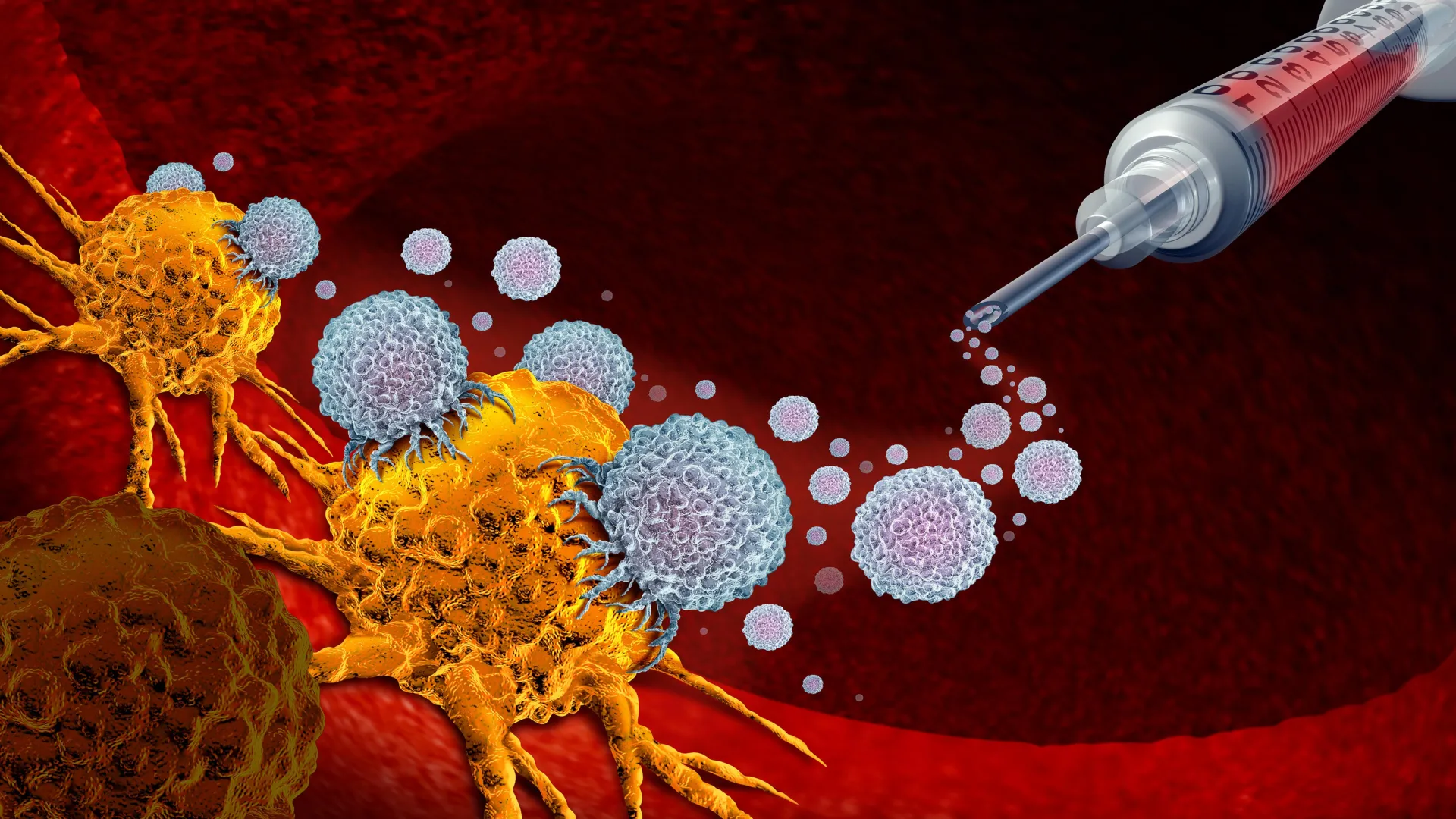
To rigorously investigate the potential of augmenting these durable immune responses, the research team devised a series of laboratory experiments utilizing a murine model. Their approach involved a sophisticated combinatorial strategy, integrating a vaccine specifically designed to target HER2 – a protein frequently found on the surface of various cell types, including those of breast cancer – with a novel antibody engineered to activate CD27. The outcomes of this experimental intervention were nothing short of dramatic. A substantial proportion of the mice that received this dual-action therapy, encompassing both the HER2 vaccine and the CD27-activating antibody, experienced a complete eradication of their tumors. In stark contrast, a significantly lower percentage of mice treated with the vaccine alone achieved a comparable outcome, highlighting the synergistic benefit conferred by the CD27 activation.
Further in-depth analysis of the cellular mechanisms at play revealed that the CD27 antibody exerted its potent anti-tumor effects by profoundly amplifying the activity of a crucial subset of immune cells known as CD4+ T cells. These cells are often referred to as "helper" T cells, and their role in orchestrating and directing immune responses is fundamental. This finding carries significant weight, as CD4+ T cells have historically received less direct attention in cancer research compared to their counterparts, the CD8+ "killer" T cells, which are primarily recognized for their direct cytotoxic activity against tumor cells.
Dr. Hartman emphasized the paradigm-shifting nature of their findings, suggesting that CD4+ T cells might play a far more significant role in long-term cancer control than previously appreciated. He explained that these "helper" cells may not merely be passive facilitators but could be active and essential drivers of sustained immunological memory and crucial supporters of other immune cells, thereby enabling them to function with heightened effectiveness. The study further demonstrated that when the researchers incorporated an additional antibody designed to specifically bolster the capabilities of CD8+ T cells into their treatment regimen, the rates of tumor rejection in the mice surged to an impressive nearly 90%.
"This study really shifts our thinking," Dr. Hartman elaborated, underscoring the transformative impact of their research on prevailing scientific perspectives. "It shows that CD4+ T cells aren’t just supporting actors; they can be powerful cancer fighters in their own right and are possibly essential for truly effective anti-tumor responses." This assertion challenges established notions and opens up new avenues for therapeutic development, focusing on the often-underestimated potential of CD4+ T cells in the fight against cancer.
The implications of these discoveries extend significantly to the future landscape of cancer treatments. A particularly encouraging aspect of the CD27 antibody’s performance was its singular administration. The research indicated that a single dose, administered concurrently with the vaccine, was sufficient to elicit long-lasting and protective immunological effects. This simplicity in administration holds immense promise for practical application, potentially facilitating seamless integration with a wide array of existing cancer therapeutic modalities. Such integration could include established treatments like immune checkpoint inhibitors, which aim to release the brakes on the immune system, and antibody-drug conjugates, which deliver potent chemotherapy directly to cancer cells, offering a more comprehensive and multi-pronged approach to cancer management.
Dr. Hartman expressed optimism that these groundbreaking findings could finally unlock the full potential of cancer vaccines, a field that has historically been met with high expectations but has yet to consistently deliver on its initial promise. "We’ve known for a long time that vaccines can work against cancer, but they haven’t lived up to the hype," he acknowledged, referencing the long-standing pursuit of effective cancer vaccines. "This could be a missing piece of the puzzle." The research was generously supported by funding from the National Institutes of Health (under grant numbers 117 R01CA238217-01A1/02S1) and the Department of Defense (through grants W81XWH-20-1-034618 and W81XWH-21-2-0031), underscoring the collaborative and well-supported nature of this critical scientific endeavor.
About the Author