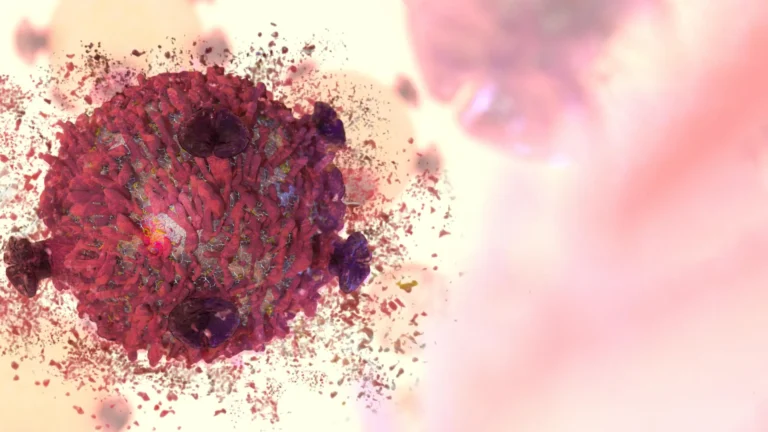
After a pursuit spanning more than half a century, scientists at the Massachusetts Institute of Technology (MIT) have successfully synthesized verticillin A in a laboratory setting, marking a significant breakthrough in the complex field of organic chemistry and opening new avenues for potential cancer therapies. This intricate fungal metabolite, first identified in 1970, has long captivated researchers due to its promising biological activity, particularly its observed cytotoxic effects against cancer cells. The journey to achieve its laboratory production was fraught with considerable synthetic challenges, primarily stemming from its remarkably complex molecular architecture.
Verticillin A’s elaborate structure, characterized by a dense arrangement of functional groups and precisely defined three-dimensional arrangements of atoms, presented a formidable obstacle to chemists. Even minor structural variations compared to related molecules, often involving the addition or subtraction of just a few atoms, dramatically escalated the difficulty of its synthesis. Professor Mohammad Movassaghi of MIT, a senior author on the study detailing this achievement, highlighted the profound impact of these subtle structural nuances. "We now possess a far deeper understanding of how minute alterations in molecular configuration can exponentially amplify the synthetic hurdles," Movassaghi stated, emphasizing that current technological advancements enable not only the initial access to these compounds, decades after their discovery, but also the deliberate design and creation of numerous variants for more in-depth investigation.
Initial laboratory evaluations involving human cancer cell lines have revealed particularly encouraging results with a modified version of verticillin A, demonstrating notable efficacy against diffuse midline glioma, a particularly aggressive form of pediatric brain cancer. The research team, however, prudently cautions that extensive further research and rigorous testing are imperative before any potential clinical applications can be considered. The collaborative effort involved researchers from MIT, the Dana-Farber Cancer Institute, Boston Children’s Cancer and Blood Disorders Center, and Harvard Medical School, with the findings published in the prestigious Journal of the American Chemical Society. Walker Knauss, a doctoral candidate at MIT, served as the lead author of the study, with significant contributions from Xiuqi Wang, a medicinal chemist and chemical biologist at Dana-Farber, and Mariella Filbin, the research director of the Pediatric Neurology-Oncology Program at Dana-Farber/Boston Children’s.
The inherent difficulty in synthesizing verticillin A can be traced back to its origins as a natural product, isolated from fungi as a defense mechanism against pathogens. While this class of fungal molecules has long been recognized for potential anticancer and antimicrobial properties, their elaborate structures have historically rendered them largely inaccessible through synthetic means. A previous milestone achieved by Movassaghi’s laboratory in 2009 involved the synthesis of a closely related compound, (+)-11,11′-dideoxyverticillin A. This precursor molecule, itself a feat of chemical engineering, comprises ten fused rings and eight stereogenic centers. Stereogenic centers are carbon atoms bonded to four distinct chemical groups, requiring precise spatial orientation, or stereochemistry, relative to the rest of the molecule, a critical factor in determining a molecule’s biological activity.
Despite the success with the dideoxy analog, verticillin A itself remained elusive. The key difference between the two molecules lies in the presence of two oxygen atoms in verticillin A, additions that profoundly altered its chemical behavior during synthesis. "Those two oxygen atoms drastically narrow the permissible timeframe for carrying out chemical transformations," Movassaghi explained. "This makes the molecule exceedingly fragile and highly sensitive, meaning that even with years of methodological advancements, the compound continued to present a significant synthetic challenge."
The synthetic strategy for both verticillin A and its dideoxy analog involves the precise assembly of two identical molecular subunits, which are then joined to form a larger, dimeric structure. In the earlier synthesis of (+)-11,11′-dideoxyverticillin A, the researchers performed the crucial dimerization step late in the synthetic sequence, followed by the formation of four critical carbon-sulfur bonds. However, this approach proved unsuccessful when applied to the synthesis of verticillin A. Attempting to introduce the carbon-sulfur bonds at a later stage failed to yield the desired stereochemistry, necessitating a complete re-evaluation and redesign of the entire reaction sequence.
"Our key realization was that the timing of each step is absolutely paramount. We had to fundamentally alter the order in which bonds were formed," Movassaghi elaborated. The newly developed synthetic route commences with a readily available amino acid derivative, beta-hydroxytryptophan. From this starting point, the researchers meticulously constructed the molecular framework in a stepwise manner, systematically introducing various chemical functional groups, including alcohols, ketones, and amides, while maintaining stringent control over the stereochemistry at every stage.
To facilitate this precise stereochemical control, a specific chemical moiety containing two carbon-sulfur bonds and a disulfide linkage was incorporated early in the synthesis. Recognizing the inherent sensitivity of disulfide bonds, these were temporarily protected by converting them into a disulfide-protected pair of sulfides. This protective measure ensured the structural integrity of the molecule throughout the subsequent reactions. Following the dimerization of the molecular halves, the disulfide-containing groups were then regenerated to their original form.
"This particular dimerization step is truly remarkable, considering the complexity of the substrates being joined, which possess such a dense array of functional groups and stereochemical requirements," Movassaghi commented. The entire synthetic pathway, from the beta-hydroxytryptophan precursor to the final verticillin A molecule, comprises a total of 16 distinct chemical transformations.
With the successful synthesis of verticillin A now a reality, the research team was also able to adapt their methodology to create and evaluate various derivatives. A dedicated team at Dana-Farber Cancer Institute subsequently tested these novel compounds against several subtypes of diffuse midline glioma (DMG), a rare and challenging brain tumor for which treatment options remain limited. The most pronounced inhibitory effects were observed in DMG cell lines exhibiting high expression levels of a protein known as EZHIP. EZHIP plays a critical role in regulating DNA methylation, a process implicated in gene expression, and has emerged as a promising therapeutic target for DMG.
Jun Qi, an associate professor of medicine at Dana-Farber and Harvard Medical School, and a senior author of the study, underscored the importance of understanding the molecular targets of these compounds. "Identifying the potential targets of these molecules is crucial for elucidating their mechanism of action and, more importantly, for optimizing these compounds from the Movassaghi laboratory to achieve greater specificity for novel therapeutic development," Qi stated. Preliminary findings suggest that the verticillin derivatives interfere with EZHIP in a manner that enhances DNA methylation, thereby inducing programmed cell death in the cancer cells. The most potent compounds identified in these initial experiments were N-sulfonylated derivatives of both (+)-11,11′-dideoxyverticillin A and verticillin A. The addition of an N-sulfonyl group, which incorporates sulfur and oxygen atoms, was found to significantly improve the stability of these molecules.
"While the natural product itself may not be the most potent, the success in synthesizing it has provided us with the capability to create and rigorously study these derivatives," Movassaghi noted. Looking ahead, researchers at Dana-Farber plan to conduct further investigations to definitively confirm the precise mechanisms by which these verticillin derivatives exert their effects. They also express optimism regarding the potential to test these compounds in preclinical animal models of pediatric brain cancers.
"Natural products have historically served as invaluable resources for drug discovery, and we are committed to thoroughly evaluating the therapeutic potential of these molecules by integrating our diverse expertise in chemistry, chemical biology, cancer biology, and clinical care," Qi added. He also revealed that the lead candidate molecules have undergone profiling across more than 800 distinct cancer cell lines, a comprehensive analysis that will facilitate a broader understanding of their functional roles in various cancer types. Funding for this groundbreaking research was provided by grants from the National Institute of General Medical Sciences, the Ependymoma Research Foundation, and the Curing Kids Cancer Foundation.
About the Author