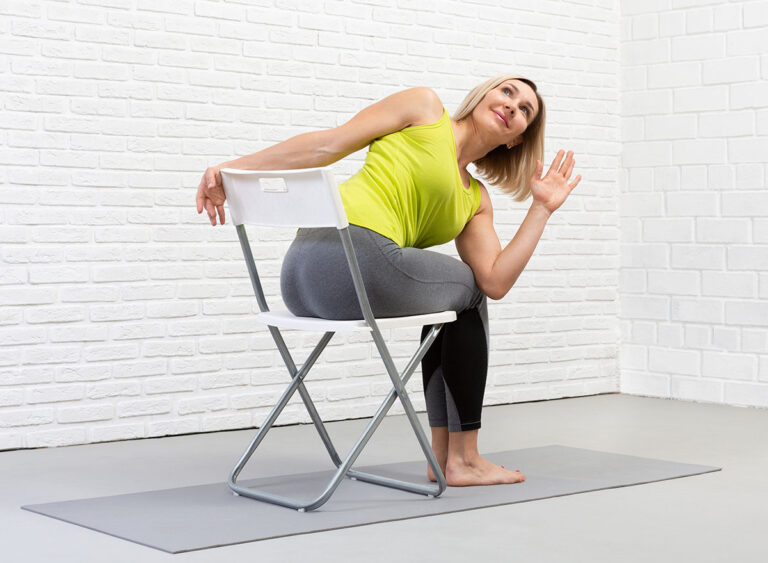
As individuals progress through their mid-forties and beyond, maintaining a strong, stable core becomes increasingly vital, extending far beyond aesthetic considerations. The physiological landscape undergoes significant transformations during this life stage, impacting body composition, metabolic rate, and muscle integrity. Factors such as hormonal shifts, often marked by declining estrogen in women and testosterone in men, can contribute to a redistribution of fat, frequently manifesting as increased visceral and subcutaneous adipose tissue around the midsection. Concurrently, a natural age-related decline in muscle mass, known as sarcopenia, coupled with potentially more sedentary lifestyles, further compromises core strength and overall functional capacity. In this context, conventional abdominal exercises performed solely on the floor may offer limited benefits. A more integrated and functionally relevant approach, focusing on standing core movements, emerges as a superior strategy for not only sculpting the waistline but also bolstering spinal health, improving posture, and enhancing daily mobility.
Traditional floor-based core exercises, while beneficial, often miss a critical dimension of real-world movement: the need for stability and strength while upright. When engaging in everyday activities such as lifting groceries, twisting to reach an object, or simply walking, the core muscles are constantly challenged to stabilize the trunk against gravity and external forces. Standing core exercises inherently replicate these demands, forcing the deep stabilizing muscles of the abdomen and back to engage dynamically. This multi-planar engagement ensures that the obliques—the muscles along the sides of the torso—are worked in ways that static holds or isolated crunches cannot fully achieve. By integrating balance, rotation, and anti-rotation elements, these movements cultivate a resilient core that supports the spine, prevents injury, and translates directly into improved quality of life. Moreover, the activation of larger muscle groups during standing exercises can contribute to a higher metabolic demand, supporting overall fat loss efforts which are crucial for reducing abdominal adiposity.
A comprehensive approach to core training for individuals over 45 should prioritize functional movements that mirror the body’s natural patterns. This strategy moves beyond simply "flattening the belly" to building a strong, adaptable core that safeguards against back pain, enhances athletic performance, and maintains independence as one ages. The following four standing exercises, championed by fitness professionals, offer a dynamic and effective pathway to achieving these goals, targeting the obliques and surrounding musculature with precision and purpose.
1. Unilateral Dumbbell Side Bends: Dynamic Lateral Flexion for Oblique Engagement
The unilateral dumbbell side bend is a direct and potent exercise for targeting the oblique muscles, which run along the sides of your torso, and the quadratus lumborum, a deep muscle in the lower back crucial for spinal stability. Unlike isometric holds, this movement involves the active shortening and lengthening of the lateral trunk muscles through a controlled range of motion. By holding a dumbbell in one hand, the body is challenged to resist the pull of gravity, thereby forcing the obliques on the opposite side to contract powerfully to prevent excessive lateral flexion, while the working side actively contracts to return to an upright position. This constant tension and dynamic muscular action not only builds strength but also improves muscular endurance and reinforces proper spinal alignment. The controlled nature of the exercise makes it particularly suitable for individuals seeking to enhance waistline definition and support lumbar health without placing undue strain on the spine. Performing 3 sets of 10 to 12 repetitions per side, with a brief 45-second rest period between sets, is generally recommended. To maximize effectiveness, ensure a deliberate, slow movement, maintaining a stacked alignment of shoulders over hips throughout the entire range of motion. Variations such as cable side bends or kettlebell side bends can offer different resistance profiles.
2. Standing Dumbbell Chops: Rotational Power and Anti-Rotational Stability
Standing dumbbell chops are a powerhouse exercise designed to train the core’s ability to both produce and resist rotational forces, a fundamental aspect of human movement often neglected in traditional core routines. This dynamic, multi-joint movement engages the obliques, transverse abdominis, and rectus abdominis as they work synergistically to control the weight’s trajectory across the body. The exercise simulates real-world actions like swinging, throwing, or lifting objects from the ground to an overhead position, demanding high levels of coordination and core engagement. As the dumbbell is "chopped" from a high starting position diagonally downwards across the body, the core muscles must actively decelerate and stabilize the spine, preventing unwanted twisting, before accelerating the weight through the movement. This interplay of concentric and eccentric contractions across the rotational plane makes it exceptionally effective for building robust side abdominal strength and improving overall athletic prowess. Aim for 3 sets of 8 to 10 repetitions on each side, allowing for a 60-second recovery period between sets. The key to proper execution lies in initiating the rotation from the torso, not just the arms, while keeping the hips relatively stable to ensure the core is the primary mover. Cable chops or medicine ball chops provide excellent alternatives.
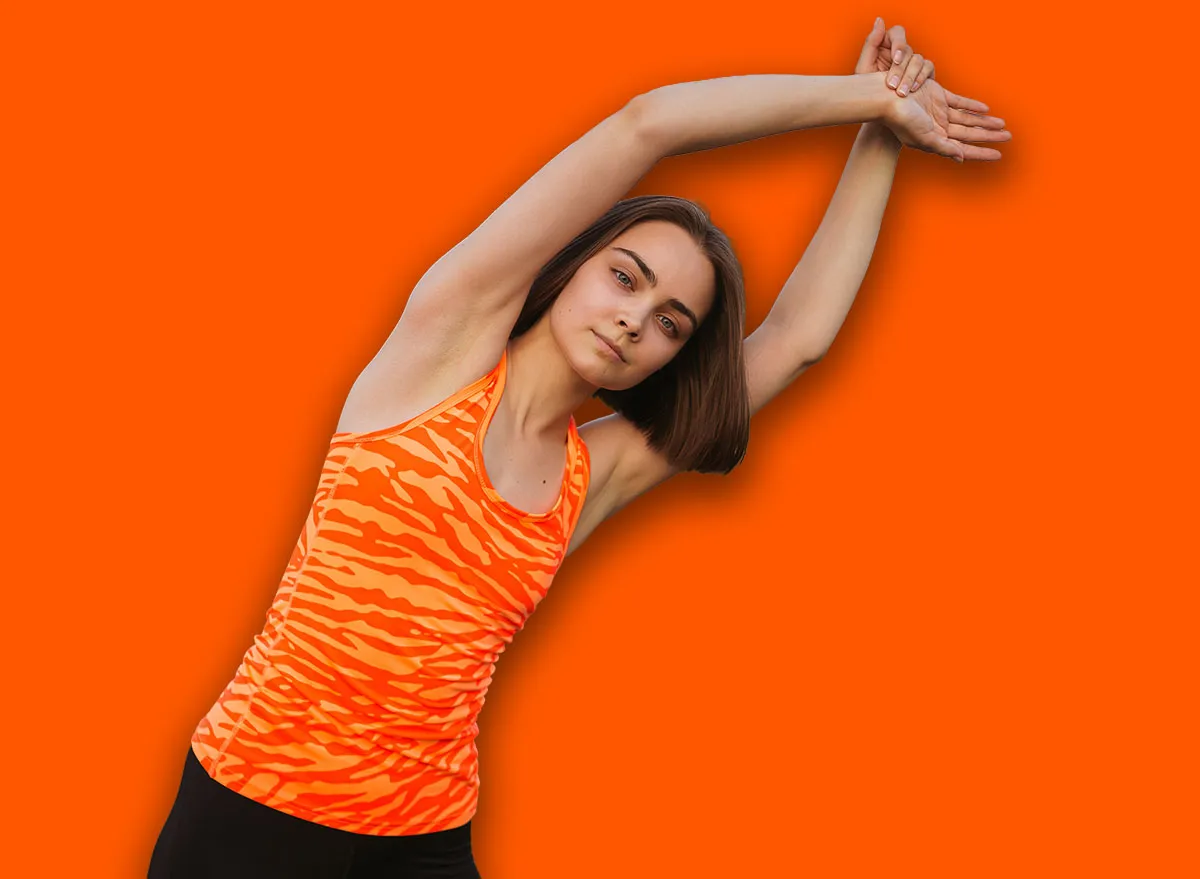
3. Pallof Press: Mastering Anti-Rotation for Spinal Protection
The Pallof press stands out as an exemplary anti-rotation exercise, specifically designed to challenge the deep core musculature responsible for spinal stability. Performed with a resistance band or cable machine, the objective is not to move the weight, but rather to resist its rotational pull. As you press the handle straight out in front of your body, the resistance attempts to twist your torso away from the anchor point. Your obliques, transverse abdominis, and rectus abdominis must engage intensely to maintain a perfectly still, neutral spine. This constant isometric engagement cultivates exceptional core stiffness and bracing capability, which are critical for protecting the lumbar spine during heavy lifts, explosive movements, and even prolonged sitting. By training the core to resist unwanted rotation, the Pallof press directly enhances posture, reduces the risk of back injuries, and contributes to a more stable and defined midsection. Integrate 3 sets of 10 to 12 repetitions per side into your routine, resting for 45 seconds between sets. Focus on exhaling as you press and consciously prevent any twisting motion in your shoulders or hips, maintaining a rigid, braced core throughout. Variations include a tall kneeling Pallof press or an overhead Pallof press for increased difficulty.
4. Suitcase Carry: Unilateral Loading for Comprehensive Core Strength
The suitcase carry is a deceptively simple yet profoundly effective exercise that delivers comprehensive core benefits, particularly for the obliques and deep stabilizing muscles. By holding a heavy weight (like a dumbbell or kettlebell) in one hand and walking, the body is immediately challenged by unilateral loading. To prevent leaning to the weighted side, the obliques and quadratus lumborum on the opposite side must engage powerfully to maintain an upright, neutral posture. This continuous, dynamic engagement across every step builds immense endurance and strength throughout the entire lateral core chain. Beyond core stability, the suitcase carry also significantly improves grip strength, shoulder stability, and overall body awareness. It’s a highly functional movement that directly translates to carrying bags, groceries, or luggage in daily life, making it an indispensable exercise for maintaining independence and physical capability beyond 45. Execute 3 sets, walking for 30 to 45 seconds on each side, with a 60-second rest period between sets. Visualize balancing a glass of water on your head as you walk, focusing on maintaining perfect vertical alignment without allowing your torso to tilt or rotate. The farmer carry (weight in both hands) or overhead carry offer progression options.
Beyond the Exercises: A Holistic Blueprint for Midlife Core Definition
Achieving a toned midsection and robust core health after 45 extends beyond just these targeted exercises. It necessitates a holistic approach that integrates intelligent training with supportive lifestyle choices. While standing core work is a cornerstone, its efficacy is amplified when paired with broader wellness strategies.
- Nutritional Foundation: Prioritize a balanced diet rich in lean proteins, complex carbohydrates, and healthy fats. Adequate protein intake is crucial for muscle repair and maintenance, particularly important in mitigating age-related muscle loss. Fiber-rich foods promote satiety and digestive health, while minimizing processed sugars and unhealthy fats helps manage overall calorie intake and reduce systemic inflammation, both of which are critical for reducing abdominal fat.
- Hydration: Consistent water intake is fundamental for metabolic function, nutrient transport, and overall bodily processes. Often underestimated, proper hydration can indirectly support weight management and energy levels.
- Quality Sleep: Sufficient, restorative sleep is non-negotiable for hormone regulation. Poor sleep can elevate cortisol levels, a stress hormone linked to increased abdominal fat storage, and disrupt appetite-regulating hormones like ghrelin and leptin. Aim for 7-9 hours of quality sleep nightly.
- Stress Management: Chronic stress not only impacts sleep but also contributes to physiological changes that favor abdominal fat accumulation. Incorporate stress-reduction techniques such as mindfulness meditation, yoga, spending time in nature, or engaging in hobbies.
- Consistent Movement: While targeted core work is essential, it must be complemented by regular cardiovascular exercise (e.g., brisk walking, cycling, swimming) to contribute to overall calorie expenditure and fat loss. Strength training for the entire body is also vital to preserve muscle mass and boost metabolism.
- Patience and Persistence: Body composition changes, especially after 45, require consistent effort and patience. Results are not instantaneous but accrue steadily over time. Focus on long-term adherence rather than short-term fixes.
- Professional Guidance: Consider consulting with a certified personal trainer or a registered dietitian to create a personalized plan tailored to your specific needs, health status, and goals. They can provide expert guidance on exercise form, program design, and nutritional strategies.
By integrating these four dynamic standing core exercises into a well-rounded fitness regimen and embracing a holistic lifestyle, individuals beyond 45 can effectively strengthen their obliques, enhance overall core stability, improve functional fitness, and contribute significantly to a healthier, more active future. This proactive approach not only refines the physique but profoundly supports long-term well-being and vitality.
About the Author