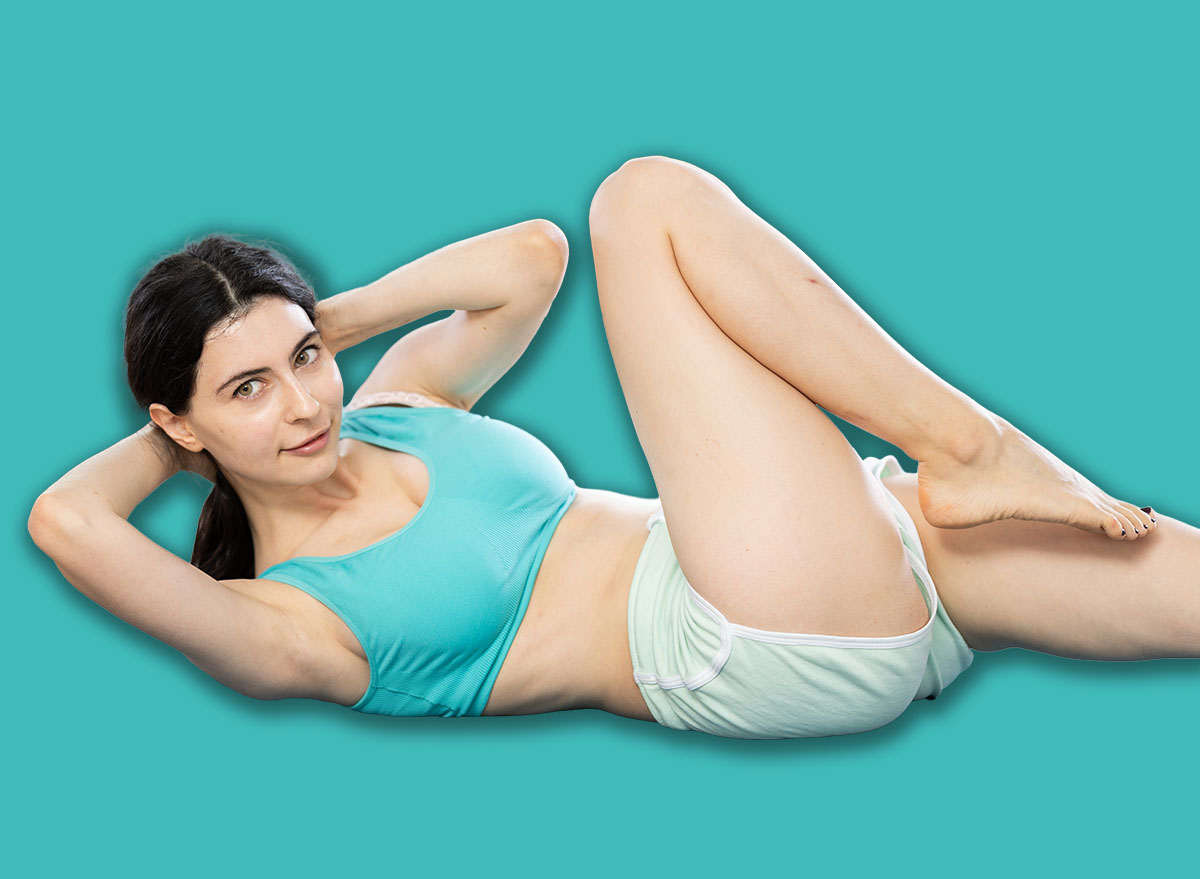
For individuals navigating life beyond their sixth decade, cultivating robust core musculature is often more accessible and impactful than commonly perceived. The pursuit of a stronger midsection doesn’t necessitate high-intensity gym sessions or complex equipment; sometimes, the most effective path begins right where you wake up. Your mattress, typically associated with rest, can transform into a supportive platform for gentle yet profoundly effective exercises designed to bolster the muscles crucial for spinal stability, balance, and overall functional independence. This approach offers a comfortable environment, particularly beneficial during the initial hours of the day when the body is gradually rousing. By leveraging the inherent support of a bed, individuals can concentrate on precise movements, controlled breathing, and the deliberate engagement of core muscles, fostering a deeper connection with their physical capabilities without undue strain.
The significance of a well-conditioned core amplifies considerably with advancing age, extending far beyond aesthetic considerations. While often conflated with merely achieving a "flat stomach," the core encompasses a sophisticated network of muscles that envelop the torso, including the abdominal wall, back muscles, diaphragm, and pelvic floor. This intricate system acts as the body’s central powerhouse, orchestrating stability, facilitating movement, and serving as a critical protective shield for the spine and internal organs. As individuals age, a natural decline in muscle mass, strength, and proprioception (the body’s sense of its position in space) can occur. A weakened core exacerbates these age-related changes, leading to a cascade of potential issues such as compromised posture, increased risk of falls, lower back pain, and reduced ease in performing everyday activities. Conversely, a strong and responsive core improves balance, enables smoother transitions between positions (like rising from a chair or getting out of bed), enhances gait mechanics, and provides the fundamental stability required for confident movement, thereby significantly elevating an individual’s quality of life and autonomy.
These specific mattress-based exercises prioritize deliberate, controlled motion over rapid, forceful exertions or prolonged static holds. Each movement is carefully structured to challenge the core’s capacity to stabilize the trunk, resist unwanted rotation or tilting, and maintain engagement throughout its functional range. The inherent compliance of a mattress surface offers a unique advantage, providing a softer landing and reduced impact compared to a hard floor, which can be particularly reassuring for those with joint sensitivities or concerns about stability. This cushioned environment encourages a deeper focus on muscle activation and breath control, allowing for a more mindful and effective workout. Moreover, the convenience of performing these routines without leaving the bedroom fosters greater consistency, helping to establish a positive morning ritual that primes the body for optimal movement throughout the day.
Foundational Movements for Core Revitalization
1. Dynamic Limb Coordination: The Dead Bug Exercise
The Dead Bug is an exceptionally valuable exercise for fostering core stability while simultaneously enhancing limb coordination, a skill directly transferable to essential daily activities such as walking, reaching, and maintaining balance. It specifically teaches the abdominal muscles to brace the spine effectively while the arms and legs move independently, mimicking the asynchronous movements of walking or reaching for objects. Executing this movement on a bed introduces a subtle layer of support, mitigating excessive tension in the lower back while still demanding precise muscular control. This exercise is also instrumental in reinforcing proper breathing mechanics and inter-limb coordination, attributes that can naturally diminish over time. It stands out as one of the safest and most effective methods for cultivating deep core strength without placing undue stress on the lumbar region.
- Muscles Engaged: Primarily targets the transverse abdominis (the deepest abdominal muscle, acting like a natural corset), rectus abdominis, hip flexors, and various spinal stabilizers.
- Execution Guide: Begin by lying flat on your back on the mattress, ensuring your spine feels neutral against the surface. Bend your knees so your feet are flat on the bed, hip-width apart. Extend your arms straight towards the ceiling, aligning them over your shoulders. Slowly lift your knees directly above your hips, forming a 90-degree angle with your shins parallel to the bed. Initiate the movement by gently lowering your right arm towards the head of the bed and simultaneously extending your left leg straight forward, hovering it just above the mattress. Crucially, as you extend, focus on pressing your lower back firmly into the bed and maintaining core engagement to prevent any arching of the spine. Exhale smoothly as you extend your limbs. Return both limbs to the starting position with control, inhaling as you do so. Alternate sides, extending your left arm and right leg in the subsequent repetition.
- Repetition & Set Guidance: Aim for 2 to 3 sets, performing 6 to 10 repetitions on each side. Allow for a recovery period of 30 to 45 seconds between sets.
- Key Focus & Adaptations: The primary objective is slow, deliberate movement. Keep your ribs gently drawn down towards your hips throughout the exercise to maintain consistent core tension and prevent unnecessary arching of the back. For easier execution, consider bending the knee of the extending leg (bent-knee dead bugs) or performing single-limb movements before combining arm and leg extensions.
2. Lower Abdominal Control: Alternating Leg Drops
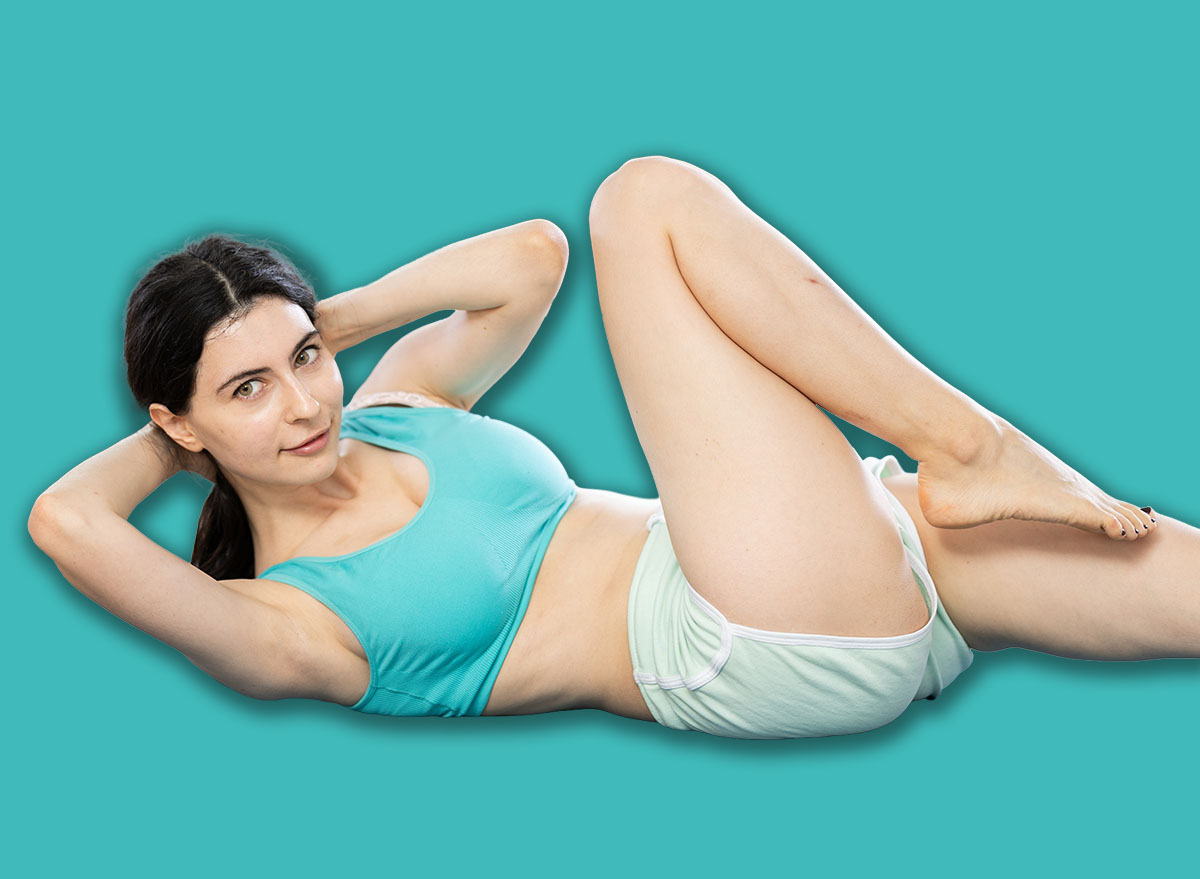
Alternating Leg Drops specifically challenge the lower abdominal muscles to manage the movement of the legs without allowing the hips to tilt or the lower back to arch excessively. This precise control becomes increasingly vital as hip strength and overall coordination naturally evolve with age. Performing this exercise on a mattress minimizes direct strain on the lower back, providing a degree of cushioning while simultaneously demanding continuous core activation. This movement is excellent for cultivating abdominal endurance without relying on prolonged static holds. Over consistent practice, it contributes significantly to improved control during gait and standing tasks.
- Muscles Engaged: Primarily targets the lower abdominals (rectus abdominis, especially the lower fibers), hip flexors, obliques, and deep spinal stabilizers.
- Execution Guide: Lie supine on your bed, with your knees bent and feet flat. Ensure your lower back is gently pressed into the mattress. Engage your abdominal muscles and slowly lift both legs, bending your knees to a 90-degree angle, with your shins parallel to the bed. Your arms can rest comfortably at your sides. From this position, consciously draw your navel towards your spine. Slowly and with control, lower one leg towards the bed, allowing the heel to lightly tap the mattress before returning it to the starting position. The key is to maintain a stable pelvis and prevent any arching in your lower back. Inhale as you lower the leg and exhale as you bring it back up. Alternate legs, performing the movement with the opposite leg in the next repetition.
- Repetition & Set Guidance: Complete 2 to 3 sets, executing 8 to 12 repetitions on each side. Observe a rest interval of 30 to 45 seconds between sets.
- Key Focus & Adaptations: Only lower your leg to the point where you can maintain absolute control over your core and prevent your lower back from lifting off the bed. If maintaining this control is challenging, reduce the range of motion by not lowering the leg as far. Variations include performing bent-knee leg drops (keeping the knee bent throughout the lowering motion) or using hands under the lower back for added support if needed.
3. Rotational Stability: Oblique Heel Taps
Oblique Heel Taps are instrumental in strengthening the muscles responsible for torso rotation, lateral bending, and stabilizing the trunk against unwanted movement. These specific muscle groups play a profound role in maintaining dynamic balance and are critical for fall prevention in older adults. The bed offers support for the head and neck, allowing the exerciser to direct their focus entirely to the quality of the movement and the engagement of the oblique muscles, rather than compensating for neck strain. This exercise promotes controlled rotational strength without forcing an uncomfortable range of motion, offering a safe and effective pathway to rebuild side core integrity.
- Muscles Engaged: Primarily targets the internal and external obliques, rectus abdominis, and transverse abdominis, with secondary engagement of the hip flexors.
- Execution Guide: Lie on your back on the mattress, bending your knees with your feet flat on the bed, approximately hip-width apart. Position your arms alongside your body, palms facing down. Gently lift your head and shoulders off the bed, engaging your upper abdominal muscles, as if performing a shallow crunch. Your gaze should be directed towards your knees. Keeping your neck relaxed and avoiding strain, slowly reach your right hand down towards your right heel, feeling a contraction in your right oblique muscle as your torso slightly bends sideways. Briefly tap your heel (or get as close as comfortable) and then smoothly return to the central, slightly crunched position. Repeat the movement on the left side, reaching your left hand towards your left heel. Maintain a continuous, controlled motion, alternating sides.
- Repetition & Set Guidance: Perform 2 to 3 sets, aiming for 10 to 16 total repetitions (5-8 per side). Rest for 30 to 45 seconds between sets.
- Key Focus & Adaptations: Concentrate on actively shortening the space between your ribs and hips on the side you are reaching towards. This mental cue helps to engage the obliques more effectively. Avoid simply swinging your arm; the movement should originate from your torso. For added challenge, you can try slow tempo heel taps, holding the reach for a second or two.
4. Integrated Core and Coordination: Bicycle Crunches
Bicycle Crunches are a comprehensive core exercise that simultaneously trains coordination between the upper and lower body while engaging the entire abdominal region, including the crucial oblique muscles. Executing this movement on a bed mitigates impact on the spine and joints without diminishing the core challenge. This adapted version promotes smoother transitions between repetitions and encourages better breath control, which is often compromised in rushed movements. It effectively builds rotational strength, offering significant support for improved posture and optimized walking mechanics. When performed with a deliberate, unhurried tempo, this exercise yields far greater benefits than quick, uncontrolled repetitions.
- Muscles Engaged: Actively engages the obliques, rectus abdominis, hip flexors, and transverse abdominis.
- Execution Guide: Lie on your back on the mattress, bending your knees with your feet flat. Place your hands lightly behind your head, ensuring your elbows are wide and not pulling on your neck. Gently lift your head and shoulders off the bed, bringing your knees up so your shins are parallel to the bed, as if you’re preparing to cycle. From this starting position, slowly extend your right leg straight forward, hovering it above the bed, while simultaneously twisting your torso to bring your right elbow towards your left knee. Focus on bringing your shoulder towards your knee, rather than just your elbow. Exhale as you twist. Return to the starting position with control, inhaling. Then, immediately switch sides: extend your left leg, and twist your torso to bring your left elbow towards your right knee. Continue alternating sides in a smooth, rhythmic "pedaling" motion.
- Repetition & Set Guidance: Aim for 2 to 3 sets, performing 8 to 12 repetitions on each side. Allow for a rest period of 30 to 45 seconds between each set.
- Key Focus & Adaptations: Prioritize slowing down the movement to ensure maximum muscle engagement and proper form. Keep your elbows wide throughout the exercise to prevent neck strain and allow for a fuller thoracic rotation. If the full movement is too challenging, perform partial range bicycle crunches, where you don’t fully extend the leg or twist as deeply, focusing purely on core activation.
Holistic Principles for Sustained Core Health Beyond 60
Beyond the specific exercises, maximizing the benefits of core training in later life involves embracing a few fundamental principles:
- Embrace Consistency Over Intensity: Short, regular sessions (even 10-15 minutes daily) are far more effective for reinforcing neuromuscular coordination and building sustainable strength than infrequent, overly strenuous workouts. Make these movements a habitual part of your routine.
- Mindful Movement and Breath Integration: Consciously connect your breathing with each movement. Inhaling to prepare and exhaling during the exertion phase helps to engage the deep core muscles (transverse abdominis) and protects the spine. Focus on the sensation of your muscles working rather than just going through the motions.
- Prioritize Form and Listen to Your Body: Correct form is paramount to prevent injury and ensure the target muscles are effectively engaged. If you feel any sharp pain, stop immediately. Discomfort is normal during muscle work, but pain is a warning signal. Respect your body’s limits on any given day.
- Gradual Progression is Key: As you gain strength, you can incrementally increase the challenge. This might involve performing more repetitions, adding an extra set, slowing down the tempo of each movement to increase time under tension, or exploring the "best variations" listed for each exercise. Avoid rushing to advanced variations.
- Hydration and Balanced Nutrition: Supporting your muscles with adequate hydration and a nutrient-rich diet (especially protein for muscle repair and maintenance) is crucial for recovery and optimal performance.
- Consult a Professional: Before embarking on any new exercise regimen, particularly if you have pre-existing health conditions or concerns, it is always advisable to consult with a healthcare provider or a certified fitness professional specializing in senior fitness. They can offer personalized guidance and modifications.
- Warm-up and Cool-down: Even for bed-based exercises, a brief warm-up (e.g., gentle stretches, marching in place while seated) and cool-down (light stretches for the core and surrounding muscles) can enhance performance and aid recovery.
In conclusion, the journey to a stronger, more stable core after the age of sixty does not require rigorous, high-impact workouts. By embracing consistent, controlled movements performed in the comfort and support of your own bed, individuals can effectively rebuild essential core strength. This accessible approach not only enhances spinal stability, improves balance, and aids in fall prevention but also fosters greater independence and confidence in navigating the activities of daily living, ultimately contributing to a more active and fulfilling life.
About the Author