The modern morning routine often presents a paradox: the widely acknowledged importance of a nutritious and satisfying breakfast clashes with increasingly compressed schedules. For many, the aspiration of a leisurely, homemade meal gives way to the practical demands of daily life. In this landscape, frozen breakfast sandwiches have emerged as a ubiquitous solution, offering a quick, warm, and often hearty start to the day. Yet, the vast array of options available in freezer aisles can make selecting a truly satisfying product a daunting task. To navigate this crowded market and discern which frozen offerings genuinely deliver on taste and quality, insights from professional culinary experts prove invaluable. These professionals, with their discerning palates and understanding of ingredient integrity and preparation techniques, offer a unique lens through which to evaluate convenience foods.
Therese Buchanan, a distinguished Home Chef, Food Blogger, and Recipe Developer behind Tessie’s Table, recently lent her expertise to identify several stand-out frozen breakfast sandwiches. Her recommendations are not merely anecdotal; they stem from a nuanced appreciation for what makes a breakfast item genuinely appealing, even in its pre-packaged, frozen format. Buchanan’s evaluations prioritize characteristics that bridge the gap between a quick-heat item and a freshly prepared diner-style meal, focusing on factors like ingredient quality, textural integrity after heating, and overall flavor balance. Her selections reflect a blend of established brands known for reliability and innovative products that redefine expectations for convenience cuisine.
A primary challenge in the realm of frozen foods, particularly sandwiches, lies in maintaining desirable textures through the freezing and reheating processes. Bread, for instance, can often become soggy, rubbery, or overly dry. Meats and eggs can lose their succulence, while cheese might fail to achieve that perfectly melted consistency. Culinary professionals like Buchanan are attuned to these nuances, making their endorsements particularly significant. They assess how well a product withstands the rigors of freezing and microwaving or oven heating, looking for attributes that preserve the essence of a freshly made sandwich.
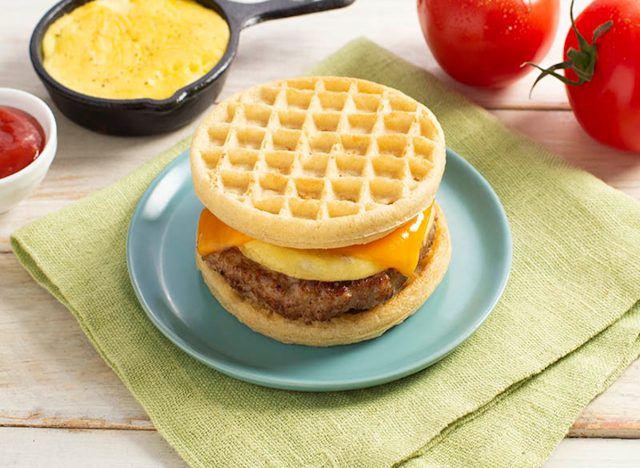
One category that consistently garners attention for its innovative approach is the Eggo Homemade Sandwiches. What sets these apart, as highlighted by Buchanan, is their distinctive use of waffles as the bread component. This choice introduces a delightful sweet-savory dynamic that many consumers find irresistible. The inherent sweetness of the waffle provides a counterpoint to the savory elements like egg, sausage, or bacon, creating a complex flavor profile that elevates the breakfast experience beyond a simple protein-and-carb combination. Beyond taste, the structural integrity of the waffle is a critical factor. Buchanan specifically notes that "the waffles hold their shape and don’t get soggy," which is a testament to the product’s engineering. Preventing sogginess in a waffle-based sandwich after thawing and heating is a considerable technical achievement, ensuring a pleasant eating experience rather than a mushy one. Furthermore, the quick preparation time reinforces their suitability for those "grab-and-go mornings" when efficiency is paramount. The Kellogg’s brand, a household name, leverages its expertise in waffle production to create a convenient breakfast item that doesn’t compromise on a unique textural and flavor combination.
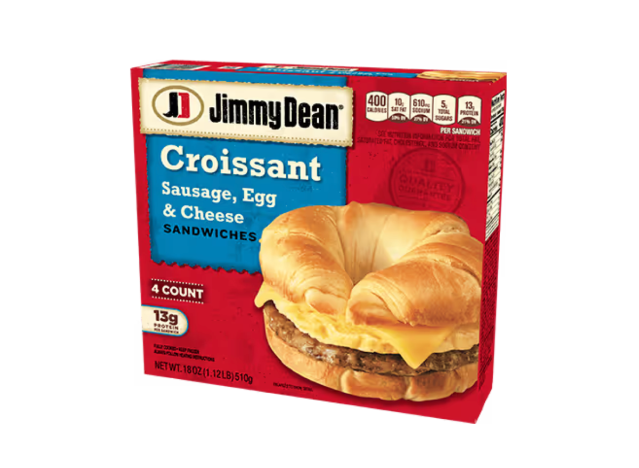
Moving to a more traditional yet equally beloved segment, Jimmy Dean products consistently rank high for their hearty and satisfying offerings. The Jimmy Dean brand has a long-standing heritage rooted in quality breakfast meats, particularly sausage, which forms the backbone of many of their frozen sandwiches. This legacy contributes significantly to their reputation for dependability. Buchanan’s assessment underscores their consistency, noting that they "heat evenly and are filling." The ability to heat uniformly is crucial for a frozen product, preventing cold spots or unevenly cooked components. The substantial nature of these sandwiches ensures they provide lasting satiety, a key requirement for many consumers looking for a breakfast that powers them through their morning. The brand’s commitment to offering "lots of varieties" further broadens its appeal, catering to diverse preferences, whether one favors a croissant, biscuit, or English muffin, each filled with various combinations of sausage, bacon, egg, and cheese. This versatility, combined with the trusted flavor profile, solidifies Jimmy Dean’s position as a staple in the frozen breakfast market.
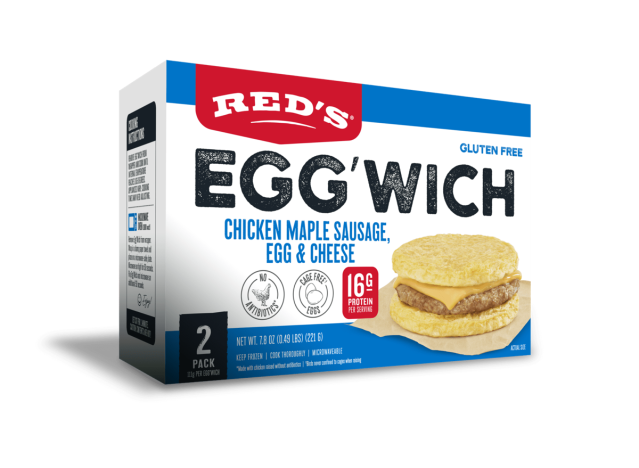
For consumers increasingly focused on ingredient transparency and perceived healthier options, Red’s All Natural has carved out a significant niche. Buchanan praises these sandwiches for their "simple ingredients with a fresher taste," and critically, for their bread that "doesn’t get rubbery after microwaving." These attributes speak directly to common pitfalls of frozen convenience foods. The commitment to "higher-quality ingredients" aligns with a growing consumer demand for less processed foods, even in the frozen aisle. Red’s offers a range of protein-rich options that feel less like a compromise and more like a deliberate choice for a wholesome, quick meal. The "fresher taste" implies careful sourcing and minimal artificial additives, which resonates with health-conscious individuals. Furthermore, the ability of the bread to retain a pleasant texture after microwave heating addresses one of the most frequent complaints about frozen sandwiches, making Red’s a preferred option for those who prioritize both taste and ingredient integrity without sacrificing convenience.
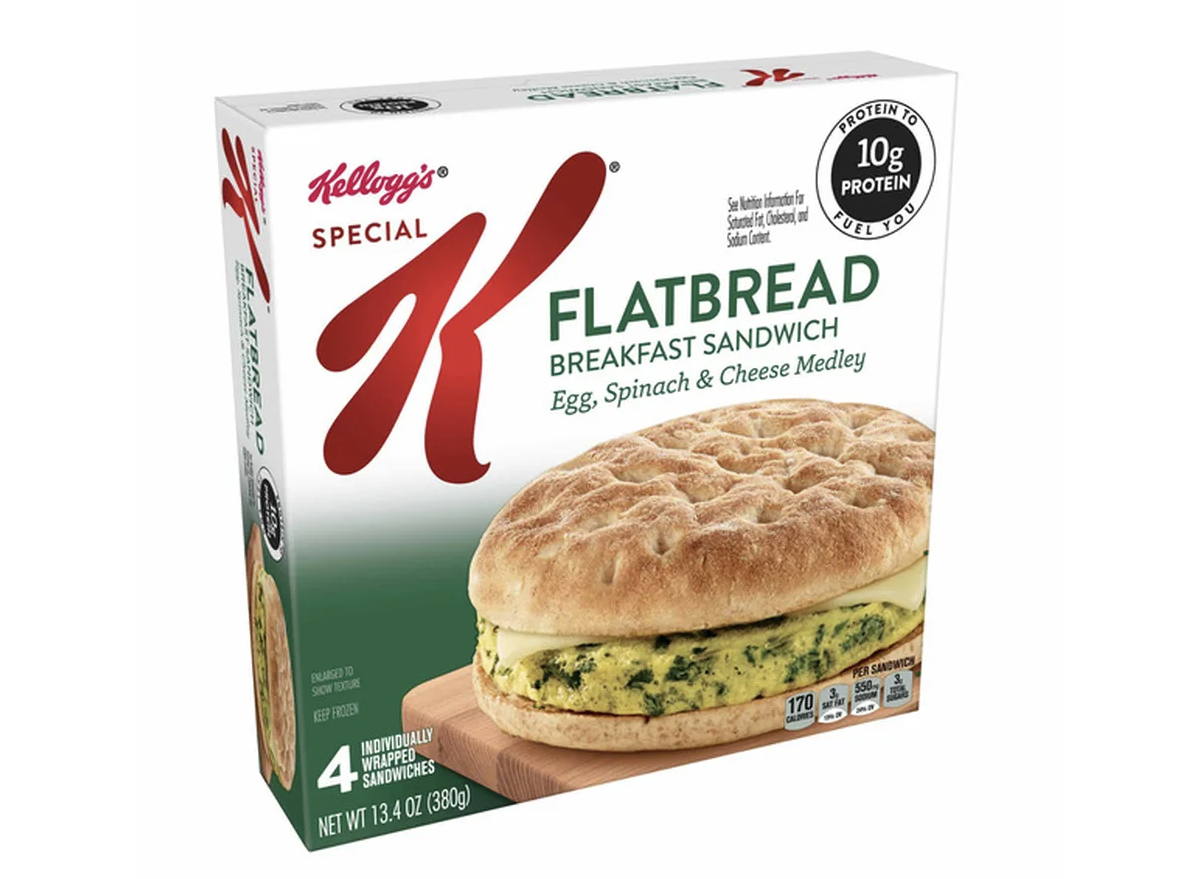
In a similar vein of offering lighter, health-conscious alternatives, Special K frozen breakfast sandwiches stand out. As part of the Kellogg’s portfolio, Special K has long been associated with weight management and lighter meal options. Buchanan observes that these sandwiches are "a lighter option and don’t feel heavy," and that "the flatbread stays soft." The choice of flatbread instead of a heavier bun contributes to the overall lighter feel, appealing to those who desire a less calorically dense breakfast while still seeking satiety. The flatbread’s ability to remain soft after heating is another critical textural achievement, preventing the dry or brittle texture that can plague other bread types in frozen formats. These sandwiches are designed to be quick and filling, providing a convenient solution for individuals monitoring their intake but unwilling to sacrifice the ease of a grab-and-go meal. They represent a strategic offering for consumers looking for a balance between convenience, taste, and a perceived healthier nutritional profile.
Finally, the Great Value brand, Walmart’s private label, demonstrates that quality and affordability are not mutually exclusive in the frozen breakfast category. Buchanan describes them as "affordable and simple," highlighting their practical appeal. Despite their budget-friendly positioning, she notes that "they’re easy to heat and surprisingly filling." This unexpected quality for a value brand underscores the increasing sophistication of private-label products, which often leverage large-scale production and streamlined distribution to offer competitive prices without severely compromising on taste or satisfaction. Great Value offers a variety of options, from classic sausage, egg, and cheese on a biscuit or croissant to more inventive griddle sandwiches, mirroring the offerings of national brands. For consumers seeking maximum value and accessibility, Great Value presents a compelling option that delivers on the core promise of a convenient and satisfying breakfast without a premium price tag. The "surprisingly filling" aspect is a key differentiator, ensuring that the cost savings do not translate into an inadequate meal.
The landscape of frozen breakfast sandwiches has evolved significantly, moving beyond mere emergency meals to become a staple for countless busy individuals. The insights from culinary professionals like Therese Buchanan are instrumental in guiding consumers toward products that not only offer convenience but also deliver on taste, texture, and overall satisfaction. Her selections—Eggo for its unique sweet-savory waffle base, Jimmy Dean for its dependable heartiness, Red’s for its focus on quality ingredients, Special K for its lighter profile, and Great Value for its impressive affordability and satiety—illustrate the diverse strengths within the frozen breakfast market. As lifestyles continue to demand efficiency, the innovation and quality demonstrated by these brands suggest a future where a quick, frozen breakfast can indeed rival the experience of a freshly prepared meal, setting a positive tone for the day ahead.
About the Author