The notion of preparing gourmet seafood in a home kitchen often conjures images of complex techniques and expensive ingredients. Yet, for many discerning home cooks, the delicate, sweet flavor and succulent texture of perfectly seared scallops represent an attainable luxury. While fresh scallops might be a seasonal or geographically limited delicacy, advancements in freezing technology have made high-quality frozen scallops a readily accessible and economically viable option for elevating everyday meals into extraordinary culinary experiences. This detailed guide explores why frozen scallops are an intelligent choice for the home chef, delves into crucial preparation techniques, and highlights some of the leading brands that consistently deliver restaurant-quality results from the convenience of your grocery store freezer.
For a long time, frozen seafood carried a stigma, often associated with diminished quality or inferior taste. However, modern processing methods, particularly "flash freezing" at sea shortly after harvest, have revolutionized the frozen seafood industry. This rapid freezing process locks in the scallops’ natural moisture, texture, and flavor, effectively pausing the degradation process that begins the moment they are caught. Consequently, frozen scallops can often surpass the quality of "fresh" scallops found at a fish counter, which may have spent several days in transit or storage, losing their prime freshness. The convenience of having scallops on hand, ready to thaw and cook at a moment’s notice, further enhances their appeal, offering flexibility and reducing food waste.
One of the most critical distinctions when selecting scallops, whether fresh or frozen, revolves around their treatment: "wet" versus "dry" scallops. "Wet" scallops are those treated with a solution of sodium tripolyphosphate (STP) to help them retain moisture, which also increases their weight and extends shelf life. While this might sound beneficial, the added water makes it exceedingly difficult to achieve the coveted golden-brown, caramelized crust that defines a perfectly seared scallop. The excess moisture leeches out during cooking, steaming the scallop rather than searing it, resulting in a rubbery texture and bland exterior. Conversely, "dry" scallops are untreated, retaining their natural moisture content and pristine flavor. These are the scallops that will develop that desirable crust through the Maillard reaction—a chemical process responsible for browning and flavor development—when exposed to high heat. When choosing frozen scallops, look for brands that explicitly state "no added water," "untreated," or "100% scallops" to ensure you are purchasing dry scallops, which are essential for optimal searing.
The geographical origin of scallops also plays a significant role in their flavor profile and quality. For instance, scallops harvested from the pristine, cold waters off Hokkaido, Japan, are renowned globally for their exceptional sweetness and tender texture. The nutrient-rich environment and sustainable harvesting practices in this region contribute to a superior product highly sought after by chefs and home cooks alike. Similarly, wild-caught scallops from the North Atlantic, particularly off the coast of the United States, are prized for their robust flavor and substantial size, often categorized as "colossal" or "jumbo" sea scallops. Understanding these distinctions can guide consumers toward products that align with their culinary preferences and ethical considerations regarding sourcing.
Successfully preparing frozen scallops begins with proper thawing. The ideal method involves transferring the frozen scallops to a refrigerator the night before cooking, allowing them to thaw gradually. If time is a constraint, a quicker method involves placing the sealed package of scallops in a bowl of cold water, changing the water every 30 minutes until thawed. It is crucial to avoid thawing scallops in hot water or a microwave, as these methods can cook the delicate proteins unevenly, compromising texture and flavor. Once thawed, the absolute most critical step is to thoroughly dry the scallops. Pat them vigorously with paper towels, even letting them air dry on a rack for 10-15 minutes if time permits. This removes surface moisture, which is paramount for achieving a proper sear and preventing the scallops from steaming in the pan.
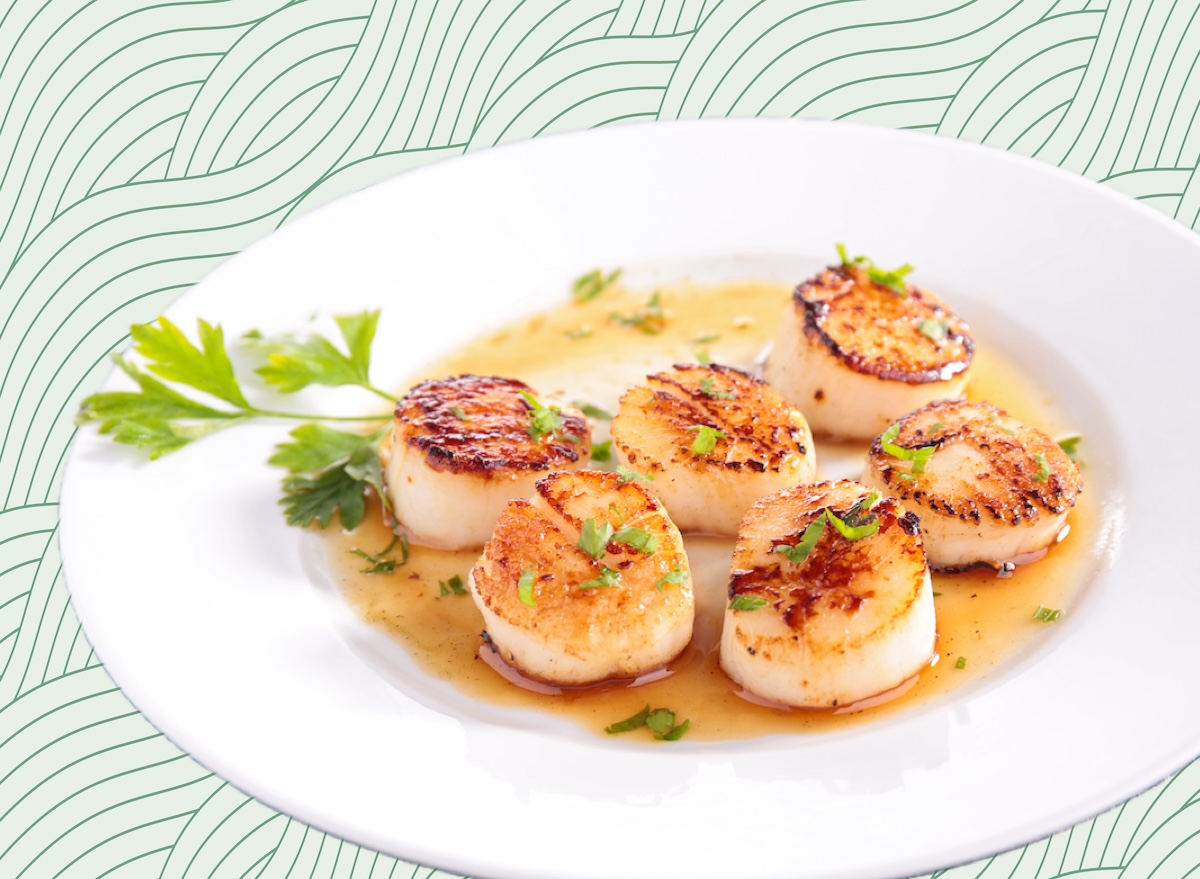
With preparation complete, the actual cooking of scallops is remarkably swift. A hot pan—preferably cast iron or heavy-bottomed stainless steel—is key. Heat a tablespoon or two of a high smoke-point oil, such as grapeseed or avocado oil, over medium-high to high heat until shimmering, just before it begins to smoke. Lightly season the dried scallops with salt and freshly ground black pepper. Place the scallops in a single layer in the hot pan, ensuring not to overcrowd it, as this can lower the pan’s temperature and hinder searing. Cook for approximately 1.5 to 2 minutes per side, or until a beautiful golden-brown crust forms. The internal temperature should reach 145°F (63°C), but visually, the sides should be opaque, with a slightly translucent center, indicating perfect doneness. The result is a tender, succulent interior encased in a rich, caramelized exterior, rivaling any restaurant offering.
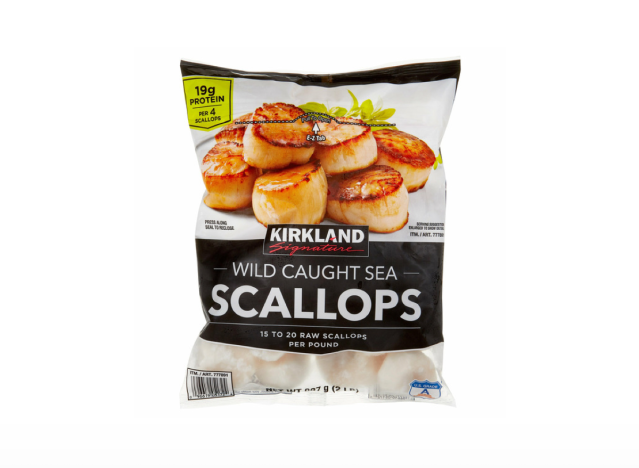
Several brands consistently earn high marks from home cooks for their quality and performance. Among the most popular options, Kirkland Signature Raw Sea Scallops from Costco frequently receive accolades. Sourced wild-caught from the USA, these scallops provide excellent value in a generous two-pound bag, making them ideal for multiple meals or entertaining. Customers often praise their consistent quality and ability to deliver a satisfying sear. One enthusiastic consumer shared how these scallops contributed to a memorable birthday dinner prepared by a friend, with ample portions remaining for future enjoyment, underscoring their versatility and quality.
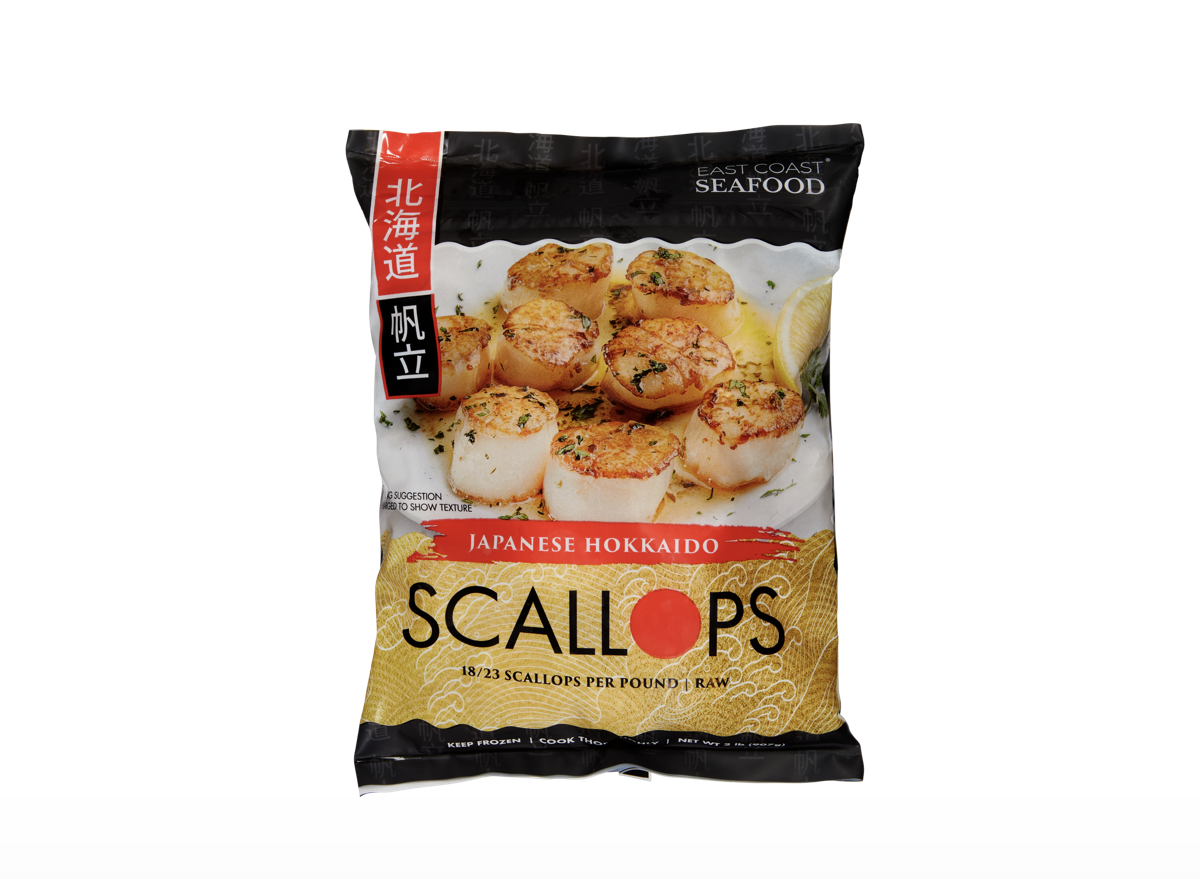
Another highly-rated selection from the Costco ecosystem is East Coast Seafood Japanese Hokkaido Scallops, often found through Costco Business Delivery. These wild-caught scallops from the esteemed Hokkaido region are celebrated for their inherent sweetness and remarkably tender texture. Shoppers frequently highlight their quick thawing time and outstanding flavor, making them a go-to choice for those seeking a premium scallop experience. Many home cooks report that these scallops are instrumental in mastering the art of searing, consistently yielding delicious results.
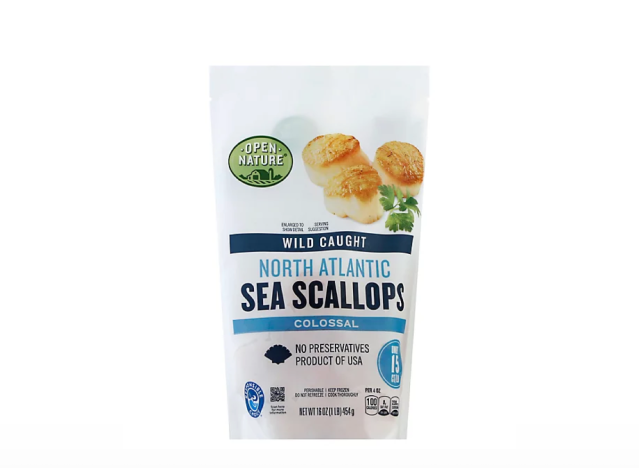
For consumers prioritizing purity and ethical sourcing, Open Nature Wild Caught North Atlantic Colossal Sea Scallops present a compelling option. Available at retailers like Vons, these scallops are distinguished by their "clean" label, indicating no additives or chemicals, and their wild-caught origin in the U.S. North Atlantic. Their colossal size makes a striking presentation, and customers appreciate their robust flavor and impressive texture. Despite occasional variations in size within a package, the overall consensus is that these scallops consistently deliver a high-quality, additive-free seafood experience, becoming a beloved staple for many households.
Trader Joe’s Sea Scallops have garnered a dedicated following for their impressive quality at an accessible price point. The brand’s commitment to sourcing good products extends to its frozen seafood selection, and these scallops are no exception. Enthusiastic reviews from shoppers often describe the culinary delight of these scallops, noting their tender and juicy interior, slight translucence, and rich flavor. The ability to achieve a beautiful caramelization on the exterior, paired with a sweet and delicate taste that "practically melted in the mouth," speaks volumes about their superior quality and ease of preparation.
Finally, Member’s Mark Wild Caught Japanese Hokkaido Sea Scallops from Sam’s Club are another standout, consistently delighting shoppers with their exceptional attributes. These scallops proudly boast a "100% scallops without any added water and chemicals" label, confirming their "dry" status and ensuring optimal searing potential. Customers consistently rave about their intense sweetness, often describing them as among the finest scallops they have ever tasted. The combination of premium sourcing from Hokkaido and the assurance of no additives makes these a highly recommended choice for those seeking top-tier quality and flavor.
Beyond simple searing, properly thawed and dried frozen scallops are incredibly versatile. They can be incorporated into elegant pasta dishes, quick stir-fries, flavorful seafood stews, or even grilled for a smoky nuance. Their delicate flavor pairs beautifully with a wide array of ingredients, from garlic and butter to citrus, herbs, and spicy chili flakes.
In conclusion, the modern frozen scallop offers a gateway to sophisticated home cooking, dispelling the myth that gourmet seafood is exclusively the domain of professional chefs or expensive restaurants. By understanding the nuances of "wet" versus "dry" scallops, appreciating the importance of proper thawing and drying techniques, and selecting reputable brands known for quality, home cooks can confidently transform these frozen gems into exquisite culinary creations. The availability of high-quality frozen scallops from trusted retailers like Costco, Sam’s Club, Vons, and Trader Joe’s democratizes access to this beloved bivalve, inviting everyone to savor the sweet, tender delight of perfectly seared scallops in their own kitchens.
About the Author