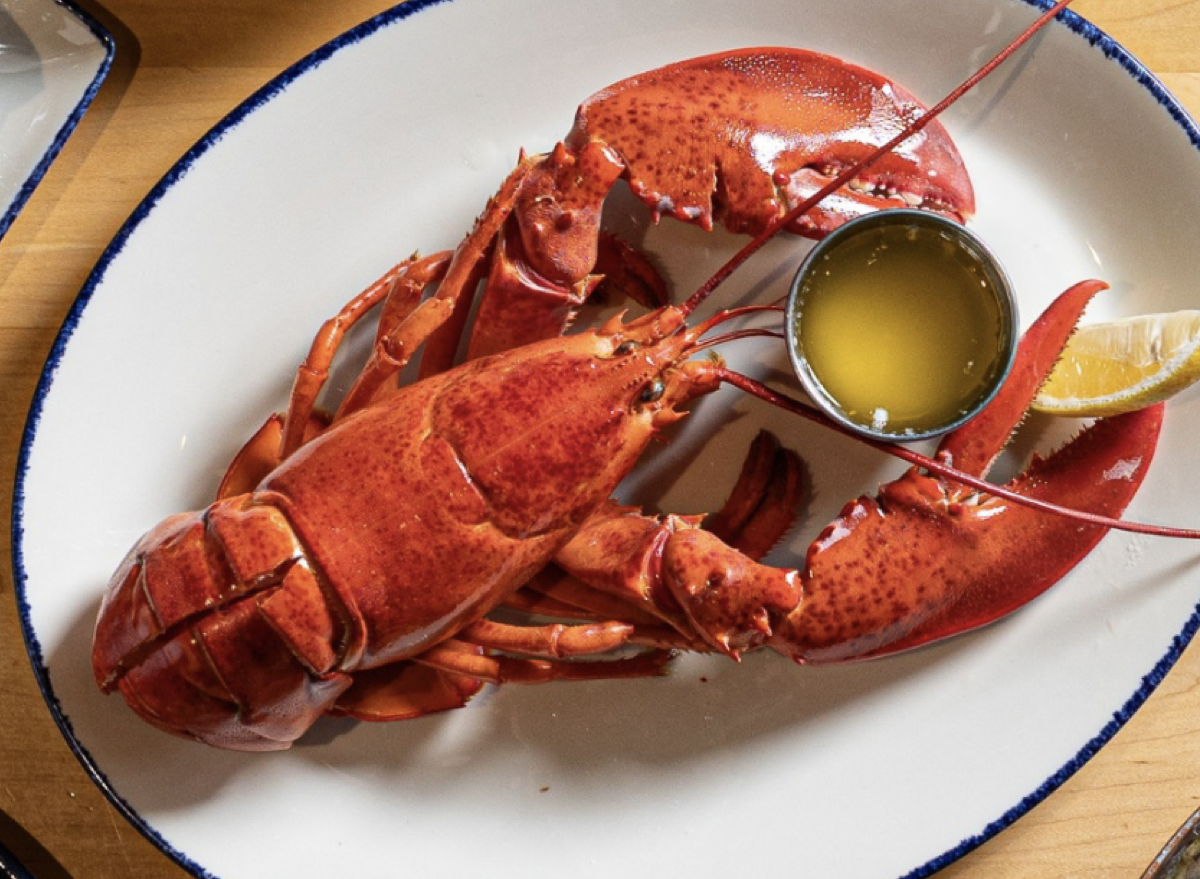
The serving of a complete lobster on a plate represents a pinnacle of seafood dining, a grand culinary gesture that transforms a meal into a memorable occasion. For many, this iconic crustacean symbolizes celebration and indulgence, its vibrant red shell and sweet, succulent meat promising a truly exceptional gastronomic journey. While lobster finds its way into countless dishes, from creamy bisques to rich pasta, the tradition of presenting the creature whole, accompanied by classic accoutrements, remains a distinct offering that discerning diners seek out. Remarkably, a select group of national chain restaurants has not only embraced this complex endeavor but has mastered the art of consistently delivering high-quality, whole lobster preparations across their multiple locations, carving out a niche for accessible luxury in the expansive restaurant landscape.
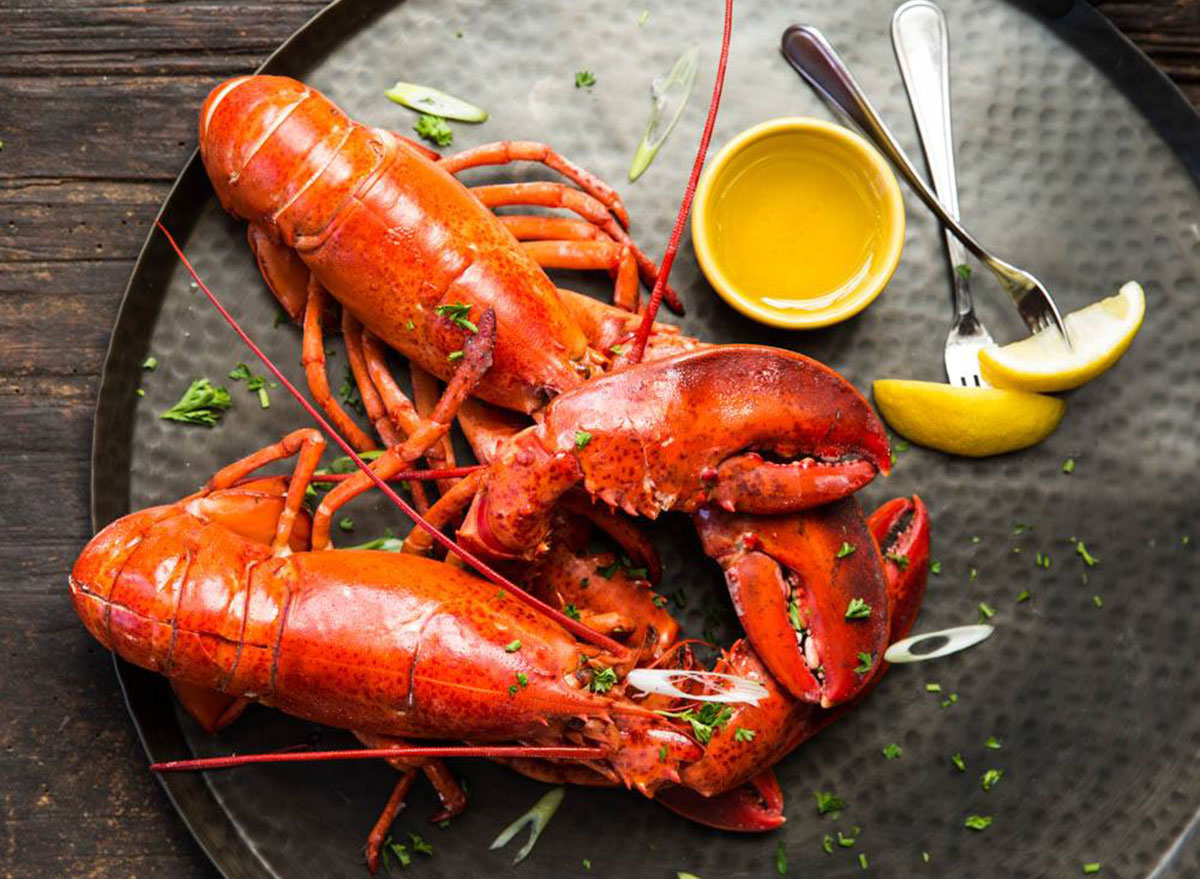
The appeal of a whole lobster is multifaceted. Beyond its exquisite flavor, it offers an immersive, tactile dining experience. The visual spectacle of a perfectly steamed or baked lobster, often cracked and ready for extraction, immediately captivates. The process of dismantling the shell to unearth the tender meat from the tail, claws, and knuckles is a cherished ritual, engaging diners in a way that pre-shelled portions cannot. Each part of the lobster offers a subtly different texture and intensity of flavor—the firm, dense meat of the tail, the sweet, fibrous strands of the claws, and the delicate morsels hidden within the knuckles. This hands-on engagement, combined with the lobster’s inherent richness, elevates it beyond mere sustenance to a form of culinary entertainment.
Historically, lobster was not always the delicacy it is today. In earlier centuries, particularly along the New England coast, it was so abundant it was considered a food for the poor, often used as fertilizer or fed to servants and prisoners. Its transformation into a luxury item began in the mid-19th century with the advent of efficient transportation, allowing live lobsters to be shipped inland, far from their coastal habitats. This increased scarcity in inland markets, coupled with evolving culinary tastes, cemented its status as a premium ingredient. Today, the demand for high-quality lobster, particularly the Atlantic or Maine lobster (Homarus americanus) renowned for its sweet flavor and tender texture, drives a significant global industry.
For chain restaurants, integrating whole lobster into their menu presents a unique set of operational challenges that extend far beyond those of serving pre-portioned seafood. Sourcing is paramount; ensuring a consistent supply of live, healthy lobsters across numerous geographically dispersed locations requires robust logistics and strong relationships with suppliers. Maintaining live holding tanks at each restaurant demands specialized knowledge regarding water quality, temperature, and aeration to keep the crustaceans fresh until preparation. Kitchen staff must be expertly trained in the delicate art of handling, cooking, and presenting whole lobsters, ensuring that each one is perfectly cooked—tender, never rubbery—and served with the appropriate tools for diners to enjoy their feast. Furthermore, the inherent higher cost of live lobster necessitates careful menu pricing strategies to balance profitability with customer value, making the successful execution of this offering a testament to a chain’s operational prowess and commitment to quality.
Despite these complexities, several national restaurant chains have distinguished themselves by consistently offering outstanding whole lobster experiences. These establishments often blend the accessibility and standardization expected of a chain with the quality and individualized attention typically associated with independent fine dining, making premium seafood available to a broader audience.
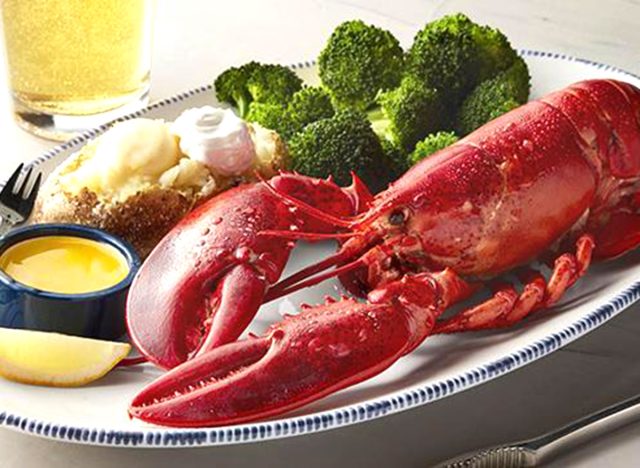
Legal Sea Foods, a name synonymous with New England seafood excellence, stands out for its deep-rooted commitment to fresh, high-quality marine offerings. With origins dating back to a fish market in Cambridge, Massachusetts, in 1950, Legal Sea Foods has cultivated a reputation for sourcing and preparing seafood with meticulous care. Their menu frequently features whole steamed lobsters, a classic preparation that allows the natural sweetness of the meat to shine, as well as baked stuffed lobsters, offering a more elaborate and savory option. Patrons frequently praise the exceptional caliber of the lobster, noting its firm yet delicate texture and profound umami notes. One diner vividly recounted the pleasure derived from the claw meat, remarking on its robust flavor and satisfying resistance, a testament to the freshness and proper cooking. The ability of Legal Sea Foods to maintain this standard across its various locations speaks volumes about its stringent quality control and supply chain management.
Red Lobster has long been a household name in casual seafood dining, and their commitment to making whole lobster accessible to a wide audience is notable. Specializing in "Live Maine Lobster," caught wild from the pristine waters of the Atlantic, Red Lobster offers diners the choice of a classic steamed preparation or a split, cleaned, and steamed version for easier access. Each whole lobster platter is thoughtfully accompanied by two sides, allowing guests to customize their meal with options such as orzo rice or seasoned broccoli. The inclusion of whole live lobster on their extensive menu underscores a dedication to providing a complete seafood experience, challenging perceptions of what a large chain can offer in terms of premium, fresh ingredients. Their operational scale allows them to procure and distribute these live crustaceans efficiently, making this celebratory dish a regular feature for many.
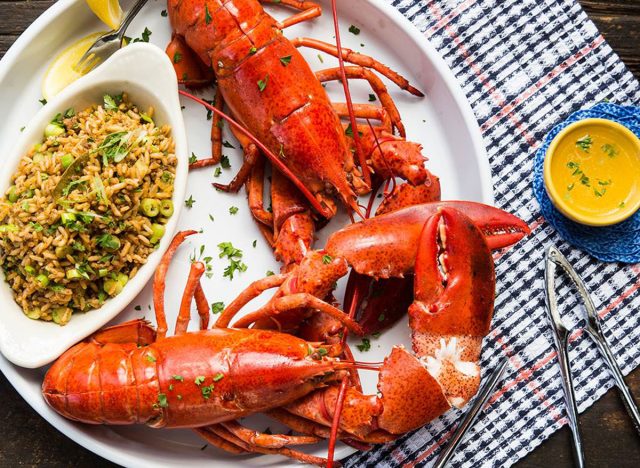
Pappadeaux Seafood Kitchen introduces a vibrant, often Cajun and Creole-inspired, approach to seafood, and select locations extend this rich culinary philosophy to include live Maine lobster. While famous for its expansive menu featuring a diverse array of fresh fish, shellfish, and Southern-influenced dishes, the availability of whole live lobster at certain Pappadeaux establishments provides an opportunity for a truly grand dining experience. Enthusiasts frequently commend the quality and value, with one fan recalling securing a substantial three-pound Atlantic lobster at a price point considered very reasonable for such a premium offering. This highlights Pappadeaux’s ability to integrate high-end seafood into its energetic, upscale-casual environment, catering to guests seeking both classic preparations and an adventurous culinary journey.
Water Grill positions itself as a purveyor of the finest, freshest seafood, boasting an impressive selection that often includes a prominent display of live shellfish. Guests at Water Grill can typically enjoy a whole North American Hard Shell Lobster, alongside an extensive variety of other raw bar selections and expertly prepared fish. The visual impact of their restaurant spaces, frequently featuring immense tanks brimming with live lobsters and crabs, immediately signals a commitment to freshness and quality. This striking visual element not only serves as an aesthetic enhancement but also reinforces the restaurant’s promise of serving seafood at its peak. Diners often remark on how this immediate connection to the live product enhances their dining anticipation, creating an immersive atmosphere even before the first bite. Water Grill’s dedication to sourcing and showcasing such premium ingredients solidifies its reputation as a destination for serious seafood aficionados.
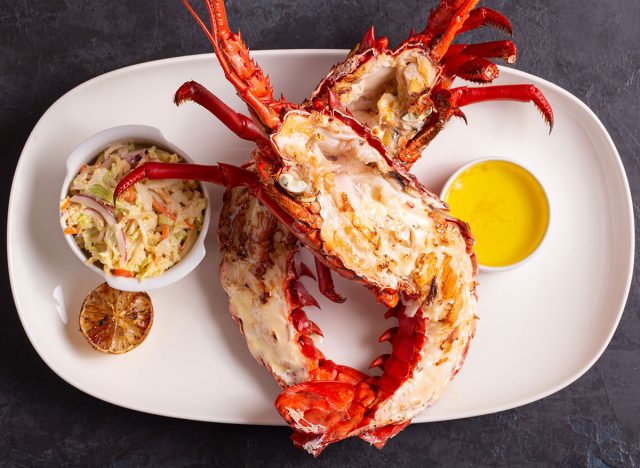
Finally, The Oceanaire Seafood Room offers an upscale, sophisticated dining experience, specializing in a diverse array of fresh seafood flown in daily. Their menu prominently features live Maine lobster and substantial lobster tails, catering to a clientele seeking refined preparations and top-tier ingredients. The Oceanaire is particularly noted for its capacity to serve exceptionally large lobsters, as evidenced by a guest’s account of enjoying an astonishing six-pound Maine lobster. This capability speaks to their specialized sourcing and skilled culinary teams who are adept at handling and preparing such grand specimens, ensuring even very large lobsters remain remarkably tender and flavorful. Dining at The Oceanaire for a whole lobster is often framed as a celebratory event, providing an elegant backdrop for indulging in one of the ocean’s most prized treasures.
In conclusion, the successful integration of whole lobster into the offerings of these national chain restaurants represents a significant achievement in the modern dining landscape. It demonstrates a sophisticated understanding of complex supply chains, stringent quality control, and the nuanced demands of preparing a premium product consistently across diverse locations. These establishments bridge the gap between fine dining and accessible luxury, allowing more diners to partake in the ceremonial and deeply satisfying experience of a whole lobster feast. As consumer tastes continue to evolve, seeking both quality and convenience, these chains are poised to maintain their position as leading destinations for those yearning for the ultimate crustacean indulgence.
About the Author