The enduring appeal of Italian cuisine, particularly its diverse array of pasta dishes, resonates deeply with diners across the globe. For many, a meticulously prepared plate of pasta, whether adorned with a hearty Bolognese, succulent seafood, or a delicate pesto, represents comfort, tradition, and culinary satisfaction. While dried pasta holds a venerable place in the Italian pantry and global culinary landscape, there is an undeniable, distinct appreciation for fresh, house-made pasta. Its superior texture, ability to absorb sauces, and nuanced flavor profile often elevate a dish from good to exceptional. In an era dominated by large-scale restaurant operations and efficiency-driven food preparation, the commitment of national chain establishments to produce fresh pasta daily is a testament to their dedication to quality and authentic dining experiences. This labor-intensive process, which typically involves combining flour, eggs, and water, then kneading, rolling, and cutting the dough, stands in stark contrast to the convenience of pre-packaged alternatives, highlighting a conscious choice to prioritize gastronomic integrity.
The distinction between fresh and dried pasta is not merely a matter of preparation time; it encompasses fundamental differences in ingredients, texture, and cooking characteristics. Traditional dried pasta, often made from durum wheat semolina and water, is typically extruded through bronze dies, giving it a porous surface ideal for clinging to sauces. It boasts a firm, resilient bite when cooked al dente and has an extended shelf life. Fresh pasta, conversely, frequently incorporates eggs, lending it a richer flavor, a softer, more yielding texture, and a quicker cooking time. Its delicate nature makes it particularly suited for lighter sauces or as a vehicle for rich fillings, as seen in tortellini or ravioli. For a chain restaurant to commit to making this ephemeral product fresh each day implies significant investment in skilled labor, specialized equipment, and a robust supply chain for high-quality ingredients. This operational decision is not trivial; it reflects a strategic aim to differentiate through superior product quality and to deliver a more authentic, restaurant-grade Italian experience to a broad customer base.
The logistical intricacies of producing fresh pasta across multiple locations daily are considerable. It requires consistent sourcing of quality flour and eggs, dedicated kitchen space for preparation, and trained personnel who understand the art and science of pasta making. Ensuring uniformity in texture and taste from one restaurant to the next presents an ongoing challenge that demands stringent quality control protocols. Despite these complexities, a select group of prominent Italian restaurant chains has chosen to embrace this tradition, recognizing its profound impact on customer perception and satisfaction. Their decision underscores a broader trend in the casual dining segment, where consumers increasingly seek transparency in food preparation, demand higher quality ingredients, and appreciate culinary craftsmanship that goes beyond mere convenience. These establishments aim to bridge the gap between fast-casual dining and the artisanal quality typically associated with independent, high-end Italian eateries.
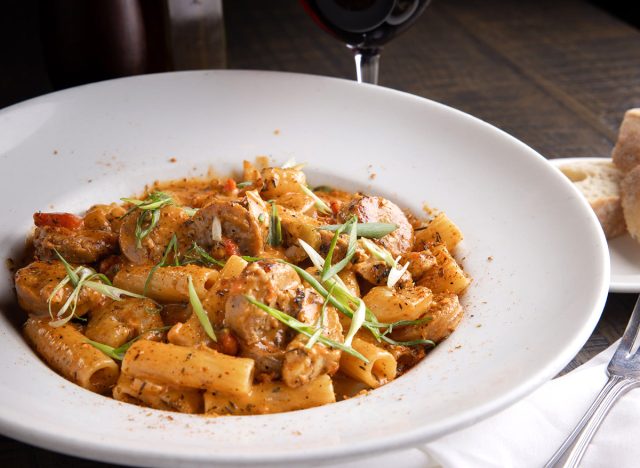
Among these dedicated establishments is Biaggi’s Ristorante Italiano, a chain that has built its reputation on offering classic Italian-American fare with a distinctive emphasis on freshness and value. With locations across several states, Biaggi’s prides itself on crafting its pasta in-house daily. This commitment extends beyond just the pasta itself; their culinary philosophy emphasizes generous portions and accessibility, allowing a wider audience to enjoy premium Italian dining without an exorbitant price tag. The restaurant’s menu reflects a blend of traditional and contemporary dishes, often featuring monthly chef specials that showcase seasonal ingredients and innovative flavor combinations. This dynamic approach, combined with the foundational element of fresh pasta, ensures that patrons can experience both familiar favorites and novel creations, all built upon a foundation of quality ingredients and meticulous preparation. Their dedication to house-made components, from pastas to soups and salads, reinforces a brand promise of freshness that resonates strongly with diners seeking an elevated casual experience.
Another prominent player in this space is North Italia, which champions a philosophy centered on "handmade and from scratch" preparation. This chain, part of the Fox Restaurant Concepts family, distinguishes itself by extending its commitment to daily fresh production beyond just pasta to include other menu items like hand-tossed pizzas and seasonal entrees. Their culinary approach aims to capture the essence of Italian dining—a focus on simple, high-quality ingredients transformed into memorable dishes. The menu at North Italia showcases this dedication with a variety of distinctive pasta offerings. For example, the Squid Ink Tonnarelli, featuring plump tiger shrimp, wild fennel pollen, mint, calamari, and a spicy tomato sauce, exemplifies their creative use of fresh pasta as a canvas for bold flavors. Similarly, the Tortelloni al Pomodoro, a seemingly simple dish elevated by the freshness of the pasta and quality ingredients like heirloom cherry tomatoes, burro fuso, basil, and Grana Padano, highlights their ability to make even classic preparations shine. The meticulous attention to detail in their pasta production directly contributes to the vibrant texture and rich flavor that define their offerings, solidifying their reputation for artisanal quality within a chain format.
Il Fornaio, a name synonymous with authentic Italian dining across California and beyond, stands out for its extensive menu and steadfast commitment to traditional preparation methods, including daily handmade pasta. The restaurant aims to transport diners to Italy through its culinary offerings, which often draw inspiration from various Italian regions. Beyond the standard pasta shapes, Il Fornaio crafts a diverse range of fresh options, ensuring a suitable pairing for every sauce and ingredient. Their Rigatoni Alla Vodka, prepared with crispy bacon, rich Grana Padano cheese, and a creamy tomato-vodka sauce, exemplifies the hearty and flavorful dishes that benefit immensely from fresh pasta’s texture. Furthermore, the Linguine Mare Chiaro, brimming with shrimp, mussels, scallops, and clams, showcases how fresh pasta enhances seafood preparations, allowing the delicate flavors of the ocean to meld seamlessly with the tender pasta strands. Acknowledging diverse dietary needs, Il Fornaio also thoughtfully provides gluten-free pasta alternatives, ensuring that a broader clientele can enjoy their authentic Italian experience. This attention to detail, combined with their daily pasta production, reinforces their status as a purveyor of high-quality, accessible Italian cuisine.
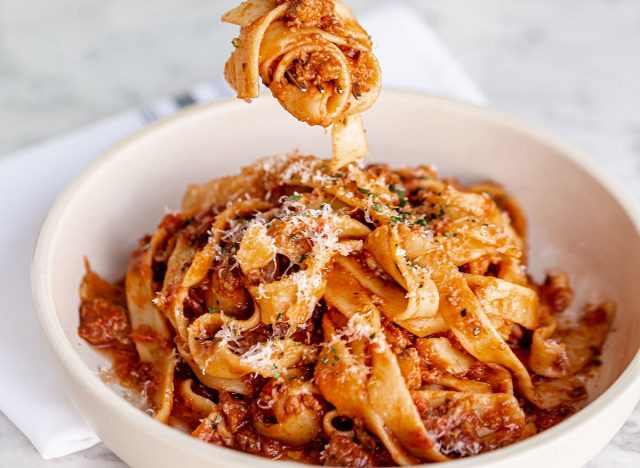
The experiential Italian marketplace and restaurant concept, Eataly, represents a unique model where fresh pasta production is not merely a kitchen process but a visible, educational cornerstone of their brand. With multiple locations, including prominent ones in New York City, Eataly serves as both a gourmet grocery store and a collection of restaurants, each specializing in different aspects of Italian gastronomy. Their dedication to fresh pasta is on full display at their in-house pasta counters, where skilled artisans craft various shapes daily using high-quality ingredients such as Molino Grassi Organic Semolina. This transparency allows customers to witness the pasta-making process firsthand, connecting them more deeply to the food they consume. Eataly’s dining menus feature these house-made creations prominently. The Tagliatelle alla Bolognese, a staple prepared with house-made tagliatelle and a rich pork and beef Bolognese sauce, highlights the classic pairings. Innovative options like the Maltagliati alla Norcina, featuring house-made spinach Maltagliati, demonstrate their versatility. For dried pasta options, Eataly partners with esteemed producers like Afeltra from Gragnano, Napoli, ensuring that even their non-fresh pasta selections meet rigorous standards, always served perfectly al dente. This dual commitment to both in-house fresh pasta and carefully sourced dried pasta underscores Eataly’s holistic approach to celebrating Italian culinary traditions.
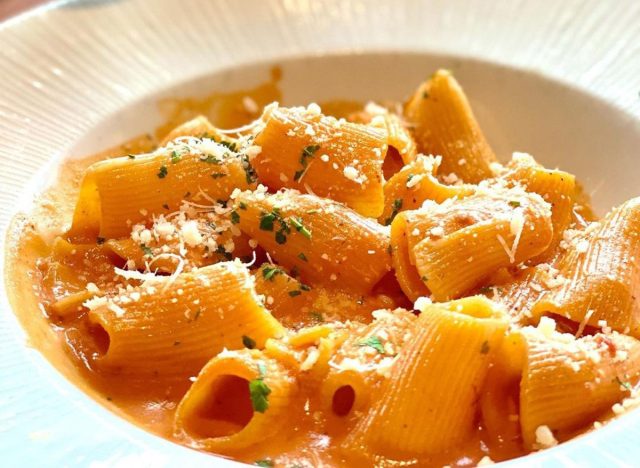
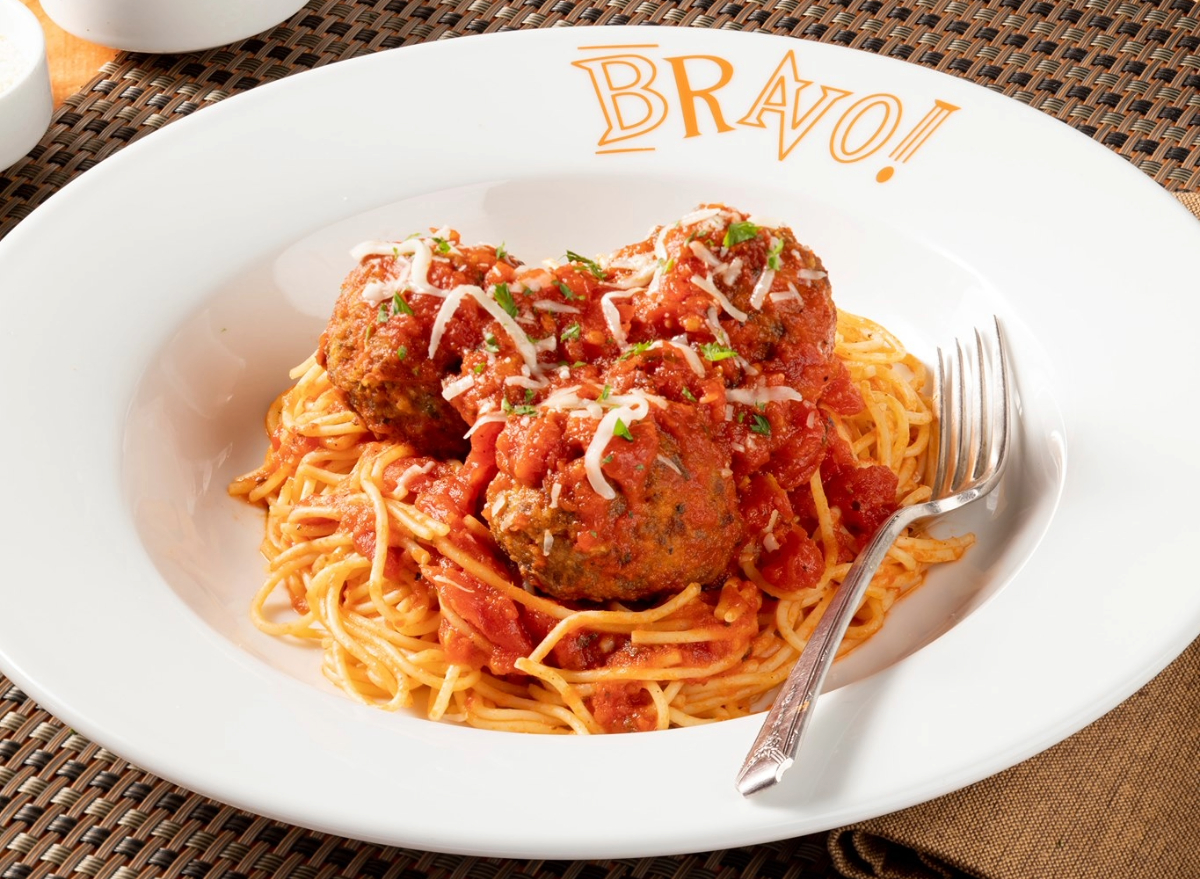
Finally, Bravo! Italian Kitchen maintains its position in the casual Italian dining segment through a consistent focus on "made-to-order" freshness, including its pasta dishes. With a history of serving communities in various regions, Bravo! has cultivated a reputation for delivering a contemporary Italian dining experience. Their menu is designed to offer a fresh perspective on classic Italian fare, incorporating signature pastas, brick-oven pizzas, crisp salads, and perfectly chargrilled entrees. The emphasis on "made-from-scratch recipes inspired by regional chefs around Italy" speaks to a deeper commitment to authenticity and flavor development. Whether diners opt for a timeless Spaghetti and Meatballs or a more intricate seafood pasta, the foundation of fresh, well-prepared pasta ensures a satisfying meal. Bravo!’s commitment to daily preparation is not just about the pasta itself but about creating an overall dining atmosphere where quality ingredients and thoughtful preparation are paramount, inviting guests to gather and enjoy a taste of Italy crafted with care.
In conclusion, the decision by these national restaurant chains to invest in daily fresh pasta production signifies more than just a culinary preference; it reflects a strategic response to evolving consumer expectations and a dedication to upholding the rich traditions of Italian cuisine. In an increasingly competitive dining landscape, where authenticity and quality are key differentiators, the commitment to handmade pasta provides a tangible link to artisanal craftsmanship. It assures diners of a superior textural experience and a more vibrant flavor profile, distinguishing these establishments from competitors relying solely on pre-packaged alternatives. As the demand for high-quality, transparently prepared food continues to grow, these pioneers in the chain restaurant sector demonstrate that scale does not necessarily preclude a deep commitment to culinary excellence, proving that the warmth and satisfaction of fresh pasta can indeed be found across the nation.
About the Author