The enduring allure of perfectly cooked barbecue ribs holds a special place in the American culinary landscape, a testament to slow-cooking traditions and rich, savory flavors. While many aficionados seek out independent, roadside BBQ establishments renowned for their pit mastery, a growing number of consumers are discovering exceptional full rack rib experiences within the familiar and accessible confines of prominent steakhouse chains. These larger restaurant groups have successfully integrated complex barbecue techniques into their extensive menus, providing a consistent and high-quality product to a broad audience. This strategic diversification not only caters to a wider array of palates but also reinforces the casual dining sector’s ability to deliver specialized dishes at scale.
The journey to creating a truly memorable rack of ribs is intricate, involving a delicate balance of preparation, cooking, and finishing. Two primary types of pork ribs dominate the market: baby back ribs and spare ribs. Baby back ribs, cut from the upper rib cage connected to the backbone, are typically leaner, shorter, and more tender, often associated with a "fall-off-the-bone" texture when prepared correctly. Spare ribs, found lower down the rib cage near the belly, are larger, meatier, and boast more fat, often trimmed into the rectangular "St. Louis style" cut for uniform cooking. The choice of rib type significantly influences the final product’s texture and mouthfeel.
Beyond the cut, the cooking methodology is paramount. Most acclaimed ribs undergo a long, slow cooking process, often involving smoking, braising, or a combination thereof. Smoking, a cornerstone of traditional barbecue, infuses the meat with a distinctive aroma and flavor, with various wood types like hickory, pecan, or mesquite imparting unique characteristics. The application of a dry rub—a blend of spices and herbs—before cooking is crucial for developing a flavorful "bark" and seasoning the meat from within. Finally, a finishing sauce, typically a sweet, smoky, or tangy barbecue concoction, adds a final layer of flavor and moisture, often brushed on during the last stages of cooking or served on the side. The achievement of consistent quality in this multi-stage process across hundreds or even thousands of locations is a logistical and culinary triumph for any chain.
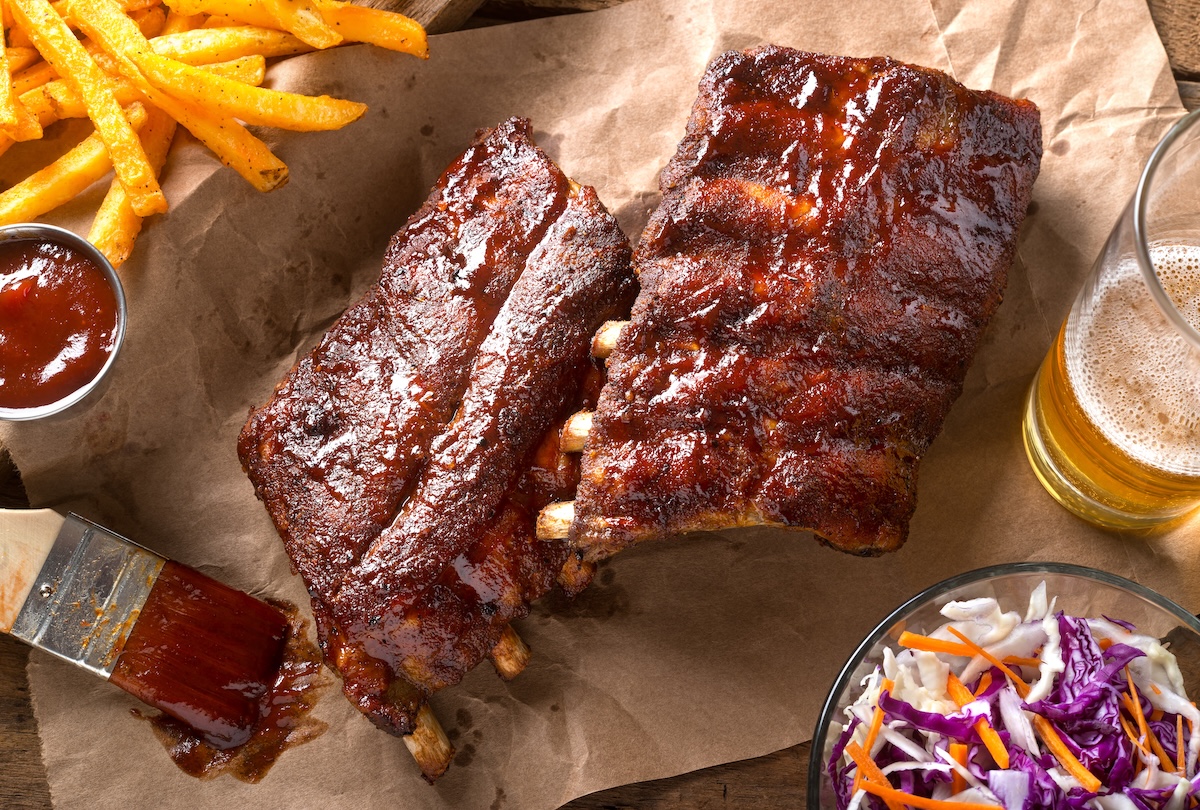
These established steakhouse and grill chains have leveraged their expansive networks and standardized operational procedures to offer full racks of ribs that consistently meet consumer expectations for tenderness, flavor, and generous portions. The appeal lies in the convenience of accessing a well-executed barbecue dish without needing to seek out a dedicated smokehouse, providing a reliable option for families and individuals alike.
Texas Roadhouse: A Homage to Hearty Western Barbecue
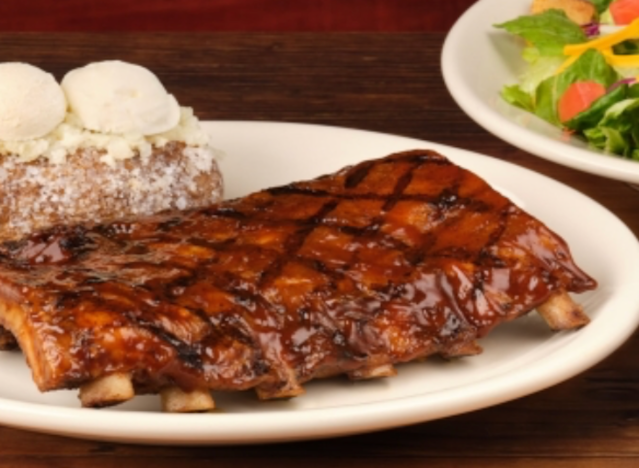
Texas Roadhouse, celebrated for its energetic, Western-themed atmosphere and hand-cut steaks, has also carved out a significant reputation for its ribs. Their approach leans into the rustic charm of American barbecue, emphasizing a slow-cooking method that ensures exceptional tenderness. The chain’s full rack ribs are meticulously hand-rubbed with a proprietary blend of spices, a critical step that builds foundational flavor before cooking commences. This meticulous preparation culminates in a signature barbecue sauce glaze, applied to achieve a desirable balance of sweetness and tang.
Diners frequently laud Texas Roadhouse’s ribs for their distinctive "fall-off-the-bone" quality, a texture often considered the hallmark of expertly prepared ribs. Feedback from patrons consistently highlights the "beautiful delicious crust" and the "melt-in-your-mouth tender" interior, indicating a successful execution of both flavor development and textural perfection. For a chain restaurant, maintaining such a high standard for a dish that traditionally requires extensive, hands-on attention is a testament to their operational efficiency and commitment to quality ingredients. The option to order in half or full slabs further enhances their appeal, catering to varying appetites and preferences. This offering positions Texas Roadhouse not merely as a steak destination but as a reliable purveyor of classic American barbecue, deeply ingrained in its brand identity.
Logan’s Roadhouse: Mesquite-Smoked Authenticity
Mirroring the rustic appeal of a traditional American roadhouse, Logan’s Roadhouse distinguishes its rib offering through a dedicated commitment to mesquite wood smoking. This particular wood choice is known for imparting a robust, earthy, and somewhat intense smoky flavor, differentiating Logan’s ribs from those cooked with milder wood varieties. Their "Fall-Off-the-Bone Ribs" are a signature menu item, underscoring their importance to the brand’s culinary identity.
The chain proudly states that their ribs, typically offered as a one-pound full rack, are "slow-cooked in-house over mesquite wood for maximum bold, juicy flavor." This description speaks to a commitment to traditional smoking methods, which are labor-intensive but yield superior results in terms of flavor penetration and tenderness. The "fall-off-the-bone" descriptor here is not just a marketing phrase but a reflection of the extensive slow-cooking process designed to break down tough connective tissues, resulting in exceptionally tender meat. Logan’s Roadhouse leverages the distinctive character of mesquite smoke to create a memorable barbecue experience that complements its broader menu of grilled items and classic American fare, solidifying its position as a go-to spot for those craving authentic smoky flavors.
Outback Steakhouse: Tangy Grilling from Down Under
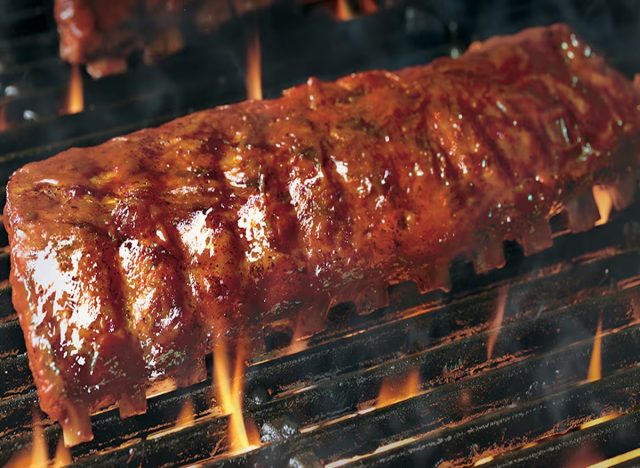
Outback Steakhouse, with its Australian-themed ambiance and focus on bold flavors, presents its "Outback Ribs" as a prime example of their culinary philosophy. Unlike some establishments that rely solely on smoking, Outback’s process involves a multi-stage approach: smoking, followed by brushing with sauce, and finally grilling. This combination allows them to achieve both smoky depth and a caramelized, slightly charred exterior that grilling provides.
The "tangy BBQ sauce" is a critical component of Outback’s rib recipe, offering a counterpoint to the richness of the smoked meat. This tanginess likely incorporates elements of vinegar or citrus, which can cut through fat and refresh the palate. Served with two complementary side dishes, the full rack of Outback Ribs offers a complete meal experience. Diners consistently describe these ribs as "pretty juicy and soft," highlighting the successful tenderization achieved through their cooking method. This unique blend of smoking and grilling, paired with a distinctive sauce, allows Outback Steakhouse to offer a rib experience that aligns with its adventurous brand identity while satisfying the demand for a classic barbecue dish.
LongHorn Steakhouse: Grilling Excellence with a Sweet and Smoky Finish
LongHorn Steakhouse, a chain recognized for its commitment to fire-grilled steaks and a hearty American menu, extends its grilling expertise to its baby back ribs. Their proprietary process involves an initial slow-cooking phase, specifically designed to achieve that desirable "fall-off-the-bone tenderness." Following this, the ribs are seasoned with a unique "one-of-a-kind Rib Seasoning," which undoubtedly plays a significant role in their distinct flavor profile. The final flourish comes from being "fire-grilled to perfection and brushed with housemade sweet and smoky BBQ sauce."
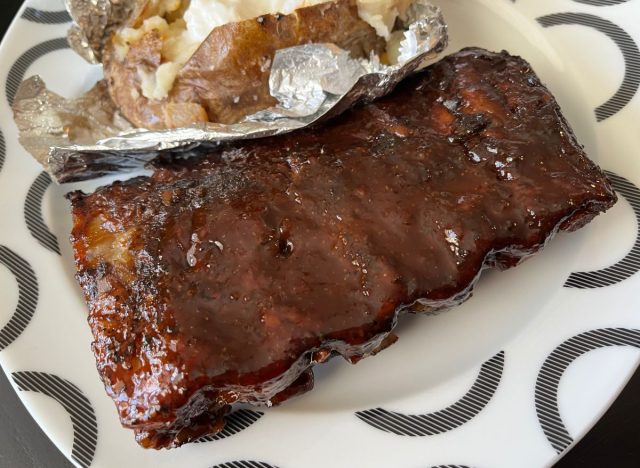
This combination of slow-cooking for tenderness and fire-grilling for a caramelized crust and smoky char is a sophisticated approach that balances different culinary techniques. The "housemade sweet and smoky BBQ sauce" provides a balanced flavor profile that appeals to a wide audience, offering both depth and a hint of sweetness without being cloying. Customer testimonials often place LongHorn’s ribs in high regard, with some even suggesting they surpass the quality of their signature steaks. This speaks volumes about the chain’s dedication to making their rib offering a standout item, leveraging their grilling prowess to create a truly exceptional product.
Chili’s Bar & Grill: Evolving the Casual Dining Rib Experience
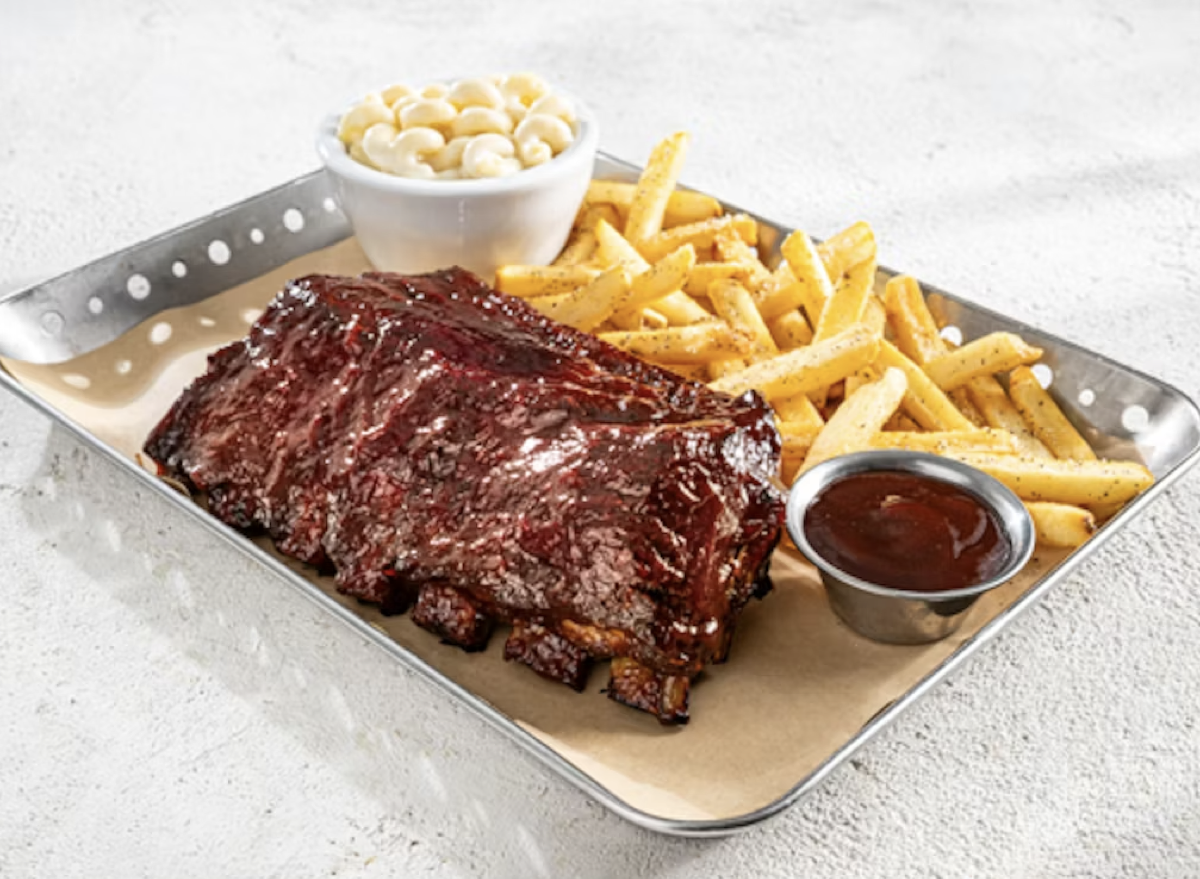
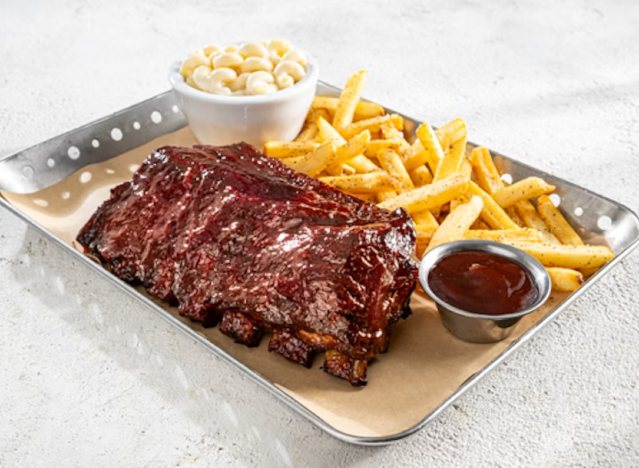
Chili’s Bar & Grill, a ubiquitous presence in the casual dining landscape, has long been associated with its "Baby Back Ribs," a staple on its menu. The chain has demonstrated an ongoing commitment to refining this popular dish, evidenced by mentions of "new and improved" iterations. Their ribs are characterized by a smoky and tangy profile, generously "slathered in signature sauces," available in various flavor options to cater to diverse preferences.
A particularly insightful diner review on Reddit highlighted the nuances of Chili’s ribs, praising their "nice exterior crust" and "very juicy" interior. The reviewer noted a "perfect texture (not fall off the bone)," which is a significant point of distinction. In the world of barbecue, while "fall-off-the-bone" is often sought after, a truly perfect rib should offer a slight tug, allowing the meat to separate cleanly from the bone without disintegrating. This "bite" indicates optimal cooking and texture. While the reviewer expressed a personal preference for a dry rub, they still found the "tasty sauce" enjoyable, affirming the overall quality. Chili’s ability to consistently deliver such an enjoyable and texturally sound rib experience, even while competing with dedicated local BBQ joints, speaks to its refined culinary processes and understanding of consumer expectations within the casual dining segment. Their full and half-rack options ensure flexibility for diners, making them a reliable choice for a satisfying rib meal.
In conclusion, the widespread availability of high-quality full rack ribs at major steakhouse and casual dining chains marks a significant evolution in the American food service industry. These establishments have successfully translated the complex art of barbecue into scalable, consistent, and accessible menu items. By meticulously controlling cooking processes, applying signature rubs and sauces, and understanding the nuances of different rib types, these chains offer a compelling alternative to specialized BBQ joints. For diners seeking a satisfying and reliable rib experience without venturing off the beaten path, these prominent culinary institutions continue to deliver, solidifying their place as unexpected havens for barbecue enthusiasts across the nation. Their continued innovation and commitment to flavor ensure that the beloved full rack of ribs remains a cherished and accessible dining option for many.
About the Author