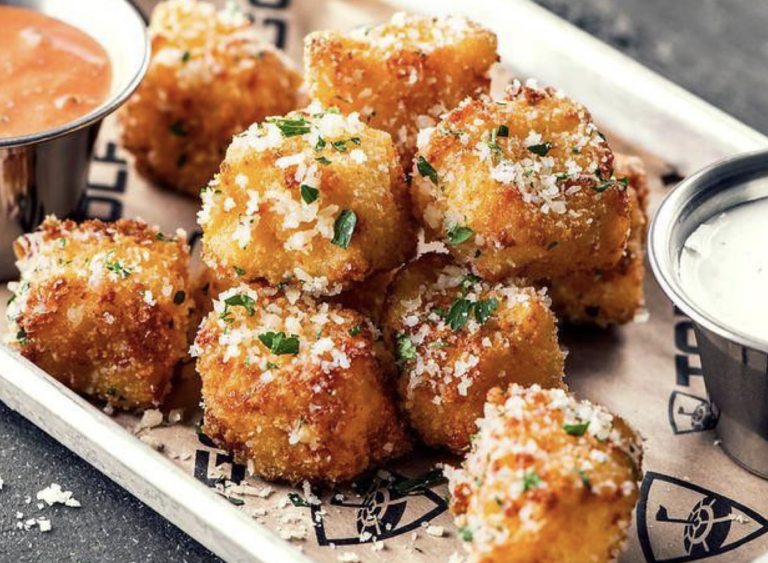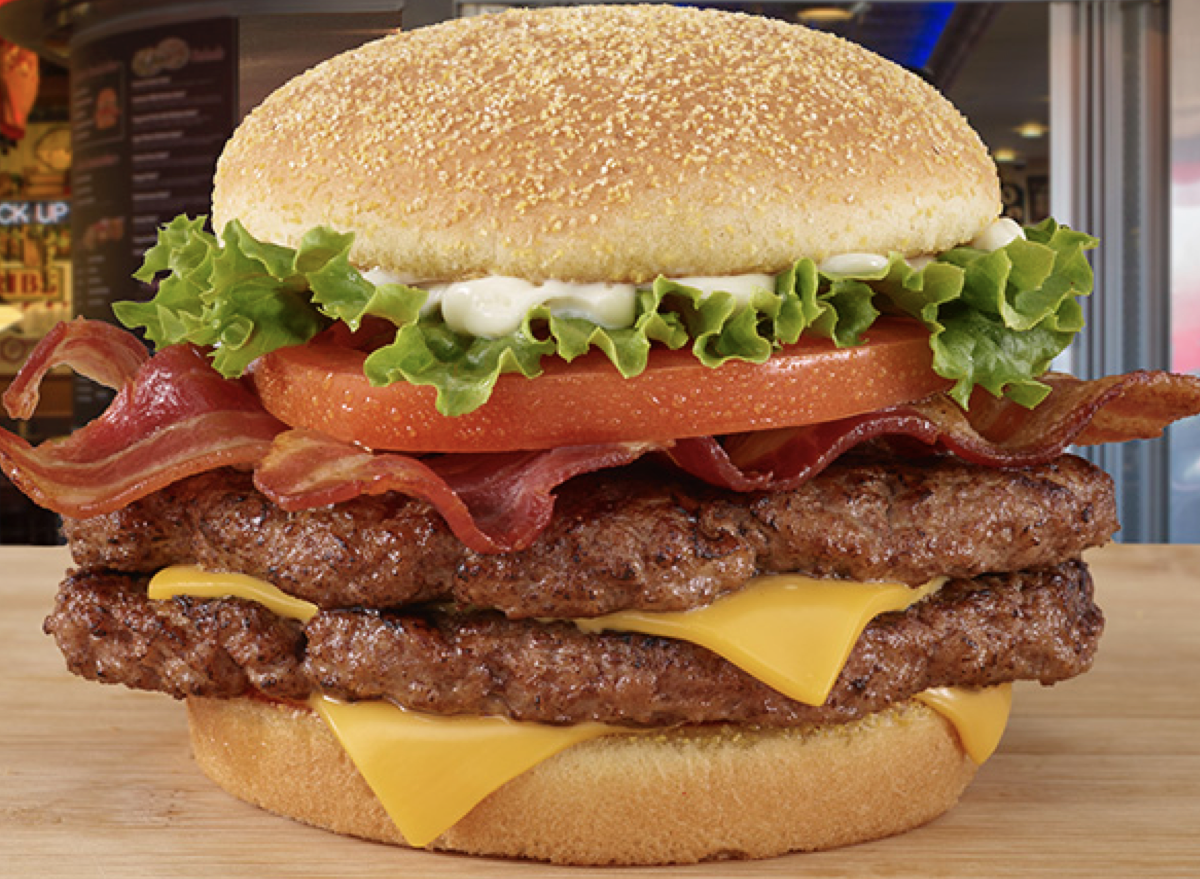
The pursuit of the quintessential burger experience often leads connoisseurs to a specific cooking method: char-grilling. This technique, celebrated for imbuing meat with a rich, smoky depth and a satisfyingly seared exterior, stands in stark contrast to the flat-top griddle common in many eateries. What distinguishes a truly char-grilled patty is its preparation over an open flame or radiant heat source, allowing rendered fats to drip away and vaporize. This process creates flavorful smoke that permeates the meat, resulting in a complex profile characterized by both a distinctive char and an aromatic smokiness. For many, this method evokes the nostalgic essence of backyard barbecues, translating a beloved home-cooking tradition into a scalable fast-food format. In an industry dominated by speed and efficiency, a select group of quick-service establishments has committed to mastering this intricate culinary art, earning widespread acclaim for their dedication to delivering superior char-grilled burgers. These establishments have not only preserved the integrity of the char-grilling technique but have also innovated within its parameters, crafting signature menu items that resonate deeply with consumers seeking that authentic, flame-kissed flavor.
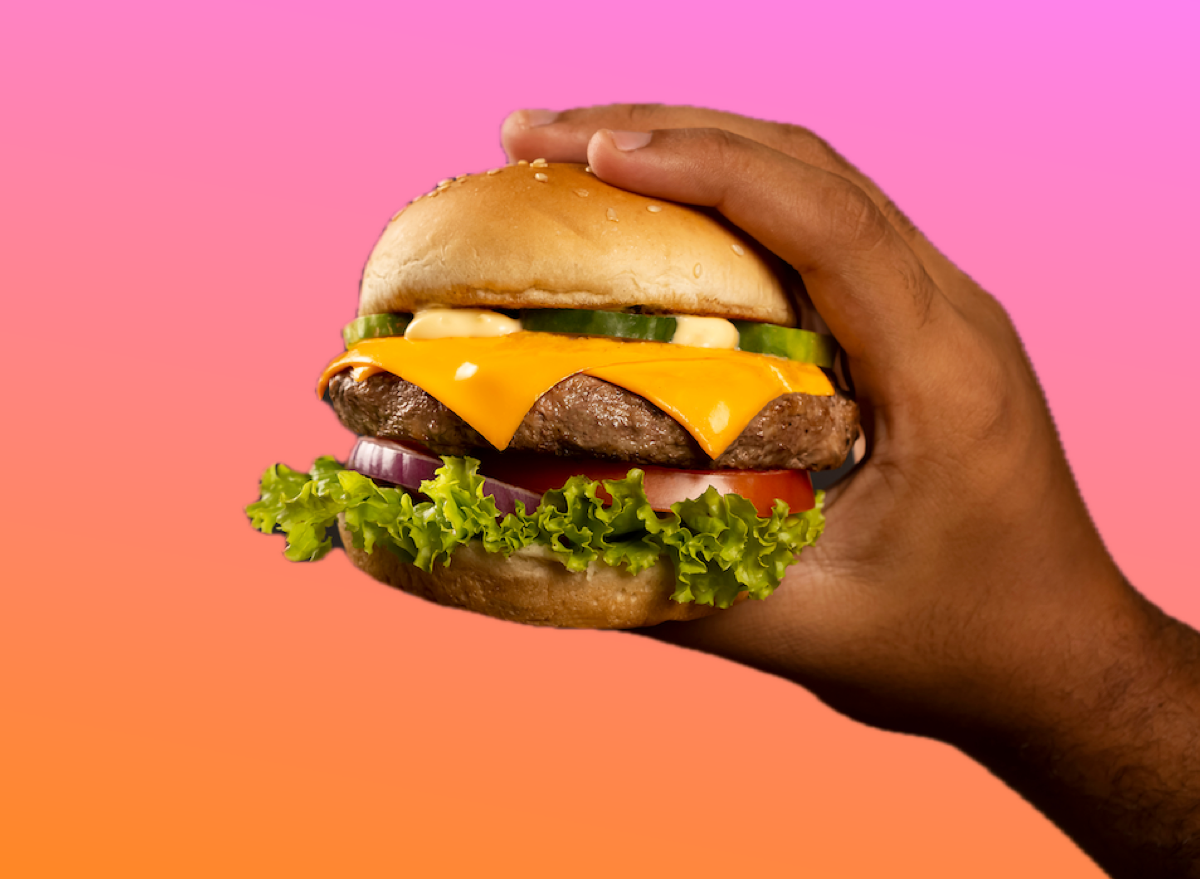
Among the pioneering giants in the realm of flame-cooked patties, Burger King stands as a historically significant institution. Since its inception in the 1950s, the brand has anchored its identity around the "Whopper," a sandwich whose distinct taste is inextricably linked to its "flame-grilled" preparation. While technically differing slightly from a traditional charbroil due to its industrial-scale broiler system, Burger King’s method employs genuine open flames and a conveyor belt mechanism to cook its 100% beef patties. This automated process is engineered to replicate the char and smoky notes typically associated with backyard grilling, ensuring consistency across its vast global footprint. The direct exposure to intense heat swiftly sears the exterior of the patty, locking in juices while simultaneously developing a desirable crust. The resulting flavor profile, a blend of savory beef, subtle smokiness, and a hint of caramelization from the Maillard reaction, has become a cornerstone of the company’s appeal and a widely recognized taste that distinguishes it within the competitive fast-food landscape. This long-standing commitment to flame-grilling has not only defined Burger King’s culinary philosophy but has also cultivated a loyal customer base specifically drawn to its unique approach to burger preparation.
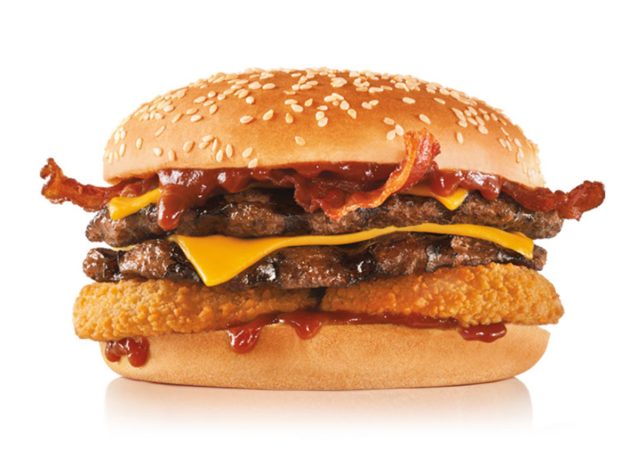
Further solidifying the prominence of charbroiling in the quick-service sector are Carl’s Jr. and its East Coast counterpart, Hardee’s. These sister brands are renowned for their explicit embrace of the charbroiling technique, a method they proudly feature in their marketing and menu descriptions. Their patties are cooked over open flames, yielding a pronounced smoky flavor and a characteristic char that has become a hallmark of their offerings. This cooking style is central to many of their popular items, including the iconic Western Bacon Cheeseburger, a flavorful concoction featuring crispy bacon, golden-fried onion rings, and tangy barbecue sauce, all complementing the charbroiled beef. Other notable selections, such as the robust Big Carl and the fiery El Diablo, also benefit from this signature preparation, demonstrating the versatility of the charbroiled base in creating diverse flavor experiences. The commitment of Carl’s Jr. and Hardee’s to this specific grilling method has carved out a distinct niche for them, appealing to patrons who prioritize the deep, smoky nuances and textural variations that only open-flame cooking can provide in a fast-food setting. Their extensive presence across various regions underscores the widespread demand for this particular style of burger.
Venturing into the "better burger" segment, The Habit Burger Grill has garnered significant recognition for its dedication to char-grilling, particularly since its origins in Southern California. Positioned as a fast-casual dining experience, the chain prides itself on preparing its burgers over an open flame, which contributes to their signature seared flavor and juicy interior. This commitment extends beyond the cooking method to an emphasis on fresh, high-quality ingredients, a combination that has cultivated a devoted following. Notably, The Habit Burger Grill received a high ranking from Yelp, placing it second among all burger chains, a testament to its consistent delivery of quality and flavor. The cornerstone of their menu is the signature Charburger, a meticulously assembled creation featuring a chargrilled patty layered with sweet caramelized onions, crisp lettuce, ripe tomato, crunchy pickles, and creamy mayonnaise, all nestled within a toasted bun. This thoughtful combination of fresh components and the distinctive smoky flavor from the grill creates a harmonious and satisfying culinary experience, elevating the standard fast-food burger to a more gourmet, yet accessible, offering. Their success highlights a growing consumer appreciation for elevated ingredients and refined cooking techniques within the casual dining space.
For those seeking a more traditional, backyard-inspired char-grilled burger, CookOut, a regional chain primarily concentrated in the Southeastern United States, has cultivated a reputation for excellence. The establishment has perfected what many describe as a "backyard-style" char-grilled burger, evoking the simple yet profound pleasure of home-cooked barbecue. Their approach focuses on delivering juicy, smoky patties characterized by a delightful grilled crust, achieved through cooking quickly over high heat. The seasoning is kept straightforward, typically just salt and pepper, allowing the inherent flavor of the beef and the smoky essence imparted by the grill to shine through. Patrons at CookOut can then customize their burgers with a wide array of fresh toppings, including crisp lettuce, ripe tomatoes, raw onions, dill pickles, various cheeses, and an assortment of special sauces. This emphasis on simplicity in preparation, combined with a robust selection of fresh accompaniments, recreates the authentic, personalized experience of a classic outdoor cookout, making CookOut a beloved destination for a truly satisfying and unpretentious char-grilled burger.
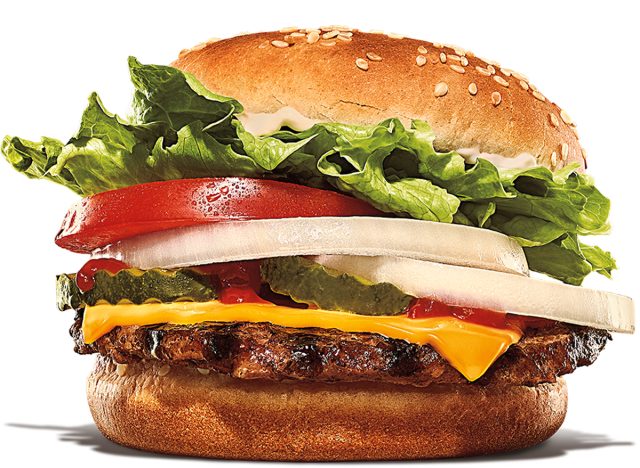
Finally, an unexpected yet highly praised purveyor of charbroiled burgers is Portillo’s, an Illinois-based chain predominantly celebrated for its Chicago-style hot dogs and iconic Italian beef sandwiches. Despite its fame in other culinary domains, Portillo’s has quietly cultivated a loyal following for its charbroiled burger offerings. The chain features a substantial one-third-pound beef patty, expertly seared over an open flame to achieve a pronounced smoky taste and a desirable exterior char. Served on a soft brioche bun and accompanied by classic toppings, this burger provides a flavorful alternative to their well-known specialties. Customer testimonials frequently highlight the distinct charbroiled flavor, with many online reviewers expressing particular fondness for the "charr" on the meat. This unexpected culinary gem demonstrates that a commitment to quality and a specific cooking technique can allow a brand to excel even outside its primary product categories. Portillo’s success with its charbroiled burger underscores the enduring appeal of this preparation method and its capacity to create memorable dining experiences, regardless of a restaurant’s core identity.
The enduring popularity of char-grilled burgers across these diverse fast-food and fast-casual landscapes speaks volumes about the consumer’s palate. The sensory appeal of a char-grilled patty—the visual cues of grill marks, the aromatic smoke, the satisfying crunch of a seared exterior giving way to a juicy interior—creates a multifaceted dining experience that transcends mere sustenance. It taps into a primal appreciation for fire-cooked food, evoking warmth, comfort, and authenticity. Furthermore, from a culinary science perspective, charbroiling is not merely a cooking method but a flavor enhancer. The high heat promotes rapid caramelization and browning through the Maillard reaction, while the fat drippings interacting with the heat source produce volatile compounds that re-infuse the meat, contributing to the signature smoky aroma and taste. This complex interplay of heat, fat, and smoke creates a unique chemical symphony that cannot be replicated by flat-top griddling or other methods.
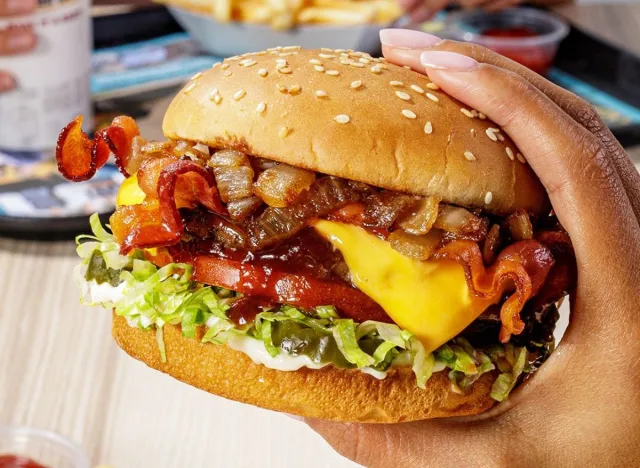
The challenges of scaling such a technique for high-volume quick-service operations are considerable, demanding specialized equipment and rigorous process control to maintain consistency. Yet, the establishments highlighted—Burger King, Carl’s Jr./Hardee’s, The Habit Burger Grill, CookOut, and Portillo’s—have demonstrably invested in the infrastructure and training necessary to deliver this specific flavor profile reliably. Their success underscores a significant market trend: consumers are increasingly discerning, seeking not just convenience but also quality and distinctive culinary experiences within the fast-food sector. The "better burger" movement, in particular, has capitalized on this demand by emphasizing superior ingredients and cooking techniques like char-grilling. Ultimately, the quest for the perfect char-grilled burger is a testament to the power of a specific cooking method to define a brand, capture consumer loyalty, and elevate a seemingly simple dish into a cherished culinary delight. These establishments, through their dedication to the flame, continue to shape the landscape of quick-service dining, one smoky, seared patty at a time.
About the Author