The persistent upward trajectory of food prices continues to be a central concern for households nationwide, with expert projections indicating further cost escalations across various essential grocery categories in the upcoming year. While the broader economic landscape presents a complex interplay of inflationary pressures and stabilizing factors, specific sectors within the food industry are poised for more substantial increases, directly impacting consumer purchasing power and household budgets. Understanding these trends is crucial for informed financial planning and adapting to evolving market conditions.
According to detailed analyses provided by the Economic Research Service (ERS) of the U.S. Department of Agriculture (USDA), the overall cost of food is anticipated to climb by approximately 3.0 percent throughout 2026. This overarching projection is further disaggregated, revealing distinct trajectories for different consumption patterns: prices for food consumed at home, typically purchased from grocery stores, are forecast to rise by 1.7 percent, while the cost of food consumed away from home, encompassing restaurant meals and takeout, is expected to see a more significant jump of 4.6 percent. This disparity often reflects the higher labor and operational costs inherent in the food service industry compared to retail grocery operations. The ERS, a principal statistical agency of the USDA, plays a vital role in providing data and analysis on economic and policy issues related to agriculture, food, the environment, and rural development, making its forecasts a critical benchmark for both consumers and industry stakeholders.
Several factors underpin these inflationary pressures. Global supply chain disruptions, fluctuating energy prices affecting transportation and production, labor shortages across the agricultural and processing sectors, and adverse weather events linked to climate change collectively contribute to the elevated cost of bringing food from farm to table. While the overall inflation rate has shown signs of moderation in some areas, the food sector often experiences its own unique set of supply and demand dynamics, making it susceptible to continued volatility. Against this backdrop, five particular grocery categories have been identified as likely candidates for significant price adjustments in 2026, necessitating careful consideration from shoppers.

Beef and Veal: A Continual Upward Trend
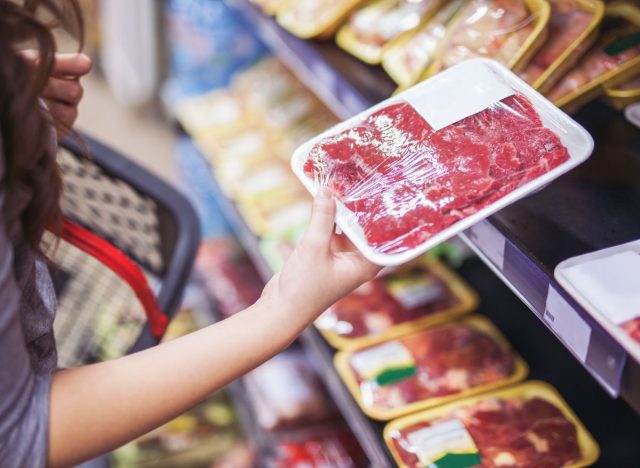
The meat counter, specifically for beef and veal products, is expected to lead the charge in price increases. The ERS forecasts a substantial 9.4 percent rise in beef and veal prices over the coming year. This projection is not an isolated event but rather the continuation of an established trend. From November 2025 to December 2025, prices for these protein sources already edged up by 0.4 percent. More strikingly, December 2025 saw beef and veal prices a significant 16.4 percent higher than in December 2024, illustrating the sustained and considerable inflationary momentum in this segment.
The primary driver behind this persistent escalation is a pronounced reduction in the size of the U.S. cattle herd. Over recent years, various challenges have compelled ranchers to scale back their operations. Prolonged drought conditions in key cattle-producing states, such as Texas and Oklahoma, have severely impacted grazing lands and increased the cost of feed, making it uneconomical for many producers to maintain or expand their herds. The high cost of corn and other grains, exacerbated by global commodity market shifts and supply chain constraints, further pressures cattle farmers. Rebuilding a cattle herd is a lengthy process, often taking several years due to the natural breeding cycle, meaning that supply shortages are not quickly resolved. Simultaneously, consumer demand for beef, despite its higher cost, has remained relatively robust, creating a classic supply-demand imbalance that inevitably pushes prices upward. This situation poses a significant challenge for consumers who rely on beef as a staple protein, potentially encouraging a shift towards alternative, more affordably priced meats or plant-based options.
The Rising Cost of Non-Alcoholic Refreshments
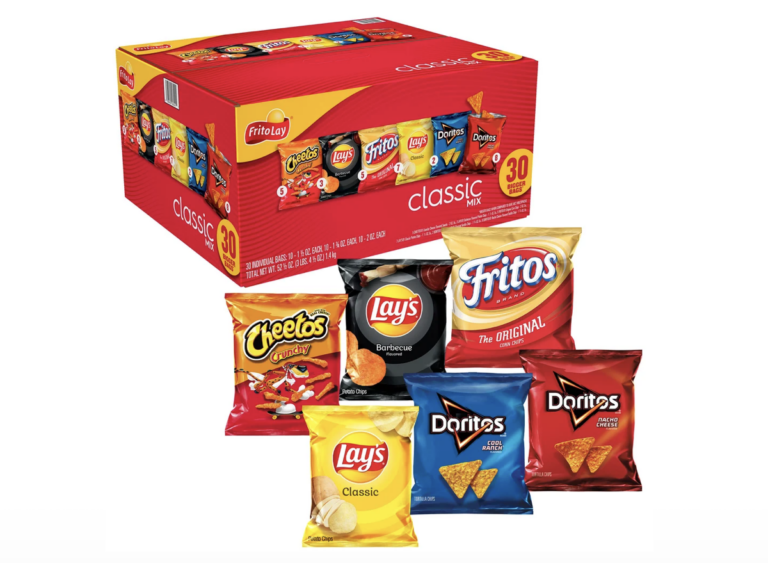
The beverage aisle is another area where consumers can anticipate seeing higher price tags, particularly for non-alcoholic options. The ERS predicts a 4.2 percent increase in non-alcoholic beverage prices for 2026. This category has already demonstrated considerable upward movement, with a 0.3 percent rise observed between November 2025 and December 2025. Looking at a broader twelve-month span, December 2025 prices for non-alcoholic beverages were 5.1 percent greater than in December 2024.
A significant contributor to this inflationary trend is the escalating cost of global coffee beans. Major coffee-producing regions around the world have experienced challenging weather patterns, including droughts and excessive rainfall, which have adversely affected crop yields. Additionally, disruptions in international shipping and increased energy costs for roasting and transportation further add to the final retail price. Beyond coffee, other factors influencing the cost of non-alcoholic beverages include the price of key ingredients like sugar (which itself is seeing increases), artificial sweeteners, and packaging materials such as aluminum and plastic. Manufacturing and distribution expenses, including labor and fuel, also play a role in pushing up the cost of everything from soft drinks to juices and bottled water. For many households, these everyday purchases can add up, making the rise in beverage prices a noticeable hit to the grocery bill.
Sweetening the Deal Becomes More Expensive: Sugar and Sweets
For those with a sweet tooth, the news is less palatable, as sugar and confectionery items are projected to experience a substantial price increase of 6.7 percent in 2026. The ERS provides a prediction interval for this category ranging from 3.0 percent to 10.6 percent, indicating a degree of uncertainty but a strong likelihood of significant upward movement. This category has already seen a 0.9 percent increase from November 2025 to December 2025, and prices in December 2025 were 6.9 percent higher than in December 2024.
The broad range of this projection highlights the volatility in the global sugar market. Factors such as adverse weather conditions in major sugar-producing nations like Brazil, India, and Thailand can significantly impact global supply. Furthermore, increased demand for sugar in the production of biofuels, coupled with various trade policies and tariffs, can influence international pricing. Specifically within the retail segment, the rise in the price of candy and chewing gum, mentioned in the ERS analysis, points to the combined impact of raw ingredient costs (including not just sugar but also cocoa, flavorings, and other additives), manufacturing overheads, and packaging. As a fundamental ingredient in countless processed foods, the rising cost of sugar has ripple effects across many other grocery categories, making this an important indicator of broader food inflation.
The Evolving Costs of Fresh Produce: Vegetables and Fruits
The produce section, a cornerstone of healthy eating, also faces its share of cost adjustments, albeit with differing magnitudes between fresh vegetables and fruits.
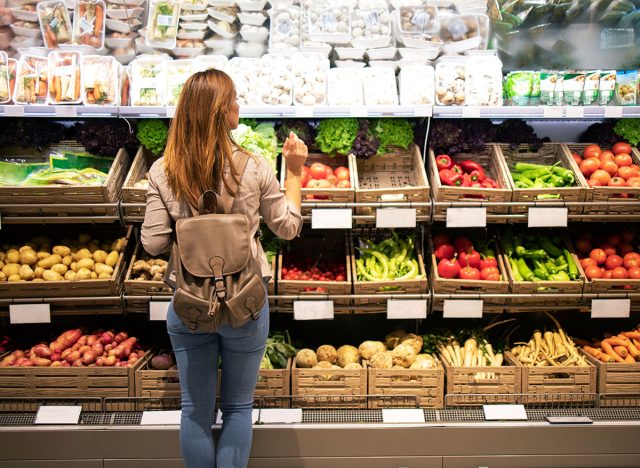
Fresh Vegetables are expected to see a 2.0 percent increase in prices during 2026. While the month-over-month change from November 2025 to December 2025 showed a modest 0.3 percent rise, it’s notable that December 2025 prices were still 0.2 percent lower than in December 2024. This suggests a period of relative stability or even slight deflation in the preceding year, followed by a renewed upward trend. The vulnerability of fresh vegetables to price fluctuations stems from their highly perishable nature and dependence on specific growing conditions. Factors such as regional droughts, unseasonal freezes, or excessive rainfall can decimate crops and immediately impact supply. Labor costs for harvesting and processing, fuel expenses for transportation from farms to grocery stores, and packaging materials are also significant contributors to the final retail price. Given the diversity of the vegetable category, specific items may experience much higher or lower volatility based on their individual supply chains and seasonal availability.
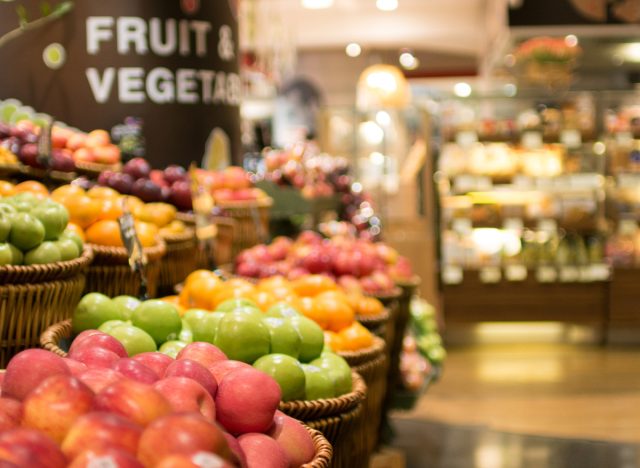
Fresh Fruits, in contrast, are projected to experience a comparatively modest increase of 0.2 percent in 2026. This figure is significantly lower than other categories, suggesting a more stable outlook. The recent data reflects some volatility: retail fresh fruit prices actually decreased by 0.8 percent from November 2025 to December 2025, yet they were 0.7 percent higher in December 2025 compared to December 2024. This dynamic illustrates the highly seasonal and globally interconnected nature of fruit markets. A good harvest in one region might offset poor yields elsewhere, leading to less dramatic overall price shifts. However, specific fruits could still see significant price changes depending on their origin and prevailing weather conditions in their primary growing areas. Factors like import costs, tariffs, and transportation logistics also play a crucial role in determining the final price for consumers. The lower overall projected increase for fruits compared to vegetables could offer some relief for shoppers looking to maintain a healthy diet amidst rising food costs.
Navigating the Inflationary Landscape
The ERS projections underscore a continued environment of rising food costs, particularly impacting categories central to many diets. For consumers, this necessitates strategic approaches to grocery shopping and meal planning. Exploring alternative protein sources, such as poultry, pork, or plant-based options, could offer cost savings compared to the more expensive beef and veal. Likewise, being mindful of seasonal produce availability can help mitigate the impact of rising vegetable prices, as in-season items are often more abundant and thus more affordable. Opting for store-brand or private-label products, utilizing digital coupons, and preparing more meals at home are additional strategies to manage the impact of these anticipated price hikes.
Beyond individual household strategies, these projections highlight broader economic challenges. The interplay of global commodity markets, geopolitical events, climate patterns, and domestic economic policies all contribute to the complex tapestry of food inflation. Monitoring these trends and understanding their underlying causes is essential for policymakers, producers, and consumers alike as they navigate the evolving landscape of food economics in the coming year. The anticipated increases, while varying across categories, collectively point to an ongoing need for vigilance and adaptation in how food is sourced, priced, and consumed.
About the Author