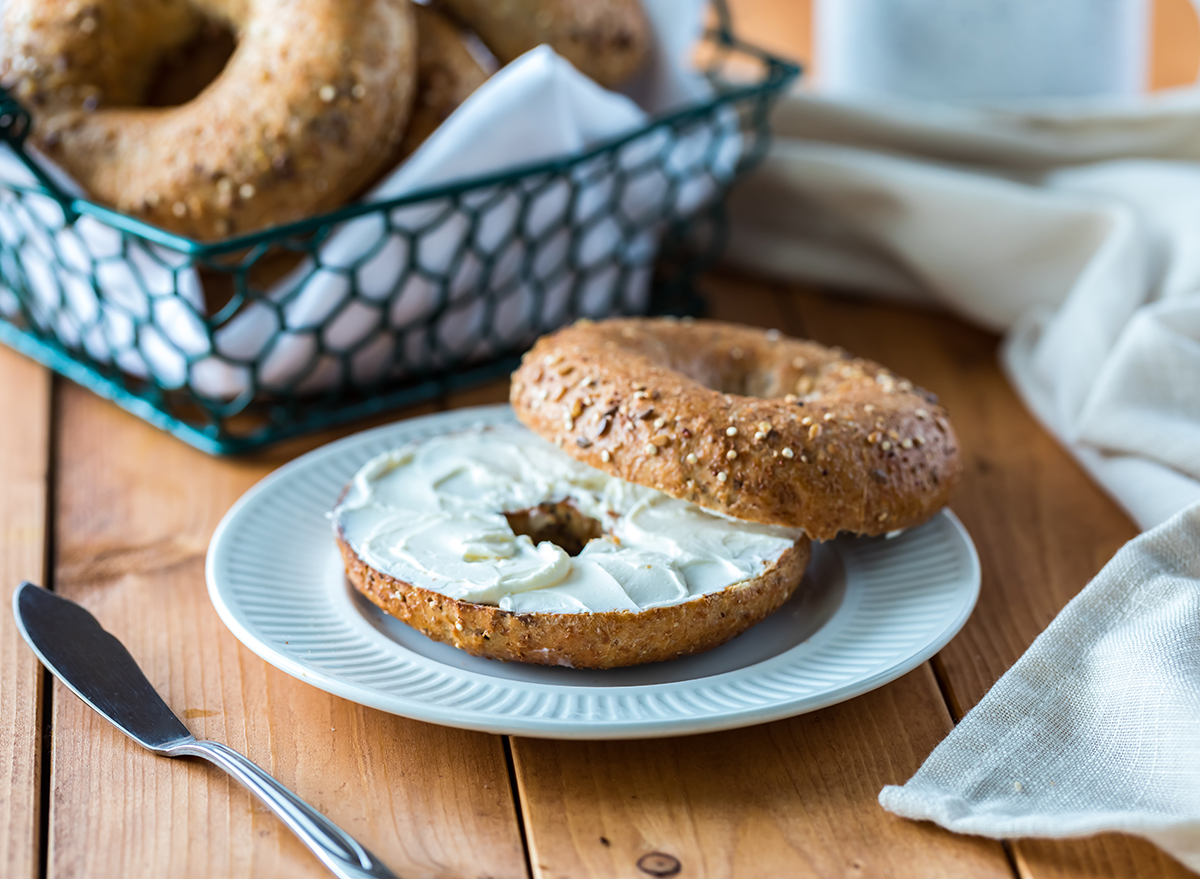
The unassuming tub or block of cream cheese holds a foundational place in diverse culinary traditions, from the quintessential American breakfast bagel to decadent cheesecakes and savory dips. Its versatility, characterized by a smooth texture and a rich, tangy flavor, makes it a pantry staple for millions. However, with an expanding market, consumers are increasingly discerning about the attributes that define a truly superior cream cheese. Factors such as a luxurious mouthfeel, effortless spreadability, and a nuanced flavor profile are paramount, influencing purchasing decisions across a spectrum of brands. An in-depth analysis of consumer sentiment reveals a dynamic landscape where established giants coexist with burgeoning organic labels, value-driven house brands, and innovative plant-based alternatives, all vying for the top spot in the hearts and kitchens of shoppers.
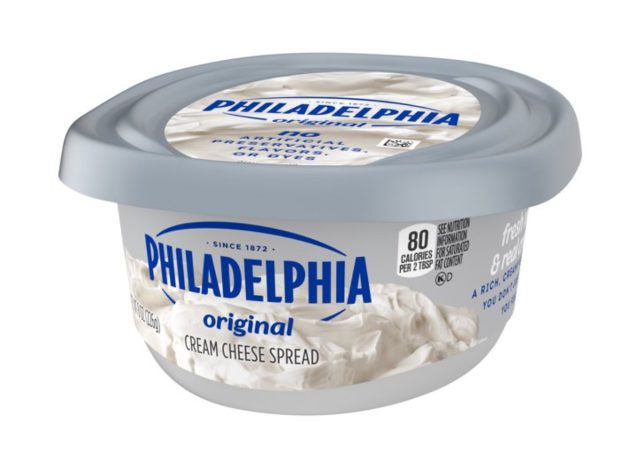
At the apex of this market, one brand consistently emerges as the benchmark against which all others are measured: Philadelphia Original Cream Cheese. Its designation as the "gold standard" is not merely anecdotal; it reflects decades of consistent quality and widespread consumer loyalty. First introduced in 1872, Philadelphia quickly established itself through a meticulous production process that yields a remarkably smooth, dense, and rich product. This consistency is critical for both its primary role as a spread and its extensive use in baking, where its high fat content contributes to the creamy, stable texture of cheesecakes and frostings. Enthusiastic consumers frequently highlight Philadelphia’s unparalleled smoothness, often citing it as the one ingredient for which they refuse to accept substitutes, even when faced with higher price points or the allure of store-brand alternatives. This unwavering dedication underscores the brand’s success in cultivating an expectation of excellence, where its distinct taste and texture are perceived as irreplaceable, making the investment worthwhile for many.
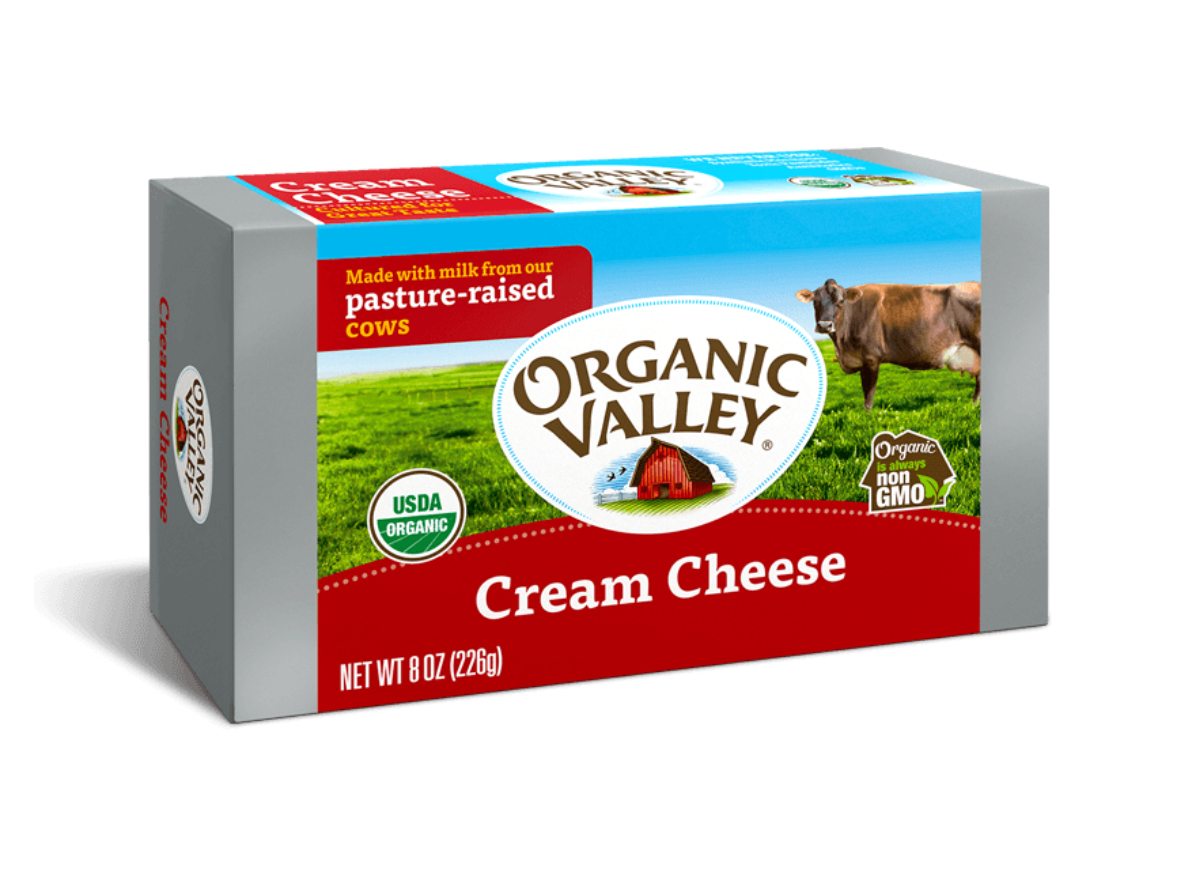
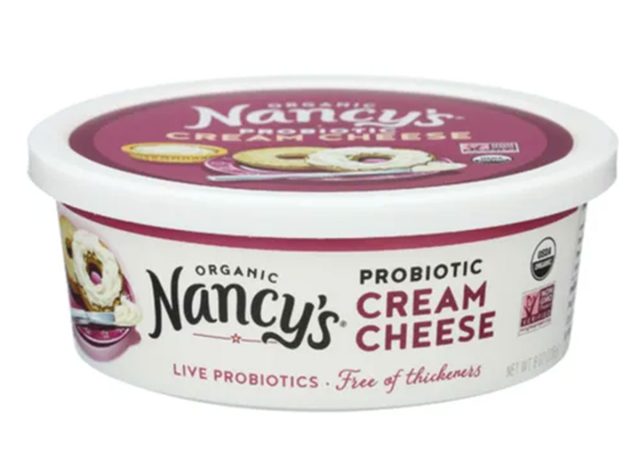
Beyond the conventional, a significant segment of the market is increasingly prioritizing health and ethical sourcing, giving rise to a demand for organic and "clean label" cream cheese options. Nancy’s Organic Cream Cheese stands out in this category, appealing to consumers seeking products with fewer artificial additives and a commitment to organic farming practices. What distinguishes Nancy’s, beyond its organic certification, is its incorporation of probiotics, a feature that aligns with growing consumer interest in gut health and functional foods. Shoppers appreciate the subtle tartness in its flavor profile, which offers a refreshing departure from the milder tastes of some conventional brands. This slight tang provides a unique character, making it an appealing choice for those who enjoy a more pronounced dairy flavor and seek to integrate perceived health benefits into their diet without compromising on taste. Similarly, Organic Valley Cream Cheese resonates deeply with the health-conscious consumer. This brand is frequently lauded for its straightforward ingredient list, devoid of gums or other common thickeners often found in competitor products. This minimalist approach to ingredients is a major draw for individuals committed to "clean eating," who value transparency and naturalness in their food choices. Reviews consistently praise its creamy texture and fresh taste, confirming that a commitment to cleaner ingredients does not necessitate a sacrifice in quality or enjoyment. For those seeking a wholesome, organic spread for toast or a reliable base for healthier recipes, Organic Valley presents a compelling and highly-regarded option.
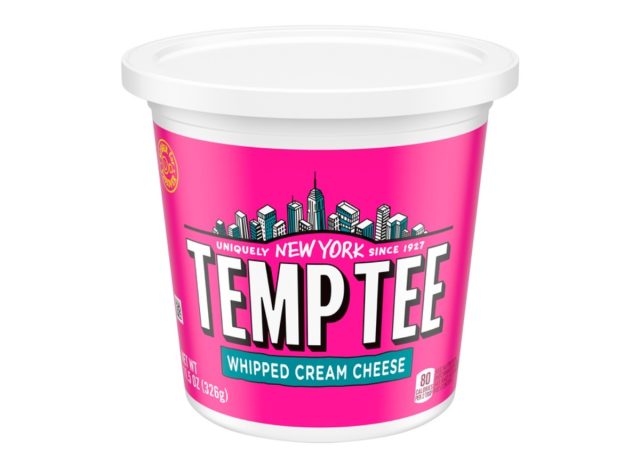
The diverse landscape of cream cheese also includes brands with strong regional ties and unique textural offerings. Temp Tee, for instance, commands a dedicated following, particularly in the Northeastern United States. Its whipped formulation is a key differentiator, providing an airy, light consistency that contrasts with the denser block varieties. This whipped texture makes it exceptionally easy to spread, a characteristic highly valued by consumers. Its prominence in certain regional markets, especially around holidays like Passover, highlights how specific cultural and geographical factors can elevate a brand to cult status. Shoppers who grew up with Temp Tee in New York, for example, often express a profound nostalgia and preference for its specific texture and flavor, indicating that for many, cream cheese choice is not just about taste, but also about comfort, tradition, and a sense of place. The brand’s presence in stores like Wegmans further solidifies its position as a cherished regional favorite.
In an era where value for money is a constant consideration, store brands have successfully carved out a significant niche by offering quality products at more accessible price points. Aldi’s Happy Farms Cream Cheese exemplifies this trend. For many consumers, especially those focused on budget-friendly grocery shopping or purchasing larger quantities for baking, Happy Farms presents a highly attractive alternative to premium brands. While Philadelphia may hold the "gold standard" title, Aldi’s offering is frequently acknowledged as "good for the price," providing a taste and texture profile that is sufficiently satisfying for everyday use. This brand demonstrates that consumers are often willing to trade a slight difference in perceived luxury for substantial savings, especially when the overall quality remains high. The success of Happy Farms underscores the broader market trend of private labels gaining consumer trust and market share by delivering consistent performance without the premium price tag of national brands.
Another player with a strong reputation in the broader dairy sector is Tillamook Cream Cheese. Hailing from a cooperative with a long history of producing high-quality dairy products, Tillamook brings its legacy of excellence to the cream cheese category. Consumers often associate the Tillamook name with natural ingredients and superior taste in other dairy offerings, such as their cheeses and ice creams. This pre-existing trust translates directly to their cream cheese, which is frequently lauded for its rich, creamy taste and "perfect consistency." Reviewers describe it as having a distinct flavor that sets it apart from competitors, combined with an ideal spreadability—easy enough to apply without being overly soft. The brand’s commitment to quality ingredients and traditional dairy practices is perceived to contribute to a superior product that stands "head and shoulders above the competition," making it a strong contender for those seeking a premium, natural cream cheese experience.
Finally, the culinary landscape has seen a remarkable evolution in recent years with the rapid expansion of plant-based alternatives, catering to vegans, individuals with dairy allergies, and those seeking to reduce their consumption of animal products. Violife Just Like Cream Cheese has emerged as a frontrunner in this innovative category, garnering significant praise for its ability to closely replicate the taste and texture of traditional dairy cream cheese. Formulated primarily from coconut oil and starches, Violife has meticulously engineered a product that delivers the creamy mouthfeel and mild tang expected from its dairy counterpart. This authenticity is crucial for its target audience, who are often searching for alternatives that do not compromise on the sensory experience. Consumers frequently express astonishment at how indistinguishable it is from real cream cheese, noting its versatility in applications ranging from bagels to cheesecakes. Its success highlights the advancements in food science that are enabling increasingly sophisticated and satisfying plant-based options, allowing a wider demographic to enjoy classic dishes without dietary limitations.
In conclusion, the market for cream cheese is a vibrant ecosystem shaped by a complex interplay of factors, including brand legacy, ingredient preferences, regional loyalties, economic considerations, and evolving dietary needs. While Philadelphia continues to hold its ground as the undisputed classic, brands like Nancy’s Organic and Organic Valley are carving out significant niches among health-conscious consumers. Regional favorites like Temp Tee demonstrate the power of local tradition and unique textures, while Aldi’s Happy Farms proves that value and quality can go hand-in-hand. Tillamook capitalizes on a strong dairy heritage, and Violife represents the cutting edge of plant-based innovation, making cream cheese accessible to an even broader audience. Ultimately, the "best" cream cheese is a subjective choice, influenced by individual taste, intended use, and personal values. This rich diversity ensures that whether one seeks a familiar comfort, a health-conscious option, a regional specialty, a budget-friendly staple, or a plant-based marvel, there is a cream cheese perfectly suited to every palate and purpose.
About the Author