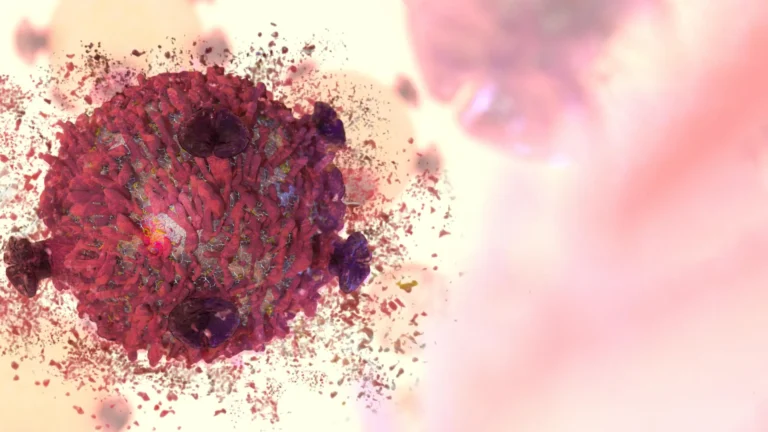
A rigorous scientific investigation into a widely promoted health supplement, colloquially known as Miracle Mineral Solution (MMS), has illuminated a critical duality: its potent ability to eradicate bacteria is inextricably linked to its damaging effects on human cells, casting serious doubt on its safety and efficacy as a purported panacea for a range of ailments including cancer, autism, and viral infections like COVID-19. At its core, MMS is a marketing designation for sodium chlorite (NaClO₂), a chemical compound primarily utilized as a powerful disinfectant in industrial applications such as water purification. The inherent danger arises when sodium chlorite is combined with an acidic agent, a process that generates chlorine dioxide (ClO₂), a volatile gas that poses significant health risks if ingested.
Researchers at Wroclaw Medical University undertook a comprehensive study to meticulously assess the behavior of acidified sodium chlorite (ASC) under controlled laboratory conditions, with their findings subsequently published in the esteemed journal, Scientific Reports. The investigative team evaluated two distinct formulations of ASC, designated ASC1 and ASC2, which differed in their acidification agents; ASC1 was treated with hydrochloric acid, while ASC2 utilized gluconic acid. These preparations were then subjected to rigorous testing against a spectrum of microorganisms, encompassing both pathogenic bacterial strains such as Staphylococcus aureus and Escherichia coli, known for causing significant infections, and crucial beneficial probiotic bacteria, exemplified by Lactobacillus rhamnosus, which play a vital role in maintaining gut health.
The study unequivocally confirmed that chlorine dioxide possesses potent bactericidal properties, effectively annihilating bacterial populations. However, this antimicrobial efficacy was observed exclusively at concentrations that simultaneously induced demonstrable harm to human cellular structures. Specifically, at a concentration of 30 parts per million (0.003%), while bacteria were eliminated, the accompanying cellular damage to skin tissues was significant, and a high mortality rate was observed in in vivo models. The research also delved into the impact of ASC on bacterial biofilms – complex, resilient layers of microorganisms that confer enhanced resistance to antimicrobial agents, thereby complicating the treatment of persistent infections. Although ASC demonstrated an ability to disrupt these protective biofilms, its action was accompanied by collateral damage to the surrounding healthy tissue.
Dr. Ruth Dudek-Wicher, affiliated with the Department of Pharmaceutical Microbiology and Parasitology at the Faculty of Pharmacy, Wroclaw Medical University, elaborated on these findings, stating, "The results of the study indicate that effective concentrations of ASC against biofilms are also toxic to eukaryotic cells, but it cannot be ruled out that a formulation for external use will be developed that ensures the safety of use with high anti-biofilm efficacy." This observation suggests a potential for localized, topical applications under strict medical supervision, but underscores the profound risks associated with internal administration.
A critical distinction was further highlighted by Dr. Dudek-Wicher regarding the disparity between professionally manufactured, highly purified chlorine dioxide solutions, which find limited application in certain dental procedures, and the often crudely prepared mixtures advocated by proponents of MMS. The research extended to examining the effects of ASC on probiotic bacteria, revealing that the biofilm produced by Lactobacillus species exhibited extreme sensitivity to the substance. This finding raises significant concerns about the potential disruption of the delicate and essential intestinal microflora, a complex ecosystem vital for digestion, nutrient absorption, and immune function. Dr. Dudek-Wicher added, "At the moment, we are not planning such studies, but we do not rule them out in the future. If a safe oral form of ASC is developed, an analysis of its impact on the microbiome will be necessary." This statement indicates a potential future research direction should safer formulations emerge, acknowledging the paramount importance of the gut microbiome.
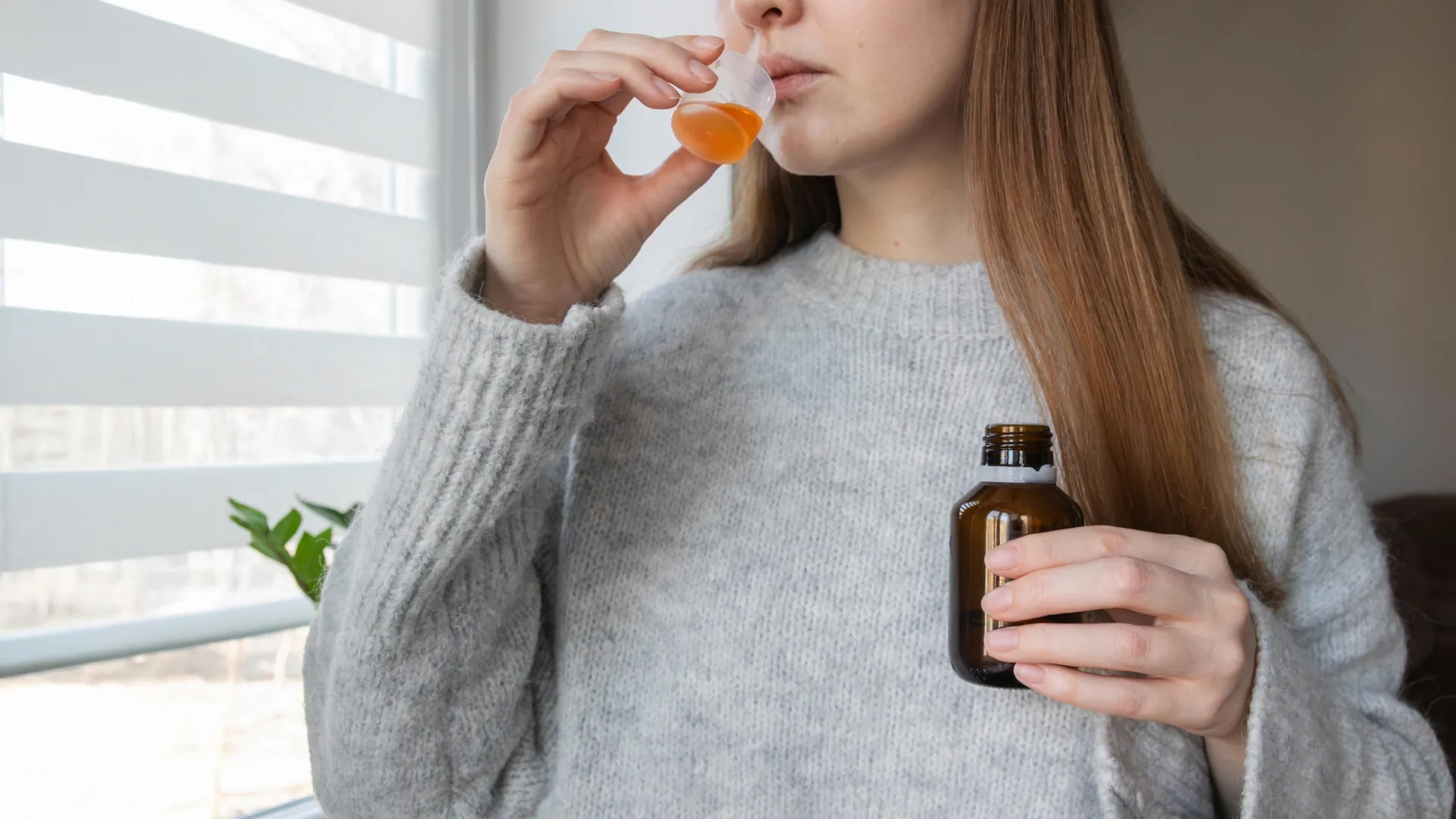
The scientific endeavor extended beyond purely laboratory observations, with the researchers explicitly aiming to counteract the pervasive spread of misinformation surrounding MMS. Dr. Dudek-Wicher emphatically stated, "The most harmful mistake is to believe in the effectiveness of MMS without hard scientific evidence." She further elaborated on the fundamental principles of medical and pharmaceutical evaluation, emphasizing the crucial consideration of the benefit-risk ratio. "In the case of MMS, the benefit is zero, and the risk is high, especially since the dosage is often administered using non-standardized droppers, which can achieve 1 ml by applying 15 or 30 drops. Such fluctuations in the oral dosage of a corrosive substance are extremely irresponsible," she cautioned, pointing to the inherent dangers of imprecise and potentially corrosive ingestion.
The promotion of MMS for vulnerable populations, including children and pregnant women, is a particularly alarming aspect of its dissemination. Dr. Dudek-Wicher expressed profound concern regarding recommendations that link MMS to weight loss, noting, "I was particularly shocked by the recommendations for combating obesity, which did not mention the effect of MMS on adipose tissue but only affirmed self-acceptance combined with stigmatization of obesity." This observation points to a manipulative marketing strategy that leverages emotional appeals and societal pressures rather than evidence-based health claims, underscoring the danger that lies not solely within the chemical substance itself but also in its deceptive promotion.
Addressing the persistent challenge of health-related misinformation effectively necessitates a multifaceted approach, according to Dr. Dudek-Wicher, who advocates for interdisciplinary collaboration and a greater emphasis on empathy in communication. "Yes, but it requires an integrated, interdisciplinary approach and empathy. Currently, the fight against myths is too often marked by a lack of respect and compassion. People turn to MMS because they are concerned about their health — and education must take this into account, with communication based on respect," she articulated. This perspective highlights the need for compassionate engagement with individuals seeking alternative health solutions, acknowledging their underlying anxieties and fears.
Furthermore, Dr. Dudek-Wicher underscored the critical role of research funding in challenging unsubstantiated health claims. She asserted that the scientific community bears a profound responsibility to safeguard the public from the pervasive influence of misinformation, and therefore welcomed the recognition afforded to her university’s grant concerning MMS and the subsequent publication of their findings in Scientific Reports.
The research conducted by the Faculty of Pharmacy has garnered significant public attention, including widespread media coverage, such as an article and video disseminated by the Polish Press Agency. This robust interest, according to the research team, reflects a discernible public demand for clear, scientifically validated information regarding health and wellness products. "At the Faculty of Pharmacy, we are not afraid of difficult topics. The safety of patients who have lost their way in search of treatment is of utmost importance to us. And the interest in the results encourages us to continue our work. We are planning a series of analyses and publications on other miracle preparations — DMSO, adaptogens, ‘detoxification’ protocols — all in the spirit of scientific myth-busting," concluded the authors, Dr. Dudek-Wicher and Professor Adam Junka, both from the Department of Pharmaceutical Microbiology and Parasitology at Wroclaw Medical University, signaling a commitment to ongoing scientific inquiry aimed at debunking pseudoscientific health claims.
About the Author