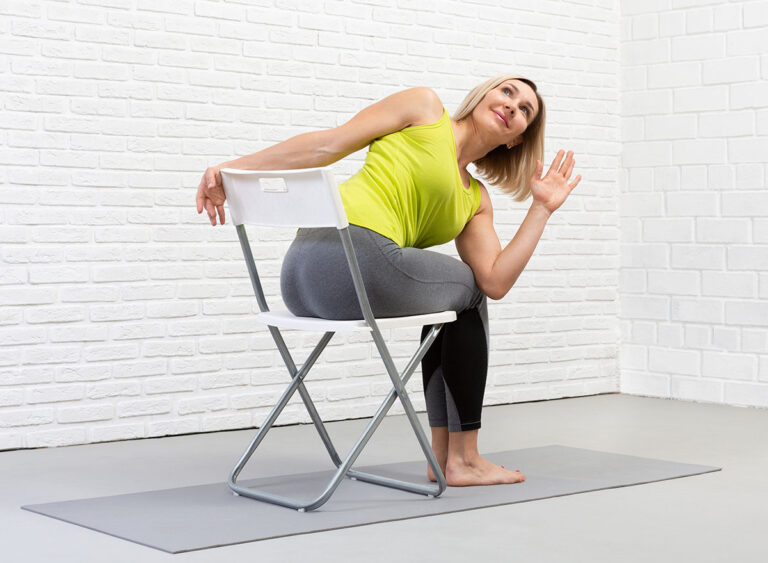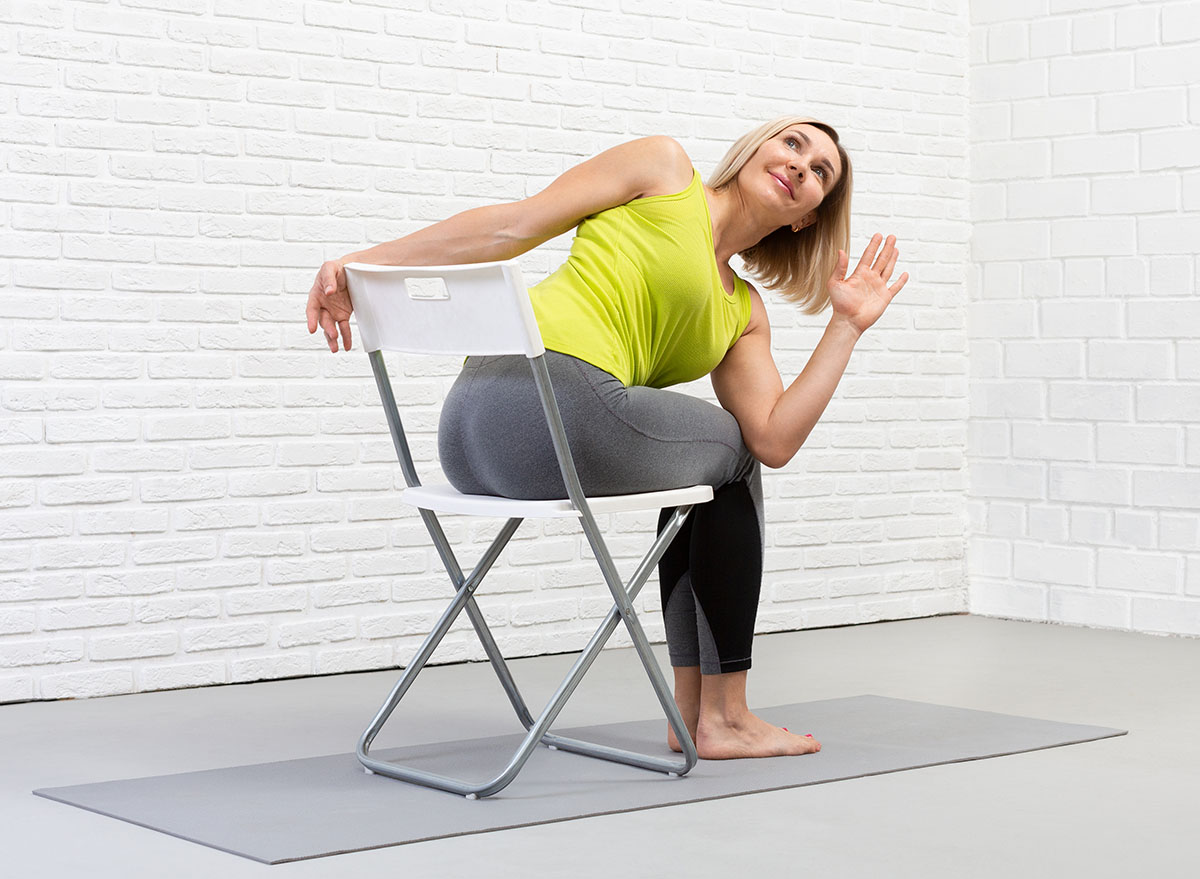
As individuals progress into their senior years, maintaining robust physical health becomes increasingly vital for preserving independence, mitigating injury risks, and sustaining a high quality of life. Among the many pillars of physical fitness, core strength holds a paramount position, acting as the central nexus for stability, balance, and efficient movement. However, conventional floor-based abdominal exercises, often staples of younger adult routines, can present significant challenges for those over the age of sixty. Issues such as discomfort in the lower back, strain on wrists and shoulders, and difficulties with getting down to and up from the floor frequently deter older adults from engaging in crucial core conditioning. This often leads to a decline in abdominal muscle engagement, exacerbating existing postural issues and increasing susceptibility to falls. Fortunately, an accessible and highly effective alternative exists: incorporating targeted core strengthening movements performed from a seated position. These chair-based exercises offer a supportive, low-impact pathway to rebuilding and maintaining essential trunk stability, often yielding more sustainable and comfortable results for this demographic.
The physiological shifts that accompany aging contribute significantly to the difficulties encountered with traditional core workouts. A natural decrease in muscle mass (sarcopenia), changes in joint cartilage, and reduced bone density can make movements requiring direct pressure on the spine, wrists, or hips uncomfortable or even hazardous. Exercises like standard crunches, leg raises performed while lying flat, or planks that demand substantial wrist and shoulder stability, frequently exacerbate pre-existing conditions or introduce new discomforts. This physical impedance can inadvertently lead to a sedentary lifestyle, creating a detrimental cycle where reduced activity further diminishes core strength and overall physical capacity. Consequently, many older individuals find themselves at a crossroads: recognizing the importance of core work but struggling to find a suitable, pain-free method of engagement.
Modern scientific inquiry increasingly supports a nuanced approach to core conditioning, particularly for older populations. Research indicates that the deep intrinsic muscles responsible for stabilizing the spine and pelvis respond optimally to controlled, gentle, and consistent activation rather than high-intensity, explosive efforts. A comprehensive meta-analysis, examining fitness interventions for older adults, highlighted that regularly engaging the core through low-intensity, repetitive movements can significantly contribute to improved spinal stability, alleviate chronic back discomfort, and enhance overall balance. This evidence underscores the principle that effective core development in later life prioritizes precision and consistency over sheer force, aiming to foster muscular endurance and coordination.
Given the vast amount of fitness information available, discerning which exercises are most beneficial and safe for seniors can be daunting. To navigate this landscape, insights from certified fitness professionals are invaluable. James Bickerstaff, a Certified Personal Trainer at OriGym, advocates for the profound benefits of seated core movements. "Activating the abdominal musculature while maintaining an upright, supported posture significantly reduces undue stress on the lower back and delicate wrist joints," Bickerstaff explains. "This method allows individuals to concentrate on strengthening the key muscles that underpin good posture, equilibrium, and the functional movements essential for daily living, all within a secure framework." The intrinsic design of chair exercises means they require minimal preparation—just a stable seat—are inherently gentler on the joints, and can be integrated into a daily routine without leading to physical exhaustion or mental burnout. Since the objective for individuals over sixty often revolves around enhancing muscular endurance and neuromuscular coordination, these deliberate, controlled movements are frequently more effective in restoring fundamental stability than more strenuous, high-impact floor-based alternatives.
Let us delve into a selection of highly recommended chair-based exercises, specifically curated to rebuild core strength safely and effectively in individuals over sixty.
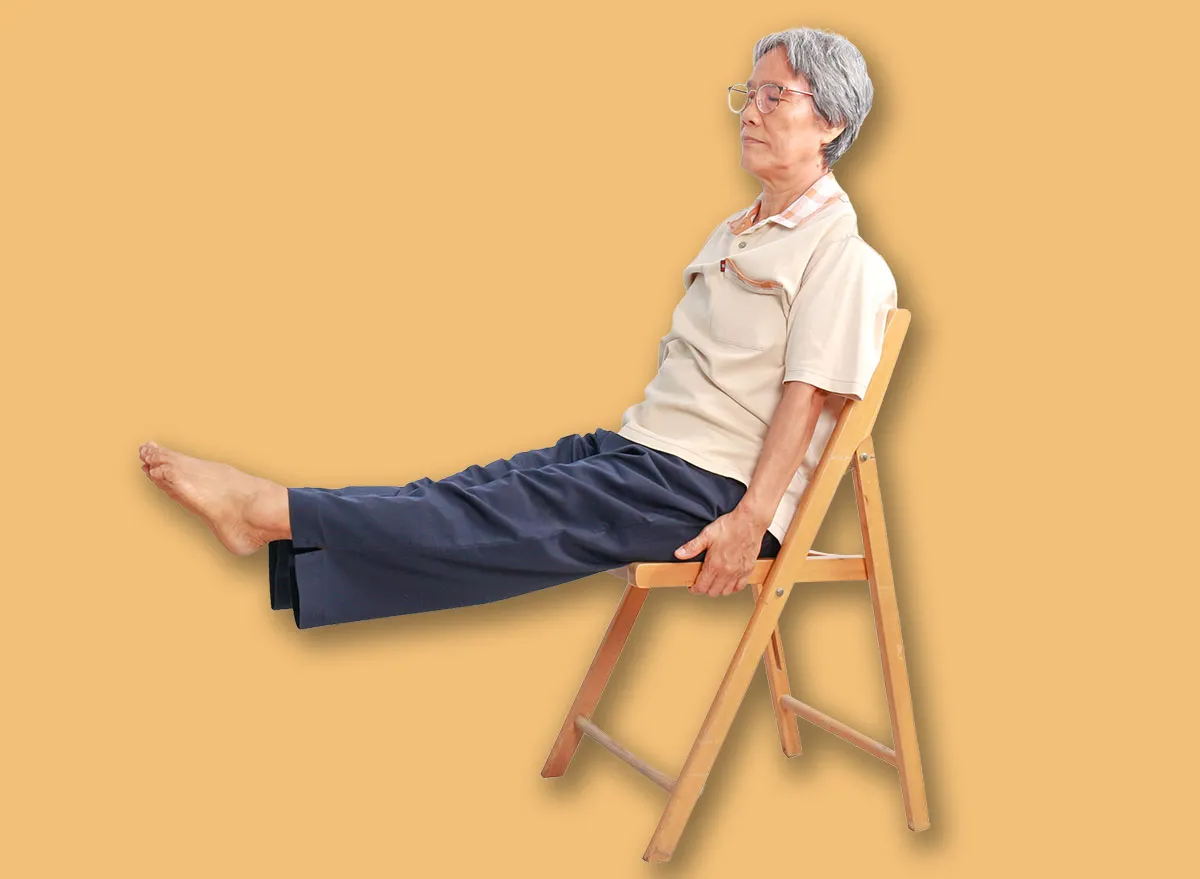
1. Seated Knee Lifts
This exercise primarily targets the lower abdominal muscles and hip flexors, simultaneously contributing to improved postural alignment. By performing it from a seated position, the lower back experiences significantly less strain compared to traditional floor-based leg raises, making it an excellent option for those with spinal sensitivities.
- Execution: Begin by sitting tall on the edge of a sturdy chair, feet flat on the floor, hip-width apart. Ensure your back is straight but not rigid, and your core is gently engaged. Place your hands lightly on the sides of the chair for support if needed. Slowly lift one knee towards your chest, engaging your lower abdominal muscles. Hold briefly at the peak of the movement, focusing on the contraction. Gradually lower the foot back to the starting position with control. Alternate legs, performing the movement smoothly and deliberately. Aim for 10-15 repetitions per leg, focusing on slow, controlled execution.
2. Seated March
The seated march is a foundational movement designed to re-engage the deep stabilizing muscles of the core, particularly the transverse abdominis. This muscle plays a crucial role in providing internal support to the spine, thereby helping to alleviate and prevent back discomfort. It also enhances coordination and balance.
- Execution: Sit upright with your spine elongated, feet flat on the floor directly beneath your knees. Gently engage your core by drawing your naval towards your spine. With a controlled motion, lift one knee slightly off the floor, as if you are marching in place, but without lifting the foot too high. Focus on maintaining a stable torso and avoiding any rocking motion. Slowly lower the foot back down and immediately repeat with the other leg. The movement should be fluid and consistent, mimicking a slow-motion march. Perform 15-20 alternating repetitions, concentrating on core activation rather than leg height.
3. Seated Torso Rotations
Rotational control is an often-overlooked yet critical component of comprehensive core strength. Seated torso rotations specifically strengthen the oblique muscles (the side abdominals) and foster improved spinal mobility, all without imposing the twisting strain associated with many floor-based rotational exercises. This exercise is vital for daily activities that involve turning and reaching.
- Execution: Sit tall on your chair, feet firmly planted on the floor. Place your hands lightly behind your head or cross them over your chest. Keeping your hips stable and facing forward, gently rotate your upper body to one side, leading with your rib cage. Imagine twisting from your waistline, not just your shoulders. Hold the rotation for a moment, feeling the stretch and engagement in your obliques. Slowly return to the center and then rotate to the opposite side. Ensure the movement is controlled and pain-free, avoiding jerky motions. Complete 8-12 rotations to each side.
4. Seated Lean Back Hold
The seated lean back hold is an excellent exercise for building core endurance and training the entire abdominal wall to stabilize the spine without subjecting it to excessive compression. This isometric hold also effectively strengthens the entire anterior (front) aspect of the torso, significantly contributing to improved posture.
- Execution: Position yourself slightly forward on your chair, ensuring your feet remain flat on the floor. Lean back gently, maintaining a straight back and engaged core. You should feel your abdominal muscles working to prevent you from falling backward. Extend your arms forward for balance or cross them over your chest. Hold this leaned-back position for 15-30 seconds, breathing steadily and deeply. The intensity can be adjusted by how far you lean back. Slowly return to an upright seated position. Rest for a moment and repeat for 2-3 sets.
The efficacy of chair-based core exercises in restoring strength more effectively for older adults stems from several key factors. Unlike many floor exercises that can prematurely strain joints or superficial muscles before the deep core stabilizers are adequately activated, seated movements allow for a focused, precise engagement of the abdominal region. This environment fosters a superior mind-to-muscle connection, which is crucial for re-establishing optimal neuromuscular control and function in the core after 60. By minimizing external distractions and discomfort, individuals can better concentrate on activating the correct muscle groups, promoting a more efficient and targeted strengthening process.
Furthermore, a significant benefit of these supported core movements is their direct contribution to enhanced posture. When posture improves, the abdominal muscles naturally engage more effectively to support the spinal column, creating a positive feedback loop that progressively strengthens the core and simultaneously reduces back discomfort. The consistent, gentle activation provided by seated exercises prioritizes quality of movement and sustained effort over brute force, leading to more profound and lasting improvements in stability, balance, and overall functional capacity. This approach cultivates a resilient core that supports daily activities, reduces the risk of falls, and empowers older adults to maintain an active, independent lifestyle with greater confidence and comfort. Integrating these accessible exercises into a regular routine can be a transformative step towards holistic well-being in later life.
About the Author