The global burden of alcohol consumption, linked to an extensive array of chronic diseases and profound societal costs, continues to pose a significant public health challenge. Against this backdrop, a burgeoning body of research is exploring novel approaches to reduce alcohol-related harms, with particular attention now turning to cannabis-infused beverages. A recent investigation led by public health scientists at the University at Buffalo provides compelling preliminary evidence suggesting that individuals who integrate cannabis drinks into their routines may substantially decrease their intake of alcoholic beverages, potentially offering a new pathway for harm reduction.
Alcohol’s pervasive influence on health is well-documented. It has been definitively associated with at least seven distinct categories of cancer and nearly 200 different medical conditions and diseases, ranging from liver cirrhosis to cardiovascular issues and neurological disorders. The cumulative effect of these health consequences underscores the urgent need for effective interventions aimed at curtailing excessive consumption. In contrast, while cannabis use is not without its own set of considerations, its overall risk profile, particularly when compared with heavy alcohol consumption, is generally considered to be lower. This relative difference in risk has prompted an examination of cannabis as a potential substitute in contexts where individuals seek to reduce their exposure to more harmful substances.
Central to this evolving perspective is the concept of harm reduction, a public health framework designed to minimize the negative consequences associated with substance use rather than solely advocating for complete abstinence. This pragmatic approach acknowledges that many adults will continue to engage with legal substances like alcohol, tobacco, or cannabis, and therefore, strategies should focus on mitigating risks. Historically, harm reduction principles have been applied to various substances, including opioids, where interventions like needle exchange programs aim to prevent disease transmission. However, its application to widely legal and culturally entrenched substances such as alcohol represents a more nascent but critical area of inquiry. Dr. Jessica Kruger, a clinical associate professor of community health and health behavior at UB’s School of Public Health and Health Professions and a lead author of the study, emphasized the pioneering nature of this work, stating that it introduces the notion of leveraging cannabis as a harm reduction tool specifically for alcohol, a concept less frequently discussed compared to its role in addressing illicit drug use. She also noted that widespread acceptance of this strategy, particularly concerning cannabis beverages, is likely to be a gradual process given its novelty as a consumption method.
The market for cannabis beverages is experiencing robust growth, signaling a significant shift in consumer preferences and product availability. Industry analytics firm Euromonitor projects that worldwide sales of these infused drinks could exceed $4 billion by 2028, reflecting a strong upward trajectory. This expansion coincides with a broader societal trend where a growing segment of the population in countries like the United States is actively seeking to moderate or eliminate alcohol from their lives, extending beyond temporary periods such as "Dry January." The confluence of increasing product accessibility, evolving legal frameworks for cannabis, and a heightened public awareness of alcohol’s health risks creates a fertile ground for the exploration of alternatives.
The research, published in the Journal of Psychoactive Drugs, represents a foundational step in understanding the specific role of cannabis beverages in alcohol harm reduction. The study involved surveying 438 adults who reported using cannabis within the past year. Among these participants, approximately 56% also consumed alcoholic beverages. A notable one-third of the respondents indicated that they used cannabis beverages, typically consuming one drink per occasion. A key finding emerged when comparing substitution patterns: participants who consumed cannabis beverages were significantly more inclined to report replacing alcohol with cannabis (58.6%) than those who used other forms of cannabis products (47.2%). This suggests a unique efficacy tied to the beverage format itself.
Further analysis of consumption patterns revealed a dramatic shift in alcohol intake among those who adopted cannabis drinks. On average, individuals reported consuming 7.02 alcoholic beverages per week prior to incorporating cannabis beverages into their routines. Following the introduction of these infused drinks, their weekly alcohol consumption plummeted to an average of 3.35 drinks, representing a reduction of nearly half. Beyond mere quantity, participants also reported a decrease in episodes of binge drinking, a particularly hazardous pattern of alcohol consumption. The aggregate data indicated that nearly two-thirds of respondents (62.6%) either reduced (61.5%) or completely ceased (1.1%) their alcohol intake after beginning to use cannabis beverages, while only a small minority (3.3%) reported an increase in alcohol consumption. The survey also explored the cannabinoid content of the drinks, finding that a substantial majority (89.5%) of respondents consumed beverages containing 10 milligrams of cannabidiol (CBD) or less, with a smaller proportion (10.4%) consuming higher CBD content, and nearly half (48%) being unaware of the CBD levels in their chosen products.
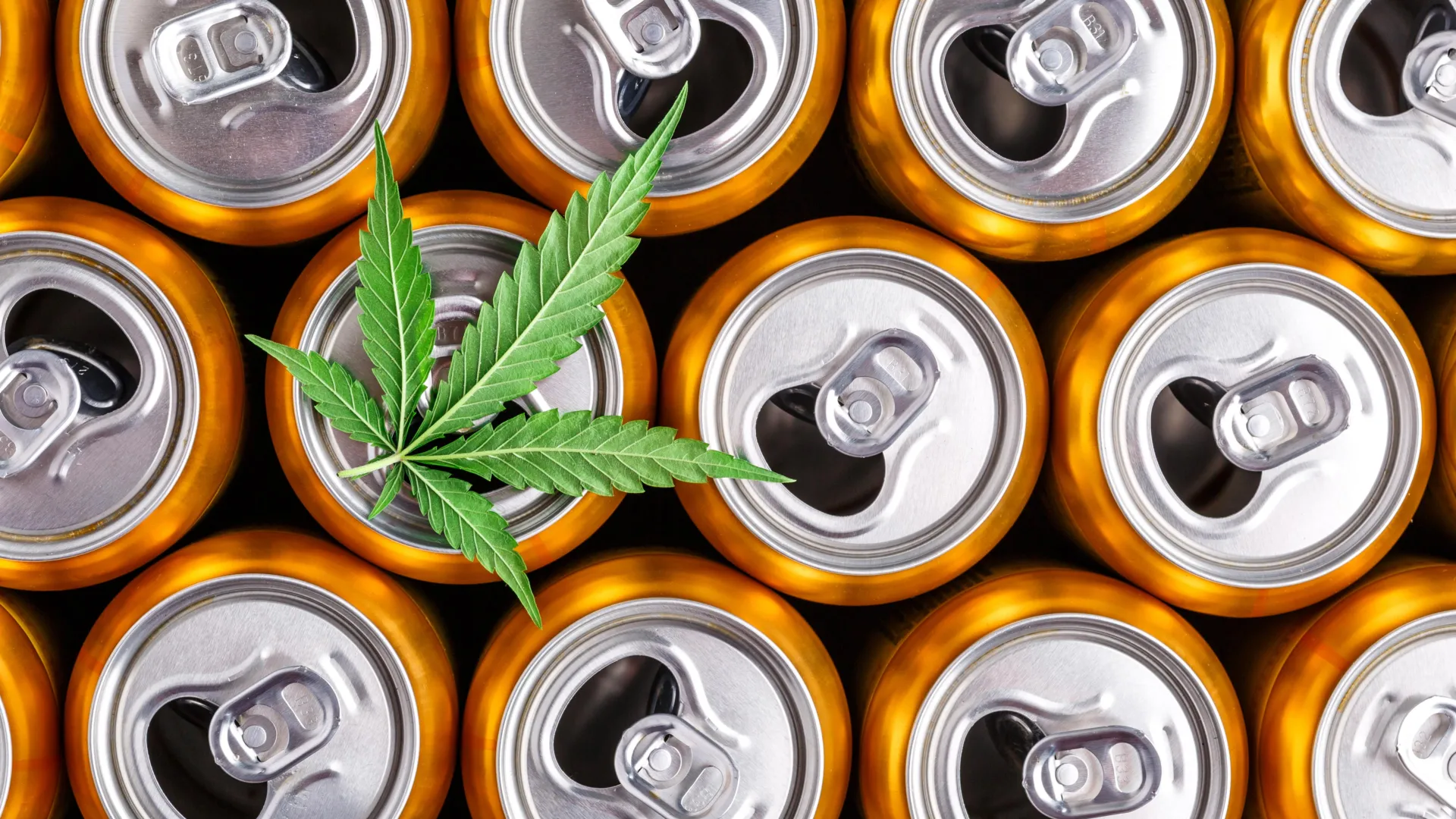
The study’s authors propose several compelling reasons for the observed effectiveness of cannabis beverages as an alcohol substitute. Dr. Daniel Kruger, a co-author and research associate professor in UB’s School of Public Health and Health Professions, highlighted that while previous studies, including their own, have shown a general trend of reduced alcohol consumption among cannabis users, the effect appears to be amplified for those who specifically use cannabis beverages. He posited that this enhanced substitution might be attributable to the inherent similarities in the method of administration and the social context of use. Unlike other forms of cannabis consumption, such as smoking or edibles, cannabis beverages often come in packaging that mimics traditional alcoholic drinks like beer or hard seltzer cans. This visual and tactile familiarity allows them to seamlessly integrate into social gatherings, parties, or bar environments where individuals typically hold a drink. The act of holding and sipping a beverage can fulfill a social ritual, providing an alternative that feels less disruptive to established social norms than other cannabis delivery methods.
The increasing legalization of cannabis for adult recreational use across various states has played a crucial role in making these products more widely available. For instance, in New York State, the first legally sold cannabis beverage entered the market in January 2023, shortly after the commencement of licensed cannabis sales. This expansion of legal access facilitates consumer choice and ensures product quality and safety, as evidenced by the finding that nearly 82% of survey participants who consumed cannabis beverages reported purchasing their products from licensed medical or adult-use dispensaries. This indicates a preference for regulated markets, which can instill greater consumer confidence.
While these findings offer an optimistic outlook for public health, the researchers emphasize that this is an initial exploration. They plan to conduct further investigations to monitor how cannabis beverage consumption impacts drinking behaviors over extended periods and to compare the efficacy of different cannabis consumption methods in reducing alcohol intake. The study’s contributing authors also include Dr. Nicholas Felicione, an assistant professor of community health and health behavior at UB, and the research team acknowledged the support of their community partners, Premier Earth and Star Buds, both licensed cannabis dispensaries in the Buffalo area, for their assistance in distributing the survey. This pioneering research suggests a promising avenue for public health interventions, positioning cannabis-infused beverages as a tangible and socially integrated option for individuals seeking to reduce their alcohol consumption and mitigate associated health risks, thereby contributing to a broader paradigm of harm reduction. However, further robust, long-term studies are essential to fully understand the implications and to guide public health policy and recommendations in this evolving landscape.
About the Author