Pioneering preclinical investigations conducted at the Texas Biomedical Research Institute are illuminating a potential paradigm shift in the long-term management of Human Immunodeficiency Virus (HIV), suggesting that exceptionally low, non-intoxicating doses of tetrahydrocannabinol (THC), the principal psychoactive constituent of cannabis, could significantly ameliorate detrimental side effects associated with both the virus and its standard antiretroviral therapy (ART). This groundbreaking research, recently detailed in the esteemed scientific journal Science Advances, moves beyond the commonly understood effects of THC, exploring its therapeutic utility in a clinical context where the focus is on physiological benefits rather than psychoactive experiences.
The scientific inquiry centered on precisely controlled, minute quantities of THC, administered in amounts so small they produced no discernible alterations in the central nervous system, such as euphoria or a sense of being "high." This deliberate approach underscores a critical distinction: the study’s objective was to harness potential therapeutic properties without inducing the subjective effects typically associated with cannabis consumption. Researchers meticulously documented a constellation of positive physiological responses, including notable increases in circulating serotonin, a vital neurotransmitter influencing mood, sleep, and digestion, alongside marked reductions in systemic inflammation, aberrant cholesterol levels, and the accumulation of toxic secondary bile acids. Perhaps one of the most compelling revelations was the observation of diminished concentrations of ART medications within the bloodstream, a phenomenon occurring even while the efficacy of the treatment in suppressing viral replication remained robust. Given that prolonged exposure to ART drugs can impose a considerable burden on liver function, this finding carries profound implications for enhancing patient safety and long-term well-being. The experimental design employed animal models that closely mirror the physiological conditions of individuals living with HIV who are undergoing ART, lending substantial weight to the potential translatability of these findings to human subjects.
The imperative to effectively manage the multifaceted side effects of HIV treatment cannot be overstated, especially as advancements in modern ART have transformed HIV from a terminal illness into a chronic, manageable condition. For individuals living with HIV who are now experiencing extended lifespans, the persistent health challenges stemming from both the virus itself and the long-term use of potent medications have become a significant clinical concern. Chronic inflammation, a hallmark of HIV infection, is increasingly recognized as a significant contributor to a spectrum of comorbidities, including cardiovascular disease, liver disorders, and various neurological conditions. Professor Mahesh Mohan, the lead investigator from the Texas Biomedical Research Institute, articulated the driving force behind their research: "Our laboratory is dedicated to discovering innovative solutions that can help address these persistent health issues." This current investigation represents an expansion of prior work by Dr. Mohan’s team, which had already begun to explore the latent medicinal capabilities of low-dose THC. This prior research drew parallels with existing FDA-approved THC-based pharmaceuticals already in clinical use for conditions such as seizure disorders, nausea and vomiting induced by chemotherapy, and the cachexia (wasting) associated with AIDS.
A rigorous, multi-year examination involving hundreds of metabolites—essential small molecules involved in biological processes—was undertaken by Lakmini Premadasa, Ph.D., a Staff Scientist in Dr. Mohan’s laboratory. Her comprehensive analysis aimed to ascertain whether the daily administration of low-dose THC, concurrent with ART, exerted any adverse effects on other bodily systems. Dr. Premadasa’s findings were uniformly positive, with no detrimental impacts detected. She stated, "There were no downsides. I persisted in my search, finding it difficult to believe that the outcomes could be entirely beneficial, yet I genuinely could not identify any negative consequences." This extensive screening process across numerous physiological markers provided strong evidence for the safety profile of sub-perceptual THC doses in this context.
The study’s experimental setup involved two cohorts of rhesus macaques infected with the simian immunodeficiency virus (SIV), the non-human primate analogue of HIV. Both groups were administered ART for a period of five months. Crucially, one group also received low-dose THC, while the other group served as a control, receiving a placebo. By the conclusion of the experimental period, viral loads, measured as SIV levels, were successfully suppressed to undetectable thresholds in both groups, demonstrating the continued effectiveness of ART. However, the similarities diverged significantly thereafter. The macaques that received THC exhibited markedly lower concentrations of ART drugs circulating in their blood compared to their counterparts who received ART exclusively. This finding was unanticipated, according to Dr. Premadasa, who elaborated, "This suggests that THC is assisting in the more rapid metabolism of the antiretroviral drugs, which is actually far more beneficial for protecting the liver from the toxicity often associated with some currently prescribed ART medications." This accelerated drug metabolism, facilitated by THC, could potentially reduce the cumulative toxic load on the liver, a critical organ that bears the brunt of long-term ART use.
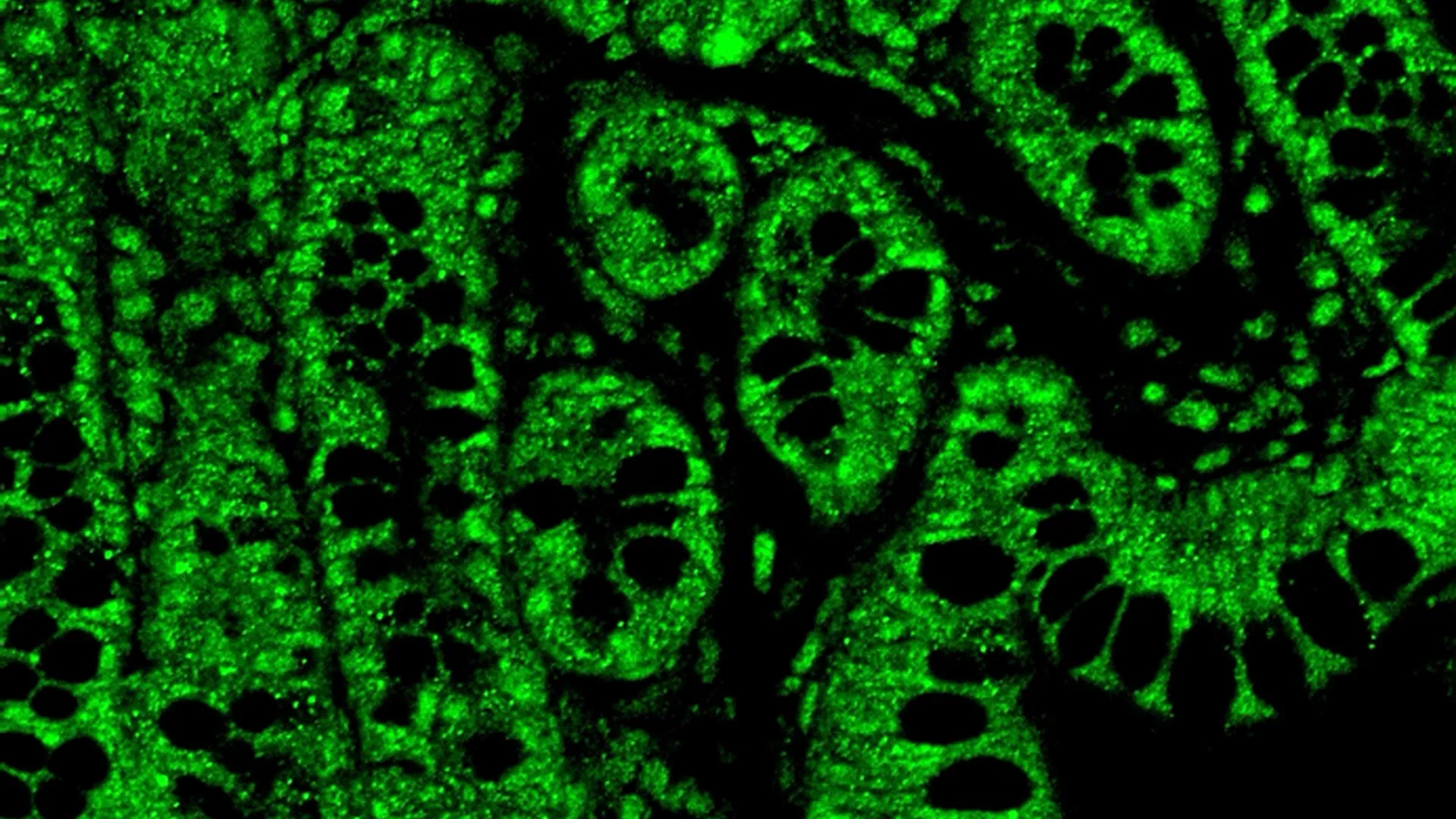
A particularly noteworthy discovery pertained to serotonin, a key neurotransmitter integral to the regulation of mood, sleep patterns, and digestive functions. The THC-treated group displayed substantially elevated levels of serotonin when contrasted with the control group. These alterations were observed across multiple stages of serotonin synthesis, a process predominantly occurring within the gastrointestinal tract. Dr. Premadasa identified an increased abundance of enterochromaffin cells, the primary producers of serotonin, and a higher prevalence of beneficial gut bacteria, specifically Lactobacillus plantarum, known to support serotonin production. Furthermore, she noted enhanced expression of serotonin receptors, which are crucial for transmitting signals from the gut to the brain via the vagus nerve, thereby reinforcing communication along the gut-brain axis. Dr. Mohan highlighted the broader implications of this finding: "This is an exciting discovery that warrants further investigation to address a range of conditions linked to low serotonin levels, including depression, memory impairment, cognitive fog, and potentially even long-COVID symptoms." The disruption of gut-brain signaling due to diminished serotonin levels is well-documented, suggesting that augmenting these levels and improving neural communication through low-dose cannabinoids could present a novel or complementary therapeutic strategy.
Beyond its impact on serotonin and ART metabolism, the THC-treated cohort also demonstrated improvements in gut microbiome health and cardiovascular indicators. The gut microbiota in these animals was observed to be healthier and more balanced, with an increased presence of beneficial bacteria that play a role in cholesterol reduction. Researchers also documented a decrease in the levels of secondary bile acids, which can become detrimental in high concentrations, contributing to liver bile duct obstruction (cholestasis), inflammation, scarring (cirrhosis), and ultimately, end-stage liver disease. Concurrently, the study observed elevated levels of metabolites involved in fatty acid breakdown. These metabolic shifts are associated with a reduced accumulation of plaque in arteries and an improvement in overall cardiovascular health. In the THC-exposed group, the levels of long-chain fatty acids, precursors to plaque formation, reverted to pre-infection levels. In stark contrast, the macaques receiving only ART continued to exhibit elevated concentrations of these potentially harmful fatty acids, underscoring the protective cardiovascular effects observed with concurrent low-dose THC administration.
While the findings from this non-human primate study are highly promising, further research is indispensable to confirm whether these beneficial effects translate to human populations. The observed physiological responses may also hold relevance for other conditions characterized by gut inflammation, including irritable bowel syndrome, chronic liver disease, and neurodegenerative disorders such as Alzheimer’s and Parkinson’s diseases. The research team is currently expanding their investigations to include cannabidiol (CBD), a non-psychoactive cannabinoid, both as a standalone agent and in combination with THC, exploring different delivery methods such as oral administration or injection alongside ART. Future studies are also slated to examine other cannabinoids and plant-derived aromatic compounds known as terpenes. It is crucial for the public to understand that the therapeutic effects of commercially available cannabinoid products may vary significantly due to differences in dosage, formulation, purity, and individual metabolic responses. Therefore, individuals considering any cannabinoid-based treatments are strongly advised to consult with a qualified healthcare professional before initiating use. This research was supported by grant awards from the National Institutes of Health.
About the Author