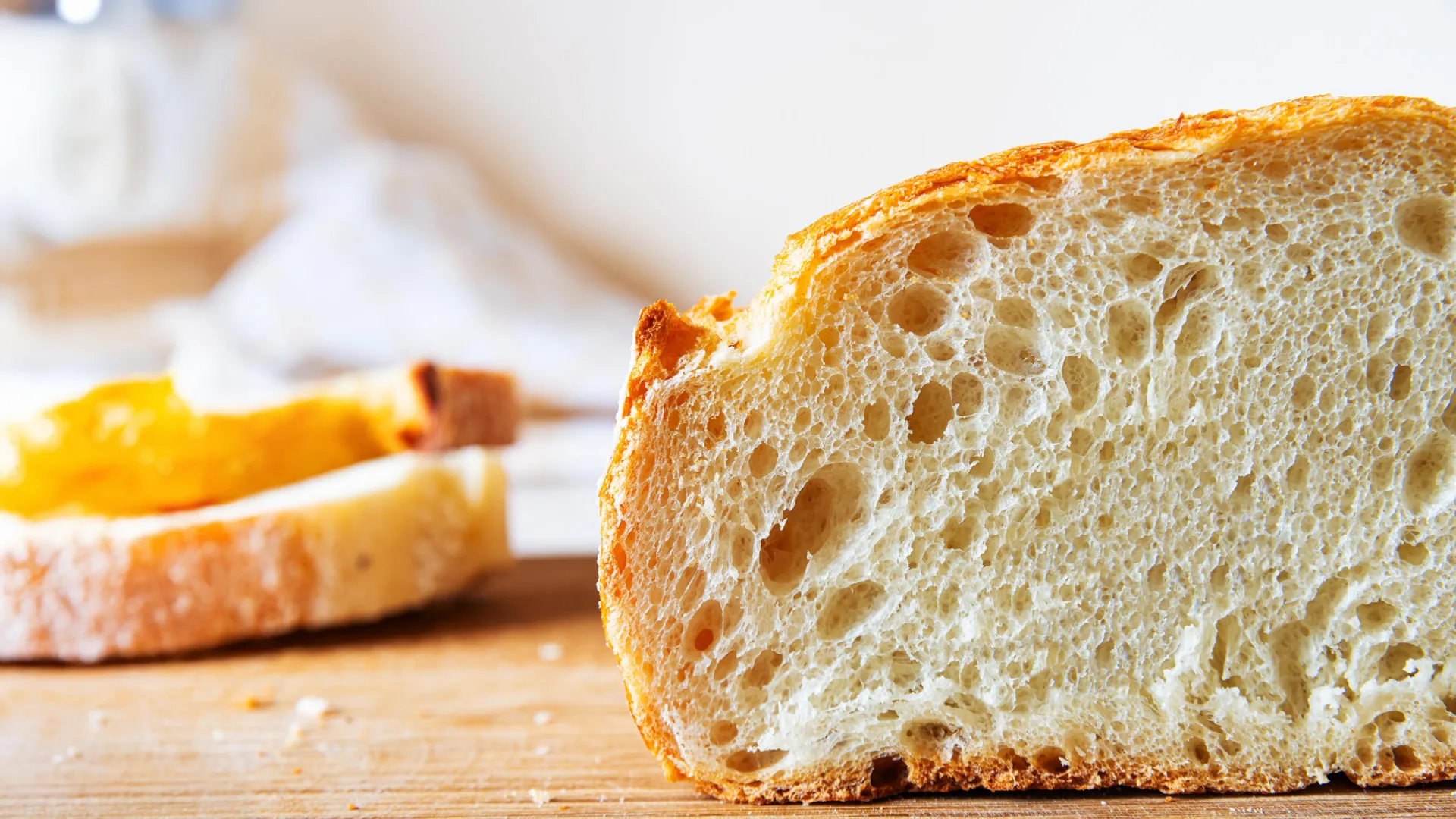
An innovative scientific endeavor is unlocking the latent potential within a common agricultural byproduct, transforming what was once considered waste into a valuable ingredient capable of significantly enhancing the nutritional and functional qualities of everyday bread. Researchers have demonstrated that partially defatted sunflower seed flour (SF), a residual material derived from the industrial process of extracting oil from sunflowers, can be effectively incorporated into bread recipes to boost protein, dietary fiber, and potent antioxidant compounds, offering a healthier and more sustainable alternative to conventional wheat-based products.
The driving force behind this investigation is the growing global demand for food options that not only cater to evolving health consciousness but also align with principles of environmental stewardship and resource efficiency. This exploration into SF represents a significant step towards achieving these dual objectives, repurposing a readily available and economically viable material that previously posed a disposal challenge.
Leonardo Mendes de Souza Mesquita, a biologist associated with the Institute of Biosciences at the University of São Paulo (IB-USP) in Brazil and the lead author of the study published in ACS Food Science & Technology, articulated the core objective: "Our aim was to optimize the reuse of sunflower seed flour considering its high protein and chlorogenic acid content." This focus highlights the dual strategy of leveraging the inherent nutritional richness of SF while simultaneously addressing its abundant presence as a byproduct of the widespread sunflower oil industry.
The research team meticulously designed a series of bread formulations, systematically substituting wheat flour (WF) with varying percentages of SF, ranging from a modest 10% to a substantial 60%. This comprehensive approach allowed for a thorough evaluation of the impact of SF incorporation on critical baking parameters, including the rheological properties of the dough, the overall chemical composition of the final product, and the observable physical characteristics of the baked loaves.
Mesquita elaborated on the compelling nutritional profile of SF, noting, "Sunflower seed flour has been shown to contain a very high percentage of protein, from 40% to 66%, as well as dietary fiber, iron, calcium, and high levels of chlorogenic acid, a phenolic compound associated with antioxidant, anti-inflammatory, and hypoglycemic effects." The strategic integration of this byproduct not only elevates the inherent healthfulness of bread but also contributes to a more sustainable food system by reducing the environmental burden associated with sunflower oil production. Furthermore, the cost-effectiveness of SF, often sold at a nominal price to circumvent disposal costs, positions it as an economically attractive ingredient for both industrial and artisanal baking sectors.
The analytical results unequivocally confirmed the significant nutritional enhancements achieved through SF integration. Breads formulated with SF exhibited a marked increase in both protein and fiber content when compared to control loaves made exclusively from wheat flour. At the highest level of substitution, the protein content of the bread soared to an impressive 27.16%, a substantial leap from the 8.27% typically found in conventional wheat bread. This surge in protein was paralleled by a commensurate rise in antioxidant capacity.
The evaluation of antioxidant activity employed Trolox, a recognized water-soluble analog of vitamin E, serving as a benchmark standard. The recorded levels of antioxidant activity in the SF-enriched breads significantly surpassed those observed in bread prepared entirely from wheat flour, underscoring the potent contribution of SF to the overall health-promoting properties of the baked product.
Mesquita further emphasized the health implications, stating, "The result reinforces the potential of sunflower seed flour to promote health benefits associated with reducing oxidative stress." Beyond its antioxidant prowess, the study also revealed a notable inhibitory effect of SF on key digestive enzymes. Specifically, the flour demonstrated strong inhibition of α-amylase (92.81%) and pancreatic lipase (25.6%), suggesting that bread containing SF or its aqueous extract (SFE) could play a role in modulating the rate of starch and fat digestion within the body, potentially contributing to better glycemic control and fat metabolism.
A crucial aspect of the research focused on the safety and integrity of the food production process. The industrial extraction of sunflower oil primarily utilizes mechanical pressing, a method that eschews chemical solvents. Consequently, the resulting SF is inherently free from such processing contaminants, with the exception of any residues that might originate from the agricultural cultivation of sunflowers themselves, ensuring a cleaner ingredient profile.
While the nutritional advantages were pronounced, the study also identified certain textural modifications that occurred with higher SF inclusion rates. When SF constituted 20% or more of the recipe, the resulting loaves tended to be smaller in volume and exhibited a firmer crumb structure. These alterations in crumb architecture contributed to a denser texture and a reduction in overall softness, characteristics that might be perceived as less desirable by consumers accustomed to traditional bread textures.
However, the researchers introduced a promising solution to mitigate these textural compromises. Mesquita explained, "Adding the aqueous extract [SFE] managed to preserve the structure and texture of the breads, keeping them close to those of traditional wheat bread." This innovative approach, utilizing an aqueous extract of SF, allows bakers to harness the significant nutritional benefits of sunflower flour while simultaneously minimizing any adverse effects on the sensory appeal and palatability of the bread, thereby bridging the gap between health and consumer acceptance.
The production of the aqueous extract is a straightforward process, involving the simple maceration of SF with water followed by filtration, without the need for additional complex physical or chemical treatments. Mesquita proposed that future research could explore the optimal ratio of SF and SFE, or even investigate the possibility of SFE fully replacing SF in certain applications. This opens avenues for commercial bakeries to experiment with various formulations to identify scalable solutions that best balance nutritional enhancement with desirable textural qualities.
This research aligns with a broader global movement towards sustainable innovation and the principles of the circular economy, which emphasizes the valorization of industrial byproducts and the reduction of waste. "Transforming waste into products is a fundamental strategy for promoting a circular economy and reducing resource waste," Mesquita reiterated. The utilization of partially defatted sunflower seed flour exemplifies this philosophy by simultaneously supporting human health, delivering economic benefits through waste reduction and value addition, and contributing to environmental sustainability, thus addressing the core tenets of the circular economy.
The circular economy paradigm fundamentally reorients the linear "take-make-dispose" model, advocating for systems that keep materials in use for as long as possible, extract maximum value from them, and regenerate natural systems at the end of their lifecycle. In this context, an overlooked byproduct has been successfully transformed into a functional food ingredient that not only enriches the nutritional landscape of bread but also contributes to a more resource-efficient and environmentally conscious food supply chain.
The collaborative nature of this scientific advancement is noteworthy, involving researchers from the Multidisciplinary Laboratory of Food and Health (LabMAS) at the School of Applied Sciences of the State University of Campinas (FCA-UNICAMP) in Limeira and the Laboratory of Food Technology and Nutrition at the Federal University of São Paulo (UNIFESP) on its Baixada Santista campus. Financial support for this pivotal study was provided by FAPESP through several project grants. Mesquita’s subsequent research, supported by a Young Researcher Grant, further explores sustainable innovations through the biorefinery concept, focusing on the valorization of various biomass sources using renewable solvents to foster a greener economy.
About the Author