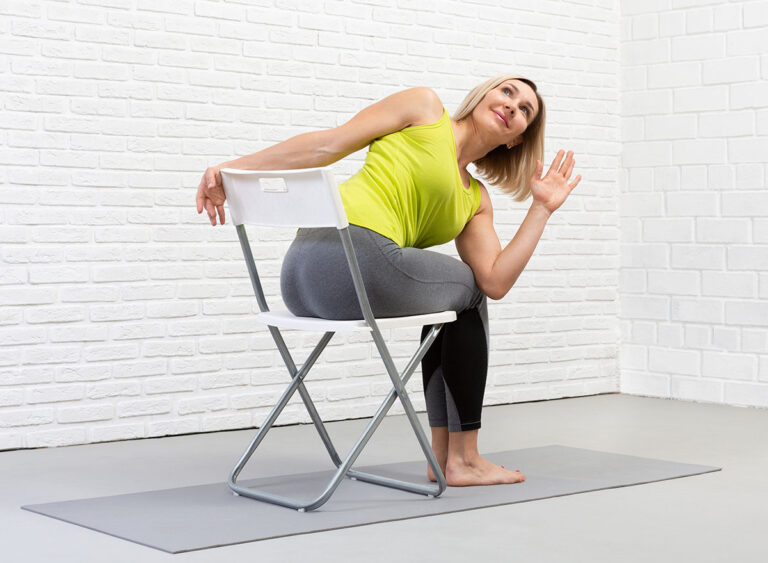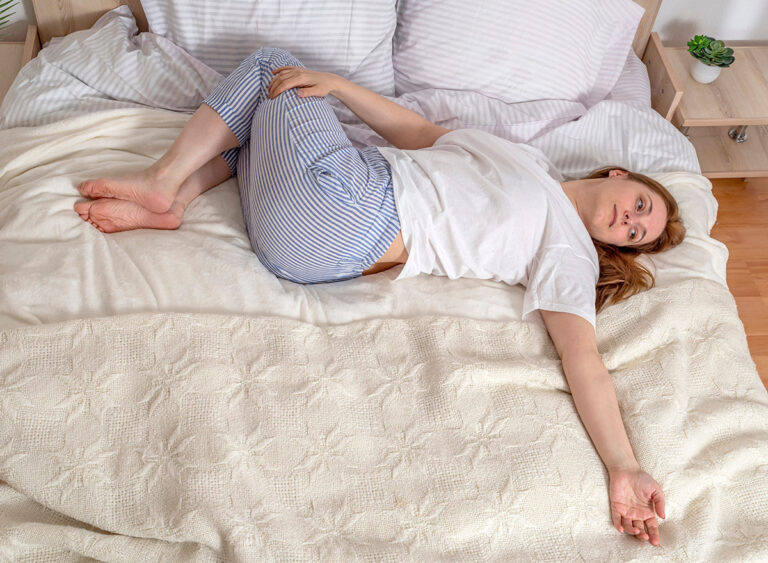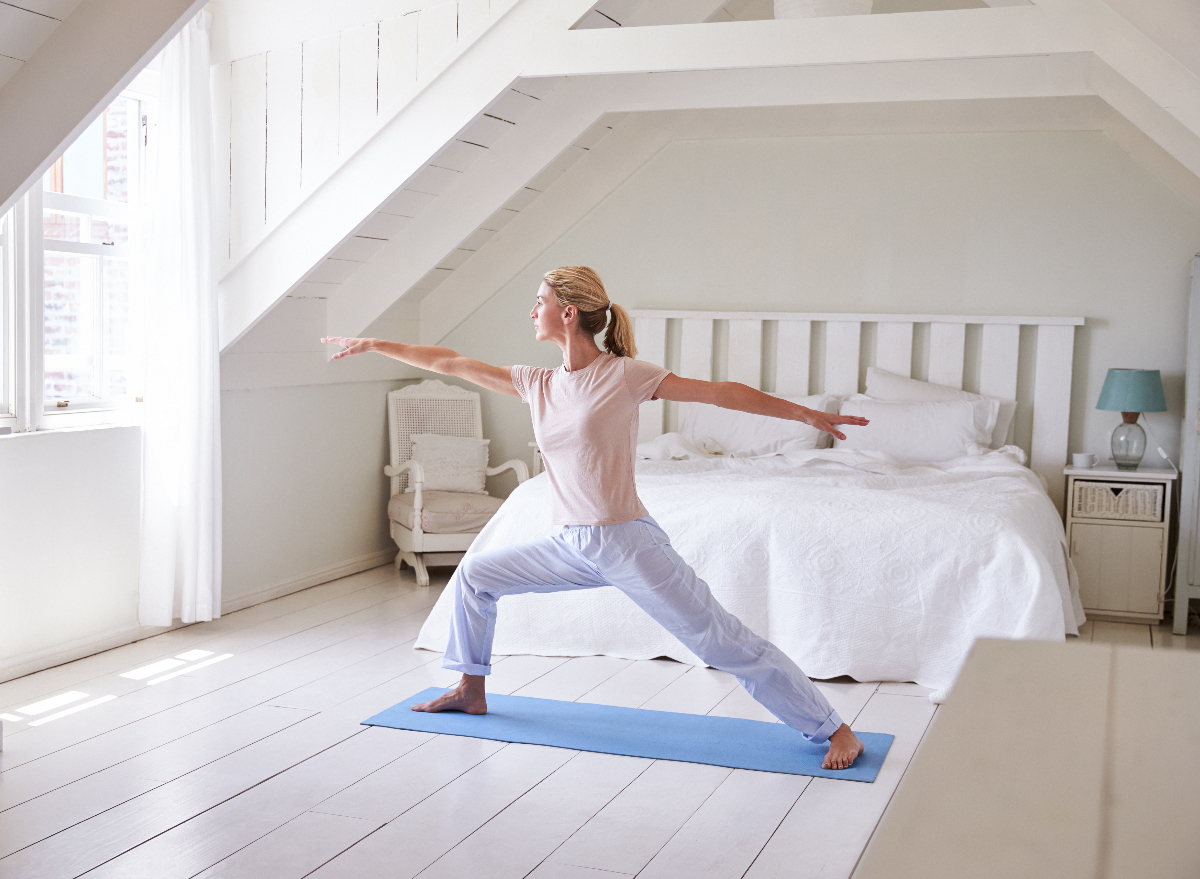
As individuals navigate the journey of aging, maintaining robust physical strength, particularly in the lower body, emerges as a cornerstone of sustained independence and quality of life. The natural physiological shifts that accompany advancing years often lead to a gradual reduction in muscle mass and power, a condition clinically recognized as sarcopenia. This decline can subtly, yet significantly, impact an individual’s ability to perform routine daily activities, elevate the risk of falls, and diminish overall mobility. However, the prevailing notion that intense, high-impact workouts or complex gym routines are the sole pathways to reclaiming this strength is often a misconception, particularly for those over 65 who may face challenges such as joint discomfort, balance concerns, or a history of inactivity.
For many older adults, the thought of executing traditional, deep squats or lifting heavy weights can be intimidating, if not physically prohibitive. Concerns about joint strain, the potential for losing balance, or simply the effort required to get started can create significant barriers to engaging in beneficial physical activity. This is precisely where accessible, supported exercise modalities offer a transformative alternative. By leveraging the stability and comfort of a home environment, particularly a bed or sturdy furniture, individuals can initiate or re-establish a strength training regimen that prioritizes safety, muscle activation, and functional improvement without the associated risks or psychological hurdles. These gentle, yet profoundly effective, movements focus on developing intrinsic muscle control and endurance, qualities that are often more critical for maintaining everyday function than sheer maximal strength. When the muscles of the thighs and hips are systematically re-engaged and strengthened, fundamental actions such as rising from a seated position, navigating stairs, or walking for extended periods become noticeably more manageable and secure.
The science behind age-related muscle loss, sarcopenia, highlights its pervasive impact. Beyond the visible reduction in muscle size, sarcopenia leads to a decrease in muscle quality, characterized by a decline in the number and function of muscle fibers, particularly fast-twitch fibers responsible for power and quick reactions. This makes everyday tasks that require bursts of effort, like catching oneself during a stumble, significantly harder. The consequences extend beyond physical limitations, often leading to reduced social engagement, a greater reliance on others, and a diminished sense of self-efficacy. Conversely, even moderate resistance training, tailored to individual capabilities, has been shown to effectively mitigate sarcopenia, foster bone density, improve metabolic health, and enhance proprioception – the body’s awareness of its position in space – which is vital for balance.
The rationale for adopting low-impact, supported training methods in later life is compelling. Such approaches effectively circumvent common impediments to exercise adherence. By removing the immediate demands of balance and heavy loading, participants can concentrate intently on isolating and activating target muscle groups. This mental-physical connection is crucial for retraining neuromuscular pathways, helping muscles "relearn" how to contract efficiently. These foundational movements build a robust base, instilling confidence and preparing the body for potential progression to more challenging, weight-bearing activities if desired. The goal is not merely to build larger muscles, but to cultivate muscles that are responsive, enduring, and capable of supporting a dynamic, independent lifestyle. The following exercises are designed with these principles in mind, drawing from extensive experience in coaching older adults to achieve significant strength gains while respecting joint health and individual comfort levels.
Pelvic Lift: Foundations of Hip and Core Stability
The pelvic lift, often known as the glute bridge, serves as a cornerstone exercise for developing strength in the posterior chain, which includes the gluteal muscles and hamstrings, while simultaneously engaging the core. This exercise is performed lying on one’s back, a position that provides excellent spinal support and eliminates any pressure on the knees, making it exceptionally joint-friendly. Strong glutes are paramount for effective hip extension, a movement critical for standing upright, propelling oneself forward during walking, and maintaining stability. By strengthening these muscles, the pelvic lift directly enhances an individual’s capacity for fundamental movements and contributes significantly to overall balance and gait efficiency.
To execute this movement, lie supine with knees bent and feet flat on the bed, hip-width apart. Ensure your heels are positioned comfortably close to your glutes. Gently press your lower back into the bed, then, by engaging your gluteal muscles, lift your hips towards the ceiling until your body forms a straight line from your shoulders to your knees. Hold briefly at the apex, focusing on the contraction in your glutes, then slowly lower your hips back to the starting position with control. Avoid arching your lower back excessively; the movement should primarily originate from the hips. A typical regimen might involve three sets of 12 to 15 repetitions, with a brief 30-second recovery period between sets. For progression, consider incorporating a brief pause at the top of the movement (pause glute bridge), or for a greater challenge, attempt a single-leg variation, ensuring stable hip alignment throughout.
Assisted Unilateral Leg Press: Cultivating Single-Leg Dexterity
The assisted unilateral leg press, a variation of a supported lunge, introduces the vital concept of single-leg strength without the inherent balance demands of a freestanding lunge. This exercise is performed with the assistance of a bed or a sturdy surface, providing critical stability while allowing each leg to work independently. Developing unilateral strength is crucial for activities such as climbing stairs, stepping over obstacles, or simply walking, where one leg supports the body’s weight while the other moves. By building strength symmetrically in both legs, this movement enhances overall balance and confidence during dynamic actions. The controlled, often shorter range of motion also makes it considerably kinder on the knee joints.
To perform this exercise, stand facing the bed with one foot placed firmly on the floor and the other foot resting on the bed behind you, mimicking a split stance. Hold onto the bed or a stable chair for additional support if needed. With your chest upright and core engaged, gently lower your body by bending both knees, allowing the front knee to track in line with your toes, and ensuring the back knee moves towards the floor. The bed provides partial support for the back leg, reducing the load and balance requirement. Descend only to a comfortable depth, then push through your front heel to return to the starting position. Aim for three sets of 8 to 10 repetitions on each leg, resting for approximately 45 seconds between sets. To increase difficulty, slow down the tempo of the movement, focusing on eccentric control during the descent, or gradually reduce the amount of assistance from the bed.
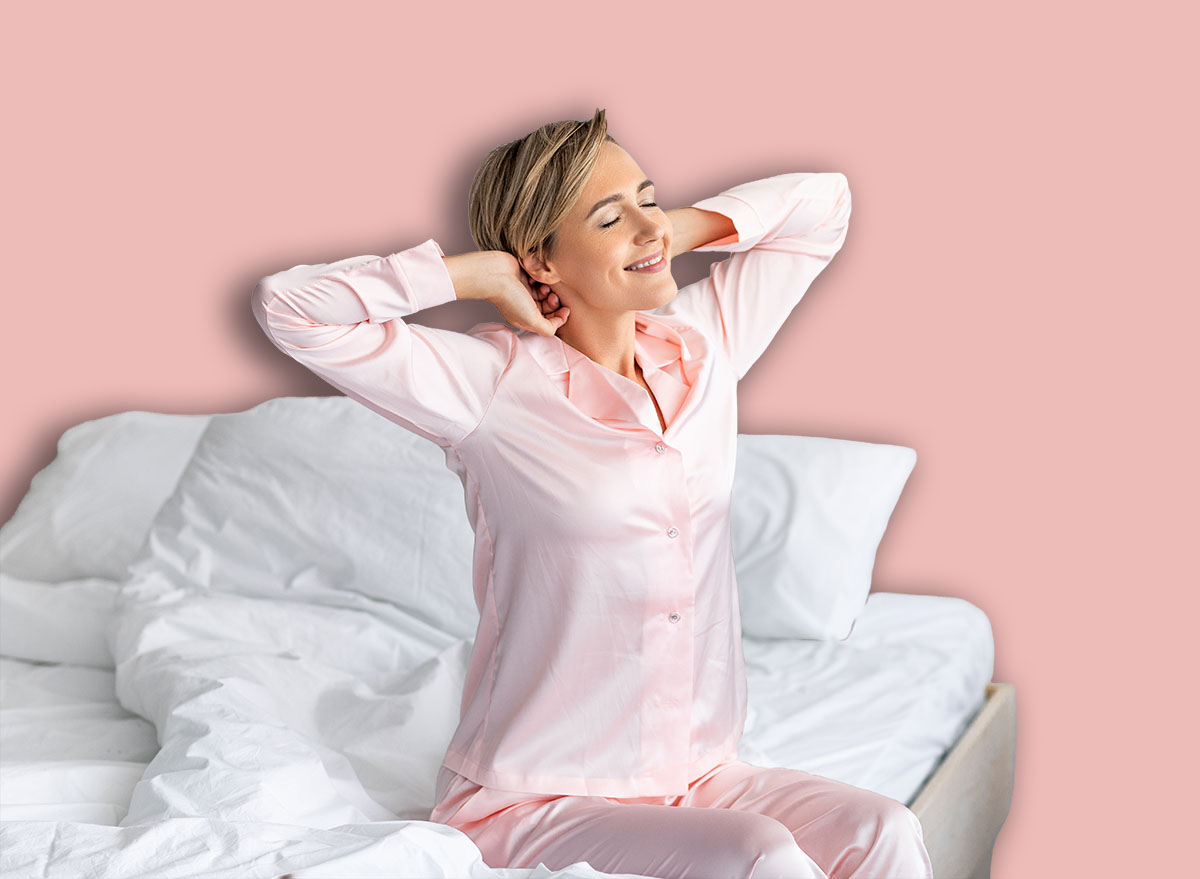
Functional Chair Rise: The Essence of Independence
The functional chair rise, directly derived from the common sit-to-stand motion, is perhaps one of the most directly applicable exercises for maintaining daily independence. This movement trains the core muscles required to transition from a seated to a standing position, a fundamental action repeated dozens of times throughout the day. By utilizing the bed or a sturdy chair, the exercise can be modified to reduce initial strain, allowing the thighs, glutes, and core to work through a practical range of motion. Consistent practice of this movement not only strengthens the involved muscle groups but also refines the coordination between the hips and knees, improving fluidity and stability in transfers.
Begin by sitting on the edge of the bed or a stable chair, with your feet flat on the floor, hip-width apart, and slightly behind your knees. Lean forward slightly, engaging your core, and push through your feet to stand up fully. Use your hands for support on your thighs or the bed/chair initially if necessary. Once standing, slowly and controlledly lower yourself back to the seated position, aiming for a gentle touch-down rather than collapsing. Exhale as you stand to help engage your core and improve stability. If standing from the bed is too challenging, place pillows on the bed to raise the sitting surface, gradually decreasing the number of pillows as strength improves. Perform three sets of 8 to 12 repetitions, with a 45-second rest period between sets. For enhanced challenge, try to perform the movement without using your hands, or slow down the tempo, particularly during the lowering phase, to build eccentric strength.
Static Split Stance Hold: Building Isometric Endurance
The static split stance hold, an isometric variation of a split squat, offers a powerful method for building thigh strength and endurance without requiring repetitive joint motion. This exercise involves holding a specific position for an extended duration, which compels the muscles to remain under continuous tension, enhancing their capacity for sustained effort and improving stability around the knee and hip joints. Isometric holds are particularly beneficial for developing confidence in single-leg dominant positions and improving muscular endurance, which translates to a reduced sense of fatigue during prolonged standing or walking.
To perform this hold, assume a split stance position similar to the start of the assisted unilateral leg press, with one foot forward and the other foot back, resting on the bed or floor. Ensure your stance is wide enough to allow for a comfortable bend in both knees. Gently lower your body into a split squat position, maintaining an upright torso, until both knees are bent at approximately a 90-degree angle, or to a comfortable depth. Once in this stable position, hold it statically, focusing on keeping steady pressure through your front foot and engaging the muscles of both thighs and glutes. Breathe deeply and evenly throughout the hold. Aim for three sets of 20 to 30-second holds per side, resting for 45 seconds between sets. To modify the difficulty, adjust the depth of the squat or the width of your stance. Using a higher stance (less knee bend) can make it easier, while increasing the depth or duration will increase the challenge.
A Holistic Approach to Sustained Vitality
While these targeted exercises form a robust foundation for rebuilding lower body strength, their effectiveness is significantly amplified when integrated into a broader lifestyle that supports overall health and well-being. Beyond structured workouts, consistent daily movement plays a pivotal role in reinforcing muscle function and preventing atrophy. Incorporating activities like regular walking, engaging in gardening, or performing household chores can subtly, yet effectively, contribute to maintaining leg strength and mobility.
Nutrition is another critical component. Adequate protein intake is essential for muscle repair and growth, especially as we age, to counteract sarcopenia. Hydration, quality sleep, and effective stress management further support the body’s recovery and regenerative processes. Before embarking on any new exercise regimen, particularly after 65 or with pre-existing health conditions, it is always advisable to consult with a healthcare professional, such as a doctor or physical therapist. They can provide personalized guidance, ensure the exercises are appropriate for individual circumstances, and help establish a safe and effective progression plan.
Embracing a proactive mindset, characterized by patience and persistence, is key to long-term success. Progress may be gradual, but even small, consistent efforts accumulate into meaningful gains in strength, balance, and confidence. Celebrating these incremental improvements can provide powerful motivation to sustain the journey towards enhanced mobility and a more independent, vibrant life. By focusing on accessible, supported exercises and integrating them with healthy daily habits, older adults can effectively reclaim and maintain their leg power, fostering a future of greater freedom and well-being.
About the Author