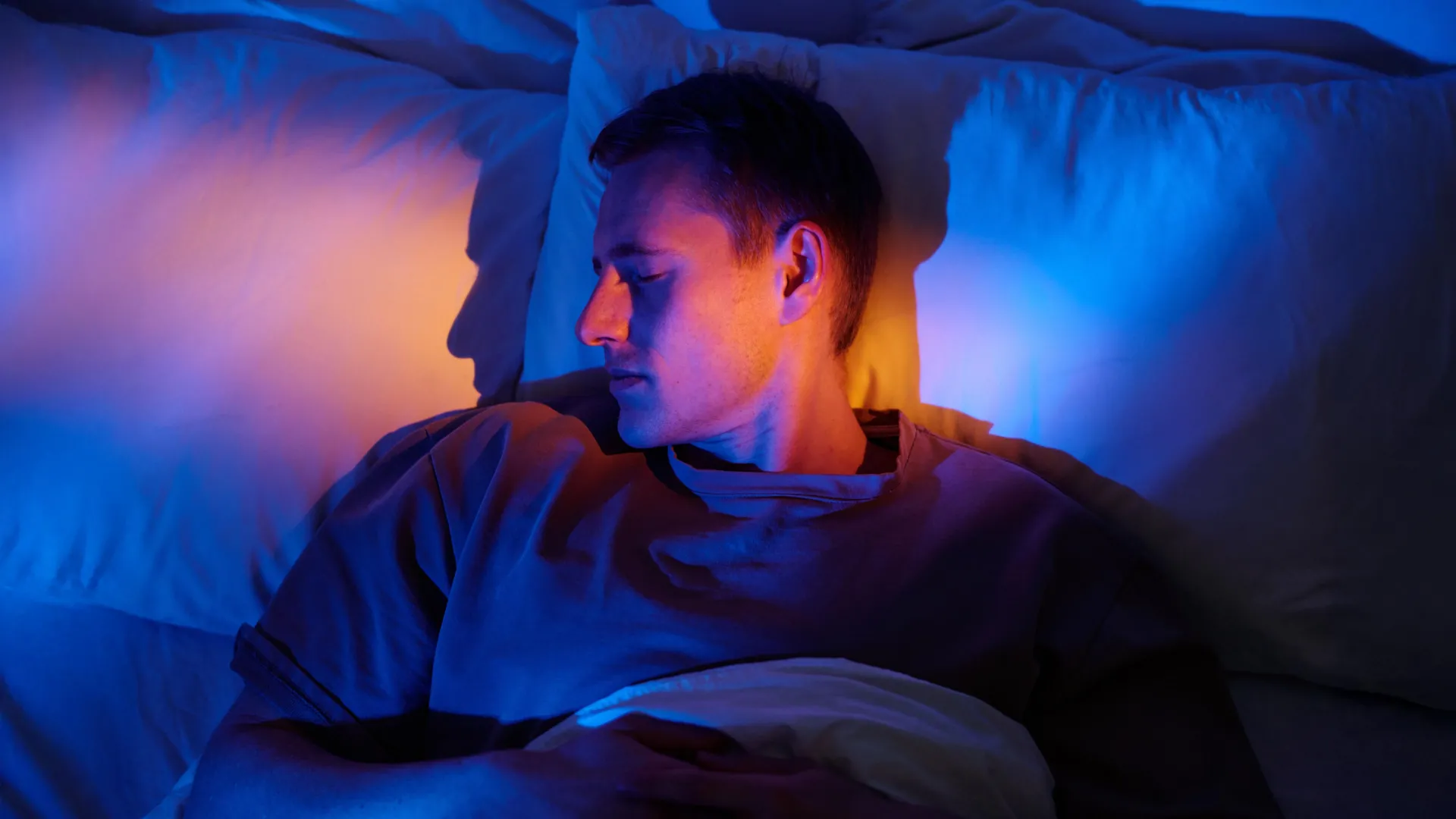
The widespread adoption of continuous ambient noise as a sleep aid is being re-evaluated following findings that suggest such sounds, particularly pink noise, may inadvertently interfere with the most crucial phases of nightly recuperation. A recent investigation conducted by researchers at the University of Pennsylvania’s Perelman School of Medicine, and subsequently published in the esteemed journal Sleep, illuminated a potential drawback: exposure to pink noise was observed to diminish the duration of Rapid Eye Movement (REM) sleep and generally impede the brain’s restorative processes. In stark contrast, a simple intervention like wearing earplugs demonstrated significantly greater efficacy in shielding sleep quality from environmental disturbances such as traffic noise.
These revelations prompt a critical reassessment of the burgeoning market for sound machines and mobile applications that employ constant background audio to facilitate rest. For many, these devices have become an integral part of their nightly ritual, promising a serene escape from disruptive sounds or merely creating a consistent sonic environment conducive to falling asleep. However, the scientific community is now grappling with the nuanced effects these popular aids might have on the intricate architecture of human sleep.
Dr. Mathias Basner, a lead author of the study and a distinguished professor of Sleep and Chronobiology in Psychiatry, articulated profound concerns regarding the observed impacts. He underscored the indispensable role of REM sleep in vital cognitive functions, including memory consolidation, the intricate process of emotional regulation, and the foundational stages of brain development. Dr. Basner warned that the continuous application of pink noise or other forms of broadband noise during sleep could pose health risks, particularly for younger individuals. Children, he noted, spend a considerably greater proportion of their sleep cycles in REM compared to adults, rendering their developing brains potentially more susceptible to adverse effects from such disruptions.
To rigorously investigate these phenomena, the research team meticulously monitored a cohort of 25 healthy adults within a highly controlled sleep laboratory environment. Participants, ranging in age from 21 to 41, underwent an intensive seven-night study protocol, during which they were provided eight-hour opportunities for sleep. Crucially, none of the individuals enrolled in the study reported pre-existing sleep disorders, nor did they habitually rely on external sounds to aid their sleep, thus providing a baseline of typical sleep patterns.
Throughout the study, participants experienced a series of distinct sleep conditions designed to isolate various auditory exposures. These conditions encompassed periods of silence, exposure to simulated aircraft noise, periods with only pink noise playing, a combination of both aircraft noise and pink noise, and finally, exposure to aircraft noise while wearing earplugs. Each subsequent morning, the participants engaged in a battery of cognitive performance tests and completed detailed questionnaires. These assessments were strategically designed to evaluate self-perceived sleep quality, levels of alertness, and other health-related outcomes, providing both objective and subjective data points for analysis.
Understanding the significance of these findings necessitates a brief delve into the complex physiology of sleep. A typical night’s sleep is not a monolithic state but rather a dynamic progression through distinct stages, primarily characterized as non-rapid eye movement (NREM) sleep and rapid eye movement (REM) sleep. NREM sleep is further subdivided, with N3, or "deep sleep," being particularly crucial. This profound stage is instrumental for physical restoration, facilitating cellular repair, bolstering immune function, and playing a pivotal role in memory processing and the critical glymphatic system’s removal of metabolic waste products from the brain.
Conversely, REM sleep, often colloquially termed "dream sleep," serves equally vital functions. It is intrinsically linked to emotional regulation, aiding in the processing of daily experiences and fostering psychological resilience. Furthermore, REM sleep is essential for the development of motor skills and supports overall brain growth and synaptic plasticity. The delicate balance and undisturbed progression through these intertwined sleep stages are fundamental to ensuring individuals awaken feeling genuinely refreshed, mentally agile, and fully prepared to navigate the demands of the day ahead. Any consistent disruption to this intricate cycle can have cascading negative effects on overall health and well-being.
The term "pink noise" itself refers to a specific type of broadband noise. Broadband noise encompasses a category of continuous sounds characterized by their wide range of frequencies, often possessing a consistent, static-like auditory quality. This category includes other well-known variations such as white noise, brown noise, and blue noise. The distinction between these "colors" of noise lies in how their sound energy is distributed across the audible spectrum, which, in turn, influences their perceived pitch – some sounding higher or lower than others. Many natural auditory phenomena, such as the gentle patter of rainfall or the rhythmic ebb and flow of ocean waves, fall under this broadband classification. Similarly, common household appliances like ventilation fans and air conditioning units are typical generators of broadband sound.
The specific findings from the University of Pennsylvania study were quite revealing. When compared to nights spent in a silent environment, participants exposed to aircraft noise experienced an average reduction of approximately 23 minutes in their N3 (deep sleep) stage per night. Importantly, this significant loss of deep sleep was largely mitigated when participants utilized earplugs, highlighting their effectiveness as a protective measure against auditory disturbances.
However, the most striking results emerged concerning pink noise. Exposure to pink noise alone, played at a moderate intensity of 50 decibels (an auditory level often likened to the gentle sound of light rain), was associated with a nearly 19-minute decrease in REM sleep duration. The situation became even more pronounced and complex when pink noise was combined with aircraft noise. Under this dual-noise condition, participants exhibited significantly reduced periods of both deep sleep and REM sleep. Furthermore, they experienced an additional 15 minutes of wakefulness throughout the night – a disruptive effect that was not observed when subjects were exposed to either aircraft noise or pink noise in isolation.
Beyond the objective polysomnographic data, the subjective experiences of the participants also echoed these negative trends. Individuals reported that their sleep felt lighter, they experienced more frequent awakenings, and their overall perception of sleep quality declined when exposed to either aircraft noise or pink noise. These self-reported adverse effects were largely absent when earplugs were employed, further solidifying the protective role of physical sound blocking.
These compelling results carry substantial implications for millions of individuals globally who routinely rely on continuous background noise to facilitate sleep. The researchers’ conclusions strongly endorse the utility of earplugs, a simple, low-cost solution already favored by an estimated 16 percent of the American population for sleep assistance. Simultaneously, the study underscores an urgent need for more comprehensive scientific inquiry into the long-term health consequences associated with the sustained use of pink noise and other broadband noise products marketed as sleep aids.
The ubiquity of these sound-based interventions is undeniable. White noise tracks and ambient podcasts alone accumulate an astonishing three million hours of daily listening on Spotify. On platforms like YouTube, the five most popular videos featuring "white noise" have collectively garnered over 700 million views. Despite this pervasive use, a recent review by Dr. Basner and his colleagues highlighted a critical gap: studies rigorously examining the long-term effects of broadband noise on sleep remain surprisingly limited and often yield inconclusive findings, leaving a significant void in our understanding of their true impact.
The disruption of REM sleep is not a trivial matter; it is a pattern frequently observed in clinical conditions such as depression, anxiety disorders, and neurodegenerative diseases like Parkinson’s disease. Dr. Basner further emphasized the unique vulnerability of children, who, as previously noted, dedicate a significantly larger portion of their sleep cycle to REM sleep. This physiological difference suggests that children may be particularly sensitive to any consistent interference with this vital stage. Disturbingly, despite this potential susceptibility, it remains a common practice for many parents to position sound machines near the sleeping areas of newborns and toddlers, under the assumption that these devices will promote uninterrupted sleep.
In light of these findings, Dr. Basner issued a cautionary statement: "Our results generally advise against the routine use of broadband noise, particularly for the most vulnerable populations such as newborns and toddlers." He further stressed the imperative for more extensive research focused on these susceptible groups, on the cumulative effects of long-term exposure, on the distinct properties and impacts of different ‘colors’ of broadband noise, and on establishing safe decibel levels for sleep-promoting sounds.
This pivotal study received financial backing from the U.S. Federal Aviation Administration (FAA) Office of Environment and Energy, channeled through ASCENT, the FAA Center of Excellence for Alternative Jet Fuels and the Environment. Specifically, it was supported by project 86 under FAA Award Number 13-C-AJFE-UPENN, with supervision provided by Susumu Shirayama. It is important to note that any opinions, findings, conclusions, or recommendations articulated within this research are solely those of the investigators and do not necessarily represent the official views of the FAA. The study serves as a crucial reminder that while certain interventions gain widespread popularity, rigorous scientific validation of their long-term effects is indispensable, especially when they pertain to fundamental biological processes like sleep.
About the Author