Maintaining optimal balance is a cornerstone of independent living and overall well-being, particularly as individuals progress into their later years. For adults aged 65 and above, the ability to navigate daily environments with confidence and stability directly impacts quality of life, reducing the risk of debilitating falls and fostering continued engagement in social and physical activities. While the natural aging process often brings about physiological changes that can diminish equilibrium, including reduced muscle mass, decreased proprioception (the body’s sense of its position in space), and alterations in the vestibular system, a proactive approach through targeted physical activity can significantly counteract these effects. Emerging research and expert guidance highlight the efficacy of concise, consistent exercise regimens in bolstering the intricate systems responsible for maintaining upright posture and preventing accidental tumbles.
The implications of compromised balance are substantial. According to the Centers for Disease Control and Prevention (CDC), falls are a leading cause of injury among older adults, with one in four Americans aged 65 and older falling each year. These incidents frequently result in serious injuries such as hip fractures, head traumas, and other debilitating conditions, often leading to a loss of independence, reduced mobility, and a significant increase in healthcare costs. Beyond the physical toll, the fear of falling can itself become a major impediment, leading to decreased physical activity, social isolation, and a decline in mental health. Therefore, interventions that enhance stability are not merely about physical conditioning; they are about preserving autonomy, dignity, and a vibrant lifestyle.
Expert insights from certified fitness professionals consistently underscore the value of functional movements—exercises that mimic everyday activities—for older adults. Unlike isolated strength training, functional balance exercises simultaneously engage multiple muscle groups and sensory systems, preparing the body for the dynamic challenges of real-world scenarios, such as walking on uneven surfaces, stepping over obstacles, or rising from a seated position. A focused regimen, even one requiring only a few minutes daily, can yield profound improvements in strength, coordination, and body awareness. Coaches specializing in senior fitness frequently advocate for standing exercises early in a program, recognizing their direct transferability to daily life and their capacity to reinforce robust, steady biomechanics crucial for confident movement.
One such highly effective, time-efficient strategy involves a seven-minute standing exercise protocol designed specifically to address the unique balance requirements of individuals over 65. This routine leverages bodyweight and minimal space, making it accessible for most individuals to perform at home without specialized equipment. By integrating a series of controlled standing movements, the program systematically targets key muscle groups and neural pathways responsible for maintaining stability and coordination. The objective is not just to strengthen muscles but to refine the body’s internal communication system, enabling quicker and more accurate responses to shifts in balance. Consistency is paramount, with the routine structured for three rounds of back-to-back exercises, each performed for a brief interval, ensuring a comprehensive yet manageable session. Participants are encouraged to maintain a tall, aligned posture throughout, focusing on deliberate, controlled execution rather than speed. A sturdy chair or wall should be kept nearby for light support as needed, prioritizing safety above all.
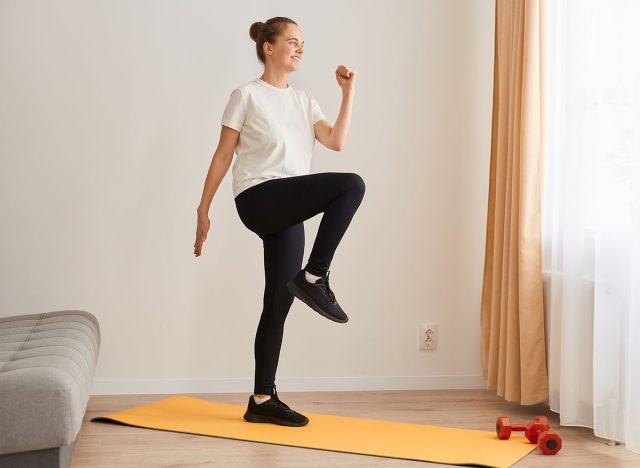
The routine commences with the Standing March Hold, an exercise fundamental for cultivating single-leg stability and refining the body’s ability to precisely manage weight transitions. This movement directly enhances the mechanics of walking by strengthening the muscles surrounding the hips, which are pivotal in sustaining equilibrium as one ages. The standing march hold is particularly favored by fitness experts because it effectively highlights and ameliorates imbalances between the left and right sides of the body while remaining gentle on the joints. Over time, cultivating stronger single-leg stability contributes to smoother, more assured everyday movements. To execute this exercise, begin by standing tall with feet hip-width apart and eyes fixed on a point straight ahead. Slowly lift one knee towards the chest, aiming for a 90-degree angle at the hip and knee, while keeping the standing leg slightly bent. Hold this position for 30 seconds, maintaining core engagement and avoiding any leaning. Gently lower the foot and repeat on the opposite side. For increased challenge, try holding the lifted leg for longer durations or closing your eyes (only if you have sufficient support nearby). To simplify, reduce the height of the knee lift or use a hand on a wall for stability.
Following this, the Heel-to-Toe Walk is introduced, an exercise that significantly fortifies the gait pattern and sharpens the intricate coordination between the lower body and the core musculature. This particular movement actively challenges one’s capacity to direct forward motion while upholding proper bodily alignment, a skill directly transferable to the nuances of daily ambulation. Many individuals observe a rapid enhancement in their proprioceptive awareness through consistent practice of this drill. Fitness professionals frequently incorporate it into programs because it cultivates dynamic balance, emphasizing stability during movement rather than solely in a static position. To perform, stand with one foot directly in front of the other, so the heel of the front foot touches the toes of the back foot, as if walking on a tightrope. Maintain a steady gaze forward and engage your core. Slowly take small, deliberate steps, placing the heel of the moving foot directly against the toes of the stationary foot with each advance. Continue for 30 seconds, then reverse direction. Progress by increasing the length of the walk or by performing the exercise with less reliance on visual cues. For modifications, widen the base of support by allowing a small gap between the heel and toe, or use a wall for support.
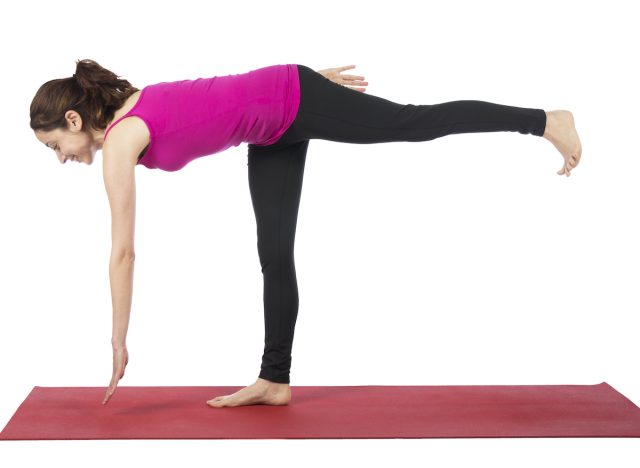
Next in the sequence is the Single-Leg Reach, an exercise designed to push balance boundaries while simultaneously training the hips and core to act as powerful stabilizers during active motion. This movement is crucial for fortifying the muscles surrounding the hip joint and refining the ability to meticulously control one’s center of mass, a critical factor in mitigating the risk of falls. From a coaching perspective, this exercise offers a remarkable carryover to practical, real-world activities like bending to pick up an object or reaching for something on a shelf. Furthermore, it instills a sense of empowerment through enhanced single-leg control, which many older adults find incredibly rewarding. To execute, stand on one leg with a slight bend in the knee. Extend the opposite leg straight back while simultaneously reaching forward with both arms, hinging at the hip, as if picking something off the floor. Keep your back straight and your core tight. Return to the starting position with control. Perform for 30 seconds on one leg, then switch to the other. To increase difficulty, reach further or hold a light weight in the reaching hand. To modify, limit the depth of the reach or use a wall or chair for light support.
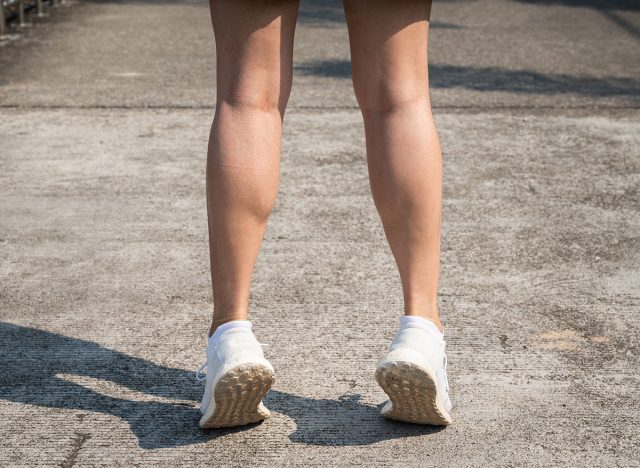
Concluding the exercise circuit are Standing Calf Raises, an often-underestimated movement that is nonetheless vital for reinforcing ankle stability and overall equilibrium. The calf muscles, located at the back of the lower leg, are instrumental in controlling forward momentum and facilitating rapid, adaptive responses to minor shifts in body position. While this area is frequently overlooked in general fitness regimens, its contribution to a steady gait and a powerful push-off with each step is profound. Fitness experts consistently integrate calf strengthening into balance-focused programs, recognizing its foundational role in supporting stable and agile movement. To perform, stand tall with feet hip-width apart. Slowly lift both heels off the ground, rising onto the balls of your feet as high as comfortably possible. Hold briefly at the top, feeling the contraction in your calves, then slowly lower your heels back to the ground with control. Repeat for 30 seconds. For progression, try single-leg calf raises or perform them on a slight elevation (like a step) to increase the range of motion. For easier execution, reduce the height of the raise or hold onto a sturdy support.
Beyond the specific exercises, the efficacy of this seven-minute routine is amplified when coupled with judicious daily movement habits. The human body demonstrates remarkable adaptability, responding favorably to consistent, albeit brief, exposures to stability challenges throughout the week. Coaches frequently observe that clients who achieve the most significant advancements are those who prioritize regularity and cultivate a heightened awareness of their body’s posture and movement patterns during routine activities. Balance training flourishes on a foundation of consistent repetition and deliberate effort. By embedding these principles into daily life, individuals often experience a synchronous elevation in both their physical control and their self-assurance.
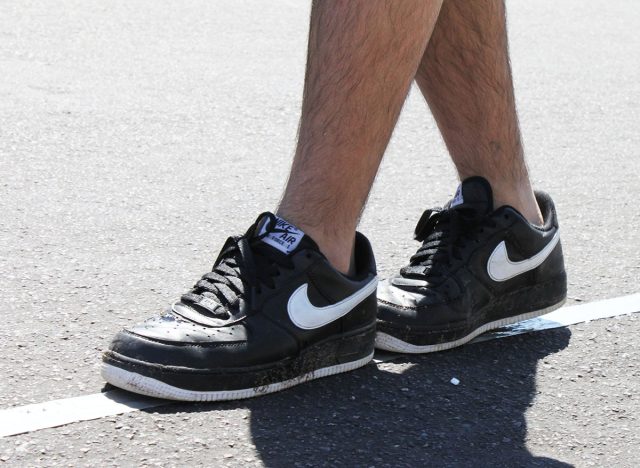
Complementary daily habits that can significantly bolster progress include integrating short bursts of movement throughout the day, rather than prolonged periods of sitting. This could involve standing up and walking around for a few minutes every hour, using stairs instead of elevators, or incorporating gentle stretching. Paying attention to footwear is also critical; opting for stable, supportive shoes with good grip can prevent many slips and falls. Maintaining a clutter-free home environment, ensuring adequate lighting, and installing grab bars in bathrooms can create a safer living space. Furthermore, staying well-hydrated and consuming a balanced diet rich in protein and essential nutrients supports muscle health and overall vitality, which indirectly contributes to better balance. Regular vision and hearing checks are also important, as sensory impairments can significantly affect spatial awareness and reaction time. Finally, consulting with healthcare professionals, including physical therapists or general practitioners, is essential to tailor any exercise regimen to individual health conditions and needs, ensuring both safety and maximum benefit.
By committing to this concise seven-minute routine and embracing these supportive daily habits, most adults over the age of 65 can anticipate experiencing tangible improvements in their movement steadiness, enhanced physical control, and a renewed sense of confidence in their ability to navigate the world on their own two feet. This proactive approach not only fosters physical resilience but also reinforces the independence and active engagement that are hallmarks of a fulfilling later life.
About the Author