The intricate pathways that govern voluntary motor control can be catastrophically disrupted by damage to the spinal cord, leaving individuals with profound loss of limb function. In many such cases, the underlying neural architecture of the limbs and the brain’s capacity for generating movement commands remain intact, highlighting the critical issue as a breakdown in signal transmission. This disconnect, where the brain’s intentions fail to reach the body’s effectors, has spurred intense scientific inquiry into novel strategies for re-establishing this vital communication channel without necessitating direct repair of the damaged spinal cord itself.
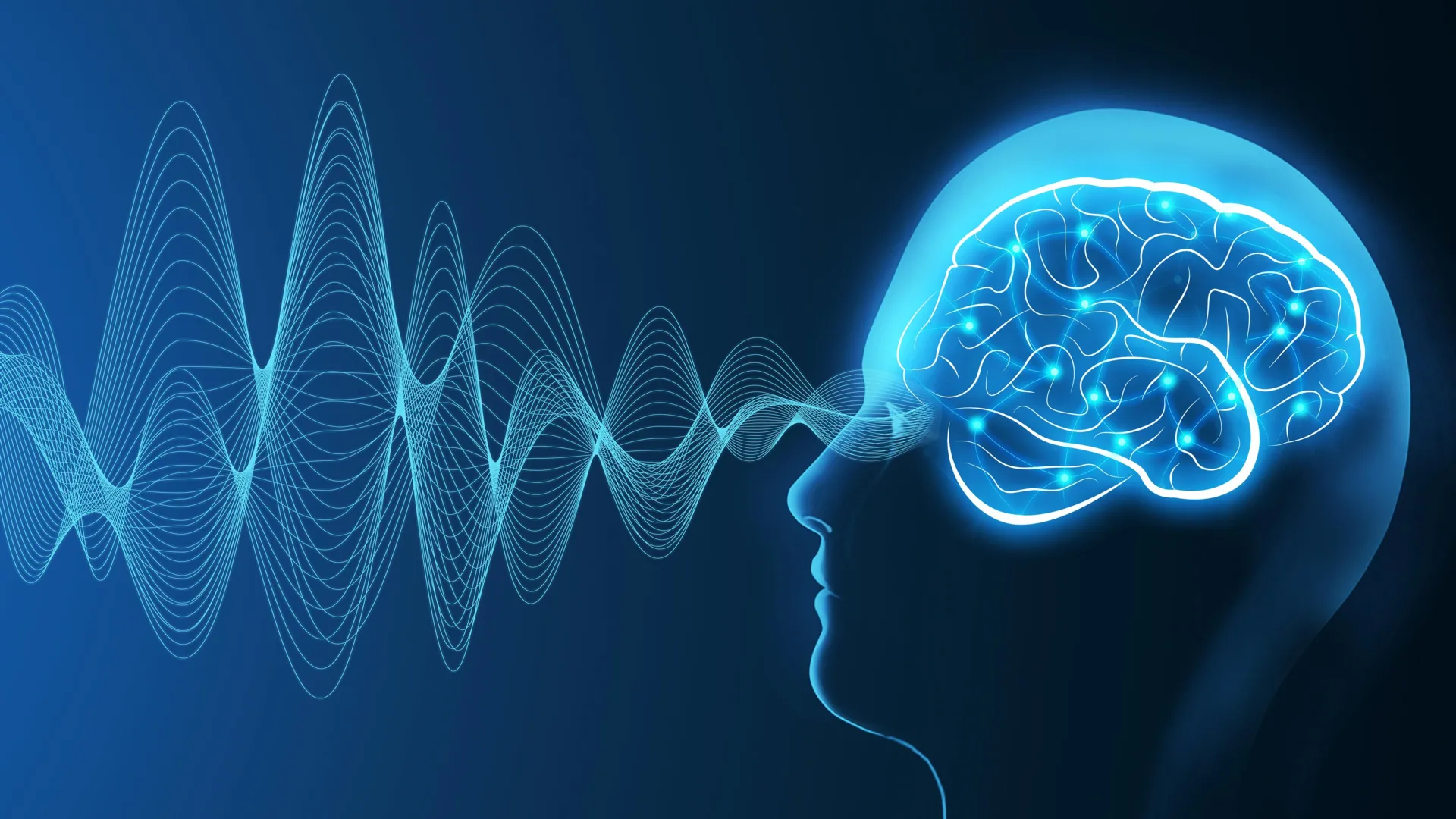
A groundbreaking study, detailed in the journal APL Bioengineering and published by AIP Publishing, has illuminated the potential of electroencephalography (EEG) as a non-invasive means to surmount this neurological barrier. Researchers from prominent academic institutions in Italy and Switzerland embarked on an ambitious exploration, seeking to ascertain whether EEG, a technique that measures electrical activity on the scalp, could effectively capture and interpret the brain’s motor intentions. The ultimate goal is to translate these detected brain signals into commands that could reactivate paralyzed limbs.
The fundamental principle behind this research rests on the observation that even when a limb is rendered immobile due to spinal cord injury, the brain continues to generate the characteristic electrical patterns associated with the attempt to move. The critical innovation lies in the possibility of detecting these subtle brain signals, deciphering their meaning, and then relaying them to an external device, such as a spinal cord stimulator. This stimulator, in turn, would be tasked with activating the peripheral nerves responsible for initiating movement in the affected limb, effectively bypassing the damaged segment of the spinal cord.
This investigation represents a significant departure from many preceding research efforts, which often relied on invasive surgical procedures to implant electrodes directly into the brain or spinal cord. While such implanted systems have demonstrated promising results in restoring some degree of motor function, the associated risks, including infection and the need for complex surgical interventions, have prompted the scientific community to seek safer, non-invasive alternatives. The current study champions EEG as precisely such an alternative, offering a pathway to potentially achieve similar outcomes without the inherent dangers of surgical implantation.
EEG technology utilizes a cap adorned with multiple electrodes strategically placed on the scalp to record the brain’s electrical output. Although the apparatus may appear intricate, its fundamental advantage lies in its non-penetrative nature, circumventing the risks associated with implanting devices within the delicate tissues of the brain or spinal cord. As noted by lead author Laura Toni, the avoidance of such surgical procedures mitigates the potential for complications like infections, presenting a compelling argument for the exploration of this less invasive approach.
However, the application of EEG for decoding movement intentions presents considerable technical hurdles. The very nature of EEG, with its electrodes resting on the external surface of the head, makes it challenging to capture signals that originate from deeper brain regions. This limitation is particularly pronounced when attempting to decipher signals related to lower limb movements. The neural areas responsible for controlling the legs and feet are situated more centrally within the brain compared to those governing arm and hand movements, which are located in more superficial cortical regions. Consequently, the electrical activity associated with lower limb intentions is more attenuated and dispersed by the time it reaches the scalp, making it inherently more difficult to detect and spatially map with precision. Toni elaborated on this point, explaining that the brain’s control centers for lower limbs reside in a more concentrated area, contrasting with the broader spatial distribution of upper limb control, thereby complicating the decoding process for leg and foot movements.
To overcome the inherent challenges in interpreting the complex and often faint EEG signals, the research team employed sophisticated machine learning algorithms. These algorithms are specifically designed to process and analyze vast, intricate datasets, making them ideally suited for the task of sifting through the subtle nuances of brain activity. During the experimental phase, participants donned EEG caps while consciously attempting a series of predefined simple movements. The system meticulously recorded the resulting neural responses, and this data was then used to train the machine learning model. The algorithm was tasked with learning to differentiate between periods when participants were actively attempting a movement and periods when they remained at rest.
The initial results were encouraging, with the machine learning system demonstrating a commendable ability to distinguish between intentional movement attempts and periods of stillness. Nevertheless, the algorithm encountered difficulties in reliably differentiating between distinct types of movement attempts, such as distinguishing between an attempt to stand versus an attempt to walk. This suggests that while the system can detect the general intent to move, refining its ability to discern specific motor actions remains a key area for future development.
Looking ahead, the researchers are optimistic about the potential for further advancements in their methodology. Their immediate plans involve refining the machine learning algorithm to enhance its capacity for recognizing a broader spectrum of specific actions, including complex movements like standing, walking, and even climbing. Furthermore, the team aims to investigate the practical application of these decoded brain signals, exploring how they could be effectively utilized to control implanted stimulators in individuals recovering from spinal cord injuries.
The successful realization of this research trajectory could represent a significant leap forward in the field of neurorehabilitation. By demonstrating the efficacy of non-invasive brain scanning techniques in deciphering motor intent, this approach holds the promise of bringing us closer to restoring meaningful voluntary movement for individuals who have experienced paralysis due to spinal cord injuries, offering a renewed sense of hope and independence.
About the Author