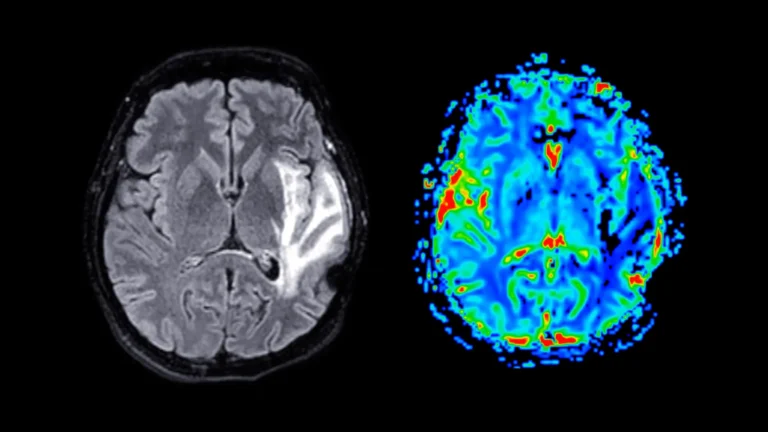
The ongoing quest for effective interventions against Alzheimer’s disease (AD), a debilitating neurodegenerative condition characterized by progressive impairment of memory, cognition, and behavioral functions, has yielded a potentially significant discovery from an unexpected source: the humble Aloe vera plant. While widely recognized for its topical applications in skincare, this succulent species harbors a complex array of natural phytochemicals that possess intriguing biological activities, some of which are now being explored for their therapeutic relevance in neurological disorders. A recent scientific investigation has illuminated specific compounds within Aloe vera that demonstrate remarkable potential in targeting key pathological pathways implicated in Alzheimer’s disease, offering a novel avenue for future drug development.
This groundbreaking research, detailed in a publication within the journal Current Pharmaceutical Analysis, meticulously explored the interactions between select Aloe vera constituents and critical enzymatic targets associated with the progression of Alzheimer’s. Employing sophisticated computational modeling techniques, the research team delved into the theoretical capacity of these plant-derived molecules to modulate enzymatic activities that contribute to synaptic dysfunction and cognitive decline in individuals afflicted with AD. The study’s focus was particularly drawn to the intricate molecular dance occurring within the brain, where imbalances in neurotransmitter systems are a hallmark of the disease.
Central to the study’s methodology was the investigation of two principal enzymes: acetylcholinesterase (AChE) and butyrylcholinesterase (BChE). These enzymes are intrinsically involved in the enzymatic hydrolysis of acetylcholine, a vital neurotransmitter essential for neuronal communication, learning, and memory formation. In the context of Alzheimer’s disease, there is a marked depletion of acetylcholine levels, which directly correlates with the observed deficits in memory and overall cognitive function. Consequently, therapeutic strategies aimed at inhibiting the activity of AChE and BChE have been a cornerstone of current Alzheimer’s pharmacotherapy, as their inhibition can help to preserve available acetylcholine, thereby ameliorating some of the symptomatic manifestations of the disease.
To meticulously dissect these enzymatic interactions without the immediate need for extensive laboratory procedures, the researchers leveraged the power of in silico methodologies. This computational approach allows for the virtual screening and prediction of molecular behavior within biological systems, enabling scientists to efficiently identify promising candidates for further experimental validation. As Meriem Khedraoui, the principal investigator of this study, elucidated, "Our findings indicate that Beta sitosterol, one of the compounds identified in Aloe vera, exhibits substantial binding affinity and inherent stability when interacting with these enzymes, positioning it as a compelling prospect for subsequent drug discovery endeavors." This initial computational assessment provides a critical foundation for directing more resource-intensive experimental work.
The investigative framework involved the application of advanced computational techniques, specifically molecular docking and molecular dynamics simulations. Molecular docking serves as a predictive tool to ascertain the precise manner in which a given compound might physically interface with the active site of an enzyme, assessing the complementarity of their three-dimensional structures. Following this, molecular dynamics simulations provide a temporal dimension, allowing researchers to observe the longevity and robustness of these predicted interactions, thereby evaluating the stability of the compound-enzyme complex over time. This dual approach offers a comprehensive virtual assessment of potential therapeutic efficacy.
Among the diverse array of Aloe vera compounds subjected to this rigorous computational scrutiny, Beta sitosterol emerged as a standout performer. Its interaction with AChE demonstrated a calculated binding affinity of -8.6 kcal/mol, while its engagement with BChE registered at -8.7 kcal/mol. These figures signify a notably stronger propensity for Beta sitosterol to bind to both enzymes compared to other evaluated compounds, including Succinic acid. Such potent binding interactions are strongly indicative of the compound’s potential to effectively impede the enzymatic activity responsible for acetylcholine breakdown. Khedraoui further emphasized the significance of these findings, noting, "These results underscore the potential of Beta sitosterol to act as a dual inhibitor, a characteristic that could prove instrumental in the comprehensive management of Alzheimer’s disease." The ability to target both key enzymes simultaneously offers a more multifaceted approach to therapeutic intervention.
Beyond the direct assessment of enzymatic inhibition, the research extended to evaluating the pharmacological properties of these compounds, specifically their potential safety and pharmacokinetic profiles if developed into pharmaceutical agents. This crucial aspect was addressed through comprehensive ADMET (Absorption, Distribution, Metabolism, Excretion, and Toxicity) analysis. The ADMET framework is indispensable in preclinical drug development, as it provides predictive insights into how a potential drug candidate would behave within the human body, from its initial uptake to its eventual elimination, and crucially, whether it poses any undue risk of adverse effects at therapeutic concentrations.
The outcomes of the ADMET analysis revealed that both Beta sitosterol and Succinic acid exhibited favorable predictive profiles. These findings suggest that these compounds possess characteristics conducive to good oral absorption, indicating they could be effectively taken up by the body. Furthermore, their predicted metabolic pathways and excretion routes appear promising, and importantly, they demonstrated a low likelihood of inducing toxicity at anticipated therapeutic doses. Samir Chtita, another contributor to the study, commented on these findings, stating, "The thoroughness of this comprehensive analysis bolsters the viability of these compounds as potential therapeutic agents that are both safe and efficacious." This dual assurance of efficacy and safety is paramount in the journey from laboratory discovery to clinical application.
While the current findings represent a significant and encouraging step forward in the exploration of plant-derived therapeutics for Alzheimer’s disease, the research team is keen to underscore the preliminary nature of these discoveries. Given that the study was predominantly reliant on computational simulations, the subsequent phases of research are critically dependent on empirical validation. Rigorous laboratory-based experiments are now imperative to confirm the predicted enzyme inhibition and pharmacokinetic properties. Furthermore, comprehensive clinical trials in human subjects will be indispensable to definitively establish the efficacy and safety of these Aloe vera compounds in individuals living with Alzheimer’s disease.
Nevertheless, this pioneering study has successfully laid a robust groundwork for future investigations into phytotherapy for Alzheimer’s. The innovative in silico approach adopted by the researchers offers a highly promising trajectory for the discovery and development of novel therapeutic strategies aimed at combating this complex and devastating neurological condition. The exploration of natural products, such as those found in Aloe vera, continues to offer a rich and largely untapped reservoir of potential therapeutic agents, promising to diversify and enhance our armamentarium against diseases like Alzheimer’s.
About the Author