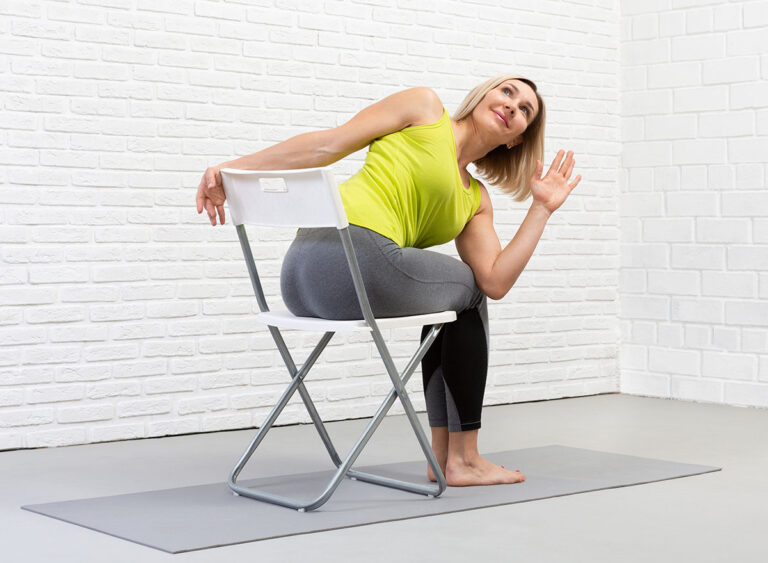
As individuals transition into their mid-fifties and beyond, maintaining robust lower body strength becomes an increasingly critical, yet often overlooked, aspect of overall health and independence. The thighs, encompassing the powerful quadriceps at the front and hamstrings at the rear, represent a significant proportion of the body’s total muscle mass. Their strength is not merely about athletic prowess; it fundamentally underpins daily activities, dictating the ease with which one rises from a chair, navigates stairs, maintains balance, and ultimately sustains an active, autonomous lifestyle. Contrary to common misconceptions that link effective leg training solely to strenuous gym sessions and heavy weights, an accessible, equipment-free, eight-minute morning routine can significantly restore and enhance thigh strength, offering a powerful antidote to age-related decline.
The physiological changes associated with aging, particularly after the age of 55, frequently involve a progressive loss of muscle mass and power, a condition scientifically termed sarcopenia. This process typically sees individuals lose approximately 1-2% of their total muscle mass annually. However, the decline in muscular power—the capacity to generate force rapidly—often accelerates at double that rate. This distinction is crucial; while muscle size contributes to strength, muscle power is what enables quick reactions, such as catching oneself during a stumble or pushing off quickly from a low seat. The deterioration of this fast-twitch muscle fiber function explains why simple actions like standing up from a low sofa or ascending a flight of stairs can become perceptibly more challenging and less fluid.
When thigh muscles weaken, a cascade of compensatory behaviors often follows. Individuals might unconsciously begin to rely on their arms to push themselves out of chairs, avoid stairs in favor of elevators, or steady themselves against furniture while moving around their homes. These adaptations, while seemingly minor, erode confidence and independence over time. Beyond the direct impact on mobility, compromised leg strength significantly impairs balance, elevating the risk of falls. The quadriceps, for instance, are instrumental in stabilizing the knee joint and absorbing impact, acting as a natural brake to prevent buckling during unexpected movements. Research consistently demonstrates a strong correlation between robust lower body strength and a reduced incidence of falls, directly contributing to extended periods of independent living. Indeed, the ability to rise unaided from a chair by age 60 is a potent predictor of sustained functional independence well into the seventies, underscoring the long-term implications of maintaining thigh strength.

Furthermore, the large muscle groups in the thighs play a pivotal role in metabolic health. Engaging and building these muscles helps to sustain a higher basal metabolic rate, which is the number of calories your body burns at rest. As people age, metabolism naturally slows, making weight management and maintaining energy levels more difficult. Regular stimulation of the thigh muscles can counteract this slowdown, contributing to better body composition and sustained vitality.
The strategy of incorporating a bodyweight routine into the morning hours offers multiple advantages for adults aiming to revitalize their leg strength. Committing to exercise early in the day capitalizes on a period when mental resolve is typically highest, before the daily stresses and competing demands can deplete motivation. This approach fosters consistency, transforming physical activity into an ingrained habit rather than a daily negotiation. From a safety perspective, bodyweight exercises are inherently self-limiting. The resistance is your own body, making it exceedingly difficult to overload muscles or joints beyond their current capacity, thereby significantly reducing the risk of injury—a paramount concern for older adults.
Moreover, bodyweight training inherently cultivates functional strength, translating directly to real-world movements rather than isolated muscle development. The movements practiced—squatting, lunging, stepping—are precisely those required for navigating daily life with ease and confidence. This form of exercise also enhances neuromuscular coordination, teaching the brain and muscles to communicate and activate in the correct sequence, which is vital for maintaining balance, agility, and overall movement control. This refined coordination is a powerful defense against falls and helps individuals move through their environment with greater assurance. A brief, focused morning routine also delivers a tangible metabolic boost, with studies indicating that even short bursts of intense activity can elevate metabolism for several hours post-exercise, leading to increased calorie expenditure throughout the day. For individuals embarking on or returning to an exercise regimen, bodyweight movements provide a safe, scalable foundation that gradually builds strength and confidence without the need for expensive gym memberships or specialized equipment.
The following six exercises, performed in a circuit format, are specifically chosen for their efficacy in targeting the major muscle groups of the thighs, glutes, and calves, while simultaneously improving balance and functional movement patterns. Each exercise is performed for a set duration, followed by a brief rest, ensuring a continuous, efficient workout.
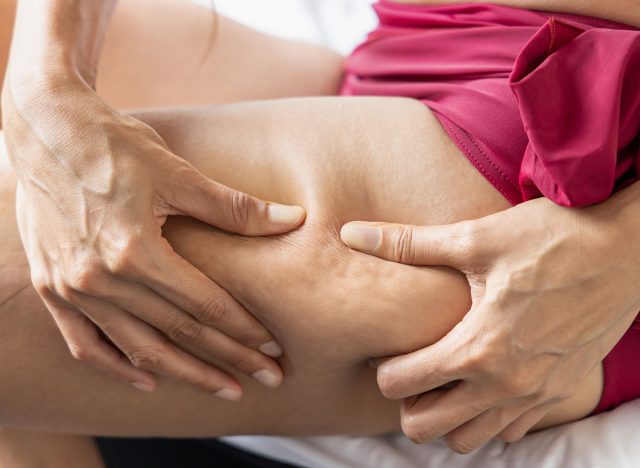
1. Chair Stands: This fundamental exercise directly mimics the everyday action of sitting and standing, making it profoundly functional. It engages the quadriceps, glutes, and hamstrings, improving the explosive power needed to rise from a seated position.
- Execution: Begin seated in a sturdy chair, feet hip-width apart, knees bent at 90 degrees. Lean slightly forward from the hips, engage your core, and push through your heels to stand up without using your hands if possible. Slowly and with control, lower yourself back down until you lightly tap the chair before rising again.
- Modification: For beginners, fully sit and rest for a moment between repetitions. Gradually progress to just tapping the chair. Using a higher chair or a counter can make the movement easier initially.
- Duration: 30 seconds (aim for 8-12 repetitions).
- Tip: Keep your weight grounded in your heels; if they lift, you’re leaning too far forward.
2. Static Wall Sit: An excellent isometric exercise, the wall sit builds endurance in the quadriceps and strengthens the muscles around the knee joints. This sustained effort capability translates to prolonged standing or walking without fatigue.
- Execution: Stand with your back flat against a wall, feet shoulder-width apart, about two feet from the wall. Slowly slide down the wall until your knees are bent at approximately a 90-degree angle, as if sitting in an invisible chair. Ensure your thighs are parallel to the floor and your back remains pressed against the wall. Hold this position.
- Modification: If a 90-degree angle is too challenging, slide up the wall slightly to a more comfortable position (e.g., 45 degrees).
- Duration: Hold for 30 seconds.
- Tip: Your thighs should feel engaged but not intensely burning. Adjust depth as needed.
3. Standing Marching: This dynamic exercise enhances hip flexor and quadriceps strength, alongside crucial improvements in balance and coordination. It directly mimics the stepping motion used in walking and climbing stairs.
- Execution: Stand tall with your feet hip-width apart, engaging your core. Slowly lift one knee towards your chest, aiming for hip height, while maintaining balance. Hold briefly at the top, then slowly lower the leg back to the starting position. Alternate legs, performing a controlled marching motion.
- Modification: Hold onto a chair or wall for stability. Lift your knee only as high as comfortable, gradually increasing height as strength improves.
- Duration: 30 seconds per leg (60 seconds total).
- Tip: Focus on the brief pause at the peak of each knee lift to maximize balance benefits.
4. Heel Raises: Often overlooked, strong calf muscles are indispensable for walking, propulsion, and maintaining balance. Heel raises directly strengthen the gastrocnemius and soleus, supporting overall lower body function.

- Execution: Stand with feet hip-width apart, facing a wall or sturdy surface for support if needed. Slowly lift onto the balls of your feet, raising your heels as high as possible. Hold briefly at the top, then slowly lower your heels back to the floor with control.
- Modification: If balance is challenging, use both hands for support. For seated variation, perform while sitting, lifting heels with toes on the floor.
- Duration: 30 seconds (aim for 15-20 repetitions).
- Tip: Emphasize the one-second hold at the highest point to build strength.
5. Reverse Lunges: This single-leg exercise builds vital unilateral strength and stability in the hips and knees, critical for preventing falls and navigating uneven terrain. Stepping backward is generally kinder to the knees than forward lunges.
- Execution: Stand tall, feet hip-width apart. Step one leg directly backward, lowering your hips until both knees are bent at approximately 90-degree angles. Ensure your front knee stays aligned over your ankle and your back knee hovers just above the floor. Push through your front heel to return to the starting position. Alternate legs.
- Modification: Use a chair or wall for balance. Begin with a smaller step back and less knee bend, gradually increasing depth as comfort and strength allow.
- Duration: 30 seconds per leg (60 seconds total).
- Tip: Think of it as a controlled step-back rather than a deep lunge to prioritize balance and form.
6. Bodyweight Squats: The foundational movement for lower body strength, squats engage nearly all major leg and gluteal muscles, crucial for sitting, standing, and lifting objects from the floor.
- Execution: Stand with feet shoulder-width apart, toes pointed slightly outward. Keeping your chest up and core engaged, initiate the movement by pushing your hips back as if you’re sitting into a chair. Lower down until your thighs are parallel to the floor, or as deep as comfortable while maintaining good form. Push through your heels to return to the standing position.
- Modification: Use a chair as a depth target, lightly tapping it with your glutes before rising. Hold onto a door frame or sturdy furniture for added balance and support.
- Duration: 30 seconds (aim for 8-12 repetitions).
- Tip: Lead with your hips, imagining you’re reaching for a chair behind you, to properly load the glutes and thighs.
Structuring the Circuit:
This routine is designed as a circuit to maintain an elevated heart rate and maximize efficiency. Perform each exercise for the specified duration, followed by a 15-second rest period, then move directly to the next exercise.
- Chair Stands: 30 seconds
- Rest: 15 seconds
- Static Wall Sit: 30 seconds
- Rest: 15 seconds
- Standing Marching: 60 seconds (30 per leg)
- Rest: 15 seconds
- Heel Raises: 30 seconds
- Rest: 15 seconds
- Reverse Lunges: 60 seconds (30 per leg)
- Rest: 15 seconds
- Bodyweight Squats: 30 seconds
- Rest: 15 seconds
Completing this sequence constitutes one full round, lasting approximately four minutes. Repeat the entire circuit once more for a total workout duration of just under eight minutes. For those new to exercise or significantly deconditioned, beginning with just one round for the first week or two is advisable, gradually adding the second round as strength and stamina improve. Prioritizing correct form and controlled movements over speed is paramount; if longer rest periods (e.g., 20-25 seconds) are needed initially, take them.
Progression Over 4-8 Weeks:
Consistent application of this routine will yield progressive improvements.
- Weeks 1-2: Habit Formation & Movement Mastery. Focus on establishing the routine 4-5 mornings per week. Concentrate on learning the movement patterns and maintaining proper form, rather than striving for maximum repetitions or depth. The primary goal is consistent adherence.
- Weeks 3-4: Gradual Increase in Range of Motion. As movements become more comfortable, gently increase the depth of squats and lunges, or hold the wall sit at a lower angle. For balance-dependent exercises, gradually reduce reliance on support (e.g., transition from two hands to one, or light fingertip contact).
- Weeks 5-6: Volume Expansion. Consider adding a third circuit to the routine, extending the workout to approximately 12 minutes. This increases overall work capacity. If a full third circuit feels excessive, add 3-4 exercises as a mini-round.
- Weeks 7-8: Intensity Enhancement. Elevate the challenge for individual exercises. For chair stands, utilize a lower chair or remove the chair entirely for squats to a specific depth. Extend wall sit holds to 45-60 seconds. Increase the step-back distance for reverse lunges. Introduce a 2-second pause at the bottom of bodyweight squats. Throughout this period, monitor progress through increased repetitions, improved form, reduced need for support, or simply a feeling of greater ease with the movements. Gradual, sustained improvement is the objective, not rapid acceleration.
Expected Transformations Within 30 Days:
The benefits of this consistent regimen are often surprisingly rapid and profound.
- Within 5-7 days, individuals frequently report a noticeable ease when rising from chairs, often without needing to use their hands or generate momentum. This immediate improvement stems from neural adaptations, where the nervous system becomes more efficient at activating the thigh muscles, rather than significant muscle growth.
- By days 10-14, improvements in muscular endurance become apparent. Activities like climbing stairs will feel less taxing, and legs will exhibit greater stability. Extended periods of standing or walking will cause less fatigue.
- Around week 3, many begin to observe subtle visible changes. Thighs may appear more defined, particularly around the quadriceps above the knees, and feel firmer to the touch. While circumference measurements might not drastically change initially (as muscle density increases while fat may decrease), the qualitative feel of the muscle will be different.
- By day 30, exercises that initially seemed daunting will often feel manageable. Individuals who required significant balance support for lunges might now perform them with minimal assistance. Wall sit holds will extend, and chair stands will feel almost effortless.
Functionally, this translates to a profound boost in confidence and autonomy in daily life. Navigating in and out of a car becomes easier, the thought of sitting on the floor to engage with grandchildren no longer brings apprehension about getting back up, and climbing stairs can be done without tightly gripping a railing. These seemingly minor shifts collectively represent a significant upgrade in quality of life, transforming feelings of fragility into a sense of capability and strength. When combined with mindful nutrition, consistent engagement can also contribute to improved body composition, potentially leading to a reduction of 1-2 inches around the thighs as body fat diminishes and muscle mass increases, resulting in clothing fitting with a more athletic and firm feel.
About the Author