

As individuals navigate the landscape of life beyond 55, maintaining robust physical health, particularly core strength, often becomes a focal point of wellness discussions. The natural physiological shifts that occur with aging, such as a gradual decrease in muscle mass (sarcopenia) and changes in body composition, can contribute to diminished abdominal tone and an increased propensity for central fat accumulation. However, the pursuit of a strong, stable midsection and a more defined waistline does not necessitate rigorous, high-impact routines or extensive time commitments. A growing body of evidence, supported by insights from experienced fitness professionals, highlights the profound efficacy of targeted, time-efficient exercise protocols, especially those that leverage the accessibility and support of a simple chair.
The core musculature, comprising the abdominal muscles, obliques, lower back, and pelvic floor, serves as the body’s central powerhouse. Its strength is paramount not merely for aesthetic purposes but for fundamental functional movement, spinal stability, balance, and overall quality of life. A well-conditioned core provides crucial support for the spine, mitigating the risk of lower back pain, a common complaint among older adults. Furthermore, it plays a vital role in maintaining good posture, which can often decline with age due to muscle imbalances and prolonged sedentary habits. A strong core is also intrinsically linked to improved balance and coordination, reducing the likelihood of falls, a significant health concern in later years. From a metabolic standpoint, reducing excess abdominal fat, particularly visceral fat that surrounds internal organs, is critical for mitigating risks associated with various chronic diseases, including type 2 diabetes and cardiovascular conditions.

Many adults over 55 find traditional floor-based exercises challenging due to joint discomfort, mobility limitations, or simply the effort required to get down and up. This is where seated core training emerges as an exceptionally valuable and inclusive approach. By utilizing a sturdy chair, individuals can engage their abdominal muscles effectively while minimizing stress on the hips, knees, and spine. This supported position allows for a heightened focus on muscle activation and control, fostering a deeper mind-muscle connection without the added demands of stabilizing the entire body against gravity in a prone or supine position. Trainers working with diverse populations, including those in their fifties, sixties, and beyond, frequently observe that seated exercises empower clients to "feel" their core working almost immediately, cultivating early successes that fuel motivation and adherence to a consistent fitness regimen. This method creates an optimal environment for cultivating strength and endurance within the midsection, making it an ideal starting point for many or a supplementary tool for busy schedules.
A particularly effective and easily integrated protocol, designed to address abdominal conditioning, involves a mere six minutes of focused seated work. This routine, requiring nothing more than a stable chair, capitalizes on short, intense intervals to enhance muscular endurance and build functional strength throughout the midsection. The structure is intentionally simple to promote consistent engagement: two distinct seated core movements are performed consecutively for 30 seconds each, followed by a brief 30-second rest period. This sequence constitutes one round, and the entire routine is completed by performing three such rounds. The emphasis during each interval should be on maintaining an upright posture through the torso and actively bracing the core, maximizing the engagement of the targeted muscle groups.
Let us delve into the specifics of the two foundational exercises that form the core of this brief but impactful regimen:
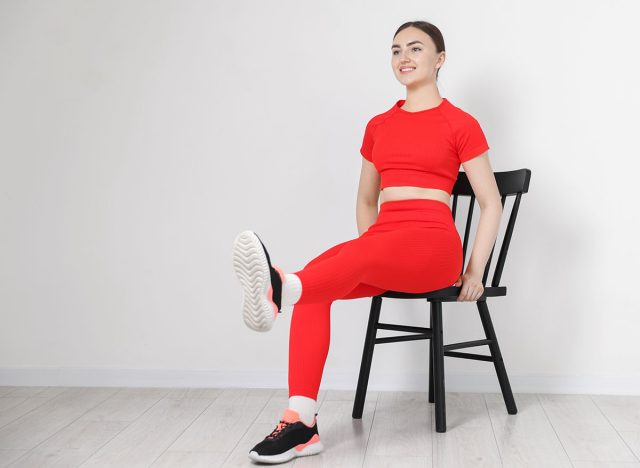
1. Seated Flutter Kicks:
This exercise primarily targets the lower abdominal region and simultaneously challenges the endurance of the hip flexor muscles. The lower portion of the core often experiences a decline in strength with age, contributing to a less toned appearance in the lower abdomen. Seated flutter kicks directly counter this trend by engaging these deep-seated muscles without requiring individuals to lie on the floor, making it accessible for those with back or mobility concerns. Beyond aesthetics, strengthening this area enhances core stabilization during dynamic leg movements, which translates directly to improved efficiency and safety in daily activities like walking, climbing stairs, or simply standing up from a seated position. The immediate feedback most individuals experience in their abdominal muscles makes this an excellent foundational movement for building core awareness.
- Execution Guide: Begin by sitting upright on the edge of a sturdy chair, ensuring your back is straight and your shoulders are relaxed. Engage your abdominal muscles by drawing your navel towards your spine. Slightly recline your torso backward, maintaining a neutral spine, and place your hands on the sides of the chair for support, or underneath your glutes if preferred. Lift both feet slightly off the floor. From this position, alternate small, controlled up-and-down movements with your legs, mimicking a swimming kick. The movement should originate from the hips, and the kicks should be small and rapid. Crucially, keep your core engaged throughout to prevent arching your lower back. Breathe steadily and deeply.
- Variations for Progression/Regression: For increased difficulty, try extending your legs further or performing the kicks with less reliance on hand support. To modify, perform smaller kicks or rest one foot lightly on the floor if balance is a concern.
2. Seated Knee Tucks:

The seated knee tuck is a comprehensive core exercise that demands simultaneous contraction and controlled movement from the entire midsection. It specifically targets the deep abdominal muscles, including the transverse abdominis, which are instrumental in flattening the waistline and providing robust support for the lumbar spine. Many adults inadvertently neglect proper core bracing during everyday actions, and this exercise serves as an excellent training tool to cultivate that essential skill within a joint-friendly position. The effectiveness of knee tucks in delivering a potent core stimulus within a short timeframe makes them an invaluable component of any quick daily routine.
- Execution Guide: Position yourself on the edge of the chair, sitting tall with an engaged core. Your feet should be flat on the floor, hip-width apart. Place your hands on the sides of the chair for stability. Inhale deeply, then as you exhale, actively draw both knees towards your chest simultaneously. As your knees come up, gently round your lower back slightly, crunching your abdominal muscles to bring your torso closer to your thighs. Focus on initiating the movement from your core, not just your hip flexors. Inhale as you slowly extend your legs back to the starting position, ensuring your feet do not touch the floor if possible, maintaining tension in your core. Control the descent to maximize muscle engagement.
- Variations for Progression/Regression: To intensify the exercise, try performing the knee tucks without using your hands for support, or even extending your legs straight out before tucking them back in. For a simpler version, perform one knee tuck at a time, alternating legs, or allow your feet to briefly touch the floor between repetitions if needed.
While a targeted exercise routine is a powerful catalyst for change, its effectiveness is significantly amplified when integrated into a broader framework of supportive daily habits. Achieving a firmer midsection and improving overall health after 55 is a holistic endeavor that extends beyond the six minutes of dedicated core work. Individuals who experience the most pronounced and lasting transformations typically commit to a handful of high-impact behaviors that consistently reinforce their physical efforts. It’s not about an immediate, overwhelming lifestyle overhaul, but rather about cultivating sustainable practices that complement the physical training.
- Prioritizing Nutritional Awareness: A balanced dietary approach is fundamental for managing body composition. This involves emphasizing whole, unprocessed foods, lean proteins, ample fiber from fruits, vegetables, and whole grains, and healthy fats. Adequate protein intake is particularly crucial for preserving and building muscle mass, which naturally declines with age. Reducing consumption of added sugars and refined carbohydrates helps stabilize blood sugar levels and minimizes fat storage, especially around the midsection.
- Optimal Hydration: Drinking sufficient water throughout the day is essential for metabolic function, nutrient transport, and satiety. Often, feelings of hunger can be mistaken for thirst, leading to unnecessary caloric intake. Hydration also supports joint health and energy levels, making it easier to stay active.
- Ensuring Adequate Sleep: Quality sleep plays a critical role in hormonal regulation, impacting appetite and metabolism. Chronic sleep deprivation can elevate cortisol levels (a stress hormone), which is linked to increased abdominal fat storage. Aim for 7-9 hours of restful sleep nightly to support your body’s recovery and fat-loss efforts.
- Effective Stress Management: Similar to sleep, managing stress is vital. Chronic stress triggers the release of cortisol, which can promote the accumulation of visceral fat. Incorporating stress-reducing practices such as meditation, deep breathing exercises, spending time in nature, or engaging in hobbies can significantly contribute to overall well-being and body composition goals.
- Consistent General Physical Activity: Beyond the targeted core routine, incorporating regular, moderate physical activity into daily life is crucial. This doesn’t necessarily mean intense gym sessions; even consistent walking, gardening, cycling, or swimming can make a substantial difference. Aim for at least 150 minutes of moderate-intensity aerobic activity per week, in addition to strength training, to boost calorie expenditure, improve cardiovascular health, and maintain muscle mass.
The journey toward improved core strength and a more defined waistline is one that rewards patience and consistency. By faithfully incorporating this six-minute seated core routine and consciously integrating these supportive lifestyle habits, individuals over 55 can realistically anticipate notable improvements in core engagement, enhanced posture, and a perceptibly firmer feeling throughout their midsection. The cumulative effect of these small, consistent efforts can lead to significant and sustainable advancements in both physical appearance and overall health.
About the Author