As individuals navigate the physiological shifts that accompany aging, particularly after the age of 50, the pursuit of optimal body composition and metabolic health often necessitates a re-evaluation of traditional exercise paradigms. While high-impact activities like running have long been championed for cardiovascular fitness and calorie expenditure, their efficacy and sustainability for an aging demographic, especially concerning stubborn visceral fat, warrant closer scrutiny. Emerging evidence and expert consensus suggest that a more nuanced, intentional approach to movement, specifically through strategically modified walking, can yield superior results for core strengthening and fat oxidation, all while safeguarding joint health and mitigating stress responses.
The conventional wisdom that equates strenuous, high-impact exercise with maximum fat loss can be counterproductive for those in their fifth decade and beyond. The cumulative stress placed on joints—knees, hips, and the lumbar spine—during prolonged running can lead to discomfort, injury, and a decreased likelihood of consistent adherence. Moreover, the body’s hormonal response to high-intensity, sustained cardiovascular effort, particularly if coupled with insufficient recovery or pre-existing stress, can elevate cortisol levels. Chronic elevation of this stress hormone is intimately linked with increased accumulation of visceral fat, the metabolically active fat stored deep within the abdominal cavity, which poses significant health risks. Therefore, for many individuals over 50, the very act intended to reduce abdominal fat might inadvertently exacerbate its storage by triggering an adverse hormonal cascade.
In contrast, walking, when elevated from a mere stroll to a purposeful, biomechanically informed exercise, offers a powerful alternative. This approach leverages the body’s natural mechanics to foster a physiological state conducive to fat burning and muscle preservation, sidestepping the joint strain and potential cortisol spikes associated with higher-impact modalities. The key lies not in the sheer volume or speed of miles covered, but in the deliberate engagement of core musculature, precise postural control, enhanced coordination, and targeted lower-body activation. By integrating these elements, walking transforms into a dynamic, full-body workout that consistently recruits the midsection for stabilization, drawing energy from stored fat reserves rather than depleting lean muscle mass. This intelligent movement strategy not only sculpts the waistline but also provides crucial protection for vulnerable joints and the spinal column, retraining the body for efficient fat metabolism rather than just surviving an arduous workout.
The following five walking methodologies represent a significant upgrade from typical ambulatory practices, designed to amplify muscular recruitment and sustain an elevated metabolic rate long after the activity concludes. These techniques require no specialized equipment, impose minimal impact, and focus on precise movements that fortify the core and facilitate targeted abdominal fat reduction in a scientifically sound manner.
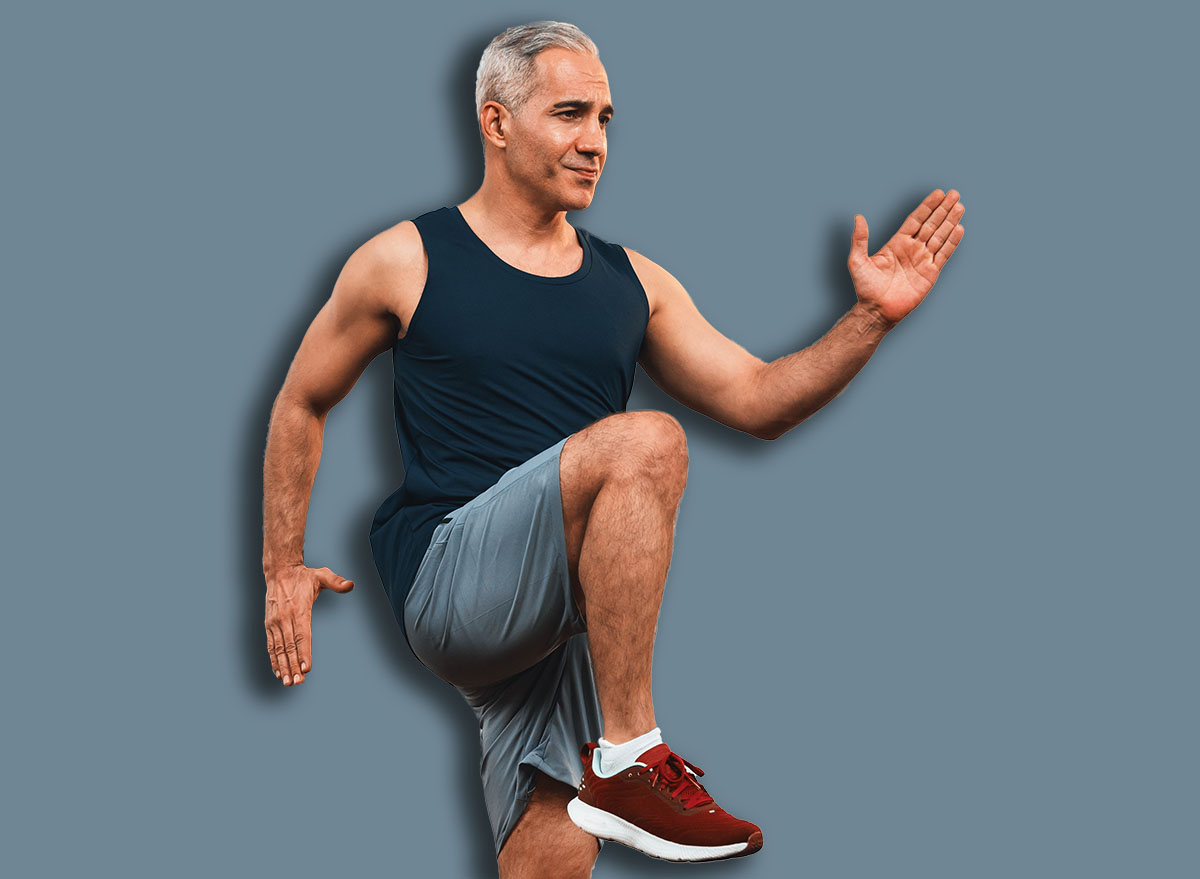
1. High-Knee Power Walks: Activating the Core and Hips
This sophisticated walking variation transcends simple locomotion, evolving into a potent full-body strength and conditioning exercise. The deliberate act of driving the knees high with each step redirects the workload away from the joints and into the powerful musculature of the abdomen, hip flexors, and glutes. These muscle groups play an indispensable role in achieving a flatter, stronger midsection, particularly as the body ages. The demand for an upright, elongated posture during high-knee power walks necessitates continuous engagement of the abdominal muscles, effectively cinching the waist while simultaneously safeguarding spinal integrity. Unlike the repetitive impact of running, this movement pattern sustains a high level of muscular tension and activation without the associated mechanical stress, making it an ideal candidate for daily fat loss protocols. When executed with precision and conscious muscular intent, high-knee power walks convert an ordinary stroll into a highly efficient, calorie-combusting engine that systematically targets and reduces stubborn visceral fat. This exercise also enhances proprioception and balance, crucial elements for active aging.
2. Arm-Driven Speed Walks: Harnessing Upper Body Momentum
A common oversight in typical walking routines is the passive role of the upper limbs, which represents a missed opportunity for enhanced caloric expenditure and core engagement. Arm-driven speed walks rectify this by transforming the upper body into a metabolic accelerator. The powerful, rhythmic swinging of the arms, originating from the shoulders rather than just the elbows, generates a rotational force that the core must actively resist and stabilize. This constant stabilization effort profoundly engages the deep muscles that encircle the waist, including the obliques and transverse abdominis, leading to a noticeable tightening effect. The increased cadence facilitated by robust arm movement elevates the heart rate efficiently without imposing additional impact on the lower body joints, maintaining a high rate of fat oxidation in a joint-friendly manner. Over time, consistent practice of this dynamic walking style can condition the body to expend more calories at moderate speeds than would be possible through traditional running, making it an exceptionally efficient strategy for sustained fat loss. Furthermore, improved arm swing contributes to overall gait efficiency and coordination.
3. Incline Walking Holds: Gravity-Assisted Core Engagement
Introducing an incline to the walking regimen significantly amplifies abdominal engagement by forcing the core musculature to actively counteract the pull of gravity. The subtle forward lean naturally adopted during incline walking specifically recruits the deep core stabilizers, which are instrumental in supporting the spine and drawing the midsection inward. Maintaining a consistent pace on an incline prioritizes muscular endurance and strength under load over high-impact joint stress, positioning it as a superior method to flat-surface running for targeted belly fat reduction. This exercise effectively teaches the body to oxidize fat while simultaneously building robust, controlled strength, contributing to improved posture and reduced back pain. Whether on a treadmill or an outdoor hill, the sustained effort fosters greater energy expenditure and strengthens the posterior chain (glutes, hamstrings), further contributing to a higher metabolic rate.
4. Lateral Walking Steps: Multi-Planar Core Activation
Traditional forward-moving walking often neglects crucial muscle groups responsible for lateral stability and multi-planar movement. Lateral walking steps specifically address this by engaging muscles that are frequently underutilized, including the abductors and adductors of the hips, as well as the obliques and deep core stabilizers. This side-to-side motion demands continuous stabilization from these muscles, creating a potent "cinching" effect around the waistline. Beyond its direct impact on core sculpting, lateral walking significantly enhances hip stability, which in turn improves overall walking efficiency, reduces the risk of falls, and optimizes fat-burning potential. Because the movement remains controlled and grounded, joint integrity is maintained while the midsection is compelled to work intensely. Incorporating lateral movements into a fitness routine is vital for developing well-rounded functional strength and preventing imbalances that can lead to injury.
5. Weighted Carry Walks (Optional Load): Functional Strength and Metabolic Boost
The simple act of carrying an external load while walking transforms the core into a formidable stabilizing powerhouse. Whether performed unilaterally (one side) or bilaterally (both sides), the added weight, especially if unevenly distributed, forces the abdominal muscles, particularly the obliques and transverse abdominis, to fire continuously to maintain an upright and balanced torso. This constant engagement efficiently burns stomach fat with every single step. This drill authentically mimics real-life strength demands—such as carrying groceries or luggage—while preserving a slow, controlled, and low-impact movement pattern. Even a relatively light load can induce a profound metabolic effect that surpasses the caloric expenditure of running, all without the detrimental wear and tear on joints. Different carrying methods, such as the farmer’s carry (weights at sides), suitcase carry (weight on one side), or overhead carry, each offer unique challenges and benefits, contributing to grip strength, shoulder stability, and overall functional robustness. It is crucial to begin with manageable weights and prioritize impeccable form to maximize benefits and prevent injury.
Integrating for Holistic Well-being
These advanced walking drills are not merely isolated exercises; they represent an integrated approach to fostering holistic functional fitness. Their synergistic benefits extend far beyond targeted fat reduction, contributing to improved balance, enhanced muscular endurance, stronger bones, and a reduced risk of chronic diseases commonly associated with aging. Consistency in practice, coupled with a mindful approach to progressive overload—whether through increased duration, intensity, incline, or added weight—is paramount for sustained results. Equally important is listening to one’s body and ensuring adequate recovery. Beyond the physical transformations, the regular engagement in these purposeful walking activities also offers significant psychological benefits, including stress reduction, mood elevation, and a greater sense of self-efficacy, all of which contribute to long-term adherence to a healthy lifestyle.
In conclusion, for individuals over 50 seeking effective and sustainable strategies for abdominal fat reduction and enhanced metabolic health, a paradigm shift from high-impact endurance activities to intelligently structured walking is increasingly advisable. By embracing these advanced ambulatory techniques, one can unlock a powerful, joint-friendly pathway to a leaner physique, stronger core, and a more vibrant, active future, proving that smart movement truly triumphs over mere exertion.
About the Author