Beyond Fifty: Four Functional Standing Exercises to Rebuild Muscle, Boost Metabolism, and Enhance Body Firmness.

As individuals advance into their fifties, a noticeable transformation in body composition frequently emerges, often leading to a perceived decrease in physical firmness and an altered silhouette. This shift is not solely attributable to dietary choices or a decline in personal discipline; rather, it is predominantly driven by fundamental physiological changes inherent to the aging process. The primary factor behind this evolving physique is sarcopenia, the progressive and involuntary loss of skeletal muscle mass, strength, and function. While muscle degradation typically commences in the third decade of life, its acceleration becomes more pronounced after age 40, reaching a significant pace by the fifth decade. This reduction in lean muscle tissue has far-reaching implications, extending beyond mere aesthetics to impact metabolic rate, functional capacity, and overall vitality.
A seasoned fitness expert with nearly four decades in the field, who also co-founded TRAINFITNESS, a prominent UK fitness education provider, highlights that diminished muscle mass is the chief culprit behind the softening of the body observed in those over fifty. He asserts that a focused regimen of four specific standing exercises, when performed consistently, can yield more reliable and efficient body firming results than many conventional group fitness classes. The core of the issue, as he explains, is often misidentified. Many attribute changes around the midsection, arms, and legs to an increase in fat, when in reality, it’s the underlying muscle atrophy that creates a less defined shape. The existing adipose tissue appears more prominent because there is less robust muscle structure beneath to provide support and contour.
This age-related muscle decline also has a profound impact on metabolic function. Less muscle tissue translates directly to a slower basal metabolic rate (BMR). Since muscle is metabolically active, burning more calories at rest than fat, a reduction in muscle mass means the body expends fewer calories daily. Consequently, consuming the same amount of food that once maintained a stable weight can now lead to fat accumulation. This metabolic deceleration often prompts individuals to mistakenly blame their diet, age, or lack of willpower, when the fundamental problem is a less efficient internal "engine." The specific regions where this loss of structural integrity becomes most apparent include the ventral aspect of the upper arms, the anterior abdominal wall (due to weakened deep core muscles), the gluteal region (resulting in a flattened appearance), and the thighs, which lose their inherent tone. These are precisely the areas that respond most effectively to targeted strength training interventions.
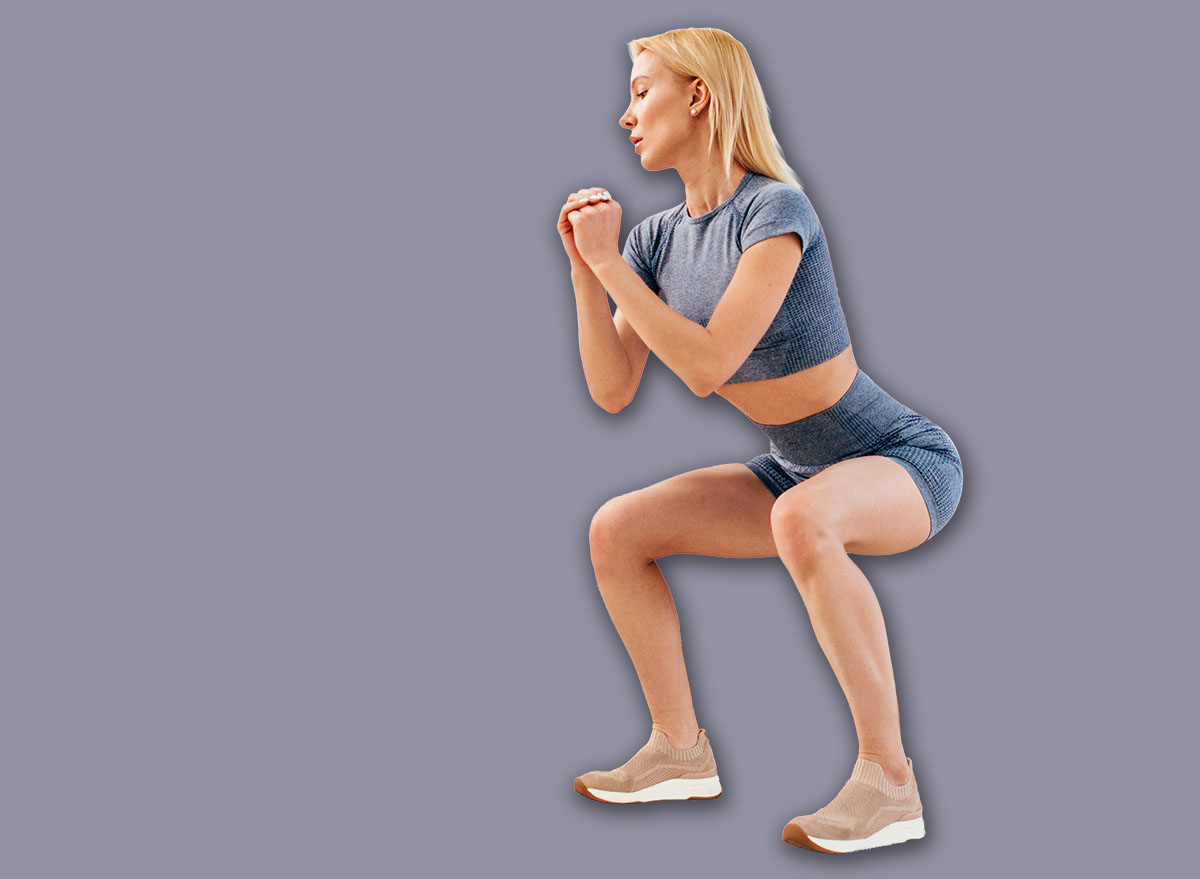
The unique effectiveness of standing, compound movements for this demographic stems from their inherent functional relevance and comprehensive muscle activation. Unlike isolated exercises that target single muscles, standing exercises like squats, lunges, presses, and rows engage multiple large muscle groups—including the legs, glutes, back, chest, and core—simultaneously. This integrated approach mirrors the natural movement patterns of daily life, such as rising from a chair, climbing stairs, or reaching for objects. By replicating these functional movements, individuals not only build strength but also enhance their ability to perform everyday activities with greater ease, confidence, and reduced risk of injury. This multi-joint, multi-muscle engagement also leads to a more efficient workout, maximizing muscle development within a shorter timeframe compared to many single-joint exercises often found in class settings.
Beyond the mechanical benefits, standing exercises offer significant metabolic advantages. When numerous large muscle groups are activated concurrently, the cardiovascular system is stimulated, elevating the heart rate. Crucially, the body perceives this effort not merely as pure cardiovascular exertion but as a significant demand on muscle tissue. This dual effect—a moderate increase in heart rate combined with extensive muscle activation—is pivotal for boosting metabolism. The metabolic rate is elevated not only during the exercise session but also for several hours afterward, a phenomenon known as Excess Post-exercise Oxygen Consumption (EPOC). In contrast, many choreographed cardio classes primarily focus on elevating heart rate without sufficient muscle stimulation to trigger substantial muscle hypertrophy or a lasting metabolic boost, meaning the desired body firming effects are often less pronounced.
Furthermore, the areas most profoundly impacted by these standing exercises correspond precisely to the regions individuals often wish to re-firm. The lower body, encompassing the legs and glutes, benefits immensely from squats and lunges. The chest and arms are sculpted through pressing movements, while the upper back and posterior shoulders are strengthened by rowing actions. Critically, the entire core musculature is engaged throughout all these exercises, as it must continually stabilize the torso and maintain upright posture while the limbs perform their work. This comprehensive core engagement is vital for overall stability, balance, and spinal health.
Another distinct advantage of a standing exercise regimen is its inherent potential for progressive overload, a fundamental principle of strength training. Unlike many group classes that often operate at a fixed intensity level, these functional movements can be continuously adapted to challenge the body as strength improves. Progress can be achieved by increasing the number of repetitions, slowing the tempo of movements, introducing light external resistance (such as dumbbells or resistance bands), or increasing the range of motion. This adaptability ensures that the muscles are consistently stimulated to grow stronger and more toned, preventing plateaus that can occur when the body fully adapts to a static routine.

Let’s delve into the four specific exercises championed by the expert for their transformative potential:
-
Bodyweight Squat: This foundational movement is arguably one of the most effective exercises for the lower body. It engages the body’s two largest muscle groups—the quadriceps, hamstrings, and glutes—in the natural pattern of sitting down and standing up. Beyond its role in firming the thighs and glutes, the sheer volume of muscle mass activated during squats makes it a powerful metabolic stimulant, significantly contributing to an elevated calorie burn. Regular squatting also improves hip and ankle mobility, enhances balance, and supports bone density, all critical aspects of healthy aging.
-
Reverse Lunge with Overhead Reach: This dynamic exercise offers a comprehensive full-body challenge. By working each leg independently, it intensifies the effort per minute and helps identify or correct muscular imbalances between the left and right sides of the body. The integration of an overhead reach simultaneously engages the core, shoulders, and upper back, transforming it from a purely leg-focused movement into a full-body firming action. This combination not only builds strength but also significantly improves coordination, balance, and proprioception.
-
Counter Press-Up: Targeting the often-neglected upper body in the over-50 demographic, the counter press-up is a safe and highly effective way to strengthen the chest, shoulders, and arms, alongside the deep core musculature. Performed against a wall or sturdy counter, it allows for adjustable intensity, making it accessible for individuals who may find traditional floor push-ups too challenging. This exercise is crucial for maintaining functional strength for pushing movements in daily life and contributes to a more toned and defined upper torso.

-
Doorway Row: This exercise is instrumental in strengthening the upper back and posterior shoulders, directly addressing the prevalent issue of rounded shoulders and slumped posture that can develop with age. By engaging the muscles responsible for pulling the shoulders back and down, the doorway row helps to counteract kyphosis, improving overall posture and creating a more upright, confident silhouette. It’s an excellent way to build pulling strength without requiring weights, utilizing bodyweight and a stable anchor point.
Implementing this routine effectively into a weekly schedule is straightforward and efficient. The expert recommends aiming for three to four training sessions per week. Each session, consisting of two rounds of each of the four exercises with a brief rest period of 30 to 45 seconds between rounds, can be completed in approximately 18 to 20 minutes. This brevity makes the routine highly manageable and sustainable.
To optimize body composition changes, it is advised to alternate these strength training days with 30-minute brisk walks on the remaining days. The synergistic combination of resistance work and cardiovascular activity is far more effective at reshaping the body than either component performed in isolation. After the initial month, individuals are encouraged to introduce progressive overload by either adding a third round of each exercise or by consciously slowing the eccentric (lowering) phase of each movement to a count of three seconds. Both methods significantly increase muscular demand without the need for additional equipment. For those seeking accelerated progress from the second month onwards, incorporating a fifth strength training day is an option, provided at least two days per week remain dedicated to lighter activity like walking to allow for adequate recovery.
The results of consistent adherence to this program can be remarkably swift and profound. Within the first two weeks, many individuals report noticing that their clothing fits differently—sleeves may feel less constrictive around the arms, and trousers may feel looser around the thighs and glutes. This subtle change is an early indicator of returning muscle tone beneath the skin. By the four-week mark, more discernible changes often become visible in the mirror: upper arms appear tighter, the glutes exhibit a more elevated contour, and the abdomen presents a slightly flatter profile. These are clear signs that muscle mass is being restored in areas that had experienced the most significant atrophy.

After six to eight weeks of dedicated effort, the physical transformations typically become pronounced enough to elicit comments from family members or friends, noting a firmer physique, improved posture, and a more confident gait. Strength gains within the exercises themselves are often substantial, ranging from 30 to 50 percent, representing a significant re-engagement of muscles that may have been underworked for years. The triple benefits—enhanced firmness, increased strength, and improved balance—tend to manifest in that sequential order. Firmness is often the first noticeable change, followed by tangible strength improvements, and finally, enhanced balance as the smaller, stabilizing muscles catch up. These benefits continue to accrue and deepen for six months or more with sustained commitment. Unlike the constraints of scheduled gym classes, this self-directed, progressive, and cost-free regimen offers unparalleled flexibility and efficacy, empowering individuals over fifty to reclaim their physical vitality and maintain a higher quality of life.

Related News