A precarious calm currently defines the humanitarian landscape in the Gaza Strip, as a recent assessment by the Integrated Food Security Phase Classification (IPC) confirms that no areas are presently categorized as experiencing famine conditions. This marginal improvement, largely attributed to a ceasefire initiated in October and subsequent enhancements in both humanitarian and commercial access, offers a fleeting moment of relief. However, a consortium of leading international aid organizations—the Food and Agriculture Organization of the United Nations (FAO), UNICEF, the World Food Programme (WFP), and the World Health Organization (WHO)—has issued a stark warning: these hard-won, yet extremely fragile, gains could rapidly erode without a substantial and sustained increase in assistance and unfettered access to the region.
The IPC, a global standard for classifying food insecurity, indicated that despite the downgrade from a previous famine classification for Gaza Governorate, the situation remains critically severe. An alarming 77 percent of the population, equating to approximately 1.6 million individuals, continue to grapple with high levels of acute food insecurity. This includes an estimated 100,000 children and 37,000 pregnant and breastfeeding women who are projected to suffer from acute malnutrition through April of the upcoming year. Four distinct governorates—North Gaza, Gaza Governorate, Deir al-Balah, and Khan Younis—are still classified under Emergency (IPC Phase 4) through April 2026. This classification signifies severe food insecurity characterized by significant consumption gaps, elevated rates of acute malnutrition, and a heightened risk of mortality, underscoring that the population is far from a stable state of food security.
The temporary reprieve from famine can be directly linked to an increase in the flow of essential goods into Gaza following the October ceasefire. This period saw improved deliveries of food supplies, crucial animal feed, and other basic necessities, alongside an uptick in vital commercial imports. These developments collectively enhanced access to sustenance for some households, providing a crucial, albeit temporary, lifeline. Nevertheless, the majority of families throughout the Strip continue to face profound shortages across various sectors, highlighting the deeply entrenched nature of the crisis.
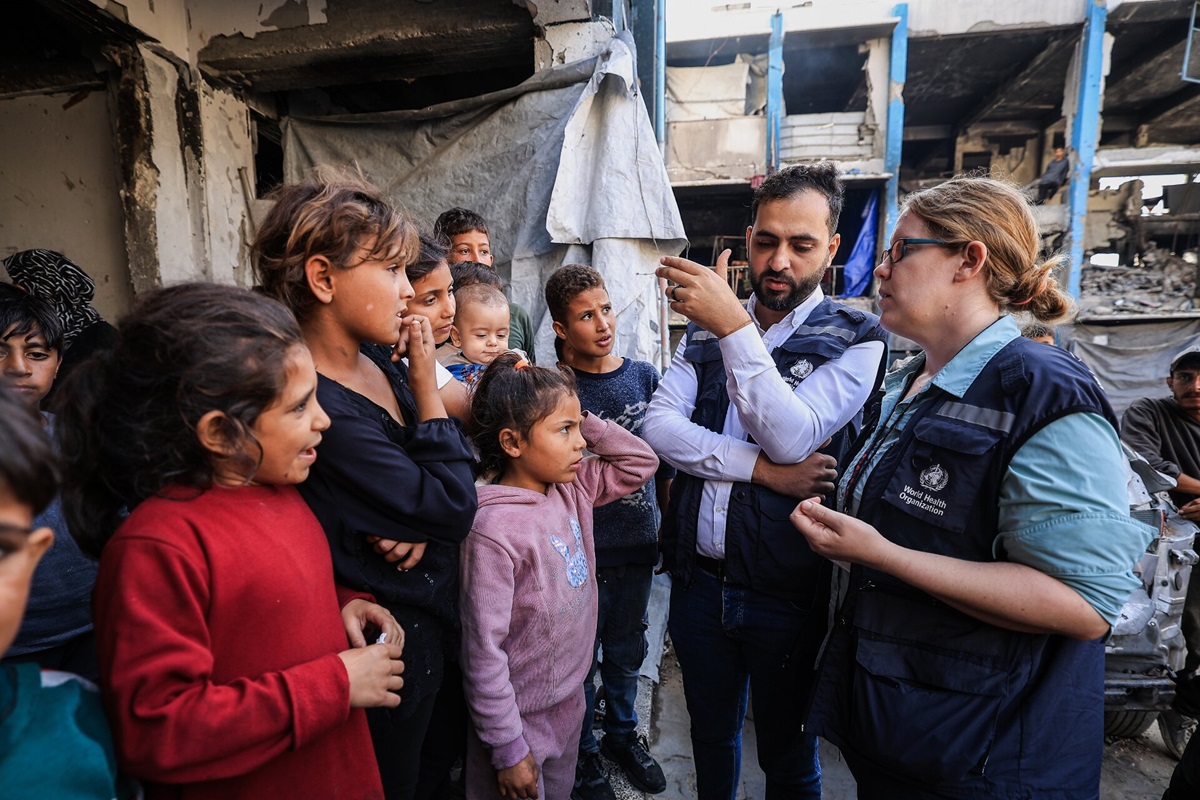
The sheer scale of displacement within Gaza continues to exacerbate the humanitarian crisis. Since the ceasefire, more than 730,000 people have been uprooted, many of whom now reside in rudimentary, makeshift shelters, rendering them almost entirely dependent on external humanitarian aid for survival. This massive internal migration places immense strain on already devastated resources and services. Beyond the immediate needs of the displaced, the widespread destruction of critical infrastructure poses monumental challenges. Agricultural lands lie fallow, livestock populations have been decimated, traditional fishing activities are severely curtailed, and vital road networks have been rendered impassable. Furthermore, essential services such as water, sanitation, and hygiene (WASH), and healthcare facilities have suffered catastrophic damage, impeding both the daily lives of residents and the efficacy of ongoing relief efforts.
The inadequacy of basic services, particularly in WASH and healthcare, has created a fertile ground for disease outbreaks. Overcrowded temporary shelters, coupled with compromised sewage systems and unreliable access to clean water, have led to a rapid proliferation of illnesses. Families, desperate to stay warm amidst the displacement and destruction, resort to burning wood or trash, further polluting the air and contributing to respiratory infections. These conditions are driving an accelerated spread of respiratory ailments, diarrheal diseases, and skin infections, with children being particularly vulnerable to these public health threats. The healthcare infrastructure, already fragile before the current escalation, is now critically crippled, with only an estimated 50 percent of facilities operating, often only partially. Many of these remaining facilities face acute shortages of essential medical supplies and equipment, which are frequently subject to complex entry procedures and restrictions, sometimes classified as "dual-use" items.
Even where markets show signs of renewed activity and are better stocked with nutritious foods following improved humanitarian and commercial deliveries, a pervasive economic barrier prevents vulnerable families from accessing them. The ability to purchase these essential items remains a significant hurdle, with a staggering 79 percent of households reporting an inability to afford food or clean water. Nutrition-rich foods, particularly protein sources, are not only scarce but also prohibitively expensive. This economic impediment has dire consequences for dietary diversity, especially among children. Shockingly, no children are currently meeting minimum dietary diversity standards, and two-thirds experience severe food poverty, subsisting on diets comprising only one or two food groups.
Children under the age of five, along with pregnant and breastfeeding women, represent the most vulnerable segments of the population, facing alarmingly high levels of malnutrition despite the recent, fragile improvements. Lucia Elmi, UNICEF Director of Emergency Operations, underscored the severe, long-term impact on the region’s youth, stating, "Gaza’s children are no longer facing deadly famine, but they remain in grave danger. After more than two years of unrelenting conflict, children’s bodies and developing brains carry deep, lasting scars." She further highlighted the economic constraints, noting that while food is available in markets, many families simply lack the financial means to purchase it. The onset of winter further compounds the suffering for those displaced and living in makeshift shelters, underscoring the urgent need for comprehensive intervention.
The collective capabilities of FAO, UNICEF, WFP, and WHO to scale up their responses are severely constrained by a confluence of factors. Import restrictions, persistent access impediments, and significant funding shortfalls are drastically hindering their capacity to operate at the necessary scale. These limitations impact crucial interventions across food security, nutrition, health, WASH, agriculture, and livelihood recovery, preventing agencies from delivering the comprehensive support required to stabilize the situation and prevent a relapse into famine.
Rein Paulsen, Director of FAO’s Office of Emergencies and Resilience, emphasized the readiness of local agricultural communities to contribute to their own recovery. "Gaza’s farmers, herders, and fishers are ready to restart food production, but they cannot do so without immediate access to basic supplies and funding," Paulsen stated. He articulated that the ceasefire has opened a "narrow window" for life-sustaining agricultural inputs to reach vulnerable farmers, stressing that only sustained funding and expanded access will enable local food production to resume and reduce the region’s heavy reliance on external aid. This sentiment was echoed by Ross Smith, WFP Director of Emergency Preparedness and Response, who affirmed, "Once again, we have shown that we can push back on famine when we have the access, security, and funding to deliver food and vital support." Smith called for building upon these gains, ensuring that people can reliably access essential services and move from a state of aid dependency towards self-sufficiency, fostering a future grounded in hope, stability, and prosperity.
Altaf Musani, WHO’s Director for Humanitarian and Disaster Management, pointed out that while the ceasefire created a space for recovery, it has not erased the extensive damage from years of conflict. He highlighted the critical state of Gaza’s health facilities and the ongoing challenges in securing essential medical supplies. "Only fifty percent of Gaza’s health facilities are partially functional, and many have been damaged during the conflict," Musani noted. He reiterated the high levels of malnutrition, particularly among children and women, and detailed WHO’s support for seven severe acute malnutrition stabilization centers across the Strip. Musani urgently called for the expedited approval and entry of crucial medical supplies, equipment, and prefabricated hospital structures to scale up life-saving services and expand access to care.
In light of these pressing concerns, the leading UN agencies have issued an urgent appeal to all involved parties. They demand sustained and unhindered humanitarian access throughout the Gaza Strip, ensuring the safe and efficient delivery of life-saving assistance. Furthermore, they call for the immediate protection of civilians and civilian infrastructure, which are vital for recovery and long-term stability. Crucially, they stress the imperative of securing adequate and predictable funding to enable aid organizations to scale up their operations effectively. The agencies collectively warn that without decisive, coordinated action now, the fragile progress achieved since the ceasefire could quickly unravel, plunging Gaza back into the grip of famine. Only through comprehensive access, a consistent flow of supplies, and robust financial support can Gaza begin its arduous transition from mere survival to genuine recovery and a future free from hunger.
About the Author