Maintaining robust physical capabilities throughout the aging process is a cornerstone of an independent and high-quality life, with muscular strength emerging as a particularly critical determinant. As individuals progress into their senior years, the physiological landscape shifts, making the preservation of strength not merely beneficial, but essential for navigating daily demands and mitigating health risks. Among the various metrics used to gauge an individual’s overall physical condition, the pushup stands out as a remarkably insightful, accessible, and comprehensive exercise that reflects a spectrum of vital fitness components. Recent expert insights highlight a specific pushup benchmark for adults aged 65 that suggests a fitness level often surpassing that of many individuals two decades younger, underscoring the profound impact of sustained physical activity.
The natural trajectory of human aging is often accompanied by a gradual yet persistent decline in muscle mass and strength, a phenomenon scientifically termed sarcopenia. This age-related muscular atrophy is not just about a diminished capacity to lift heavy objects; it carries far-reaching implications for an individual’s health, autonomy, and even longevity. Sarcopenia contributes to a reduced metabolic rate, making weight management more challenging, and significantly increases the risk of falls, which can lead to severe injuries, prolonged recovery periods, and a downward spiral in overall health. Furthermore, compromised muscle strength can impair the body’s ability to regulate blood sugar, affect bone density, and diminish the capacity to perform routine activities, chipping away at one’s independence. Recognizing and actively counteracting this decline is paramount for fostering a vibrant "healthspan"—the period of life spent in good health—that aligns more closely with one’s increasing "lifespan."
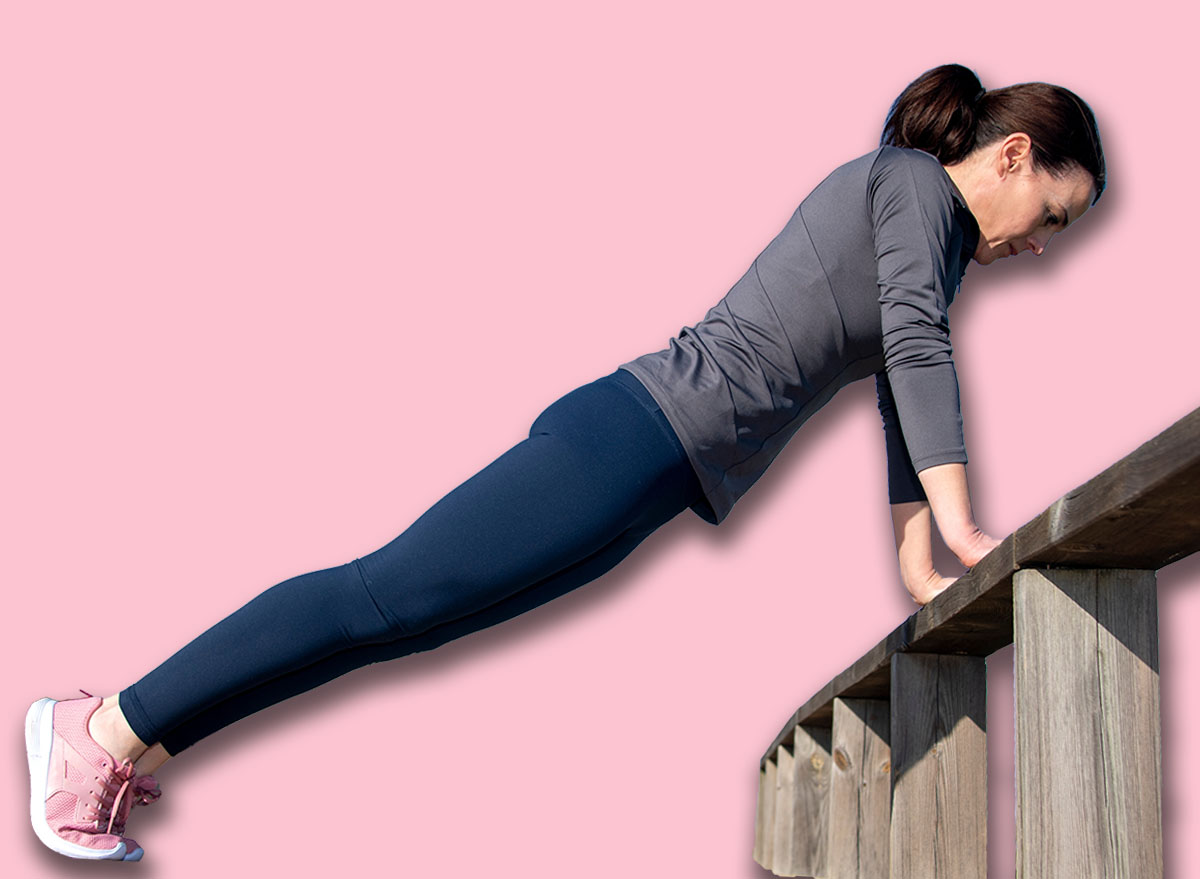
The humble pushup, a staple in fitness regimens worldwide, serves as an exceptionally potent diagnostic tool for evaluating an individual’s comprehensive physical fitness. Unlike exercises that isolate specific muscle groups, the pushup demands synchronous engagement from a broad array of musculature. It is a compound movement that rigorously tests the upper body, primarily targeting the pectoralis major (chest), deltoids (shoulders), and triceps brachii (back of the arms). However, its utility extends far beyond these prime movers. A proper pushup requires significant core stability, engaging the abdominal muscles, obliques, and lower back to maintain a rigid, plank-like posture throughout the movement. The coordinated effort needed to control body weight through space, from the descent to the ascent, also assesses shoulder girdle health, joint integrity, and muscular endurance. This synergistic activation across multiple muscle groups makes the pushup a compelling barometer of real-world, functional strength – the kind of strength directly applicable to everyday tasks rather than merely gym-specific prowess. Its elegance lies in its simplicity and reliance solely on body weight, making it universally accessible for assessment and training, free from the need for specialized equipment.
According to fitness professionals, achieving a specific number of consecutive, well-executed pushups at age 65 signals an exemplary level of physical conditioning. For men in this age bracket, the ability to complete 15 to 20 continuous pushups with proper form is considered a benchmark for above-average fitness. For women, a target range of 10 to 15 pushups similarly indicates a superior state of strength and endurance. These figures are particularly significant because they demonstrate a capacity for physical exertion often associated with younger demographics, such as individuals in their mid-forties. This accomplishment suggests a successful proactive approach to combating age-related muscle decline, preserving substantial muscle mass, and maintaining robust joint function. The emphasis, experts stress, is on the quality of each repetition—maintaining a straight body line from head to heels, engaging the core, and executing the movement with control and a full range of motion, rather than prioritizing speed or partial repetitions. Even modified versions, such as incline pushups, contribute meaningfully if performed with strict and consistent technique, as they build foundational strength relevant to usable, everyday capabilities.
The implications of maintaining such a high level of functional strength are profound, extending far beyond bragging rights. A 65-year-old who can comfortably perform 15-20 pushups likely possesses the physical resilience to navigate common daily challenges with ease and confidence. This strength translates into the ability to stand up from a low chair or the floor without assistance, carry heavy grocery bags from the car, reach for objects on high shelves, and perform household chores efficiently. Crucially, it significantly contributes to fall prevention, as a strong core and upper body allow for better balance and the capacity to brace oneself or recover from a stumble. Beyond the physical, this level of fitness often correlates with enhanced mental well-being, fostering a sense of self-efficacy, independence, and reduced anxiety about physical limitations. It empowers individuals to remain actively engaged in hobbies, social activities, and travel, thereby enriching their quality of life and fostering a positive outlook on aging.
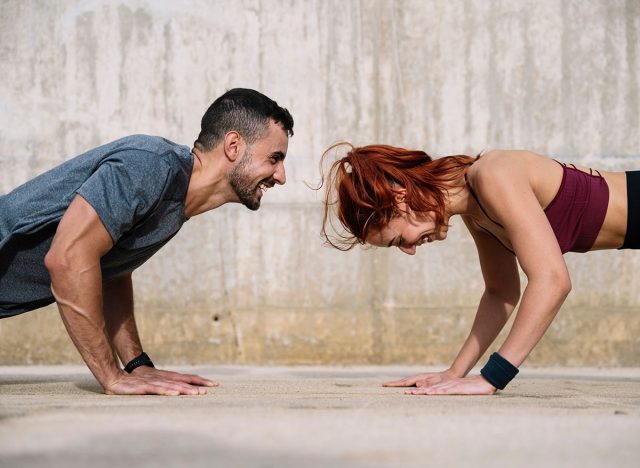
For those inspired to improve their pushup capacity and, by extension, their overall strength, a structured and progressive approach is key. The fundamental principle of strength training, progressive overload, dictates that muscles must be continually challenged to grow stronger. For beginners or those returning to exercise, starting with modified pushup variations is highly recommended. Incline pushups, performed against a wall, a sturdy counter, or a workout bench, allow individuals to gradually build strength by reducing the percentage of body weight they must lift. As strength improves, the incline can be progressively lowered, increasing the challenge.
Proper form is paramount in all variations to maximize effectiveness and prevent injury. Key elements include maintaining a straight line from the top of the head through the heels, actively engaging the core muscles to prevent the hips from sagging or rising too high, and performing the movement slowly and with control. The descent phase should be deliberate, followed by a controlled press back to the starting position. Rather than attempting a high number of repetitions immediately, it is more effective to break training into manageable sets—for instance, performing several sets of five repetitions with brief rest periods in between. Consistency is vital; practicing a few times a week, while allowing adequate time for muscle recovery, will yield the best results. As strength progresses, one can transition to knee pushups, then full traditional pushups, and eventually explore more advanced variations like diamond or decline pushups, which further challenge different muscle groups and increase intensity.
While pushups offer a remarkable self-assessment and training tool, they are but one component of a holistic approach to healthy aging. Integrating other forms of resistance training, such as exercises with resistance bands or light weights, can further diversify muscular development. Cardiovascular exercise, flexibility work, balanced nutrition, sufficient sleep, and mental stimulation are equally critical pillars supporting overall well-being in later life. Consulting with a healthcare provider before embarking on any new exercise regimen is particularly advisable for older adults or those with pre-existing health conditions, ensuring that physical activity is tailored to individual needs and capabilities.
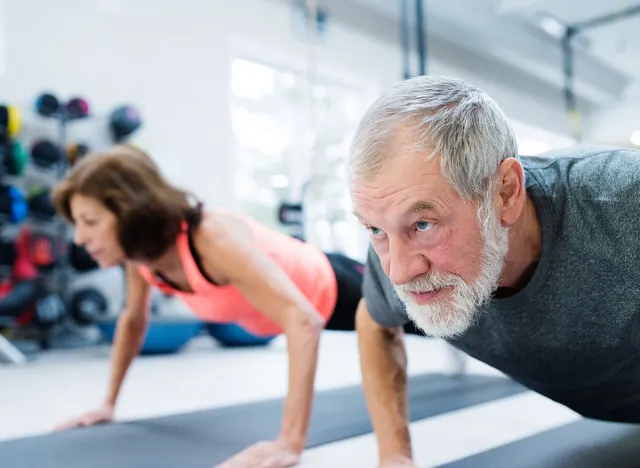
Ultimately, the ability to perform a significant number of pushups at age 65 serves as a powerful testament to an individual’s commitment to lifelong physical health. It transcends a mere numerical achievement, symbolizing resilience against the natural processes of aging and reflecting a capacity for independence and vitality that can dramatically enhance the later chapters of life. By embracing accessible, effective strength-building practices like the pushup, individuals can proactively shape a future characterized by robust health and sustained physical prowess.
About the Author