As global demographics shift towards an aging population, the discourse around healthy aging and sustained functional independence gains increasing prominence. Beyond mere lifespan, the quality of life in later decades is profoundly influenced by an individual’s physical capacity – their ability to perform daily tasks with ease, maintain balance, and resist the natural decline associated with advancing years. In this context, simple yet profound physical assessments become invaluable tools for gauging overall physiological resilience. Among these, the pushup stands out as a remarkably insightful benchmark, offering far more than just a measure of upper-body strength; it provides a comprehensive snapshot of integrated muscular fitness, neuromuscular coordination, and even long-term cardiovascular health, particularly for adults aged sixty and beyond.
The human body, a complex system of interconnected muscles, bones, and nerves, undergoes predictable changes as it ages. Sarcopenia, the progressive loss of muscle mass and strength, and dynapenia, the age-related decline in muscle power, are well-documented phenomena that significantly impact autonomy and increase the risk of falls and frailty. While numerous exercises target specific muscle groups, the pushup distinguishes itself by demanding simultaneous engagement from multiple major muscle groups, including the pectorals (chest), deltoids (shoulders), triceps (arms), and a significant contribution from the core and upper back stabilizers. This compound nature means that executing a pushup correctly requires not just raw strength, but also intricate coordination between these muscle groups, joint stability, and effective neural command – a holistic measure that simple bicep curls or leg presses on a machine cannot fully capture.
Recent scientific inquiry has underscored the profound implications of pushup capacity. A landmark study published in JAMA Network Open established a compelling link between an individual’s ability to perform pushups and their long-term cardiovascular health. While the primary cohort of this particular research focused on middle-aged working adults, its findings have since been critically analyzed and expanded upon in clinical applications concerning older populations. The study demonstrated that higher pushup capacity correlated inversely with the incidence of cardiovascular events over a decade, suggesting that this exercise serves as a powerful, non-invasive indicator of functional strength and systemic resilience, extending beyond mere physical prowess to reflect deeper physiological well-being. This association highlights that the physical exertion required for pushups reflects a body capable of handling physical stress and maintaining robust circulatory function, attributes that become even more critical as individuals enter their senior years. For older adults, where the risk of cardiovascular disease is naturally elevated, such an easily accessible self-assessment tool holds immense preventive and diagnostic potential.
The challenge for many individuals entering their seventh decade is that routine activities often cease to demand the kind of full-body tension and dynamic movement patterns inherent in exercises like pushups. This gradual disengagement from compound, bodyweight movements accelerates the decline in integrated pushing strength. Consequently, maintaining the ability to perform a respectable number of well-controlled pushups places an individual significantly ahead of the general curve for their age group. This advantage is not merely cosmetic or about gym performance; it translates directly into enhanced functional capabilities in daily life.
To accurately gauge one’s physical capacity using this benchmark, strict adherence to proper form is paramount. An improperly executed pushup not only risks injury but also provides a misleading assessment of true strength, masking underlying weaknesses and inflating perceived performance. A certified trainer’s benchmarks rely on consistent, repeatable execution.
The Proper Protocol for Pushup Assessment:
- Preparation and Environment: Select a firm, non-slip surface. Ensure no pain is present in wrists, elbows, or shoulders before beginning. If any discomfort exists, consult a healthcare professional or opt for a modified version.
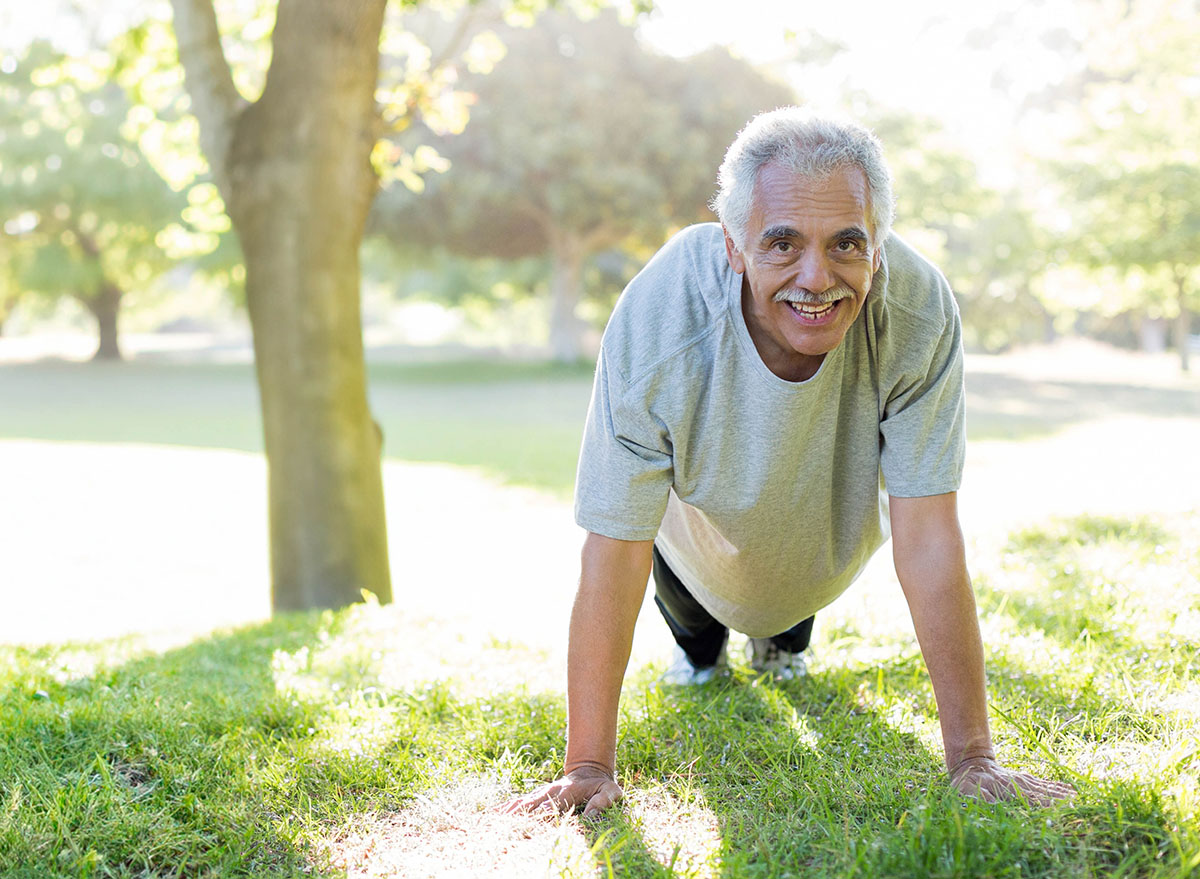
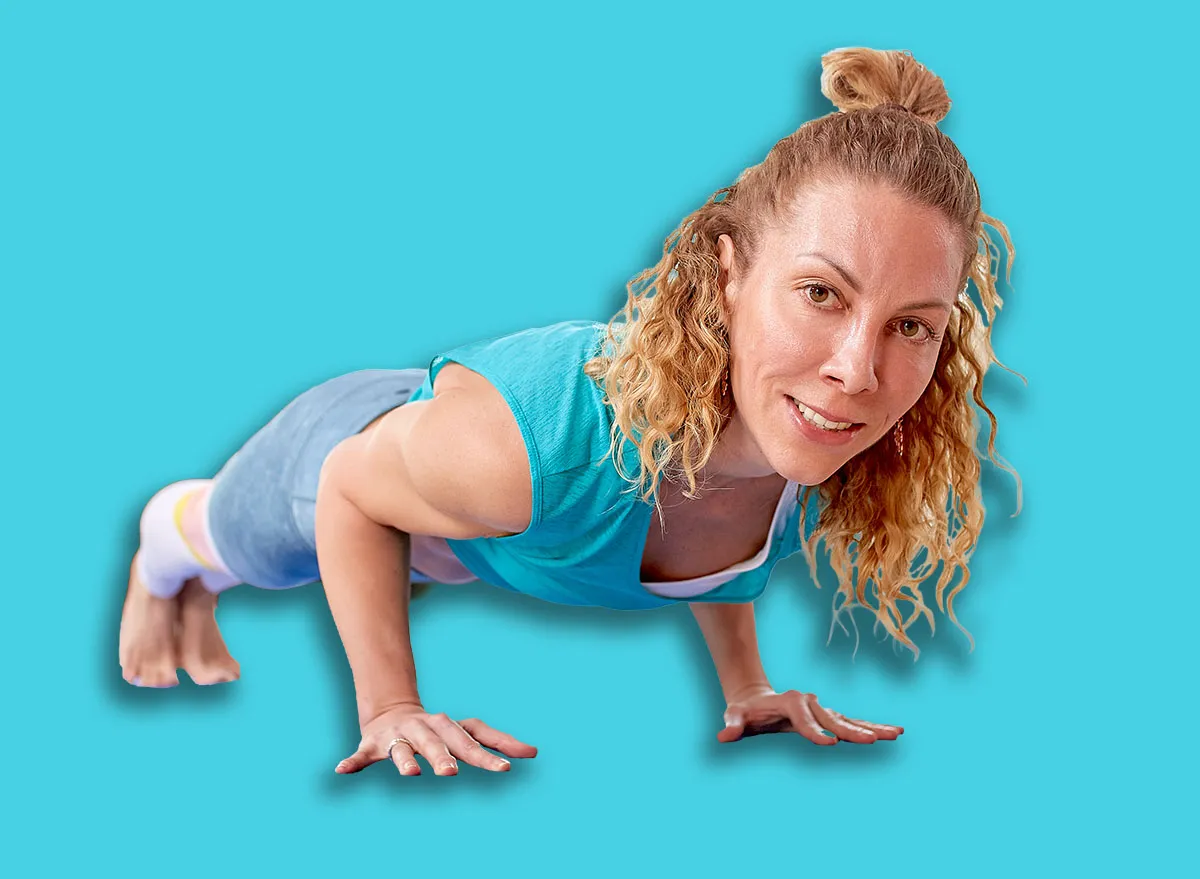
- Starting Position: Begin on the floor in a plank position. Place hands slightly wider than shoulder-width apart, fingers pointing forward, directly beneath the shoulders. Extend legs straight back, balancing on the balls of your feet. Crucially, maintain a straight line from the crown of your head through your spine to your heels. The core muscles must be actively engaged, preventing the hips from sagging or arching upwards. Your gaze should be directed slightly forward, keeping the neck in a neutral alignment.
- Controlled Descent: Inhale and slowly lower your body towards the floor by bending your elbows. The elbows should track at approximately a 45-degree angle relative to your torso, avoiding flaring out completely sideways. Continue descending until your chest nearly touches the floor, or at least until your upper arms are parallel to the ground. Maintain the rigid plank position throughout the descent; the straight line from head to heels must not break.
- Powerful Ascent: Exhale and push through your hands, engaging your chest, shoulders, and triceps, to return to the starting plank position. The movement should be controlled, not explosive or jerky. Fully extend your arms at the top, but do not lock your elbows.
- Repetition Integrity: Each repetition must maintain this strict form. Any sagging in the hips, arching of the back, incomplete range of motion (not going low enough or not extending fully), or loss of neutral spine disqualifies the repetition. The test concludes when proper form can no longer be maintained for consecutive repetitions.
Interpreting Pushup Performance for Individuals Over 60:
The number of correctly performed pushups offers a clear insight into an individual’s current functional strength and resilience:
- 0–5 Pushups: This range typically indicates significantly below-average upper-body strength and muscular endurance for this age group. Individuals in this category may face increased difficulty with tasks requiring pushing or bracing, such as rising from a low chair, pushing open heavy doors, or recovering from a loss of balance. It signals a need for focused intervention to improve foundational strength and reduce vulnerability to age-related functional decline.
- 6–10 Pushups: While demonstrating a foundational level of functional strength, this performance level suggests that muscular endurance and the integrated coordination between the chest, shoulders, and core could benefit from further development. Individuals here possess a basic capacity for daily tasks but might experience fatigue more quickly or find more demanding physical activities challenging.
- 11–15 Pushups: Achieving this number places an individual commendably above the average for their peers over sixty. It signifies robust upper-body strength, good muscular endurance, and effective neuromuscular control. This level of fitness generally supports a higher degree of independence and an enhanced ability to engage in a wide range of physical activities without significant limitations.
- 16–20 Pushups: This tier represents top-level strength and endurance within the over-60 demographic. Very few adults maintain this degree of integrated pushing capacity. It reflects consistent dedication to physical activity and excellent preservation of muscle mass and neurological efficiency, indicative of superior functional fitness and a significantly reduced risk of age-related physical impairments.
- 21+ Pushups: Performance at this elite level signifies exceptional upper-body strength and overall neuromuscular efficiency. Individuals capable of 21 or more full pushups after sixty are performing at a level that surpasses approximately 90% of their contemporaries. This is a testament to extraordinary physical resilience, consistent training, and optimal health markers, suggesting a remarkable capacity for independent living and an active, high-quality lifestyle well into advanced age.
Why Pushups Remain Crucial in Later Life:

The significance of pushups for older adults extends far beyond the vanity of strong arms or a sculpted chest. This exercise is a potent indicator of crucial physiological attributes:
- Integrated Muscularity: Pushups engage a symphony of muscles: the powerful pectorals and deltoids for pushing, the triceps for arm extension, and critically, the entire core musculature (abdominals, obliques, lower back) for maintaining a rigid body line. This holistic engagement ensures that strength is developed in a functionally relevant manner.
- Neuromuscular Coordination: The ability to move the body as a single, stable unit, coordinating multiple joints and muscle groups simultaneously, is a hallmark of good neuromuscular control. This translates directly to improved balance, agility, and proprioception – the body’s sense of its position in space – all vital for preventing falls, a leading cause of injury and disability in older adults.
- Joint Stability and Mobility: Performing pushups through a full range of motion helps maintain the health and flexibility of the shoulder, elbow, and wrist joints. The dynamic stabilization required strengthens the supporting ligaments and tendons, contributing to overall joint resilience and reducing the risk of pain and stiffness.
- Functional Independence: The pushing pattern is fundamental to countless daily activities: opening heavy doors, rising from the floor after a fall, pushing a grocery cart, bracing oneself against an unexpected impact. Maintaining strong, coordinated pushing ability directly enhances an individual’s capacity to live independently and confidently.
- Bone Density and Metabolic Health: Weight-bearing exercises like pushups stimulate bone remodeling, helping to combat osteoporosis and maintain bone density. Furthermore, greater muscle mass and physical activity are strongly linked to improved glucose metabolism, reduced risk of type 2 diabetes, and better overall metabolic health.
A Strategic Approach to Elevating Pushup Performance:
Improving pushup capacity after the age of sixty does not necessitate grueling, high-intensity workouts. Instead, sustainable progress stems from a consistent, progressive approach focused on reinforcing proper movement patterns and gradually increasing the body’s exposure to load.
- Start with Regressions: Begin by mastering the mechanics at an easier level. Elevated pushups, performed against a wall, kitchen counter, or sturdy bench, allow individuals to "groove" the correct form without excessive fatigue. The higher the elevation, the less body weight is supported, making the exercise easier. Focus on maintaining the straight body line and controlled movement.
- Emphasize the Eccentric Phase: The lowering (eccentric) phase of the pushup is crucial for building strength. Practice slow, controlled descents, even if the ascent needs to be assisted (e.g., by pushing off the knees). This builds muscular control and resilience.
- Incorporate Isometric Holds: Holding the bottom position of the pushup for a few seconds can significantly strengthen muscles in their weakest range of motion. This static strength translates to improved dynamic performance.
- Progressive Overload: As strength improves, gradually decrease the elevation. Move from wall pushups to counter pushups, then to bench pushups, and eventually to knee pushups on the floor before attempting full floor pushups. The key is to find a variation where 6-10 quality repetitions can be performed with good form.
- Complementary Training: Integrate exercises that strengthen supporting muscle groups. Planks and other core exercises enhance stability. Rowing motions (e.g., resistance band rows, dumbbell rows) strengthen the upper back and improve scapular control, crucial for balanced shoulder health and injury prevention.
- Consistency Over Intensity: Train pushing movements two to three times per week, ensuring adequate rest and recovery between sessions. The goal is consistent effort, stopping short of muscular failure to avoid undue strain and promote steady adaptation. On non-pushup days, focus on flexibility, balance, and other accessory movements.
- Listen to Your Body: Pay close attention to any joint pain or discomfort. It is imperative to modify exercises or seek professional advice if pain arises. Sustainable progress prioritizes joint health and long-term participation.
In conclusion, the pushup is far more than a simple exercise; it is a profound, accessible diagnostic tool for individuals over sixty, offering deep insights into their integrated physical health. By understanding its significance, performing it correctly, and systematically working towards improvement, older adults can proactively manage their physical capabilities, enhance their quality of life, and foster greater independence and resilience as they navigate the later stages of life. The ability to push one’s own bodyweight against gravity remains a powerful testament to vitality and an empowering metric in the pursuit of healthy longevity.
About the Author