
Evaluating one’s cardiovascular health is a fundamental step toward maintaining overall well-being and preventing numerous chronic conditions. While advanced clinical assessments offer detailed insights, a surprisingly straightforward and accessible method exists for individuals to gauge their heart and lung fitness: the 10-minute maximal effort walk test. This simple protocol provides a reliable indicator of aerobic capacity, offering a practical benchmark for fitness levels irrespective of age. It distills complex physiological performance into a measurable, repeatable exercise, empowering individuals to take an active role in monitoring their physical condition.
Cardiovascular fitness, often referred to as aerobic capacity, represents the efficiency with which your heart, lungs, and circulatory system can supply oxygen to your working muscles during sustained physical activity. A high level of cardiovascular fitness is a cornerstone of good health, directly correlating with a reduced risk of heart disease, stroke, type 2 diabetes, and certain cancers. Beyond disease prevention, it significantly impacts daily life, influencing energy levels, mental clarity, stress resilience, and the ability to perform everyday tasks with ease. When the heart and lungs operate optimally, they can pump blood and exchange gases more effectively, ensuring that muscles receive the oxygen needed to function without undue strain. This efficiency is often quantified by maximal oxygen uptake (VO2 max), a metric representing the greatest amount of oxygen an individual can utilize during intense exercise. While direct VO2 max measurement requires specialized lab equipment, field tests like the 10-minute walk serve as excellent proxies, reflecting this critical physiological capacity through observable performance.

Walking, despite its unassuming nature, is an incredibly potent form of physical activity. It is a weight-bearing exercise that engages large muscle groups, promoting bone health, strengthening muscles, and elevating heart rate to a beneficial training zone. Its low-impact nature makes it suitable for almost everyone, from sedentary beginners to seasoned athletes, and across a broad spectrum of ages. Unlike more strenuous activities that might require specific skills, equipment, or recovery periods, walking is inherently natural and carries a minimal risk of injury. This inherent accessibility makes it a prime candidate for a self-assessment tool, enabling widespread participation in fitness monitoring without barriers.
The efficacy of the 10-minute walk test stems from its ability to challenge the cardiovascular system under continuous, self-paced effort. By tasking an individual to cover the maximum possible distance within a fixed 10-minute timeframe, the test demands a sustained output from the heart and lungs. The distance achieved directly reflects the efficiency of oxygen delivery and utilization. A person with superior cardiovascular conditioning will exhibit a stronger heart, capable of pumping more blood with each beat, and more efficient lungs, which can process oxygen and carbon dioxide exchange more rapidly. Furthermore, their muscles will be more adept at extracting and utilizing the oxygen supplied. All these physiological advantages translate into the ability to cover greater ground during the test period. This makes the test an objective measure, offering concrete data that can be tracked over time to reveal genuine physiological progress or decline. Its simplicity means it can be performed repeatedly in various settings, from local parks to indoor tracks, making it a versatile and reliable metric for personal health management.
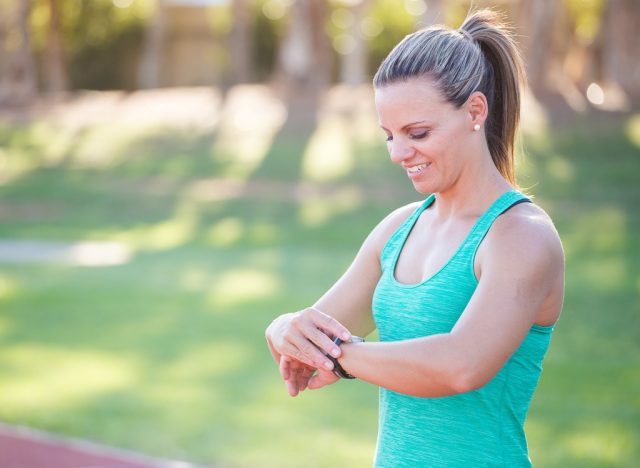
To ensure the accuracy and comparability of your results, performing the 10-minute walk test correctly is paramount. The first step involves selecting an appropriate environment. Choose a flat, unobstructed route where you can maintain a consistent pace without needing to stop or navigate obstacles. An athletic track is ideal due to its measured distance and uniform surface, but any safe, level pathway free from interruptions will suffice. Prior to starting, accurately measure the route’s length using a GPS-enabled fitness watch, a smartphone mapping application, or by noting track markers. Ensure you are wearing comfortable, supportive athletic footwear designed for walking or running, as inappropriate shoes can impede your gait and performance. Adequate rest and proper nutrition before the test are also crucial; avoid performing it when fatigued or after a heavy meal.

Begin with a brief warm-up, typically 5 minutes of light activity, such as gentle walking and dynamic stretches (e.g., arm circles, leg swings), to prepare your muscles and gradually elevate your heart rate. Once warmed up, activate your timer and commence walking at a brisk, sustained pace. The objective is to cover the maximum distance you can maintain consistently for the entire 10 minutes, not to sprint at the beginning and then slow dramatically. Focus on a steady, strong stride, maintaining good posture with your gaze forward. Avoid looking down at your feet. Throughout the test, resist the urge to stop for any reason—whether to check your phone, adjust clothing, or catch your breath—as any pause will compromise the validity of your result. Upon the 10-minute mark, immediately note your exact stopping point and record the total distance covered. Conclude with a cool-down period of 3-5 minutes of slow walking, followed by static stretches to aid muscle recovery.
Several common errors can skew your results and provide an inaccurate picture of your fitness level. The most frequent mistake is initiating the test at an unsustainable speed. A rapid start often leads to premature fatigue, forcing a significant reduction in pace during the latter half of the test, ultimately diminishing the total distance covered. Aim for a pace that feels challenging but maintainable for the full duration. Secondly, choosing a route with varying topography, such as hills or uneven surfaces, can distort your performance. Uphill sections naturally slow your progress, while downhill segments can artificially inflate your speed, making comparisons over time unreliable. Flat terrain is essential for consistent measurement. Thirdly, interruptions, no matter how brief, compromise the integrity of the test. Pauses allow your heart rate to recover, defeating the purpose of measuring sustained cardiovascular effort. Therefore, select a time and location where you can walk uninterrupted. Finally, undertaking the test when physically compromised—due to illness, insufficient sleep, or improper fueling—will inevitably lead to suboptimal performance. For the most accurate assessment, ensure you are well-rested and adequately nourished.
Once you have completed the 10-minute walk test, understanding what your achieved distance signifies is key. Most individuals can expect to cover between 800 and 1,200 meters within this timeframe. This range provides a general guideline, but the interpretation depends on individual factors and goals.
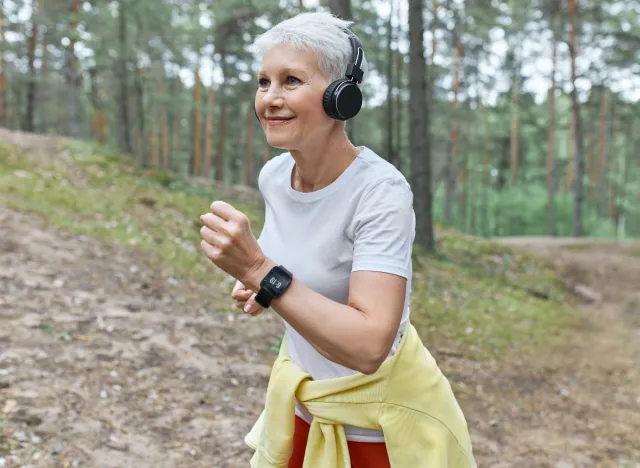
Achieving a distance of 1,000 meters (1 kilometer) or more suggests a robust level of cardiovascular fitness. This indicates that your heart and lungs are performing efficiently, providing a solid foundation for daily activities and a good buffer against cardiovascular disease. Individuals in this range typically handle physical demands with relative ease and possess the endurance for recreational pursuits.
A result between 800 and 1,000 meters generally points to an average fitness level. While adequate for typical daily routines, there is considerable scope for enhancing your cardiovascular capacity. You might find some physical activities slightly challenging or experience mild breathlessness during sustained efforts like climbing multiple flights of stairs. Consistent engagement in regular walking or other aerobic activities would be highly beneficial for improving your endurance and overall health profile.
Covering less than 800 meters indicates that your cardiovascular system requires significant attention and improvement. This level of fitness often means that even routine physical tasks feel arduous, leading to quick fatigue and breathlessness. Functionally, this could manifest as difficulty keeping pace with others during a stroll or needing frequent breaks during physical exertion. Scientifically, a low aerobic capacity is a predictive factor for increased risk of cardiovascular disease, reduced independence in later life, and a diminished quality of existence. It serves as a strong signal to prioritize an active lifestyle and consult with healthcare professionals if concerns persist. Ultimately, the raw number is less important than its implication for your functional capabilities: Can you navigate your environment with vitality? Do you feel energetic throughout the day? Your test result should resonate with your real-world experience of physical activity.
The influence of age on cardiovascular fitness is undeniable, as physiological changes naturally occur over time. However, the impact is often less significant than commonly perceived, particularly for individuals who maintain a consistent commitment to physical activity. While a 70-year-old might not achieve the same absolute distance as a 30-year-old at their respective peak efforts, the critical measure lies in maintaining functional independence and a high quality of life throughout the aging process. For instance, a 65-year-old covering 900 meters may possess excellent functional fitness for their demographic, whereas a 45-year-old achieving the same distance might be notably below an optimal level for their age group. Post-50, the primary objective shifts from chasing absolute peak performance to preserving as much cardiovascular capacity as possible. Covering 800-1,000 meters in one’s 60s or 70s is indicative of strong health maintenance. Conversely, consistently falling below 700 meters, regardless of age, warrants immediate attention and proactive measures. The most crucial aspect of the test is its longitudinal application: a consistent or improving distance over time signals effective health management, while a noticeable decline (e.g., 50-100 meters every few years) serves as a vital indicator that lifestyle adjustments are needed.
Improving your cardiovascular endurance is a gradual, consistent process. A structured plan, progressively increasing demands on your system, is the most effective approach.
Weeks 1-3: Establish a Foundation. Begin with moderate-intensity walking sessions. Aim for at least 30 minutes, four to five times per week. The pace should be brisk enough that you can hold a conversation but not sing. This phase focuses on building stamina and consistency. Prioritize completing the duration over speed.

Weeks 3-5: Introduce Interval Training. Once a solid base is established, incorporate short bursts of higher intensity. During two or three of your weekly walks, alternate between 1-2 minutes of very brisk walking (where speaking is difficult) and 3-4 minutes of moderate recovery walking. Repeat this cycle 3-5 times within your 30-minute session. This method, known as High-Intensity Interval Training (HIIT), is highly effective at improving VO2 max and overall cardiovascular efficiency.
Weeks 5-6 and Beyond: Progressive Overload. As your fitness improves, gradually increase the duration of your high-intensity intervals or shorten your recovery periods. You might also extend the overall length of one or two walks to 45-60 minutes to further build endurance. Alternatively, introduce slight inclines into your route if appropriate, ensuring you maintain a consistent effort level.
Ongoing Maintenance: After six weeks, re-evaluate your 10-minute walk test performance. You should observe a measurable improvement. Continue to challenge yourself by varying your routine, perhaps incorporating other aerobic activities like cycling, swimming, or dancing for enjoyment and cross-training benefits. The cornerstone of long-term improvement is consistency. Regular physical activity, even if it’s four focused walks per week, yields far superior results than sporadic, intense efforts followed by extended periods of inactivity.

In conclusion, the 10-minute walking test stands as an invaluable, user-friendly instrument for self-monitoring cardiovascular health. It transcends the need for specialized equipment or professional guidance, offering a tangible metric that empowers individuals to understand and actively manage their heart and lung fitness. By embracing this simple assessment and committing to a consistent regimen of progressive walking, anyone can embark on a journey towards enhanced vitality, improved disease resilience, and a significantly higher quality of life, proving that sometimes, the most profound insights come from the simplest actions.
About the Author